A year after my father’s unexpected death from a kidney transplant, I returned home.
Six months earlier, my mother had sold our house, the one I had lived in my entire life. The synagogue was the same. The family was the same. Their friends were the same.
Only one thing was different. It didn’t feel like home.
“The drawers are different,” I told her.
“I know.”
“Where’s the extra soap?”
“Linen closet.”
“You have a linen closet?”
“I know.”
I had come for the holidays. Ten days. A New Year, then Day of Atonement.
“Tzedakeh in the puskeh,” she reminded me.
“Where’d you put it?” I asked her.
“Don’t be smart,” she said.
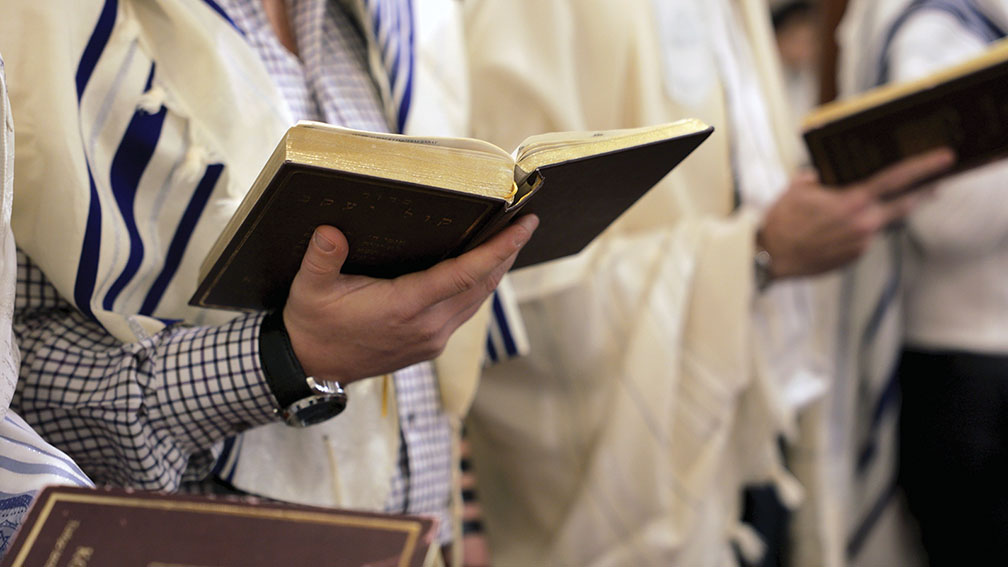
Rosh Hashanah passed with apples, challah and honey, and aunts and uncles pressing me to them just a little too hard. “Good Yontov,” they exclaimed so cheerily, their faces pinched with hiding, baring too many teeth.
A sweet new year, they toasted with sticky sweet wine.
“Next year in Byzantium,” echoed Bubbe, “… or wherever.”
He had been her son. The second she lost in as many years.
Four days down.
“Go to the cemetery,” my mother had said, more than half a dozen times since I’d been home. “You should go to the cemetery.”
I didn’t want to. But how could I say that?
“It’s proper. It’s right,” she insisted. “It’s a sign of respect.”
“It smells in here.”
“Do you hear me?”
“Did you just get new carpeting?”
“Ellie.”
“What else did you throw out?”
“I’m only going to say this one more time.”
“It’s not like he’s there!” I yelled, my first outburst.
She looked at me surprised. You of all people.
“I’ve gone to shul, I’ve said the prayers. I came home. Isn’t it enough?”
“No,” she said, so quietly.
“It’s not like I don’t talk to him anyway. I don’t need a monument to — there’s nothing to do with …”
But she was gone. Finally, she didn’t want to discuss it any longer.
Eight days down.
I visited my grandmothers. We sat with our feet up, talked about nothing, and ate a lot of sugar. Neither suggested I go to the cemetery.
“Do what you want,” Bubbe said.
“Just be nice to your mother,” Nana said.
I wanted to do what was right. I didn’t mean to be disrespectful. Nothing could have left a larger void in my life than his death. And no one was questioning my love, least of all my mother, who knew best of all.
Nine days.
Friday evening, the night before I left, we broke fast with relatives after our day of starvation and prayer, bitterness and wishing, hoping, cursing and crying. Completely drained, I got into my car and headed back to my mother’s new place alone.
The car took the route it always had under my hands. From Nana’s, off the fork to the right, down the long street and right on —
I stopped. Inches shy of turning up the driveway, I realized. The radio started playing some incredibly sappy song. I looked to my right. My old house.
The driveway where he taught me to pitch a softball. The road he had pushed my two- wheeler along (“peddle, peddle, peddle!”) ’til I could go on my own. A house where we sat together at a piano singing “Fiddler on the Roof” songs, just this much off-key. Graduation photos in the driveway, yelling around the kitchen table and late-night movies after everyone else had gone to sleep. And I realized.
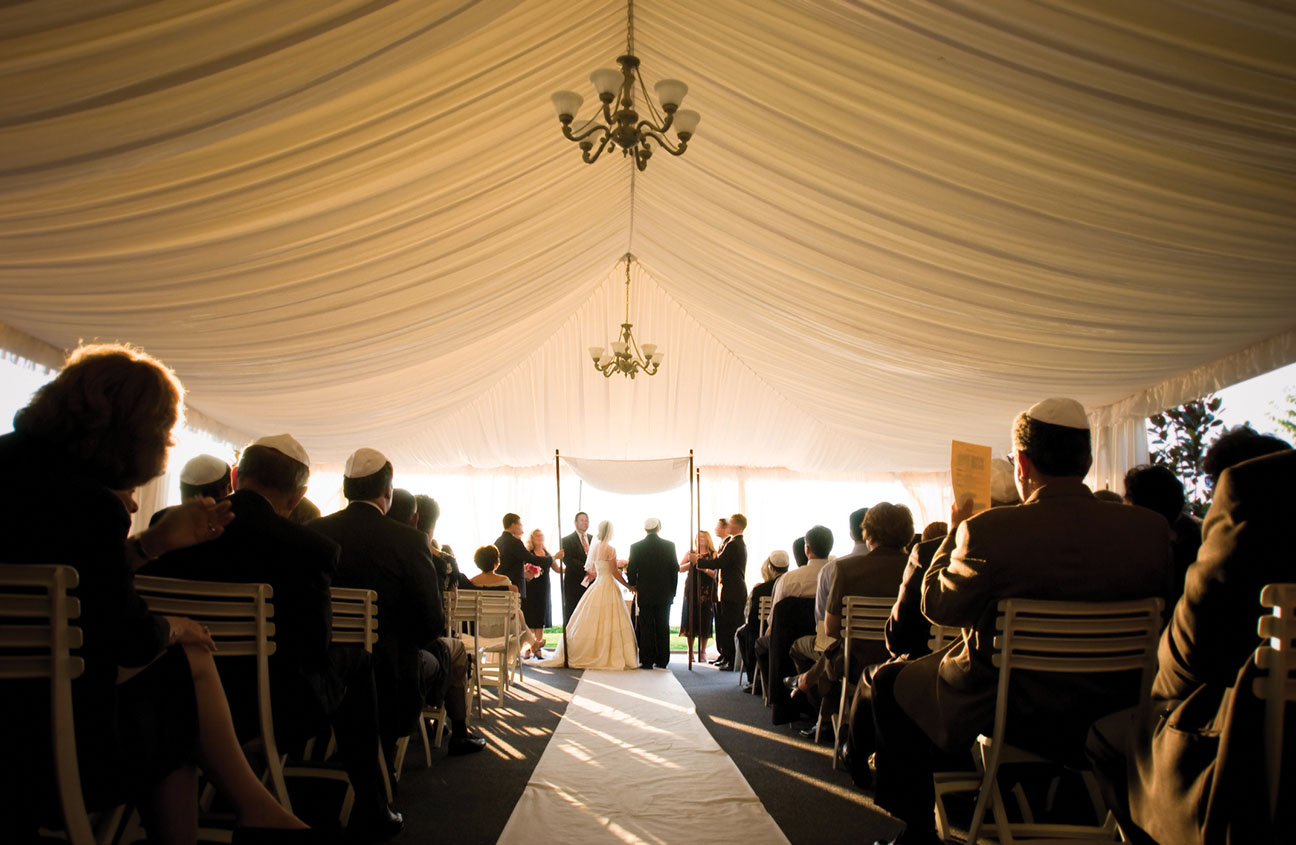
This was the place my father was buried. This was where his spirit lived and reigned, no matter what name was on the mailbox. Twenty-five years in one house. Two sons, one daughter, a wedding, two bar mitzvahs, a basketball net, a mortgage, a life. We had walked around the house after the shiva, we had let his spirit go. But he remained. His final resting spot.
I cried the entire length of the song, and turned around in the driveway to go home, to my mother’s condo.
I had made it to the cemetery after all.
Award-winning Chicago-based playwright, actress, choreographer and educator Jamie Pachino has served on the faculty of Columbia College and the Chicago Academy for the Arts.