When I was in my 20s and 30s, I did a fair amount of travel, spending various lengths of time in Canada, Mexico, Japan, Yugoslavia, England, Portugal, Panama, the Canary Islands, Chile and Brazil. I also found time to visit about a third of the states. Then, one day, I said, enough!
Now that I’m at the brink of turning 60, I can’t recall exactly when I said it. But I suspect it was soon after a trip during which my luggage was lost; a reservations clerk claimed never to have heard of me; my legs were crushed for several hours in coach; I’d spent a month going through customs; or I simply hadn’t enjoyed where I’d been.
For a while after this epiphany, I decided it was a gender issue. Women, I concluded, liked going places, while men preferred staying home. But I soon discovered, after polling friends and associates, that only I liked staying home. Everyone else was a nomad at heart.
It didn’t bother them that, while trekking through ruins and shopping for over-priced knick knack’s, they were missing phone calls and their mail was piling up.
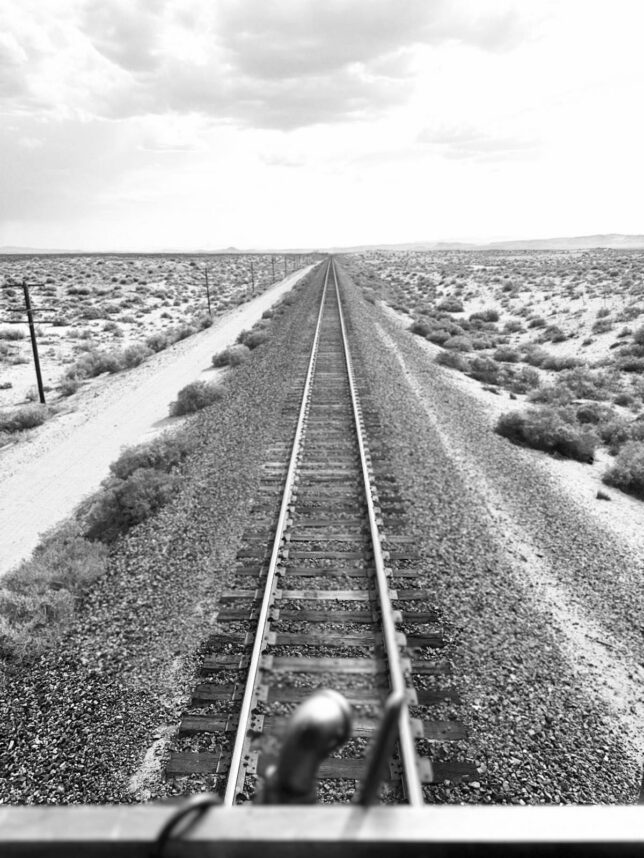
I understand that most people like to see the sights for themselves. Me, I’d rather look at the picture. Show me a photo of the Eiffel Tower and I have no problems envisioning it full-size. Whether this talent of mine means I have more imagination then most people or less, I’m not sure. But, so long as I don’t have to pack bags and catch planes, I really don’t care.
People who enjoys travel always tell me that I don’t know what I’m missing. Which is not only wrong, it’s presumptuous. When I was younger and had more time to waste, as I mentioned earlier, I went to a lot of places. Some of them were okay, some weren’t so hot. If the climate was good, the food was lousy; if the food was good, the people were rude.
The older I get, the less I want to go anywhere. Some folks would say that’s a sure sign of stagnation. I say it’s a sure sign of maturity. I no longer have to keep up with the gad-about Joneses. I don’t feel compelled to bore one and all with slides and lectures. I don’t have to boast that I’ve just come back from China, and the Wall, by gosh, is just as long as they say it is.
Maybe it’s because I’m a skeptic at heart or because I find it hard to believe that other people could possibly be all that different from me, but I never really believe folks who return from their trips raving about their wacky week in Wales or their madcap month in Madagascar. I don’t buy it for a second when they insist that boiled yak tastes just like chicken or that their new best friend is an untouchable they ran across in Calcutta.
I also do not believe it when guys tell me what a great time they had museum-hopping in Budapest because I happen to know that these are the same fellows who couldn’t track down a local museum if they were equipped with a map, a compass and a team of bloodhounds. But, suddenly, because they wake up in downtown Minsk, these shmoes will die if they can’t spend the day gazing at proletariat art?
What is it, I have asked myself, that compels otherwise rational — seemingly rational — human beings to fritter away huge amounts of time and money taking trips to foreign lands? The time and money aside, why are these people so darned anxious to leave the air-conditioned comforts of their home? How is it they can so easily bear to bid farewell to friends, pets, poker games, cable TV, a full fridge and a decent cup of coffee, just on the off-chance that Outer Mongolia will live up to its hype?
I do, it so happens, have a theory. It is a solution to the mystery that suits me because it is based solely on human nature as I know it.
Other people, I have decided, don’t enjoy travel any more than I do. The problem is that trips are so costly and so much bother that no one ever dares return home telling the truth about the experience. After the extensive build-up that travelers indulge in before taking off, they’d feel like fools if they returned with a suitcase filled with gripes; worse they’d feel like suckers.
So, instead, they come back and gush ad nauseam about their grand adventure. They wind up sounding so convincing that even seasoned travelers are gulled into believing all the tall tales about great meals, palatial accommodations, the mind-boggling exchange rate, the lovable locals and, throwing caution to the wind, the best taxi drivers.
Travel is broadening, someone once observed. But, dollars to donuts, that somebody was a travel agent. For, if travel were really all that broadening, it stands to reason that the wisest among us would be stewardesses and geese.
Burt Prelutsky has written for the Los Angeles Times, New York Times, Esquire, Sports Illustrated, and Los Angeles magazine. He has also written for such television shows as “Diagnosis: Murder”, “Dr. Quinn”, “Mary Tyler Moore,” and “Rhoda.”