The British government plans to outlaw Hezbollah as a terrorist entity.
British Home Secretary Sajid Javid said on Feb. 25 the British government is “no longer able to distinguish between their [Hezbollah’s] already banned military wing and the political party.”
“Hezbollah is continuing in its attempts to destabilize the fragile situation in the Middle East,” Javid said.
Foreign Secretary Jeremy Hunt also stated, “It is clear the distinction between Hezbollah’s military and political wings does not exist. By proscribing Hezbollah in all its forms, the government is sending a clear signal that its destabilizing activities in the region are totally unacceptable and detrimental to the UK’s national security.”
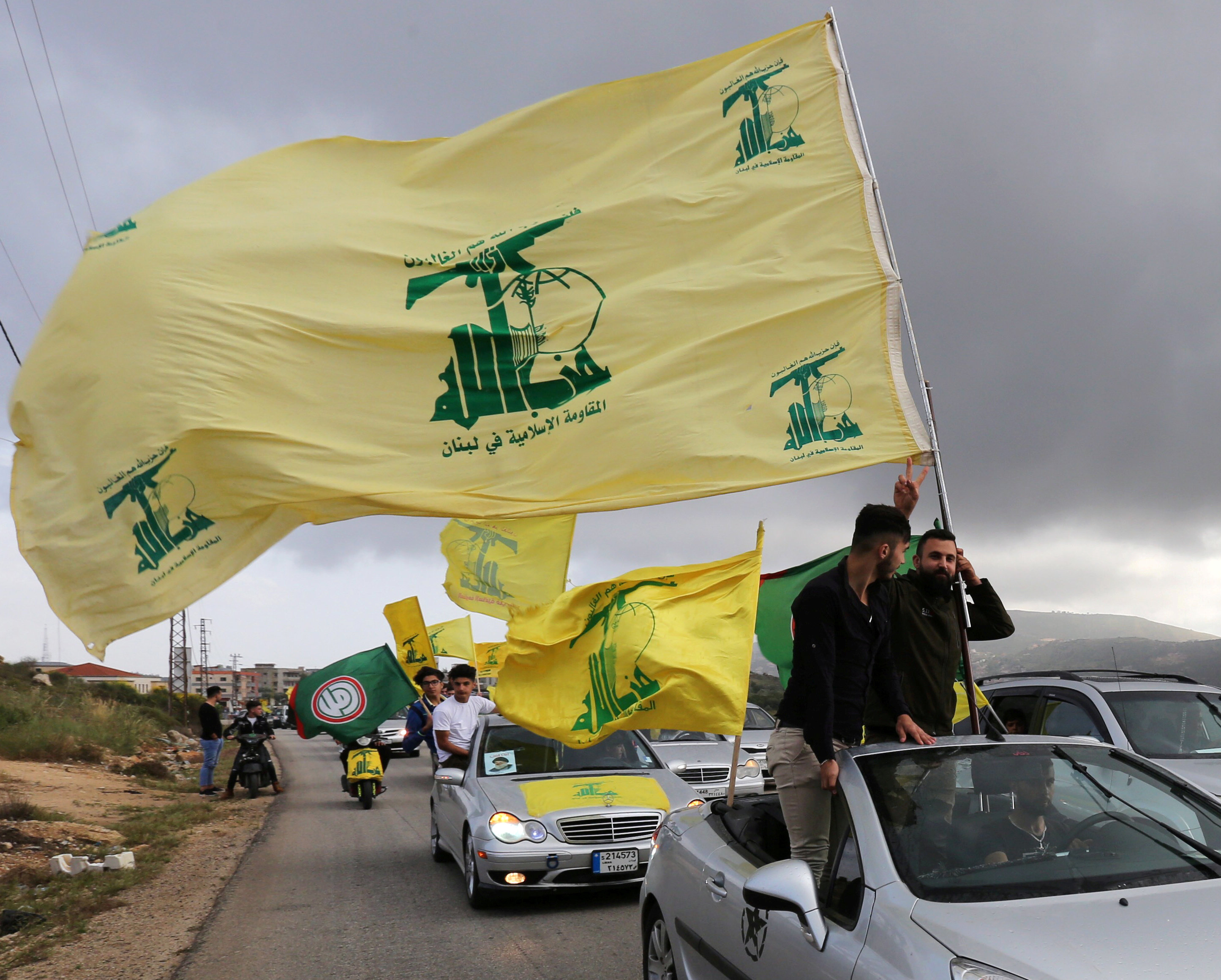
Under the ban, Britons that support Hezbollah could face up to 10 years in prison, including those who wave Hezbollah flags at the anti-Israel Al-Quds Day march on June 9. The ban will require approval from parliament, which is expected to vote in favor of the measure on March 1.
Israeli Ambassador to the United Nations Danny Danon lauded the move, stating that there was no real distinction between Hezbollah’s political and military wings since “both are controlled and supported by Iran. We will continue to lead the struggle for the Security Council to recognize Hezbollah as a terrorist organization, and mobilize the international community against it, as it serves as an arm of Iran to spread Tehran’s aggression,” he said.
According to Nathan Sales, who heads the State Department’s counterterrorism bureau, Iran annually provides around $700 million annually in aid to Hezbollah.