At 6:30 a.m., I was walking toward Sha’ar Rafael, the synagogue on Boulevard Pasteur, the central drag in downtown Tangier.
It is the last synagogue in this
community of fewer than 100 Jews, the last one left in this Northern Moroccan port city that at its zenith housed 22 synagogues, had 100 cantors and 50 kosher butchers.
The city was still sleeping; few people were out. The cafés were open, men were sitting at sidewalk tables looking toward the street; veiled women were wearing jalabiyas and hurrying on their errands and a few older Jews were going to Selihot services. As I crossed the street, I met Rabbi Avraham Azancot, president of the Tangier community hurrying up the synagogue steps.
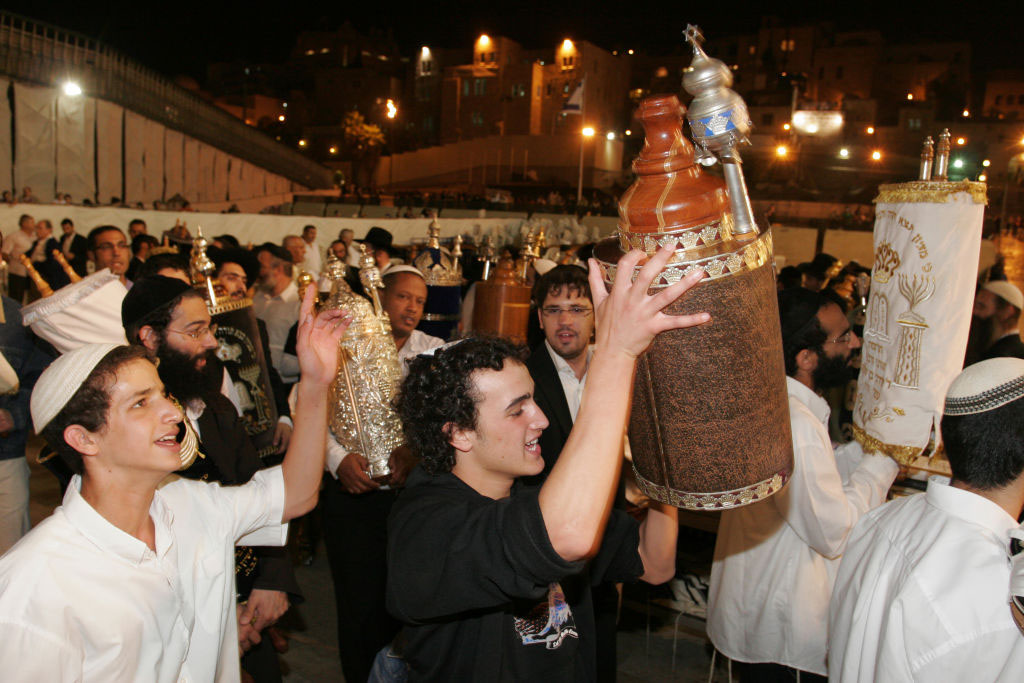
I am in Morocco for five months on a Senior Fulbright award from the State Department and the Moroccan government, researching Judeo-Spanish songs from Northern Morocco for their connection to liturgical poetry and kabbalistic practices. I arrived just two weeks ago and have installed myself in Tangier. Selihot, led by Rabbi Azancot, was very moving, with a piercing shofar that brought tears to my eyes. Later, over breakfast of homemade bread, argan oil and biscuits with coffee, Rabbi Azancot described for me the particulars of the Tangerine community’s prayers for the High Holy Days, especially Rosh Hashanah. The Achot Ketana, a piyyut (liturgical poem) welcoming the new year and sending off the old, follows a different order in Tangier than in the traditional prayer book: They sing Achot Ketana first, then the psalm for Rosh Hashanah and finally the Kaddish, to maintain the integrity of saying Kaddish over the holier text, which is the Psalm.
Some of the siddurim, published in Livorno, have both Rosh Hashanah and Yom Kippur prayers together; full of piyyutim sung with Andalusian melodies. Listening with Western ears, the music sounds Arabic, but this music was brought to the communities of Tangier and Tetouan by the Jews exiled from Spain — with lilting melodies, counter rhythms and many flourishes.
The first wave of Spanish Jews came to Morocco after the riots of 1391, and the larger group came during and after 1492. The expulsion brought scores of people, and later others followed who had thought a nominal conversion to Catholicism could be an easy solution to the persecution but then learned otherwise. Many of them moved to these communities in the North of Morocco, returning to Judaism. The community that predates the Spanish Jews has been here since the time of the First Temple.
” target=”_blank”>Vanessa Paloma sings and plays harp with the Los Angeles-based Sephardic/Ladino (Judeo-Spanish) Folk Music group, Flor de Serena (Siren’s Flower).