Violence rests heavy in the mythological and religious womb of our civilization. The first murder happens just verses after Adam and Eve leave the Garden of Eden. According to legend, Cain was stunned after he struck and killed Abel, as death had not yet inhabited the world. He was literally at a loss as to what to do. The birds taught him about how to bury the body.
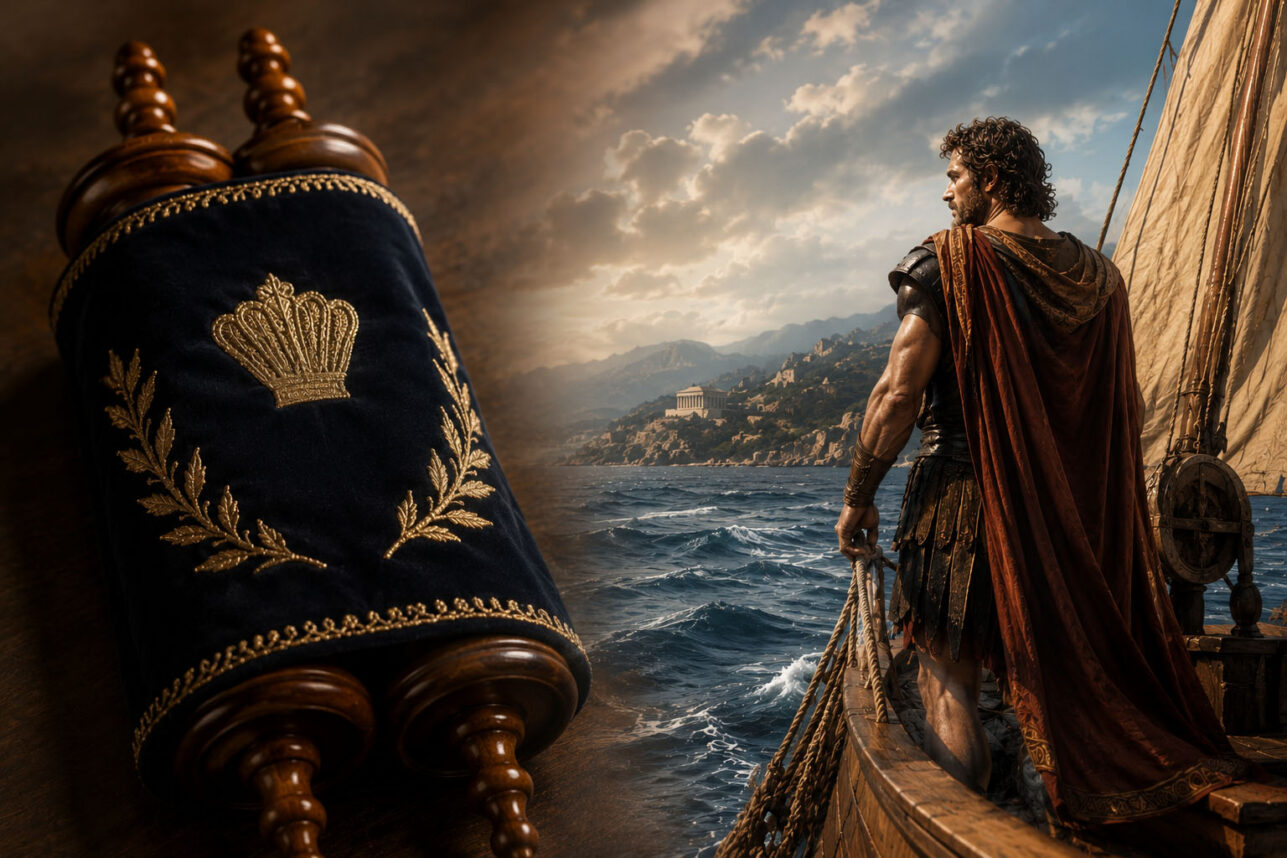
Violence has never left us from that wayward moment. However, our biblical religions do not glorify the violence. When God commanded Israel to build a Tabernacle so that God might rest amongst the people Israel, part of the package was that the altar would not be hewn with metal. Metal brought death in the form of swords and the altar was a symbol of life. Death would not bring life. If a priest fought in a war, even a commanded war, a righteous conflict, he was forbidden to do the Temple service if he had taken life. King David was not allowed to build the Temple because his hands were bloodied.
The Torah might sanction war and violence in limited cases (self defense, perhaps), however even sanctioned violence is not glorified. Extinguishing the life of a person, even an enemy, even a bad person, is still an act of evil.
The Rabbinic tradition transvalued the warriors into Sages who fought on the battlefield of Torah study. “Who is the hero? The one who triumphs over his will.” The 3rd century mishnah debated the symbolic meaning of the machinery of death. While there is a lone opinion that weapons are a man’s decoration, Sages say that weapons are a disgrace to a person. They call on Isaiah, beating swords into plowshares, and spears into pruning hooks.
Yet we are also heir to civilizations which glorify the warrior, which laud the hero with the sword, the battle axe, and later the gun. The macho and often racist mythology of the lone gunslinger whether in a mythical west or a combat zone in Europe, Japan, Vietnam, and more recently America, created the American version of the medieval warrior. This legend of weaponized individuality, cowboyed autonomy (“yippee kay yo”) raised the rifle to iconic status.
We live at a bad moment in the arc of history for us to be embracing these myths and continuing to survive. When the smiths in the middle ages figured out how to forge steel swords, the weaponry of death became much more lethal, since the metal was no longer brittle. However, all this was nothing compared to the death that could be sown with the invention of gunpowder, then guns, repeating rifles and revolvers, and then machine guns in their various types. To our great bad fortune, the aura of the warrior carried over to the poor shlub who wielded an automatic weapon which could spray random death at a distance of a football field.
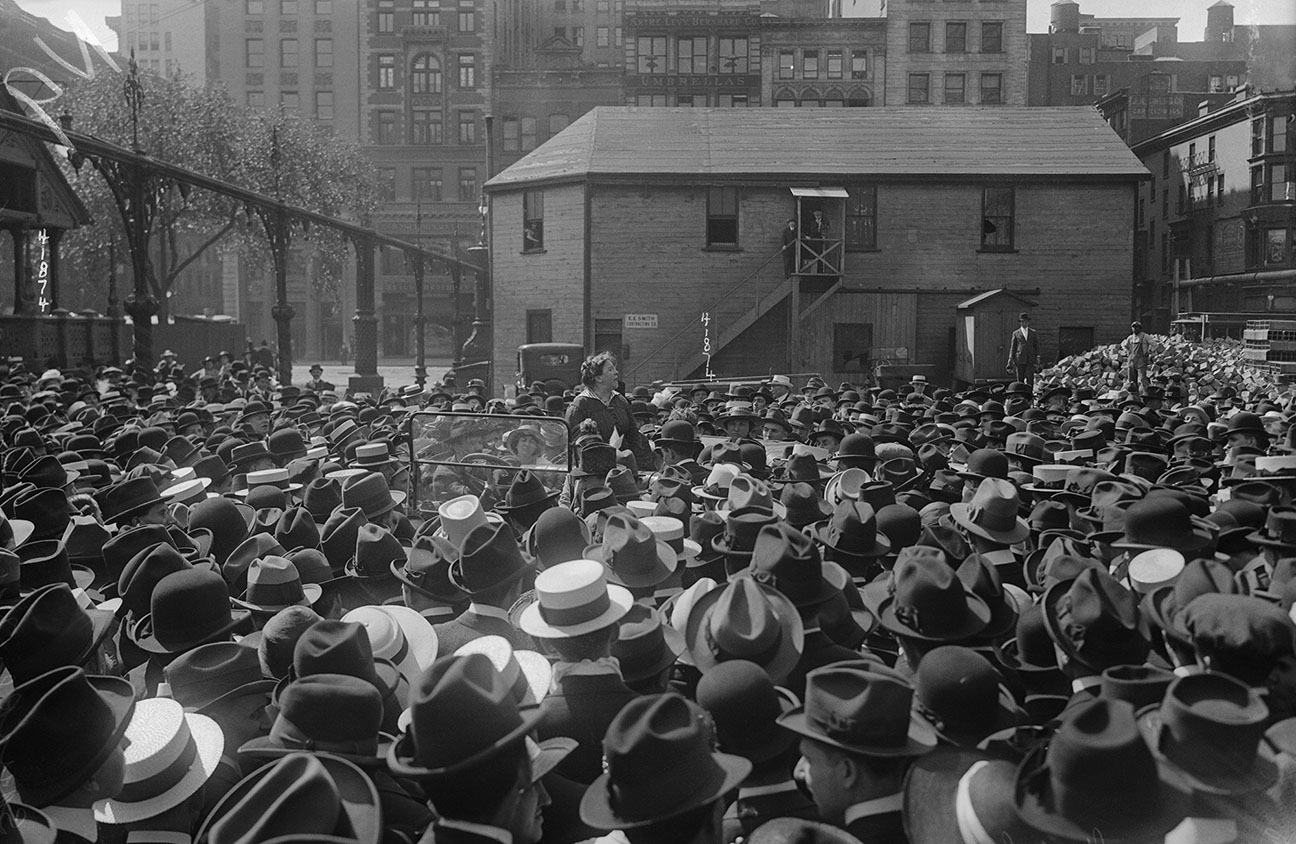
And so it is up to us to once again choose life. What is called for at this moment is a new Right to Life movement. A movement that does not fetishize the machinery of death in the name of a misguided masculinity or a corrupted culture. The machinery of death is now produced by a vast industry which profits from a product whose only use is the destruction of life. It is up to us to take the streets, the culture and this country back from the death-industrial complex.
In a week when ” target=”_blank”>governer of Arizona declared it illegal to destroy guns, even those that were bought back by the state; in this week when again ” target=”_blank”>Call your Representatives, take to the streets to protest outside the NRA’s branches, read the names of thousands of victims of the NRA’s war on America outside gun shows, and gun plants. This is the moment and we are called on to seize it.