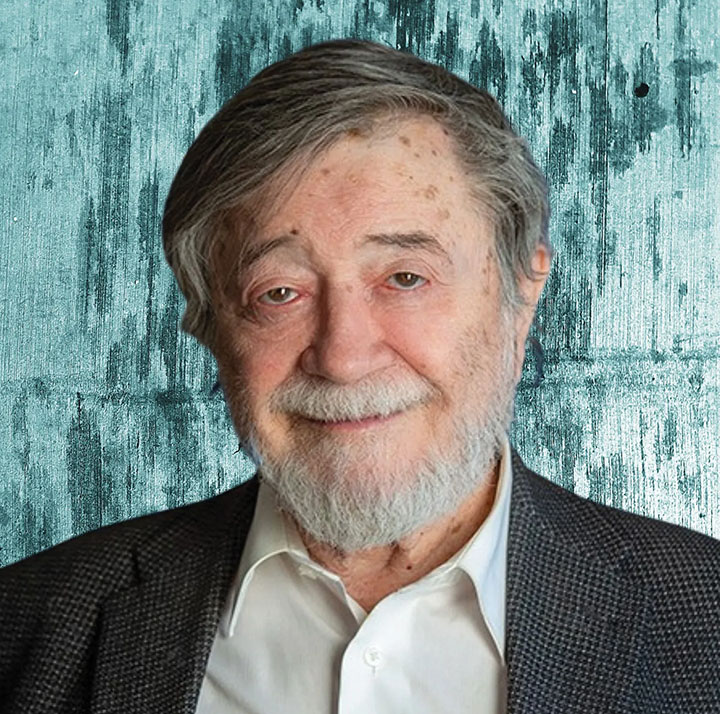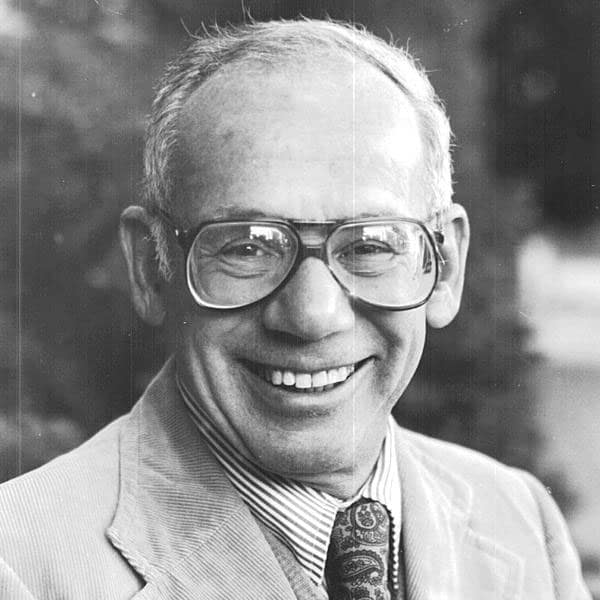
Dr. Gary J. Schiller is an associate professor at UCLA, so perhaps it is not surprising that the new chairman of the Los Angeles Museum of the Holocaust puts education and research at the top of his agenda.Schiller’s accession also marks a generational change. The son of a Buchenwald survivor and professionally a hematologist and oncologist at the UCLA Medical Center, he is the first member of the “second generation” to lead the museum on Wilshire Blvd.
The generational succession was met with some resistance by the Jewish Federation, which supports the museum, says Schiller, but it was ultimately the Holocaust survivors themselves who insisted that it was time for their children to take on leadership roles.During most of the 1990s, Schiller served as president of Second Generation, an organization for children of Holocaust survivors which, at 1,000 members, he believes to be the largest group of its kind in the United States, if not the world.
Long overshadowed by the Museum of Tolerance, the Museum of the Holocaust has raised its public profile during the past couple of years under energetic leadership and since moving into its own quarters outside the Federation building.
In education, Schiller plans to build on the museum’s strong outreach to high school classes, which are daily visitors, including large contingents of Latino and African-American pupils.In both education and research, Schiller wants to expand the already close relationship with the U.S. Holocaust Memorial Museum in Washington and Yad Vashem in Jerusalem by accessing their computer databases and bringing in special exhibits.
Currently, the museum is hosting a month-long exhibit, “Polluting the Pure,” in cooperation with Germany’s Goethe Institut.
Along the same line, Schiller wants to raise the museum’s academic profile through its links with the UCLA Center for Jewish Studies and the university’s “1939” Club Chair in Holocaust Studies.In another cooperative venture, Schiller hopes for a merger between the museum and the Los Angeles Holocaust Monument in nearby Pan Pacific Park, already a frequent pilgrimage site for the museum’s high school visitors.
Schiller is quite definite about what he doesn’t want the museum to do.”An institution commem-orating the Holocaust shouldn’t become a theater,” he says. And, in a barely disguised dig at the Museum of Tolerance, he adds, “I don’t think we should sponsor political debates or enter a float in the Rose Bowl parade.”