When I was a teenager, my friends and I used to laugh at the public service announcements that played nightly on television, back in the day of legal youth curfews: “It’s 11 p.m. Do you know where your children are?”
As Shabbat Nachamu, the “Sabbath of Comfort,” drew to a close on Aug. 1, 2009, a group of Israeli teens gathered, as they often did, as a support group in their homey gathering spot at the LGBT youth “Bar No’ar” drop-in center, a place for gay, lesbian, bisexual, transgender youth in Tel Aviv. Around 11 p.m., a masked gunman entered and opened fire. Two were murdered — the teens’ 26-year-old mentor, Nir Katz, and Liz Trobishi, not quite 17 — and at least 15 other young people were wounded, several critically.
One can easily imagine sad story after sad story from the shooting of teenagers in the very place they came to for safety, especially when we hear that some of the families of the teens were shocked to discover where their children were. But of all the stories, one verges on the unimaginable: One parent was so dismayed, he had not yet visited his child in the hospital, even days after the shooting.
In the Torah portion this week, Re’eh, there is a famous passage about giving to the poor. Moses says to the assembled Israelites:
“If there is a needy person among you, one of your kinspeople in any of your settlements in the land that God is giving you, do not harden your heart and shut your hand against your needy kinfolk. Rather, you must open your hand and lend your kin sufficient for their needs…. Give to your kin readily and have no regrets when you do, for in return God your God will bless you in all your efforts and in all your undertakings. For there will never cease to be needy ones in your land, which is why I command you: open your hand to the poor and needy kinsperson in your land” (Deuteronomy 15:7-11).
Generally understood to be about tzedakah, about helping the poor who need financial or material help, perhaps we could and should also understand evyon (needy) to include emotional needs. “Do not harden your heart and shut your hand against your needy kinfolk. Rather, you must open your hand and lend your kin sufficient for their needs….”
The rabbis engage in long discussions about what “sufficient for their needs” means. Not more, not less than the manner to which they are accustomed, some say (see discussion in Babylonian Talmud Ketubot 67b). LGBT youth, and those questioning their orientations, may not be accustomed to very much. LGBT teenagers are certainly not the only ones who shy away from talking openly and honestly about themselves to their parents. But parents who talk to their children, who ask their children about themselves, who lovingly inquire who their children are in addition to where they’ve been, and who accept — even embrace — their children, no matter the answers to their questions, could go a long way toward offering their children an open hand and an open heart.
Indeed, how often do we turn away from our relatives or friends or associates when they need our support? How often do we offer criticism when they need acceptance? How often do we offer silence when they need a kind word? How quick are we to make judgments — about how they’re living their lives, or spending their money, or interacting with others? And how often do we do the same to ourselves — how often are we self-critical, harsh, judgmental of ourselves?
How often are we hardhearted and critical to others and to ourselves when we ought to be softhearted and accepting?
“Perhaps this terrible day can be a turning point…. It is true, we do not yet know who the murderer is and what his motives were. But we do know that there was hate here…. We must all ask ourselves whether we have truly done enough to prevent incitement and derision,” Kadima leader Tzipi Livni said.
Can we do it, do you suppose? Can we all ask ourselves — and honestly answer — Livni’s call for introspection? More importantly, can we discover how to do more, how to do enough?
The month of Elul begins next week and with it begins our season of introspection and turning. Can we learn to open our hearts and our hands … to lend support where it is needed? Offering a shoulder for others to cry upon, rejoicing in the joy of others, giving freely of our prayers and our blessings to our kinfolk as we journey together toward another year? Can we do it?
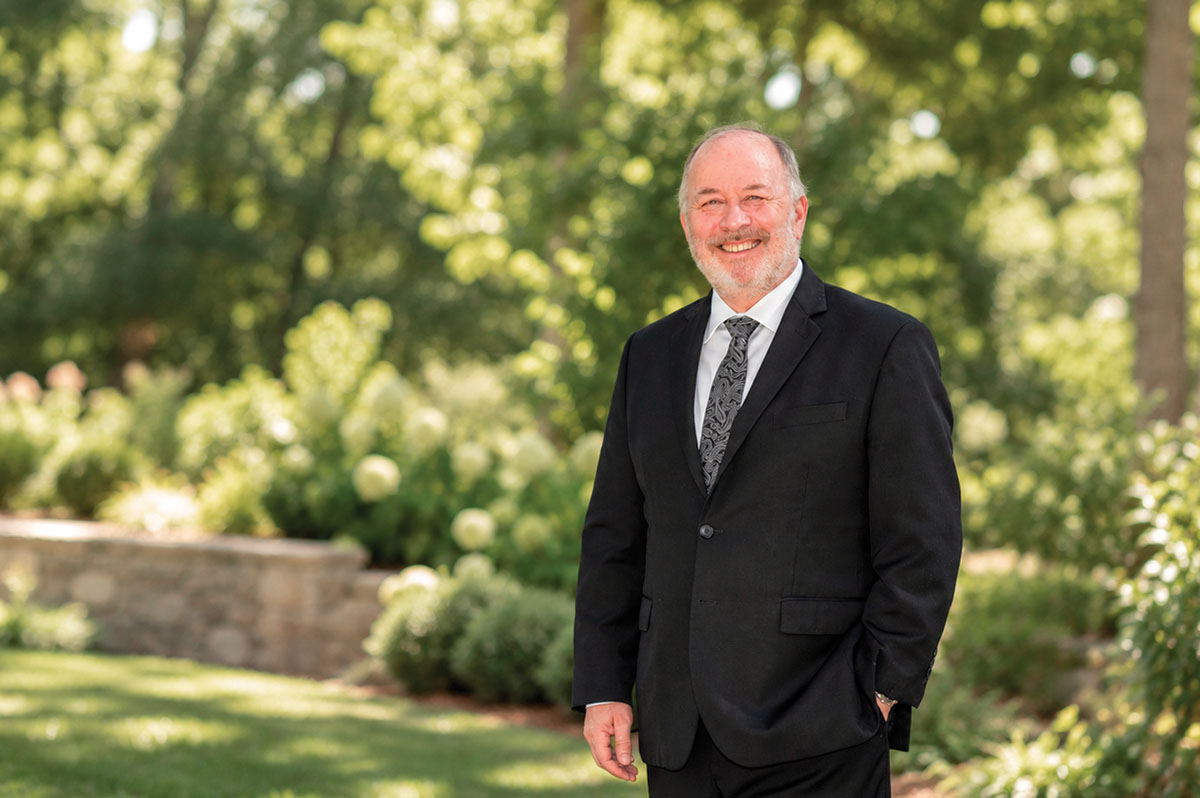
Lisa Edwards is rabbi of Beth Chayim Chadashim, a Reform synagogue in West Los Angeles, online at