By design, the sukkah is a temporary structure. For one full week, we are commanded to live in makeshift huts, leaving behind the "solid" comforts of home. As if the message of the High Holy Days weren’t strong enough — that life is exceedingly fragile and temporary — Sukkot follows four days later, to underscore and repeat the point. The sukkah itself reflects life’s impermanence and fragility. But never has life’s impermanence and fragility been more vividly portrayed than it has these past three weeks.
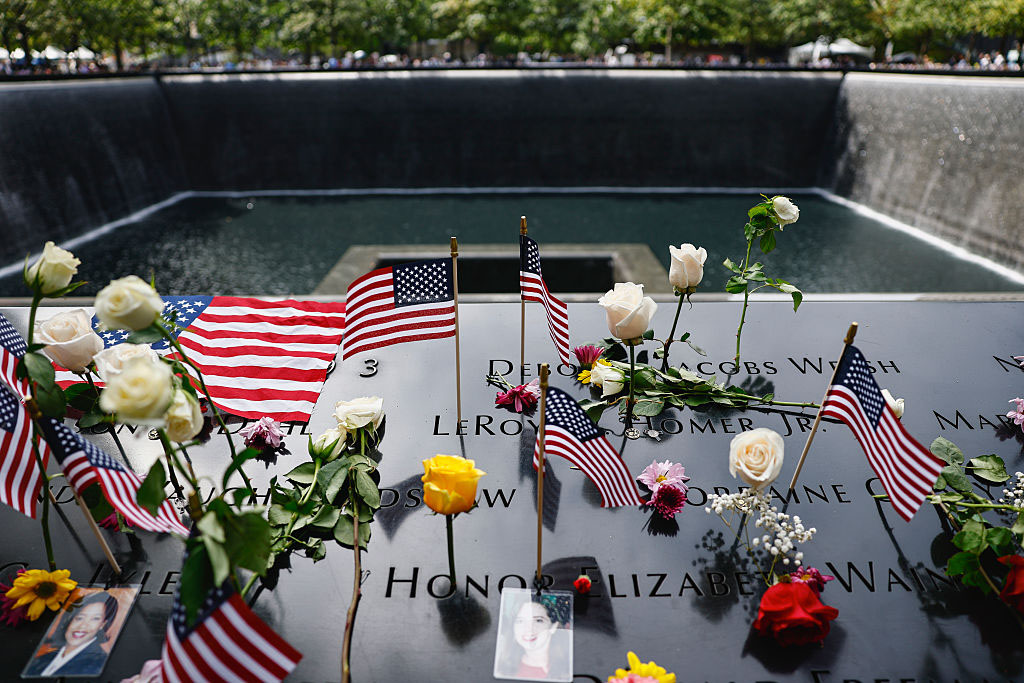
We take so many things for granted in our lives, not realizing how transient they are. Appropriately, Helen Keller would often ask people what they would care to see if they knew they’d be blind in three days. Until ill, we take health for granted. Until unloved and rejected, we take love and acceptance for granted. Until September, we took freedom, security and normalcy for granted — let alone our appreciation of, and respect for, America.
Sukkot teaches us to view the world differently; it teaches us to value every waking moment of our lives. In connection with the holiday’s theme, the physical appearance of the sukkah will have invariably changed seven days later. The crisp, green foliage that had covered its ceiling will have yellowed and shriveled. The change will, seemingly, suddenly appear in front of our eyes.
Unless traumatic or abrupt, most changes in life occur gradually, taking months, if not years, to realize. Sukkot teaches us that change is inevitable. Of course, not all change is bad. Sometimes change makes us better, both personally and nationally; it makes us grow and reevaluate what we have and who we are.
Understandably, we want our lives to return to the way they were prior to Sept. 11. We want to live in a world where goodness prevails, and peace is shared by all — a world where evil is aggressively isolated and removed.
Over time, the sukkah has become associated with peace. Every Friday night, for example, we welcome the Sabbath with the declaration: "Spread over us your sukkah of peace." Why? What is so special about the image of the sukkah? Abraham Isaac Kook, the early 20th century rabbi and mystic, offers one possible answer. He argues the sukkah need not be perfect. According to Jewish law, you don’t need four walls. What’s more, the walls don’t have to reach the ground; they can be made of almost any material, and any color.
Like the sukkah, peace can never exist if we insist on it being perfect. The only perfect peace is in the grave!
Like the sukkah, peace is extremely fragile; a sudden wind can blow, threatening its very foundation. So, this New Year, as we sit in our sukkot in fulfillment of the holiday, let us pray for peace. But, at the same time, let us also pray for justice, for peace cannot truly exist, let alone flourish, without it.