Shelach Lecha is a turning point in the Israelites’ story. Only a year out of Egypt, the Israelites make their way from Mount Sinai and head toward the Promised Land. It’s not far — they could cover the miles in a few days. In fact, some of them do.
At God’s suggestion, Moses sends 12 scouts into the Promised Land: “See what kind of country it is. Are the people who dwell in it strong or weak, few or many? Is the land in which they dwell good or bad?” (Numbers 13:18-19).
After 40 days, they return, saying, “We came to the land you sent us to; it does indeed flow with milk and honey. … However, the people that dwell in the land are fierce, and the cities are fortified and very large” (Numbers 13:27-28).
Although Caleb, one of the scouts, immediately said, “Let us by all means go up …” (Numbers 13:30), as soon as the people heard the dire report from 10 of the 12, they despaired, especially when the scouts added: “The country we traversed and scouted is one that devours its settlers. All the people are men of great size … we looked like grasshoppers to ourselves, and so we must have looked to them” (Numbers 13:32-33).
Isn’t it amazing how spin can influence an audience? Especially when people listen in a crowd, influenced by those around them. Especially when the speaker builds on fear.
Last week, in the aftermath of the mass murder in Orlando, Fla., NRA supporters again argued that gun control laws won’t stop a madman. But what might have happened if the shooter had not been able to legally purchase a semi-automatic “assault” rifle?
And what would the shooter have thought about LGBT people if he hadn’t grown up hearing religious people condemn us, nor watched current lawmakers try to take away our rights? For although the shooting is the worst of recent attacks on LGBT people, the United States has seen a rash of anti-LGBT legislation and court rulings since the Supreme Court paved the way for marriage equality in June 2015.
And even in the wake of the worst mass shooting in U.S. history, the Senate still couldn’t pass any of the four pieces of legislation offered it to limit gun ownership and sales.
In this week’s parsha, God — furious at the 10 scouts and at the people’s fear and lack of faith — condemns the 10 scouts to death and the Israelites to 40 years in the wilderness. Only when the first generation dies off may they enter the land God promised.
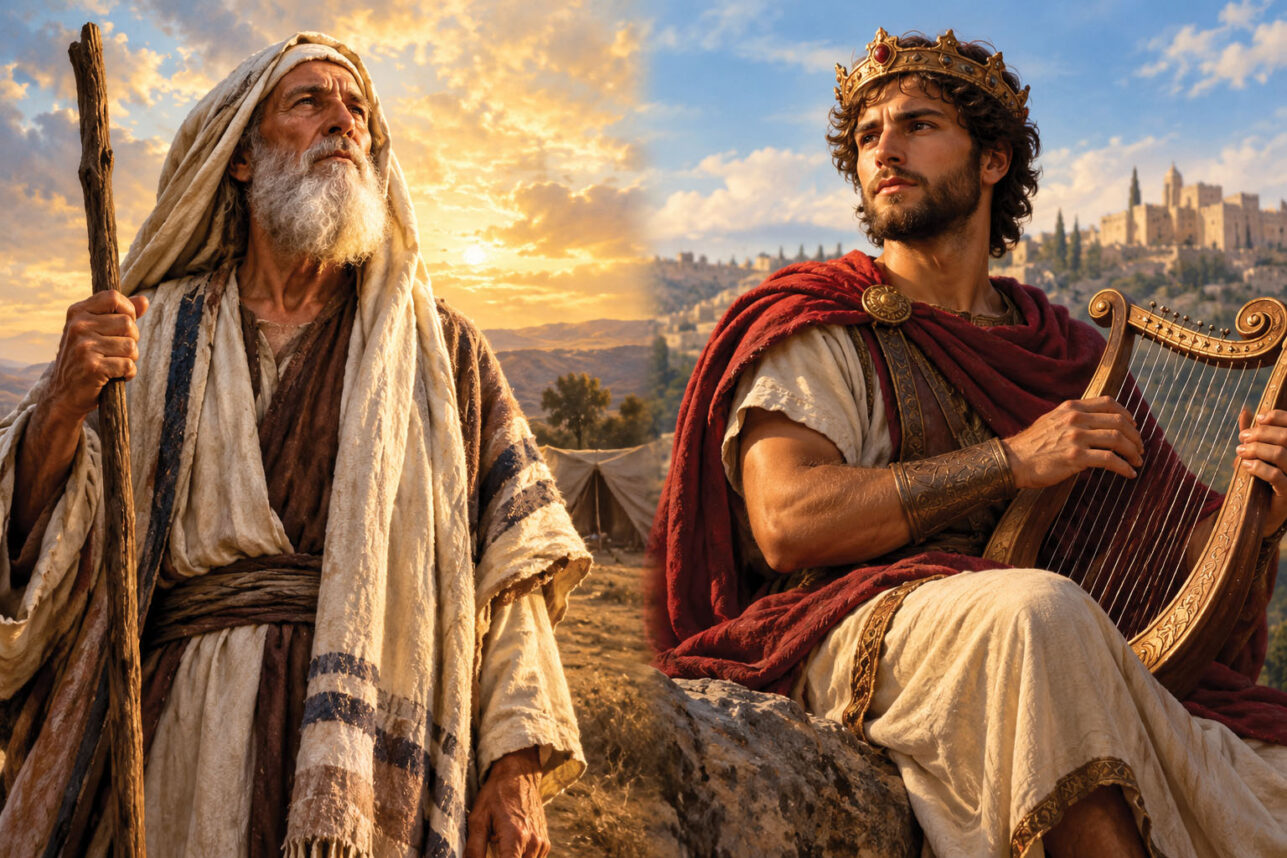
And what of the two optimistic scouts, Joshua and Caleb? Even though they saw what the others saw, their report urges the people toward faith: “God is with us. Have no fear of them!” (Numbers 14:9). God approves of Caleb, calling him “imbued with a different spirit (ruach acheret)” (Numbers 14:24), and Joshua becomes successor to Moses. For their faith and their willingness to speak up, Caleb and Joshua — alone among their generation — survive the 40 years and enter the Promised Land.
The midrash ponders something else: Surely some of the people believed Joshua and Caleb, even if they did so silently. Why were those people also condemned to die in the wilderness? Its answer suggests God wanted them to speak up, not remain silent (B’midbar Rabbah 16:23). Thus, long ago and still today, Judaism teaches the imperative of speaking out when one disagrees, and the dangers of silence in the face of wrongdoing. Perhaps the ruach acheret that God imbued in Caleb is moral courage.
This weekend brings us the celebration of our nation’s independence. It also brings the anniversary of the three-day Battle of Gettysburg (July 1-3, 1863), notable not only for its bloodiness (51,000 dead, wounded or missing), but also, of course, for Abraham Lincoln’s Gettysburg Address, delivered on that battlefield four months later.
The Orlando shooting, the stalemate in Congress, the story told in this week’s Torah portion and this strange 2016 presidential campaign all cast a new poignancy on Lincoln’s words: “Now we are engaged in a great civil war, testing whether that nation, or any nation so conceived and so dedicated, can long endure. We are met on a great battlefield of that war.”
It’s never too late to take a lesson from the moral courage of Caleb and Joshua, who spoke out when all around them felt fearful and faint of heart. On this Independence Day 2016, it’s not too late to let Abraham Lincoln remind us where we came from, where we are now, and our vision of an America we have yet to reach.
Rabbi Lisa Edwards is senior rabbi of Beth Chayim Chadashim, today an inclusive L.A. congregation founded in 1972 as the world’s first lesbian and gay synagogue.