I began my career as a Jewish educator one summer at Camp CHI, a retreat center and camp in Wisconsin sponsored by the Jewish Community Centers of Chicago. I was the Jewish educational specialist and assigned the task of creating a meaningful Tisha b’Av observance for children of all ages. I vividly recall the campers and their counselors descending upon an expansive field where we had set up “stations” to reflect the sadness and solemnity of the day. One station featured a music specialist playing a mournful melody on his guitar. A counselor read a plaintive story about communal loss at another station.
The station I was proudest of was an arts and crafts project in which small groups of campers built and decorated four ornate walls, which were glued together to form a miniature Temple. A staff member proudly held aloft the kids’ creation, after which he set the display on fire to simulate the burning of the ancient Temple in Jerusalem. The goal was to instill feelings of mourning and grief in our young charges. Instead, they cheered and clapped as their little Temples succumbed to the flames. On that fateful day this nascent Jewish educator learned a valuable lesson about children and pyrotechnics.
I learned another critical pedagogical lesson much later in my rabbinic career. Tisha b’Av suffers from low ratings due to its placement on the Jewish calendar. If you haven’t heard much about Tisha b’Av, you’re not alone. Since it falls during the summer, and lacks the color and pizzazz of other Jewish holidays such as Hanukkah and Passover, Tisha b’Av is in many respects a lonely Jewish holy day. If your children or grandchildren attend a Jewish summer camp, they’ve probably “done” Tisha b’Av (hopefully sans flaming arts and crafts dioramas). For the rest of us, Tisha B’Av remains relatively quaint and obscure on the roster of Jewish holidays and holy days.
So what is Tisha b’Av? It is the saddest day on the Jewish calendar. Tisha b’Av and Yom Kippur are the only two full fast days we observe each year. Tisha b’Av commemorates numerous tragic events in Jewish history, chief among them the destruction of both the first and second Temples in Jerusalem. Traditional Jews observe Tisha b’Av by abstaining from food and drink and participating in services when the Book of Lamentations and special kinot (“elegies”) are chanted. It is a somber day of prayer, mourning and reflection on the themes of nationhood and communal identity.
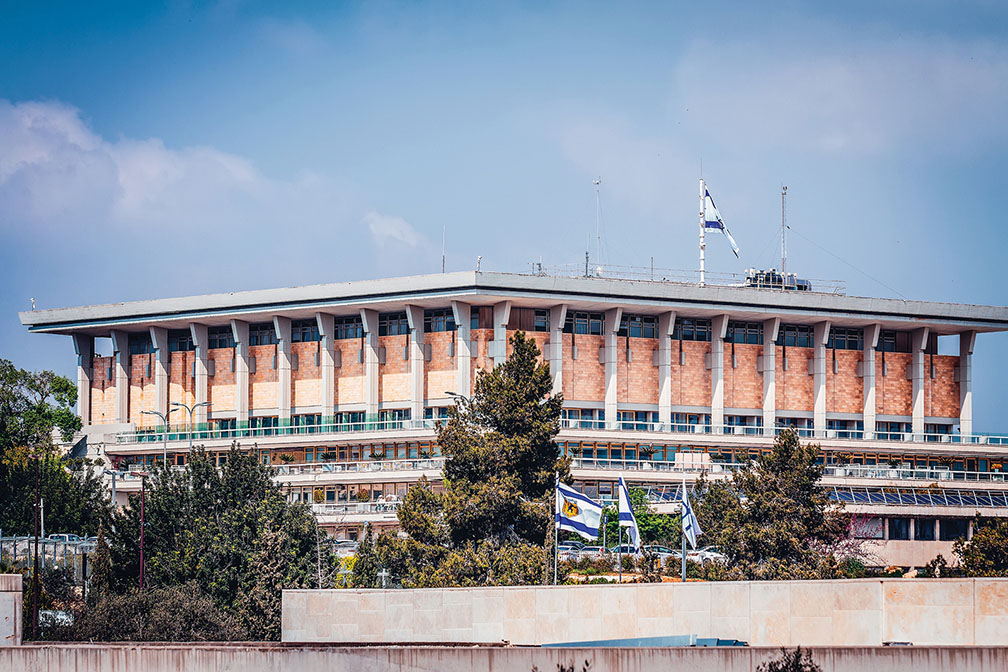
With the creation and flourishing of the modern state of Israel, many have questioned the efficacy of Tisha b’Av in contemporary Jewish life. After all, why mourn the destruction of the Temple with a strong and vital Israel and a reunified Jerusalem? For that matter, why mourn the destruction of the Temple when its demise led to the democratization of Jewish life and the establishment of vibrant Jewish communities in the Diaspora? Are we really comfortable praying for the restoration of animal sacrifices in a rebuilt third Temple (think PETA and a public relations disaster of epic proportions for Israel and the Jewish people)?
Perhaps my campers in Wisconsin were wise beyond their years when they applauded the destruction of their mini Temples. More likely, they were young pyromaniacs who appreciated the adage, “Burn baby, burn!” I don’t know if any of them do Tisha b’Av as adults or even if they recall this lonely day in the middle of the summer. I for one will mark the day in traditional fashion and search for answers to challenging questions about how and why we continue to do Tisha b’Av.
Rabbi Mark S. Diamond is Executive Vice President, The Board of Rabbis of Southern California, The Jewish Federation of Greater Los Angeles. He can be reached at BoardofRabbis@JewishLA.org.