fbpx

Rosner’s Torah-Talk: Parashat Sh’mini with Rabbi Gordon Tucker

[additional-authors]
March 21, 2014

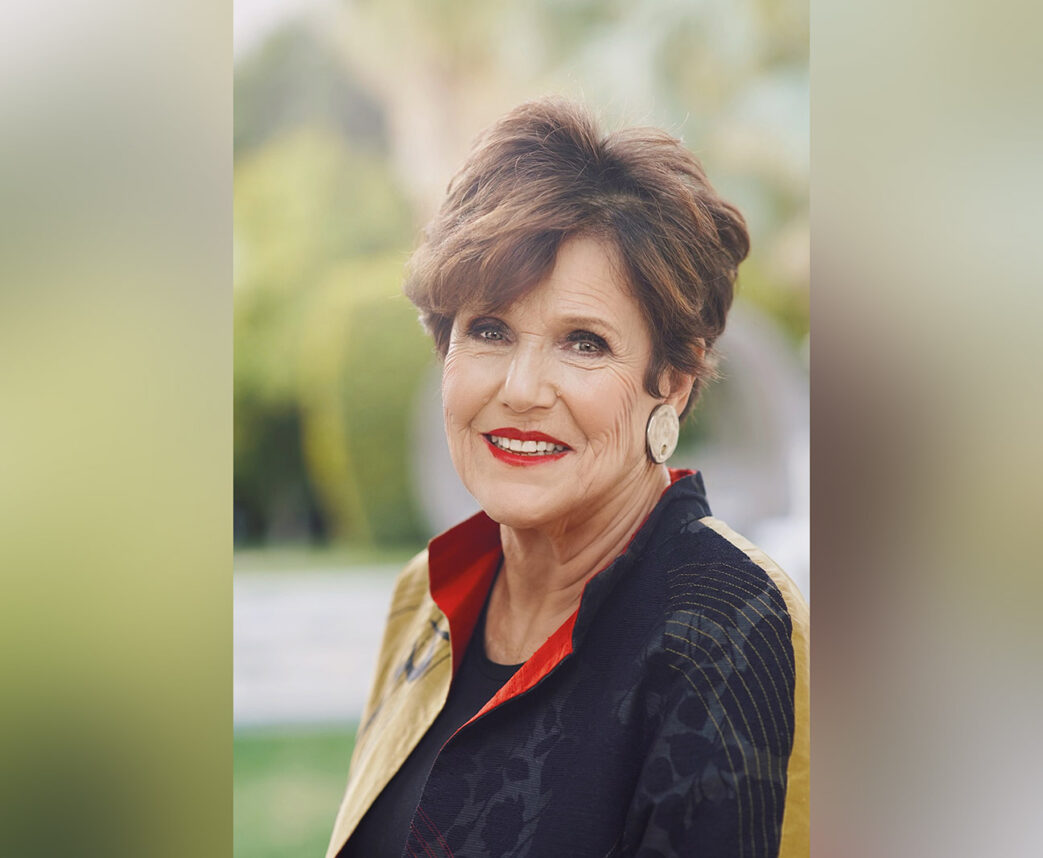
Our guest this week is Rabbi Gordon Tucker, Senior Rabbi of the Temple Israel Center in White Plains, NY. A native of New York City, Rabbi Tucker holds the A.B. degree from Harvard University and a Ph.D. (in Philosophy) from Princeton University. He was ordained a Rabbi in 1975 by The Jewish Theological Seminary of America (JTSA). Rabbi Tucker joined the faculty of JTSA in 1976 and has taught there continuously ever since. From 1984 to 1992, he was Dean of the Rabbinical School at JTSA, in which capacity he directed the training of over 200 rabbis. He is Honorary Chairman (and former Chairman) of the Board of the Masorti Foundation for Conservative Judaism in Israel, and served on the Committee on Jewish Law and Standards of the Rabbinical Assembly from 1982 to 2007. Rabbi Tucker is the author of numerous articles on a wide range of subjects in Jewish thought.

This Week's Torah Portion – Parashat Sh'mini (Leviticus 9:1-11:47) – features the story of the death of Aaron's two eldest sons after they offer 'a strange fire' before God, as well as laws concerning Kashrut and rituals of purity. Our discussion focuses on the fascinating dialogue between Moses and Aaron following Aaron's tragedy, a dialogue in which Moses, the prophet, seems to take a more “priestly” view of things, while Aaron, the priest, seems to take a more “prophetic” one.


 

Did you enjoy this article?
You'll love our roundtable.

Editor's Picks

Latest Articles

Who Knows?

When future generations tell your story and mine, which parts will look obvious in hindsight? What opportunities will we have leveraged — and decisions made — that define our legacy?

You Heard It Here First, Folks!

For over half a decade, I had seen how the slow drip of antisemitism, carefully enveloped in the language of social justice and human rights, had steadily poisoned people whom I had previously considered perfectly reasonable.

Trump’s Critics Have a Lot Riding on the Iran Conflict

Their assumptions about the attack on Iran are based on a belief in the resilience of an evil terrorist regime, coupled with a conviction that Trump’s belief in the importance of the U.S.-Israel alliance is inherently wrong.

Me Llamo Miguel

With Purim having just passed, I’ve been thinking about how Jews have been disguising ourselves over the years.

The Hope of Return

This moment calls for moral imagination. For solidarity with the Iranian people demanding dignity. For sustained support of those who seek a freer future.

Stranded by War

We are struggling on two fronts: we worry about friends and family, and we are preoccupied with our own “survival” on a trip extended beyond our control.

Love Letters to Israel

Looking around at the tears, laughter, and joy after two years of hell, the show was able to not just touch but nourish our souls.

Neil Sedaka, Brooklyn-Born Hit-Maker, Dies at 86

Neil Sedaka was born March 13, 1939 in Brooklyn, New York, the son of Mac and Eleanor Sedaka. His father was Sephardic and his mother Ashkenazi; Sedaka was a transliteration of the Hebrew “tzedakah.”

Letter to the UC Board of Regents on Fighting Antisemitism

We write as current and former UC faculty, many of us in STEM fields and professional schools, in response to the release of When Faculty Take Sides: How Academic Infrastructure Drives Antisemitism at the University of California.

Shabbat in a Bunker

It turned out that this first round of sirens was a wake-up call, a warning that Israel and America were attacking – so we could expect a different day of rest than all of us had planned.

More news and opinions than at a Shabbat dinner, right in your inbox.