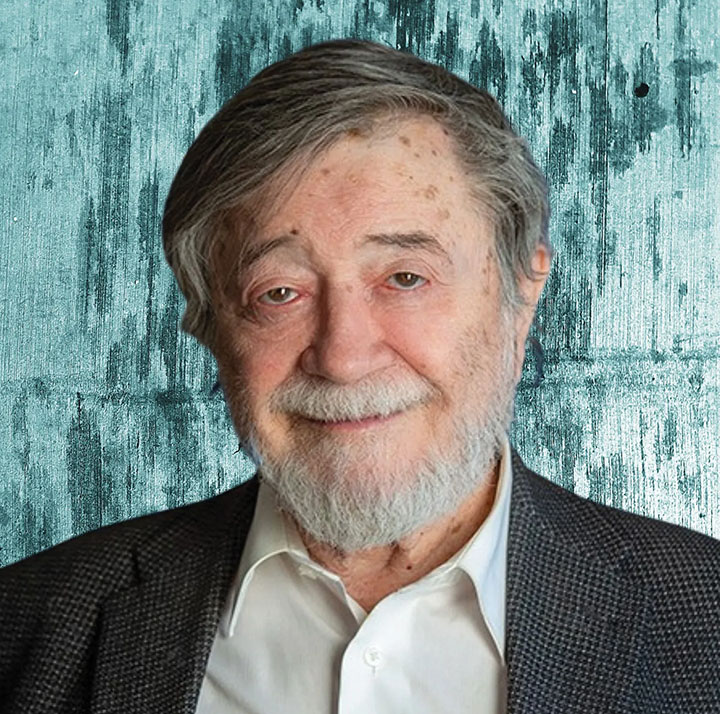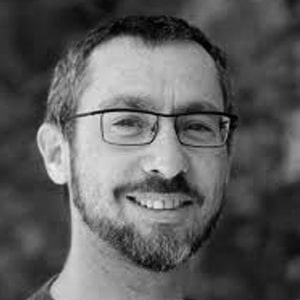
Our special guest today, Rabbi Burton Visotzky, serves as Appleman Professor of Midrash and Interreligious Studies at The Jewish Theological Seminary, where he joined the faculty upon his ordination in 1977. Dr.Visotzky is the Louis Stein Director of the Finkelstein Institute for Religious and Social Studies of JTS, charged with programs on public policy. He also serves as director of the Milstein Center for Interreligious Dialogue of JTS. Dr. Visotzky holds degrees from the University of Illinois at Chicago, Harvard University, and JTS. He has been visiting faculty at Oxford, Cambridge, and Princeton universities, and at the Russian State University of the Humanities in Moscow. He also served as the Master Visiting Professor of Jewish Studies at the Pontifical Gregorian University in Rome.
With Bill Moyers, Dr. Visotzky developed 10 hours of television for PBS. Their collaboration, Genesis: A Living Conversation, premiered in 1996. He also consulted with Jeffrey Katzenberg and DreamWorks for the company's 1998 film, Prince of Egypt. Dr. Visotzky's articles and reviews are published in America, Europe, and Israel. He is the author of 10 books and more than 100 articles and reviews.
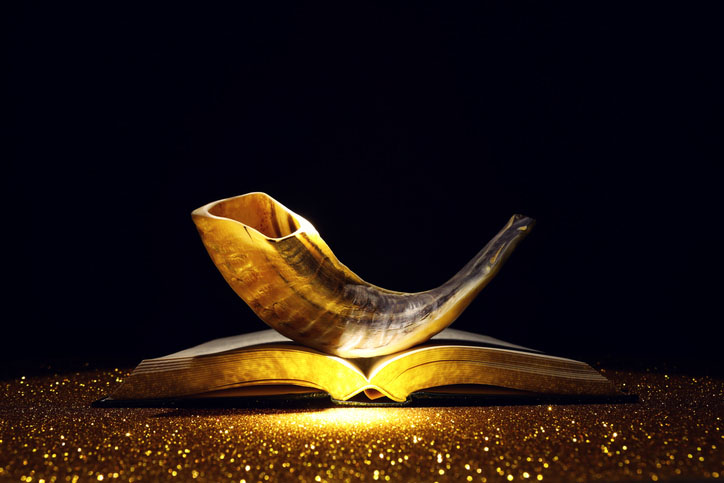
This week's Torah Talk discusses the Yom Kippur readings, the rituals described in the book of Leviticus and their relevance to the modern understanding of atonement.