fbpx

October 30, 2026

Table for Five: Vayera

One verse, five voices. Edited by Nina Litvak and Salvador Litvak, the Accidental Talmudist

And he said, “I will surely return to you at this time next year, and behold, your wife Sarah will have a son.” And Sarah heard from the entrance of the tent, and it was behind him.

– Genesis 18:10


Dr. Rena Selya Cohen

Archivist, Cedars-Sinai; Past President of BDJ

For their entire adult lives, Abraham and Sarah yearned for a child. And for almost their entire adult lives, Hashem made grand but vague promises that they would have children. On four separate occasions, Hashem assures Abraham that he would be a “great nation,” that his children would be “plentiful as the dust of the earth,” and as innumerable as “the stars in the heavens.” Abraham was promised that he would be the father of many nations but was never given any information about when that precious first child would appear, until our verse. 

This verse bursts with particular, joyful news. The angel promises that he will return within a year, and Sarah will have a son. The language is specific and emphatic. The double verb of “shov ashuv” is usually translated as “I will surely return,” but the medieval Spanish commentator Rabbeinu Bachye saw a beautiful emotional valence to the repetition. He explained that “shov ashuv” was not just an announcement of a physical return, but evoked “shuva v’nachat,” where the return accompanies a state of quiet and stillness, a state of serenity that Abraham and Sarah had dreamed of but never known. The angel’s message was the beginning of an emotional transition for Avraham and Sarah, and the magnitude of that transformation was such that he could not deliver it directly to Sarah. Rather, he stood away from the entrance of the tent, giving Sarah the privacy to digest this life-changing news on her own.


Rabbi Bentzion Kravitz

Founder and Jerusalem Director of JewsforJudaism.org

When the angel promised Abraham and Sarah a son by this time next year, joy filled their tent. Yet this miraculous birth carried a profound shadow toward Mount Moriah where Abraham would later face the ultimate test of faith. God commanded Abraham to circumcise his son Isaac eight days after his birth. Thirty-seven years later, God tested Abraham by commanding him to offer his son on Mt. Moriah. Contrary to the prevalent pagan custom, God uses this test to demonstrate to Abraham that the Jewish people must reject human sacrifice and embrace life. The prophet Samuel put it this way, “To obey is better than sacrifice” (1 Sam. 15:22). 

Today, we are witnessing a battle between evil forces that glorify death, and Judaism, which celebrates life. One of the most profound passages in the Torah states, “I have set before you life and death, blessing and curse. Therefore, choose life, so that you and your descendants may live” (Deuteronomy 30:19). Even in the most challenging moments of sacrifice and testing, the enduring covenant remains anchored in the preservation and sanctification of life. 

May we speedily see the day when God will transform the nations of the world and “all of them will call on the name of the Lord and serve Him” (Zephaniah 3:9). Then we will witness the fulfillment of the well-known prayer, “May He who makes peace in his high places, make peace upon us, and on all of Israel – Amen.”


Gavriel Sanders

Spokesman, Be A Mensch Foundation, Jerusalem

 Ironic: The announcement that Sarah will bear a son arrives amid the bustle of hospitality. Abraham runs, Sarah kneads, a meal is prepared and a stranger speaks of an extraordinary future. The setting matters. The promise of Jewish continuity is delivered while Abraham and Sarah are caring for people they do not yet know.

Before Abraham hears that his own future will be secured, he attends to someone else’s present needs. He does not know who these visitors are or what they bring. He sees travelers who could use shade, water and food. That is enough to move him. This is the household from which a covenantal people will emerge: a home where faith becomes something another person can eat, drink, and experience.

Then comes the startling promise: “Sarah your wife will have a son.” After so many years, their future might have seemed settled. Yet Hashem’s announcement opens a possibility that age and experience appeared to have closed. We cannot turn this episode into a formula: offer hospitality and receive a miracle. Abraham’s kindness matters before he knows any blessing is coming. We can, however, learn how to inhabit the space between an unfinished promise and its fulfillment. Keep the tent open. Respond to the person before you. Do the good that is already within reach. We do not know what tomorrow will bring. We remain responsible for what we bring to today. The future of the Jewish people enters the story beside a meal prepared for strangers.


Rabbi Chaim Tureff

Rav Beit Sefer at Pressman Academy and Author of “Recovery in the Torah”

Many times we anticipate things. We can’t wait until that pinnacle moment. We feel we deserve whatever it is. Can we imagine Sarah’s anticipation at 89 years old after desiring to have a child for many years? And on top of that the indignity of her maidservant having a child beforehand. According to many sources and literal text, they had a very contentious relationship. And yet here we are, hearing something that doesn’t seem probable or possible. And this is the mystery of Hashem. Things happening at the exact moment that they’re supposed to happen. We often struggle with the desire to get what we want when we want it. Traditionally, we’re supposed to have faith that Hashem gives us exactly what we’re supposed to have in the moment that we have it. This can trigger many people who are going through difficult things at the moment. Why am I going through this? Why am I in so much pain? If God really loved me, then I wouldn’t be experiencing this. None of us can speak to what other people are experiencing and yet the entire essence of emunah (faith) is that we are exactly where we are supposed to be. This is no easy feat. And yet if we can harness some modicum of emunah and at least try to see the positive in each struggle or challenge and realize that Hashem is in our corner, maybe we will experience life in an entirely new manner.


Rabbi Rebecca Schatz

Associate Rabbi, Temple Beth Am

Two of the same words in our Torah, even in different forms, make the rabbis and readers wonder and question. So, it is not surprising that many of our classic commentators have something to say about “shov ashuv” in this verse. It could mean “surely I will return” or emphasis on the promise of return. However, if we separate the words, imagining the different characters in this verse, could it be that “shov” is for Abraham and “ashuv” is referring to the messenger of God? “And he said, ‘Return! I will return to you next year …” Perhaps the messenger of God is reminding Abraham that for his relationship to succeed with Sarah, and their family to grow, he needs to be with her and not secluded in his own tent welcoming guests and visiting with God.  

Turn back to Sarah, and I will return next year, in which time, because you returned to spend time in this relationship, Sarah will have a son. The Torah would not have told us Sarah was listening if it was not intentional for her to hear. The messenger makes sure that Abraham knows to return to her, because they now both have the instruction from the ultimate marriage counselor to spend more time together. Like Abraham was encouraged to lekh lekha, “go for himself,” so too we need to be pushed to remember to: change, spend time with those you love, engage, question, learn, wonder. Return to Sarah and then God will return to your family and push you further.

Table for Five: Vayera Read More »
Route 66 Turns 100: Fall in Chicago, the Mother Road and the Great American Road Trip

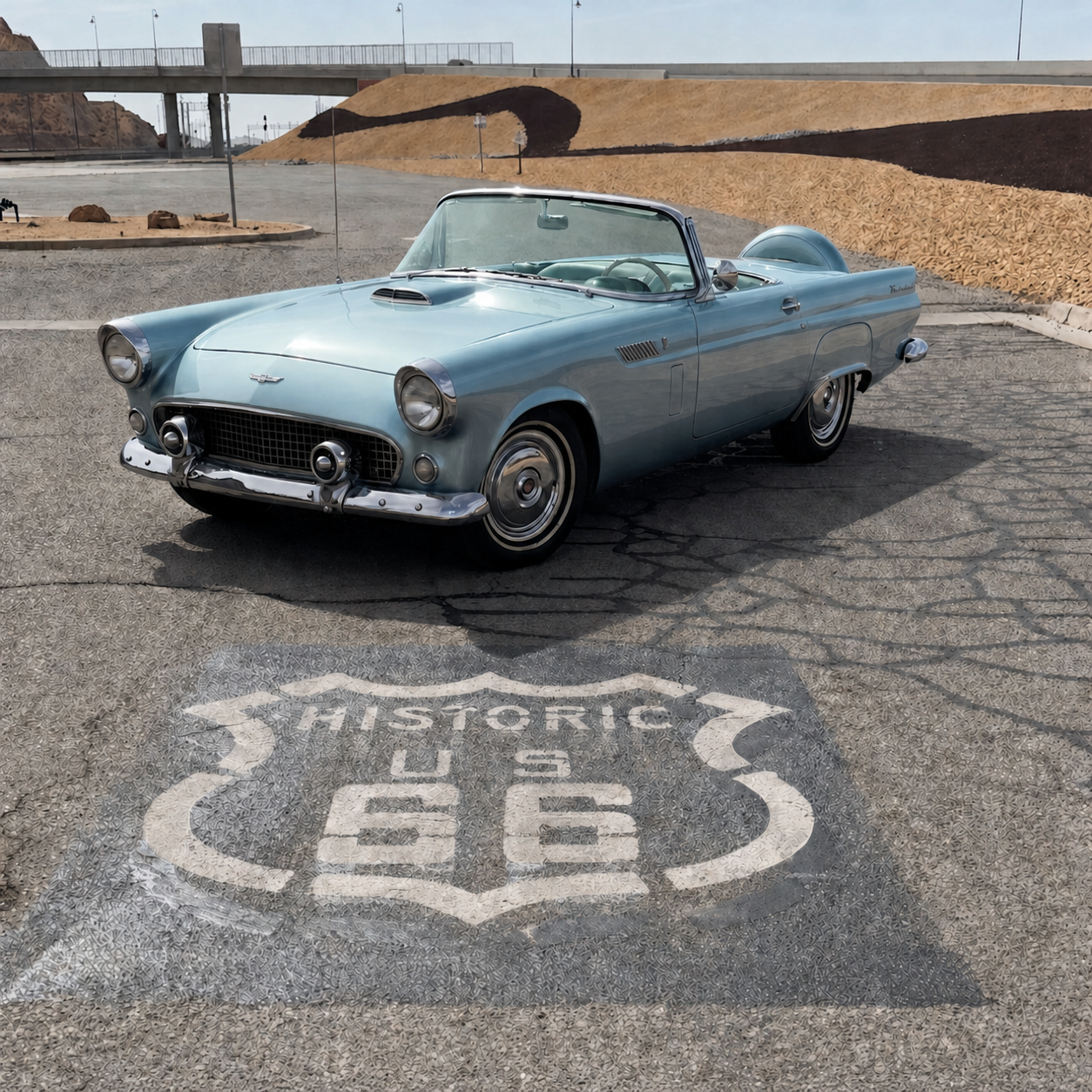
America’s most iconic highway is celebrating its centennial, and the adventure starts in Chicago. From a historic Art Deco hotel to a new presidential center, an immersive magic experience and the open road beyond the city, there are plenty of reasons to make this fall the time to explore. In America, the road trip is more than a way to get somewhere. It is a promise: a highway stretching toward the horizon, a town you didn’t plan to visit, a roadside sign that makes you pull over and a story you couldn’t have found by staying home. In 2026, one of America’s most famous highways turns 100. Route 66 has carried generations of travelers from Chicago toward the Pacific, earning its nickname, the Mother Road, along the way. You don’t have to drive all 2,448 miles to celebrate. Start in Chicago this fall, explore the history behind the highway and discover a city with plenty of reasons to stay awhile before heading west.
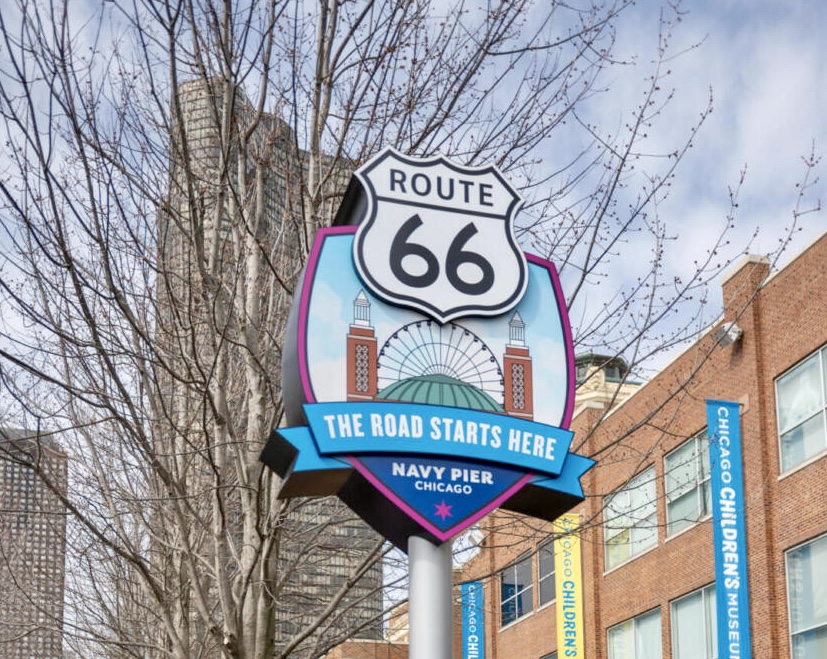
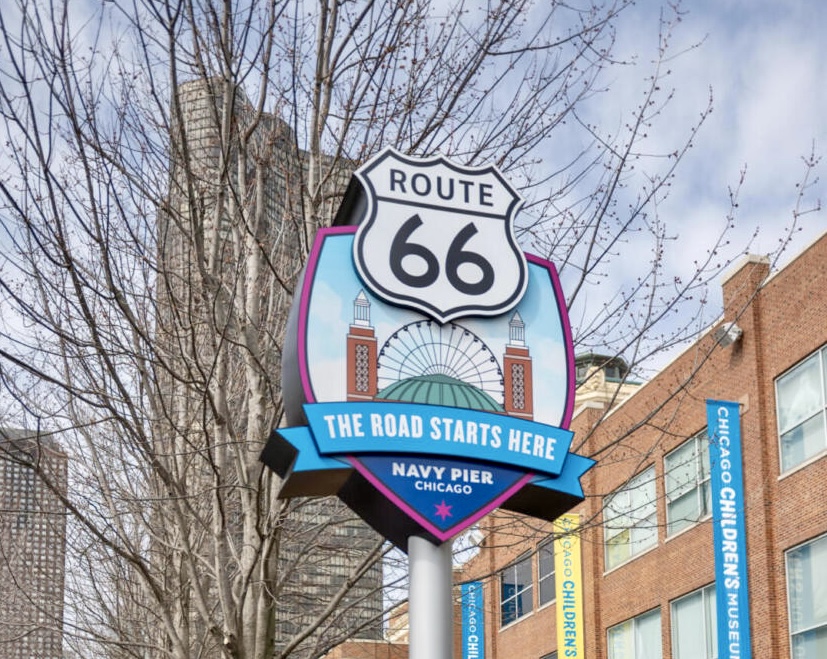
I’ve enjoyed visiting Chicago, including when I spoke at the Travel & Adventure Show, but there is still so much more of this great city I want to explore. As I work toward my goal of 60 new experiences before turning 60, the Route 66 centennial feels like the perfect reason to return. I can’t wait to stay at Pendry Chicago, visit the Obama Presidential Center, experience The Hand & The Eye and discover more of the city before driving a stretch of the legendary Mother Road myself. A road trip doesn’t have to mean weeks away or thousands of miles behind the wheel. Sometimes the best adventure begins with a long weekend, a great hotel and a list of places you’ve been meaning to see. Chicago offers all that and more, with the added excitement of celebrating a century of American travel. Why Route 66 Is Called the Mother Road To understand the fascination with Route 66, go back to the 1920s, when America was falling in love with the automobile. Cars were changing how people lived, worked and traveled, but the nation’s roads were still a patchwork of local and state routes. A connected highway system promised to make longer journeys easier and bring new opportunities to communities along the way. Route 66 was officially designated on November 11, 1926. It brought together existing roads into a route of roughly 2,448 miles from Chicago to Los Angeles, later celebrated at Santa Monica’s Pacific Coast endpoint. Its diagonal path connected the Midwest with the Great Plains and the Southwest, passing through eight states. The road was not fully paved until 1938. The highway offered more than a route west. For towns that had been far from major transportation corridors, it brought the possibility of new customers and commerce. Gas stations, restaurants, motor courts and roadside attractions sprang up to serve the people traveling through. Then history gave the road a much deeper meaning. During the Dust Bowl and the Great Depression, families left devastated farms and struggling communities to search for work and a better future in the West. Many traveled Route 66 toward California. John Steinbeck’s 1939 novel The Grapes of Wrath helped cement the highway’s place in the American imagination, using the nickname “Mother Road.” The name captures the road’s complicated history. For some travelers, Route 66 was a road of escape and survival. For others, it became a road of family vacations, freedom and discovery. After World War II, as car ownership and leisure travel grew, its motels, diners and roadside attractions became symbols of a new era of American mobility. Eventually, the Interstate Highway System diverted traffic away from much of the original route. Route 66 was officially decommissioned as a U.S. highway in 1985, but its story was far from over. Preservation efforts, historic businesses, popular culture and generations of road trippers kept the Mother Road alive. A hundred years after its designation, Route 66 still speaks to something many of us want: the chance to explore at our own pace, find the unexpected and make a journey our own. Chicago: Where the Journey Begins Chicago was a natural starting point for Route 66. In the 1920s, it was a major transportation crossroads, connecting railways, waterways, industry and the expanding automobile network. Travelers heading west could leave the city and follow a route linking urban centers with rural communities across the country. For the traditional Route 66 photo, head to the historic starting-point sign near Adams Street and Michigan Avenue, across from the Art Institute of Chicago. This is the familiar downtown location associated with the route’s beginning for generations of travelers. For the centennial, Chicago is also celebrating a new ceremonial starting point at Navy Pier, which stretches out into Lake Michigan. The pier’s Route 66 marker creates a symbolic “pier-to-pier” connection with Santa Monica Pier at the western end of the journey. Visiting both downtown and Navy Pier offers two different ways to mark the beginning of the Mother Road’s next century. At Navy Pier, walk along the lakefront, enjoy the skyline and explore the attractions. The views of Lake Michigan offer a reminder that Chicago’s identity is tied as much to its waterfront as to its highways and railways. The city is both a destination and a gateway to a much longer adventure. But don’t rush off to the highway just yet. Chicago deserves more than a quick photograph before you leave town.
Art, Architecture and a Little Chicago Wonder Start downtown with a visit to the Art Institute of Chicago, one of the city’s great cultural treasures. While you’re there, look for Edward Hopper’s Nighthawks. The painting’s late-night diner scene evokes a familiar American landscape: the glow of a restaurant after dark, strangers sharing the same space and the feeling that the road outside might lead anywhere. It’s an especially fitting image to encounter before a Route 66 adventure. The highway’s story has always included the places where travelers stop, eat, rest and watch the world go by. Chicago’s architecture deserves time of its own. Take an architecture cruise on the Chicago River to see the city’s extraordinary skyline from the water and hear how its buildings reflect changing ideas about design, engineering and urban life. Or look down on the city from the Skydeck at Willis Tower, where the scale of Chicago’s streets and skyscrapers comes into focus. For another perspective, explore parts of the original Route 66 corridor and seek out the city’s Route 66 murals and public art. The highway was never just a line connecting two distant points. It passed through neighborhoods where people lived and worked, and where local culture shaped the road’s identity. And if your idea of a perfect travel day includes an unexpected twist, save an evening for The Hand & The Eye.
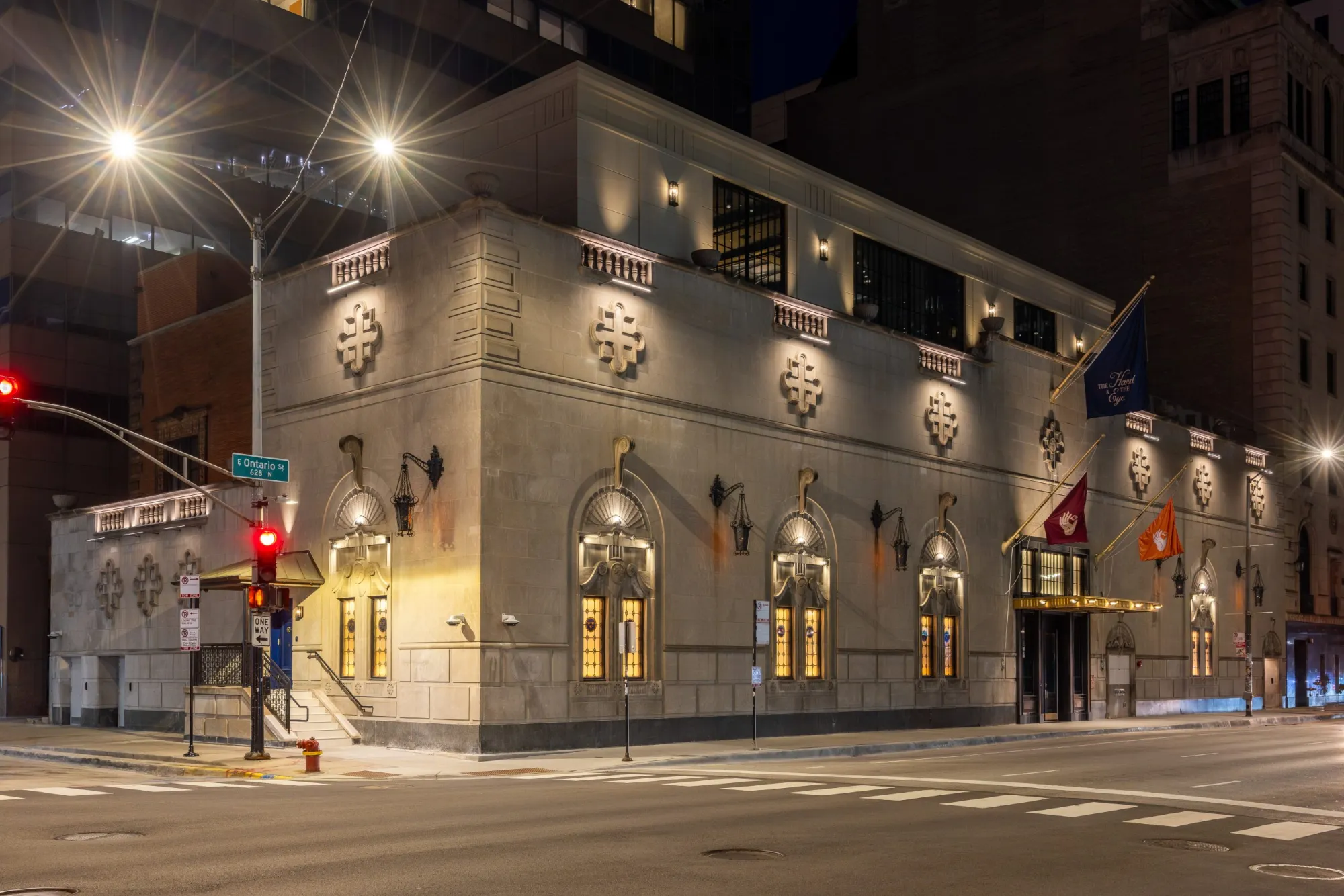
Exterior of The Hand The Eye Photo by Matthew Reeves
A Historic Mansion Where Magic Happens One of Chicago’s intriguing newer experiences is The Hand & The Eye, a destination for live magic inside the historic McCormick Mansion. Rather than a conventional theater where everyone watches a performance from the same seat, the experience brings magic into intimate spaces throughout the mansion. The setting combines historic architecture, live performances and the thrill of not quite knowing what will happen next. Why include a magic mansion in a story about Route 66? Because the best trips need a little wonder. Road trips are full of moments that cannot be planned: an unexpected view, a hidden gem or a stop that turns out to be the highlight of the day. The Hand & The Eye brings that spirit of discovery to an evening in Chicago. It’s on my list for my next visit, and I can’t wait to experience it for myself.  Adventure doesn’t always require a long drive. Sometimes it begins when you step through an unfamiliar door.
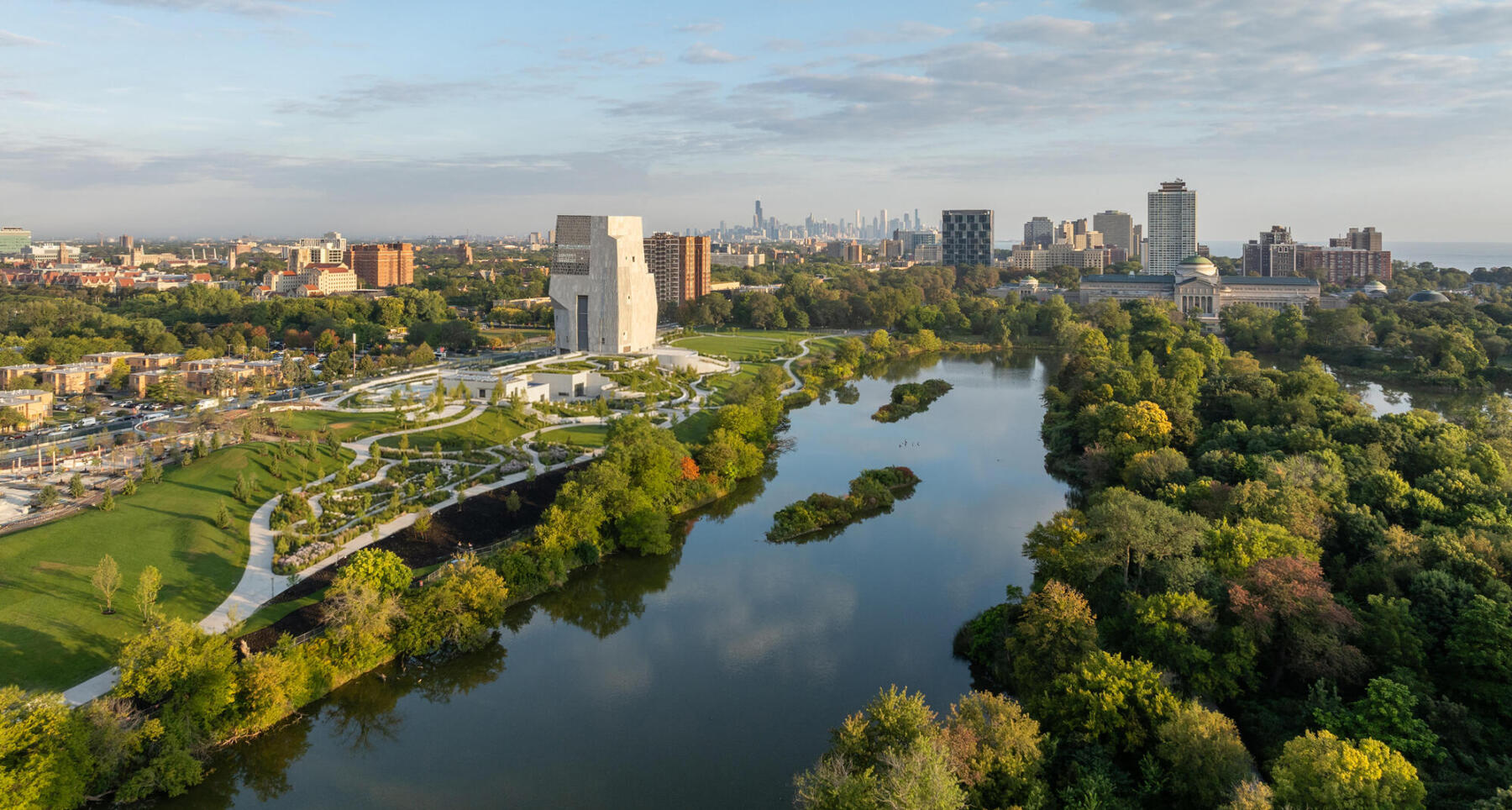
Obama Presidential Center, Photo credit: Angie McMonigal
Add a New Chapter at the Obama Presidential Center For travelers interested in American history and contemporary culture, the Obama Presidential Center offers another reason to explore beyond downtown. The campus in Jackson Park on Chicago’s South Side opened to the public in June 2026. Its grounds include gardens, public art, walking paths and community spaces. The museum offers a deeper look at the Obama presidency and the issues that shaped it. The visit adds a different dimension to a Route 66-inspired trip. The Mother Road connects stories of migration, work, community and the pursuit of opportunity. The presidential center offers another place to reflect on the people and events that continue to shape the country. I cannot wait to go.
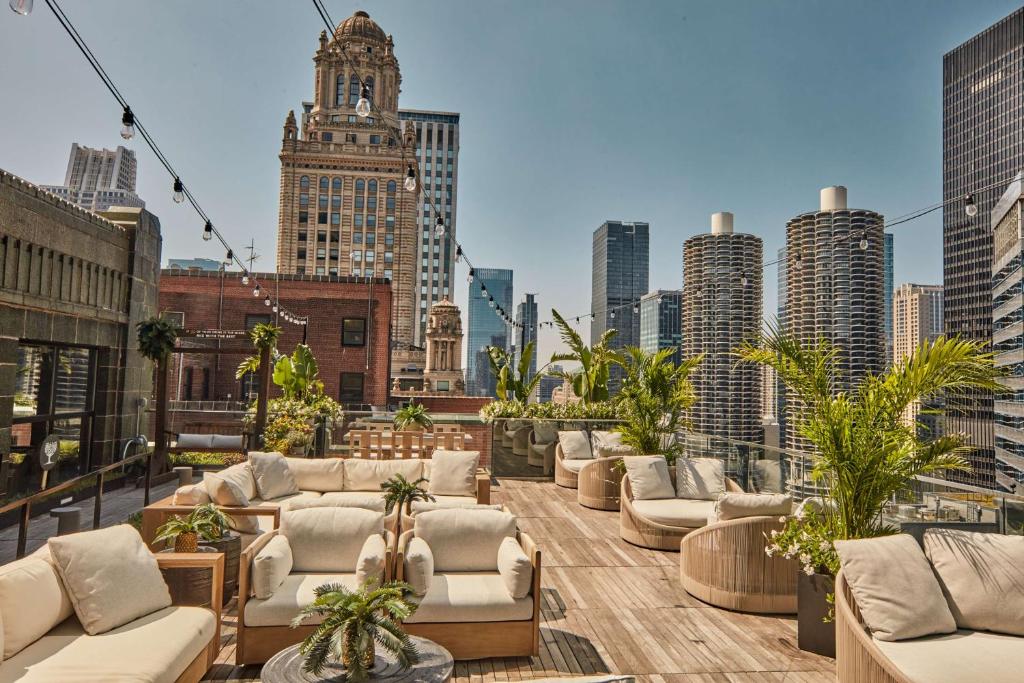
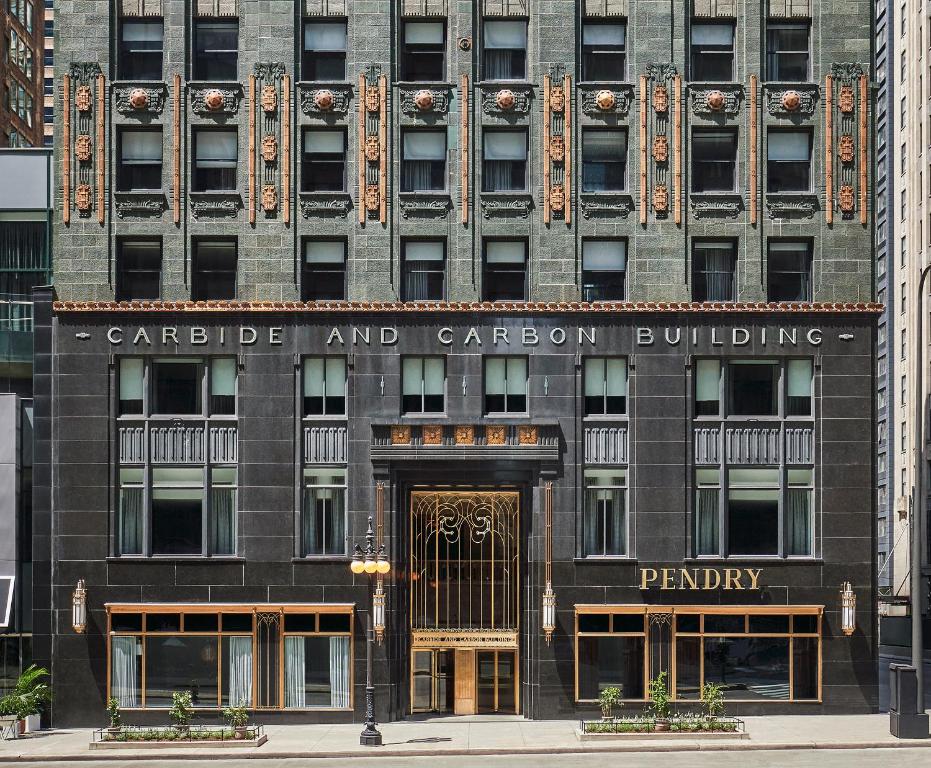
Check In Somewhere with a Story: Pendry Chicago For a trip celebrating a century of American travel, why not choose a hotel with a history of its own? Pendry Chicago occupies the landmark Carbide & Carbon Building, a striking Art Deco skyscraper completed in 1929. Its dark-green exterior and gold accents make it one of downtown’s distinctive architectural landmarks. Designed by the Burnham Brothers, the building originally housed the regional offices of Union Carbide and Carbon Co. It was designated a Chicago landmark in 1996 and became home to Pendry Chicago in 2021. The timing feels especially fitting: Route 66 was designated in 1926, and this architectural landmark followed just three years later. Both belong to an era when America was looking ahead, embracing new technology and imagining new ways to live and travel. Today, Pendry Chicago combines the building’s historic character with contemporary guest rooms, dining and cocktail venues. Its downtown location on Michigan Avenue makes it a convenient base for exploring the Route 66 starting point, Millennium Park, the Art Institute and the Chicago River. I’m looking forward to staying at Pendry Chicago and experiencing the building for myself. I love discovering the stories behind the places where I stay, and this one has a particularly fitting connection to the Route 66 centennial. The hotel itself is part of the city’s architectural story. Travelers can compare dates, room types and rates on Booking.com, or explore other Chicago accommodations to find a stay that fits their style and budget.
Start Planning Your Route 66 Centennial Getaway You don’t have to wait for the perfect summer road-trip window to start exploring. Fall is an opportunity to plan a Chicago city break, enjoy the city’s architecture and cultural attractions, then decide whether to extend the adventure along historic Route 66. I’m already thinking about how I’d put the trip together: a stay at Pendry Chicago, time to explore the Obama Presidential Center, an evening at The Hand & The Eye and visits to both Route 66 starting-point landmarks. I am going to rent a car and follow the Mother Road, stopping along the way rather than rushing toward the next destination. Booking.com was named the Official Travel Partner of the Route 66 Centennial in 2026, spotlighting the highway and the stays and experiences that make a road trip memorable. Its platform offers travelers a way to compare accommodations, car rentals and travel options while putting together an itinerary. Here are four ways to get started. Find your stay. Compare hotels in downtown Chicago, considering location, amenities and how much time you want to spend exploring on foot. Pendry Chicago is one option for travelers drawn to historic architecture and a central base. Browse Pendry Chicago on Booking.com or search for other stays to compare your options. Book your flight. Chicago is served by O’Hare International Airport and Midway International Airport. Compare arrival times and fares, then choose the airport that works best for your itinerary and budget. If you’re staying downtown, consider the transportation options from the airport before deciding whether you’ll need a car immediately. Choose your experiences. Reserve timed-entry attractions in advance, especially if visiting the Obama Presidential Center museum or The Hand & The Eye. Consider an architecture cruise, a museum visit and a walk along the lakefront, leaving some unplanned time for discoveries. Check official attraction websites for current schedules and ticket availability. Rent a car when you need one. If your trip is focused on Chicago, you may not need a vehicle for the whole visit. The city’s downtown attractions are close enough to explore on foot in many cases, and public transportation and rideshares can help with longer trips. If you’re continuing along historic Route 66, compare rental options and consider picking up a car when you’re ready to leave the city. Booking.com announced its centennial partnership in February 2026, making the milestone an especially timely opportunity to plan a trip around the Mother Road. You can read more in the company’s Route 66 Centennial announcement. The most important part of planning is leaving room for spontaneity. Make reservations for the experiences you don’t want to miss, but don’t fill every hour. The unexpected stop is often the one that becomes your favorite memory. How Far Will You Go? The beauty of Route 66 is that you can make it your own. Maybe you’ll spend three days in Chicago, take photographs at both starting points, discover a new favorite painting, look out over the city from a skyscraper and spend an evening watching magic unfold in a historic mansion. Perhaps you’ll rent a car and follow the original route through Illinois, stopping in communities that still celebrate their place in the Mother Road’s story. Or maybe Chicago will be the beginning of a much longer journey, one that takes you across the plains, through the Southwest and toward the Pacific. You don’t have to complete all 2,448 miles to understand why this highway has inspired travelers for 100 years. You just have to experience a little of its history and imagine the journeys that began before yours. Route 66 has carried families searching for a fresh start, vacationers chasing summer, musicians and artists, curious travelers and people who simply wanted to see what lay beyond the next bend. Its meaning has changed over the decades, but its invitation remains the same: get out there and explore. I’m ready to start planning my own Chicago adventure as part of my 60 Before 60 journey. Between the history of the Mother Road, the architecture of Pendry Chicago, the Obama Presidential Center and the promise of an evening filled with magic, there is plenty to look forward to before even getting behind the wheel. A hundred years after Route 66 first appeared on the map, the invitation still stands. Start in Chicago, follow the stories, take the detour and see where the road leads. You can travel all the way to California or simply begin with a fall weekend in the city where the journey starts. The first mile is waiting.
Read more in Route 66 Gets a Hollywood Rewrite

Route 66 Turns 100: Fall in Chicago, the Mother Road and the Great American Road Trip Read More »

Israel Bonds Ceremony, CCFP’s ‘Ambassadors of Peace,’ ‘Letters, Light and Love’

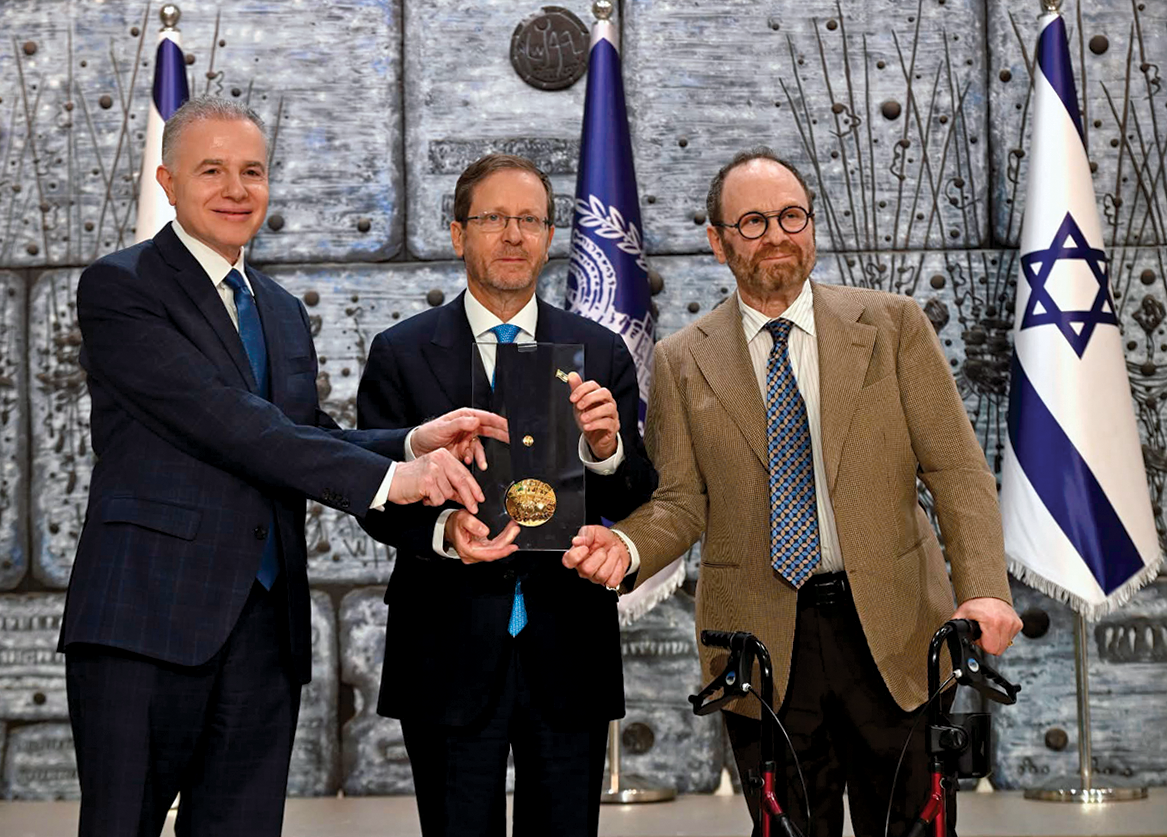
Israeli President Isaac Herzog awarded the Presidential Medal of Honor to Israel Bonds at a ceremony on Oct. 12 at the president’s residence in Jerusalem. Andrew Hutter, Israel Bonds’ U.S. and international chairman of the board of directors, and Dani Naveh, Israel Bonds’ global president and CEO, accepted the honor on behalf of the organization.

More than 100 members of Israel Bonds’ global leadership attended the ceremony, including representatives from the United States, Mexico, Canada, the United Kingdom, Germany and Brazil.

“The proceeds from Israel Bonds have been used to build and develop our economy, to promote advancements in science and technology and to provide a vital network of support during times of crisis,” Herzog said. “This has never been more evident than during the past few years of uncertainty, loss, and courage, here in Israel, since Oct. 7.”

Hutter, an orthopedic surgeon in New Jersey, was elected chairman in February 2024, following more than two decades of involvement with Israel Bonds. He began in leadership roles in metro New Jersey, later co-founded the organization’s national medical division and led medical delegations to Israel. Before becoming chairman, he served as vice chairman and treasurer of the board. He has also chaired Israel Bonds’ Mentorship Program, helping develop its next generation of leaders.

Naveh is a former Israeli cabinet minister, a member of the Knesset and a prominent figure in the Israeli business and financial community.

Since 1951, Israel Bonds and its worldwide affiliates have raised capital for the State of Israel through the sale of Israel bonds, serving as a bridge between global investors and Israel.

Individuals and institutions around the world invest in Israel bonds to support Israel’s economic development.


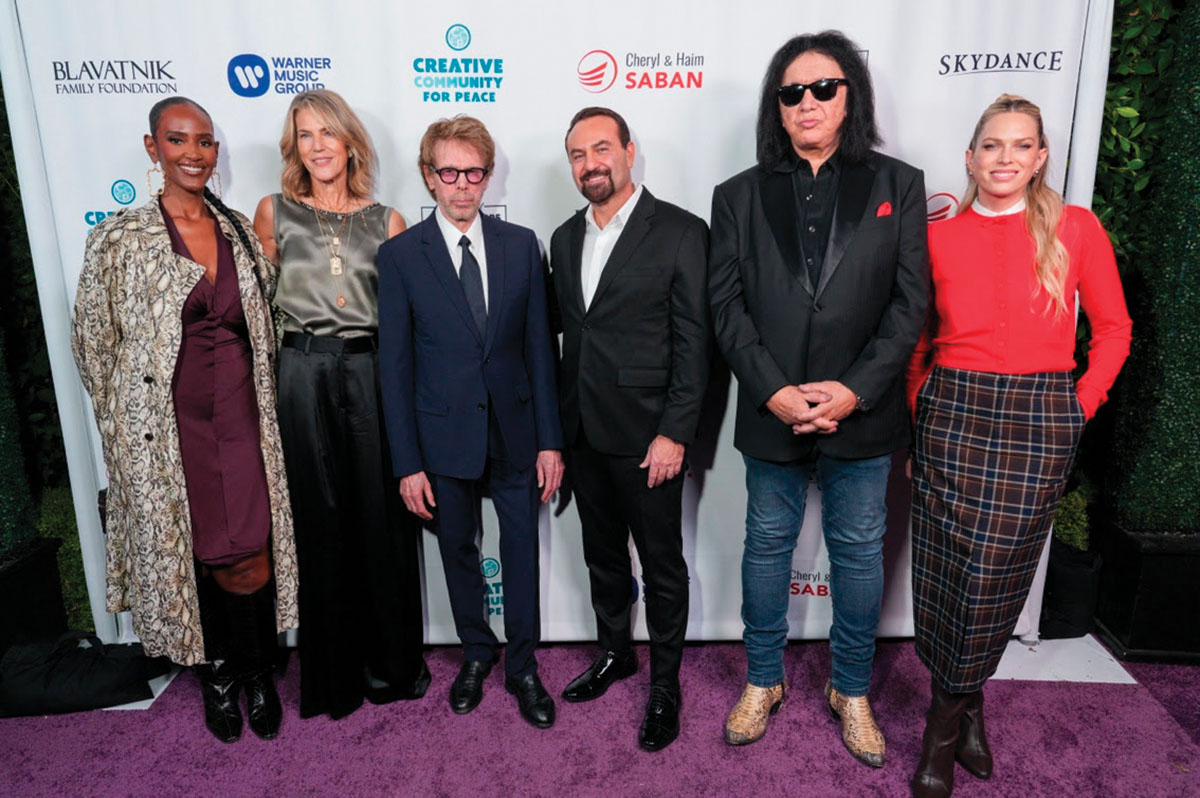
Ethiopia Habtemariam, Lynn Harris, Jerry Bruckheimer, Kevin Weaver, Gene Simmons and Erin Foster. Photo by Presley Ann, Courtesy of Creative Community for Peace

Creative Community for Peace (CCFP), an entertainment industry non-profit, held its eighth annual “Ambassadors of Peace” (AOP) event, which honored industry leaders for their commitment to speaking out against hate and using arts and culture to bring people together.

This year’s honorees were rock icon and Kiss co-founder Gene Simmons; producer Erin Foster (“Nobody Wants This”); Kevin Weaver, president of Atlantic Music Group; producer Lynn Harris (“Clayface,” “Se7en”) and music executive Ethiopia Habtemariam.

The event was held at the Beverly Hills residence of Aton Ben-Horin, executive vice president of A&R at Warner Music Group, and CEO of Plush Management.

Artists and entertainment leaders from across the industry were in attendance, including Jerry Bruckheimer, David Foster, Haim Saban, Jody Gerson, Harvey Mason Jr., Elliot Grainge, Gary Barber, Perry Farrell, Lawrence Bender, Emmanuelle Chriqui, Tom Corson, Val Blavatnik, Michael Rotenberg, Mark Beaven and David Zedeck, among many others.

Previous “Ambassadors of Peace” honorees include Eugene Levy, Diane Warren, Liev Schreiber and Scooter Braun. Many previous honorees were in attendance this year.

Among those paying tribute to this year’s honorees were actress Shannon Tweed-Simmons, Kiss co-founder Paul Stanley; producer Jerry Bruckheimer; and CCFP Chairman and Co-Founder David Renzer. 

“Slogans are not solutions and we have to remember that they have real consequences,” Renzer said. “We must emphasize facts over misinformation, context over caricatures, debate over demonization, human dignity over hatred.”

“The strength of CCFP comes from the members of the entertainment industry who care about standing against hate,” CCFP Executive Director Ari Ingel said. “In an industry that celebrates diversity we cannot stay silent when Jewish and Israeli creatives are being excluded.”

The evening also featured heartfelt speeches from the honorees.


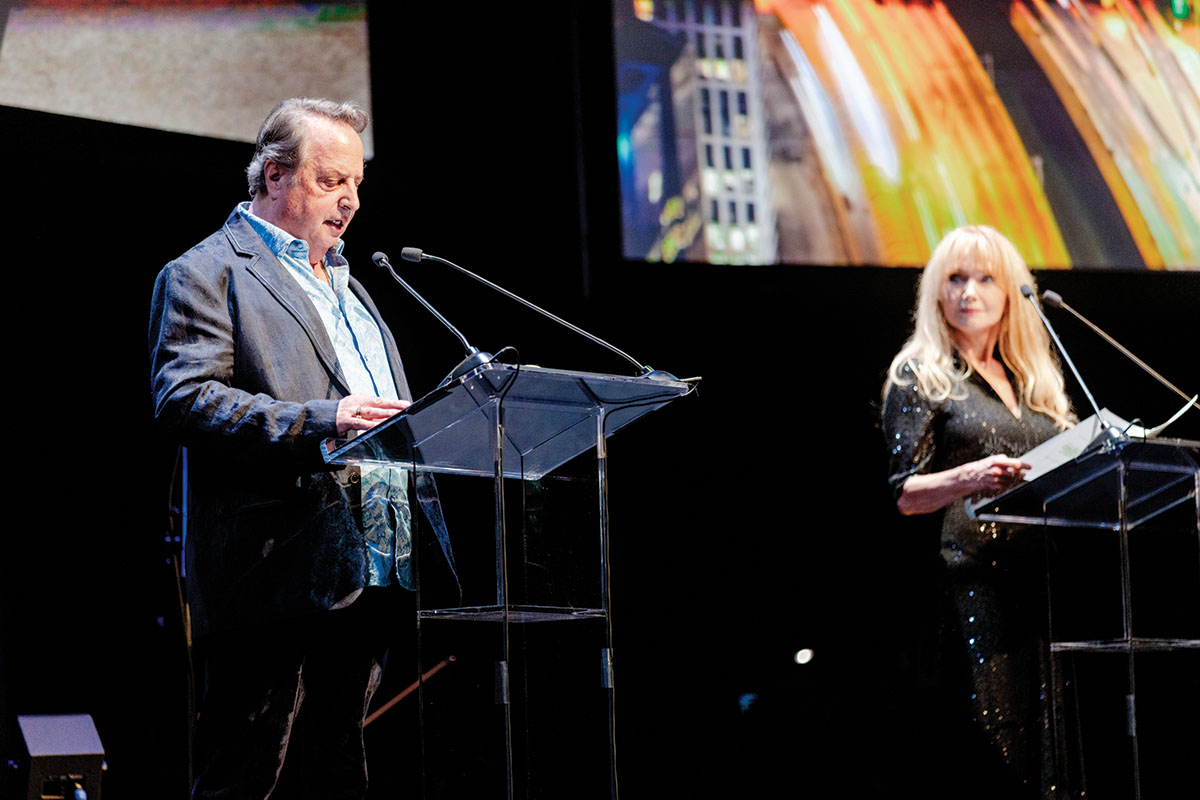
Jon Lovitz and Rebecca De Mornay Photos by @tatsu.cinema

On Oct. 19, Hollywood celebrities participated in “Letters, Light and Love,” a stage production underscoring the centuries-old connection between Jews and the land of Israel. The event featured actors, musicians and others reading letters authored by historical figures as well as ordinary people that tell stories of Zionism and Jewish self-determination.

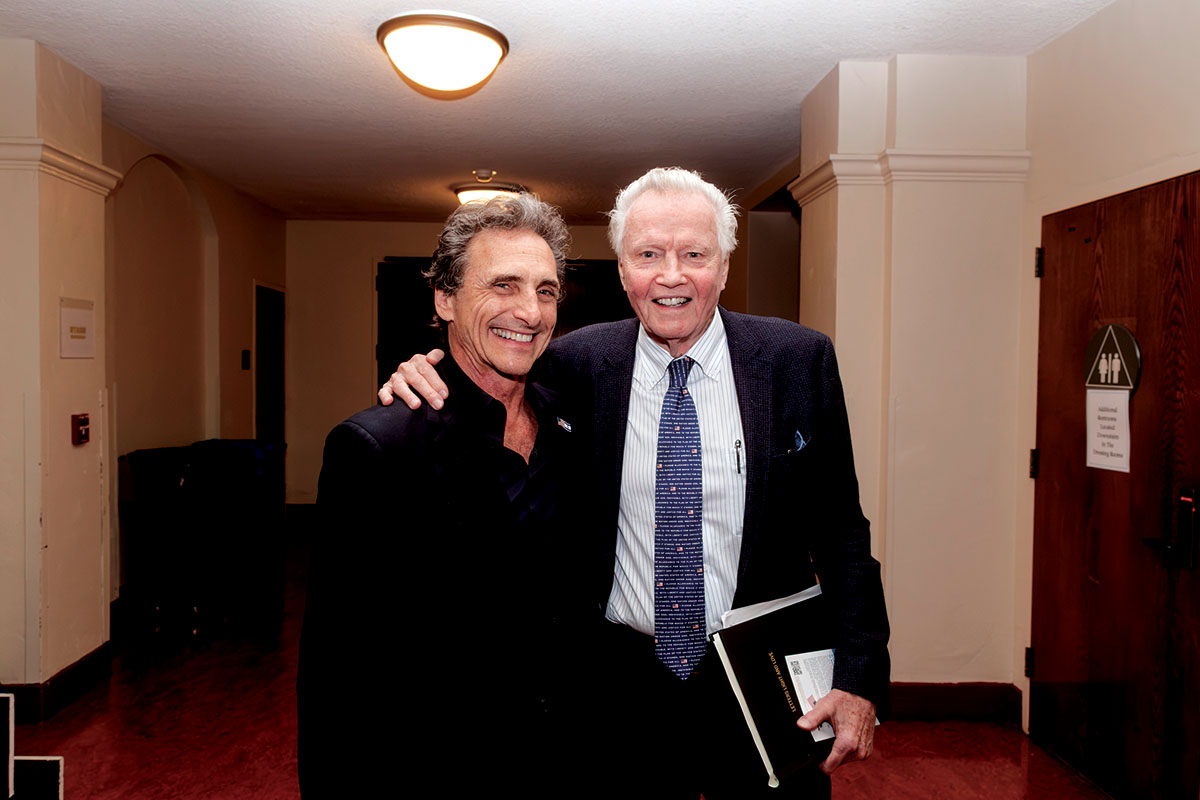
The star-studded cast at the event — held at UCLA’s Royce Hall—included actors Dustin Hoffman, Bob Odenkirk, Jon Lovitz, Jon Voight, Marlee Matlin and Emmanuelle Chriqui; musicians Gene Simmons and David Foster; producer Sherry Lansing; comedian Elon Gold; and UCLA Chancellor Julio Frenk.

Former hostage Eliya Cohen, who was held in captivity by Hamas for 505 days, and his wife, Ziv Abud, also turned out, garnering a standing ovation from the sold-out crowd.

The event raised funds for the Sha’ar HaNegev Resilience Center, an Israel-based organization. The center provides emotional and therapeutic support for those whose lives were forever impacted by the Oct. 7 attacks.

Michal Noe and Sarah Sultman produced the show along with producer Lawrence Bender (“Inglourious Basterds”) and L.A. County District Attorney Nathan Hochman as well as Jewish Federation Los Angeles. The show was staged with different casts in London and at Carnegie Hall in New York before coming to Los Angeles.

Sultman, who is based in the U.K., conceived of the show after visiting communities impacted by Oct. 7, 2023. 

“Letters have a particular honesty,” Sultman said. “They capture people in the act of being human, hopeful, frightened, funny and loving. At a time when Jewish identity, Jewish history and even our right to tell our own story are being challenged, it feels more important than ever that we reclaim these voices and allow them to be heard.”

Lawrence Bender and Jon Voight at “Letters, Light and Love”

Israel Bonds Ceremony, CCFP’s ‘Ambassadors of Peace,’ ‘Letters, Light and Love’ Read More »