Now that the Inauguration of Joe Biden is over, with Donald Trump moping Twitterless in Mar-a-Lago, there’s not much left to say about the 2020 election.
Just joking.
Actually, analyzing this past election will consume historians for a century. With the nation in lockdown and a polarizing figure in the White House, the 2020 presidential contest generated a record number of voters. Seemingly everyone voted; apathy was all but nonexistent.
The choice wasn’t just between candidates but voting systems. Sheltering at home now added voting to its list of quarantined activities. Polling places were regarded as yet another coronavirus vice that needed a workaround. State election officials responded by modifying election laws. Getting out the vote needed to be accomplished without actually requiring people to go out.
The election that galvanized the most voters also set a record for absentee ballots. A majority voted from home. Absentee voting, usually reserved for expatriates and military personnel, which normally numbered in the single-digit millions, now totaled tens of millions.
That is a drastic change in overall electoral arithmetic. The sheer volume of mailed-in ballots defied the odds of accuracy. There were so many votes to tabulate. When it was all over, half the country didn’t trust the numbers. And this unprecedented election variance has yet to settle in our collective minds. Perhaps we are afraid to speak of it openly.
Meanwhile, a dethroned president awaits a Senate impeachment trial with the aim of disqualifying him from ever seeking elected office again, leaving him to live out the remaining years of his life as an embittered Palm Beach version of Charles Foster Kane. His one-term a four-year aberration, best left forgotten. And, for good measure, Twitter and Facebook have deprived Trump of a social media platform to address his followers.
Where, exactly, does that leave 74 million Trump voters? All these efforts at erasure will only deepen their cynicism. Witch-hunts haunted this president from his first days in office. Conspiracies to end his presidency — Russian collusion, a Ukrainian phone call — are not mere theories.
Moreover, these very same tens of millions are wondering whether mailed-in ballots were counted according to an entirely different set of criteria than ballots filled out, personally, at polling sites — the old-fashioned way. And all because fewer than 100 people were arrested for storming and ransacking the Capitol, any further questions about the integrity of the 2020 election are deemed taboo. And the candidate they wanted to see have a second term may soon be prevented from ever seeing his name on a ballot again.
So much for national unity.
It would be a colossal mistake for Democrats to continue to dismiss the lingering concerns of these voters.
It would be a colossal mistake for Democrats to continue to dismiss the lingering concerns of Trump voters.
It is assuredly true that the 2020 presidential election was secure from foreign meddling. No evidence of widespread fraud was found. Trump’s victory was not “stolen,” and he did not win in a “landslide.” But it is simply false to insist that the election presented no reason to question the outcome. Those who still have questions did not fall for the “Big Lie”; their concerns are not “baseless.”
Indeed, those who assembled on January 6 at the National Mall but did not riot were exercising a constitutional right. So, too, were lawmakers who debated the certification of three slates of the Electoral College. Tarring all those in attendance at the Mall as white supremacists and accusing lawmakers of treason, canceling their book deals, de-platforming their social media or trying to strip them of their college degrees is simply illiberal and un-American.
Yes, I understand. There were very strong feelings that the Trump presidency had to come to an end because his administration had all the features of a civil war waiting to happen.
Yet, pretending that the hasty re-writing of state election laws, which relaxed the verification procedures for absentee voting, had no bearing on the Biden victory, when he received over 70 percent of those votes, is intellectually dishonest and, worse, will cause future electoral chaos. It now appears that voting remotely, like most everything else we do, will become part of our lives.
That doesn’t mean there was fraud (nor does it mean that the election was free of illegal voting), but it does mean that many ballots that were tabulated, in a pre-COVID-19 election year, would have been tossed aside: those missing information, improperly postmarked and sealed and, in some cases, corrected by poll workers where signature authentications were nonexistent. There were also a host of other modifications and permissive, voter-friendly standards across the country.
Also, there were glaring statistical anomalies — more ballots were returned that didn’t reconcile with registration rolls; rejection rates were considerably lower than usual. There was ballot harvesting and mobile drop-off centers. Voters received ballots without requesting them. And multiple ballots were sent to the same people. (I know — I was one of them. I made a copy of the second one, and I remain convinced, despite reassurances otherwise, that my first ballot was already counted. President Biden, you’re welcome.)
Of course, we were hosting an election during a pandemic. We were told not to leave our homes and congregate with others. Emergency measures were clearly called for. I am not questioning the sincerity for why these altered election procedures were implemented. But they unquestionably favored Joe Biden’s election prospects.
Of course, all these electoral modifications raised constitutional uncertainties. The Supreme Court’s unwillingness to hear the Pennsylvania case did us no favors. It might have dispelled the controversy. Article I of the Constitution states that state legislatures set the time, place and manner for holding federal elections. That means not state courts or election officials. Yet the re-writing of election laws, especially in battleground states, were not legislatively enacted. This means that the Supreme Court could have ruled that state courts can authorize changes to statewide federal election laws under emergency circumstances, or the Court could rule that any modification to existing federal election guidelines not written by state legislators is categorically unconstitutional.
And Bush v. Gore (remember those days?) ruled that states must implement unified election guidelines so that all voters are treated equally. That means that the in-person voter carrying an ID can’t be held to a higher standard of verification than a voter who forgot to sign his or her ballot.
Yes, I know, 60 lawsuits, some before the Supreme Court, ended with immediate dismissals based on procedural defects and the dubiousness of the claims. None received an evidentiary hearing. It is not uncommon for judges to dispense with cases on procedural grounds. But given the high stakes of these lawsuits, and the sworn affidavits of poll workers who allege they witnessed serious irregularities, evidentiary hearings might have helped convince skeptical Trump voters to have faith in the integrity of the election results.
But it’s more likely that the unimaginable disenfranchisement of millions of African American voters in Milwaukee, Detroit, Philadelphia and Atlanta hastened the quick death of these cases. A nation that once enslaved Africans then disallowed and suppressed their votes with Jim Crow, poll taxes and gerrymandering, should never find itself committing that sin again. It’s also true that voters had a right to rely on the election laws that were instituted for 2020; their votes could not be invalidated even though the modified rules may have presented legitimate constitutional questions.
I believe that Biden rightfully won. But it is grave a mistake to pretend that the 2020 election had no serious flaws.
Those who came to Washington, D.C. on January 6 had questions. The Joint Session of Congress might have offered some clarity, if not due process. Unfortunately, the day will forever be remembered for something else.
Thane Rosenbaum is a novelist, essayist, law professor and Distinguished University Professor at Touro College, where he directs the Forum on Life, Culture & Society. He is the legal analyst for CBS News Radio. His most recent book is titled “Saving Free Speech … From Itself.”


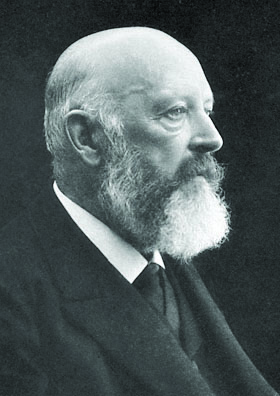 Jeans, you may be surprised to learn, are not naturally blue. No, that’s in fact thanks to Adolph von Baeyer, who synthesized in 1880 indigo, a blue dye. This little known scientist made some other invaluable contributions, including his discovery of barbituric acid (which led to the manufacture of types of sedatives and anesthetics), and fluorescein, which forensic investigators use to find blood and other stains.
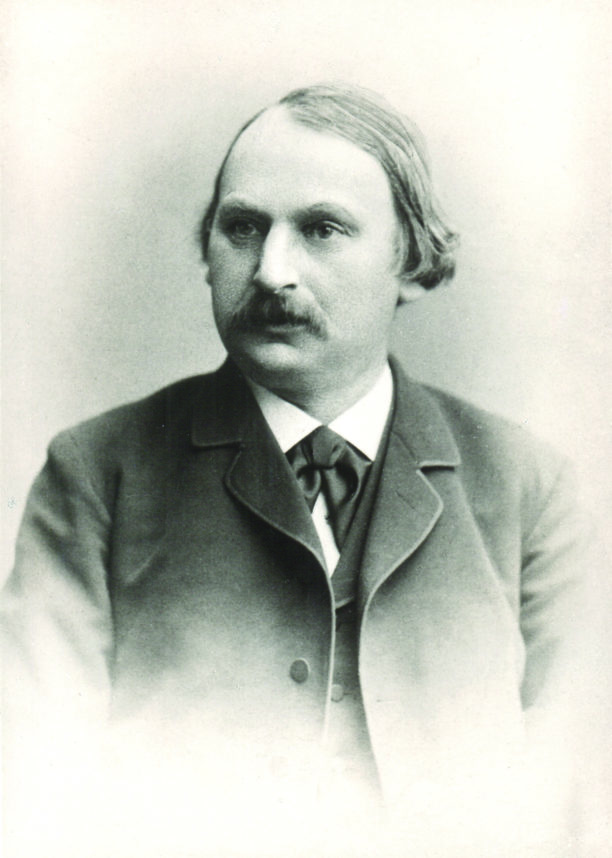 Every year globally, more than 30 million tons of potash are produced. The main ingredient of which is potassium, potash is one of the most crucial artificial nutrients in agriculture. Who do we have to thank for discovering that potash could be a fertilizer that could help feed humanity? Adolph Frank, another unheralded but hugely impactful German Jewish scientist. Additionally, Frank also invented a way to extract bromine from salt mines. Bromine has served humanity well—as a flame retardant, a pesticide, and a sedative.
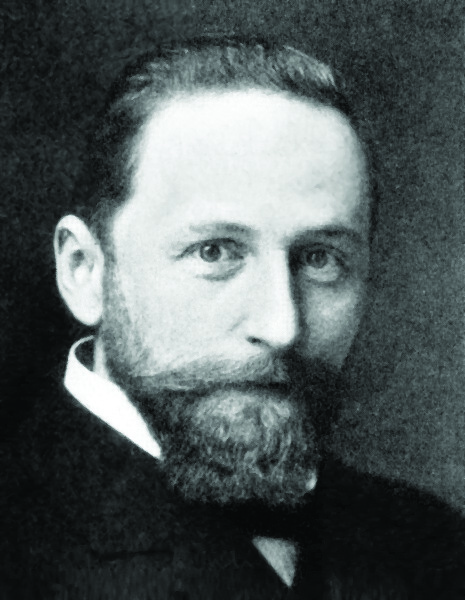 A protégé of Adolph von Baeyer at the University of Munich, Willstatter was the first ever scientist to determine the chemical formula of chlorophyll, a vital chemical in photosynthesis (the process by which sunlight is converted into energy). This was the main contribution for which he was awarded the Nobel Prize. In 1917, when his friend Fritz Haber (see below) asked him to develop poison gas to advance Germany’s interest in World War I, Willstatter declined—and instead offered to help develop a defensive filter to poison gas, which led to the first gas masks.
 Haber sits in the center of what was truly a golden age of Jewish chemists. He and Adolph Frank are responsible for feeding much of humanity—the Haber Process, which produced ammonia from nitrogen and hydrogen, is responsible for the creation of agricultural fertilizers (500 million tons are produced annually) that now help feed a substantial portion of humanity. Haber’s creation of ammonia has even been credited with “detonating” the population explosion from 1.6 billion people in 1900 to more than 7 billion today. Why? Well, to feed the increasing world population would have been impossible if the relatively inefficient methods of agriculture in that era didn’t improve. Ammonia-based fertilizers allow for farms to grow far more food than they could have grown in the past. Haber, though, must also be remembered as the head of the German military’s chemistry wing during World War I. He supervised the first use of chemical weapons (chlorine gas) in military history and also of chemical defense (gas masks) in modern warfare. His legacy is a mixed one—greatness for his role in agricultural chemistry; controversy for his part in the chemistry of warfare.
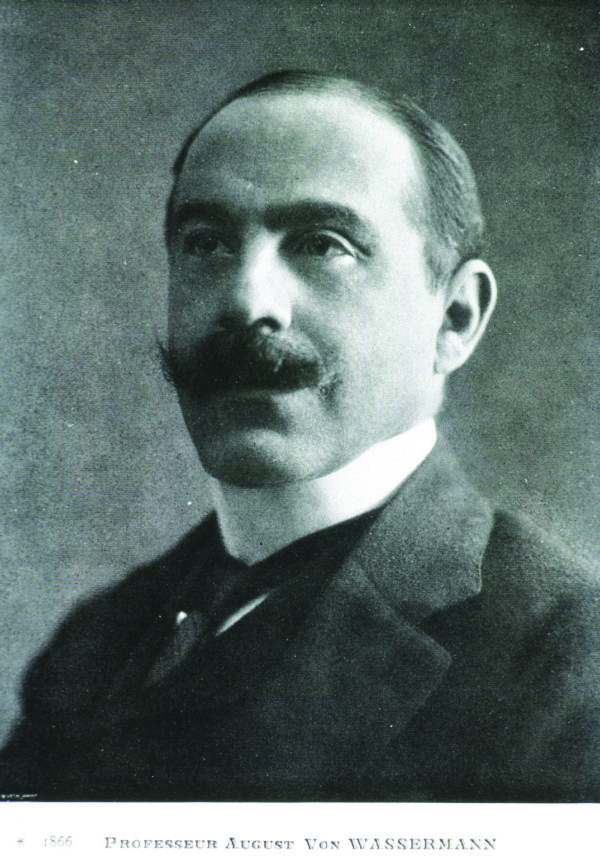 In 1906, bacteriologist and immunologist August von Wassermann created the first reliable test for detecting syphilis, a sexually transmitted disease. The Wasserman test, which was developed at the Robert Koch Institute for Infectious Diseases identifies an antibody that’s unique to syphilis, lupus, malaria, and tuberculosis. This test formed the basis for subsequent tests used in the detection of these diseases. In 1921 Wasserman became the first recipient of the Aronson Prize for his immunological achievements.
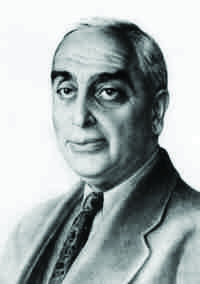 Raised in Hungary but spending most of his clinical career in New York City, Bela Schick created the Schick test to identify diphtheria, a potentially fatal disease that originates in the throat and still kills thousands of people per year. Schick created the test in 1910, when diphtheria was a feared disease and vaccinations for it were in low supply, making it crucial to only vaccinate children with preexistent susceptibility, and not those who were naturally immune from diphtheria. Schick’s test identified at-risk children by injecting a tiny amount of diluted diphtheria into their arm. In susceptible children, the injection site would become red and swollen. He led a massive and successful five-year public relations campaign to persuade as many parents as possible to test their children for susceptibility.
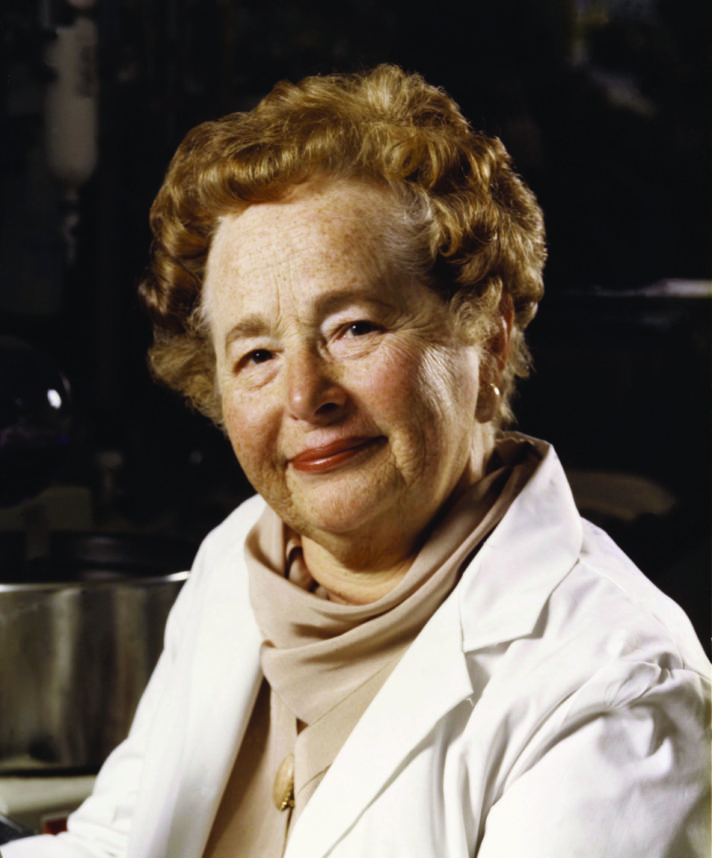 Spurred by the death of her grandfather from cancer, Gertrude Elion, at 15, decided to devote her career to making people healthier. In her 20s she began research at what is now the pharmaceutical giant GlaxoSmithKline, eschewing a PhD so that she could continue her lab work full-time. By the time her career ended, she was responsible for the creation of Purinethol, the first Leukemia treatment, Imuran, a crucial drug for organ transplants, Daraprim, a crucial malaria treatment, Septra, vital in treating infections of the urinary and respiratory tracts, Zovirax, which is used to treat herpes, and AZT, the first ever drug approved by the U.S. government in treatment of HIV. Several of the drugs she helped create are on the WHO’s Model List of Essential Medicines, which is a list of drugs that any society must have readily accessible in order to maintain basic standards of health.
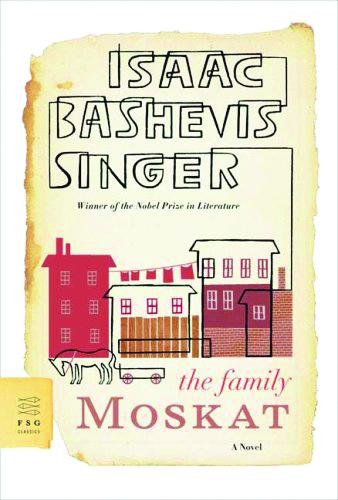
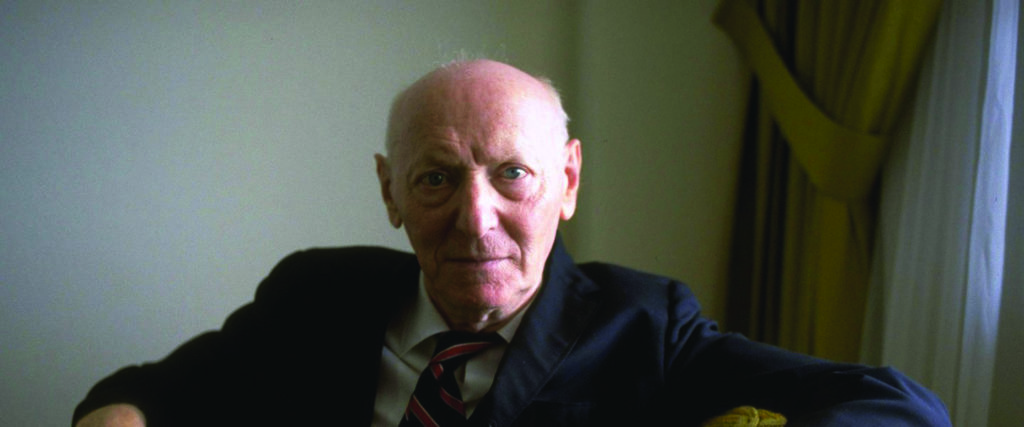 He is accepted as one of the greatest contemporary Yiddish short story writers and novelists, whose tales wove fantasy, mysticism and eroticism into much of his fiction. Born to a family of Chassidic rabbis, Singer attended a rabbinical seminary, but instead chose the path of the writer. He began his career as a journalist in Warsaw, publishing his first novel, “Satan in Goray,” in 1935, the same year he emigrated to America. In the United States, he continued working as a journalist for The Jewish Daily Forward and he published his first major novel, “The Family Moskat,” in 1950, which was almost shut down by his boss because of its controversial themes (including adultery on Yom Kippur). Several stories of his were adapted into film, including “Yentl” and “Enemies, a Love Story.” In all, Singer published at least 18 novels, 14 children’s books, and many more articles, essays, and memoirs. He wrote everything in Yiddish and his works were later translated into English and other languages. His work gave millions of people insight into the richness of Yiddish language and culture and into the world of East European Jewry—both the shtetl world and the urban world. His writing was very much a product of the environment of his Polish upbringing. If history books will give the world a window into the macro history of Polish and Yiddish Jewry, Singer has given us a window into the Yiddish soul.