Bahrain Foreign Minister Sheikh Khalid bin Ahmed Al-Khalifa told Israel’s Channel 13 journalist Barak Ravid during the United States’ conference on Palestinian economic development that he acknowledged Israel’s history in the Middle East and that the Jewish people deserve a spot in the region.
Ravid asked Al-Khalifa in Manama on June 26 what particular message he has for the Israeli public. Al Khalifa replied that Israel deserves to have peace with more Arab countries than Jordan and Egypt.
“Israel is a country in the Middle East. It is part of the heritage of this region, historically,” Al-Khalifa said. “The Jewish people have a place amongst us.”
Al-Khalifa also said the Palestinians erred in refusing to partake in the conference because they are missing “an opportunity” to help “alleviate the lives and the troubles of people.” He added that Bahrain trusts the U.S. in being an “honest broker” in negotiating peace between the Israelis and Palestinians.
On Iran, Al-Khalifa said that the regime in Tehran is “a major threat to the security and stability of the region,” adding that Iran has worsened prospects for peace in the region through their “money and weapons and with soldiers of militias.” If war breaks out in the region, it will be Iran’s fault, Al-Khalifa argued.
“They have been calling for war,” Al-Khalifa said. “They have been attacking ships. They have been targeting tankers. Drone attacks from Yemen. They have been calling for war in the region… this regime only survives with aggression.” He also defended Israel’s “right to defend itself” from Iranian aggression in Syria.
Times of Israel reporter Raphael Ahren wrote on June 26 that even though Israel and Bahrain have yet to officially establish diplomatic relations, Bahrainian officials have been providing “exceedingly warm” treatment to Israeli journalists, including accommodating those that keep kosher.
“In Bahrain, this week at least, I was happy to discover, officialdom does not appear to shy away from using the word ‘Israel’; it features twice on my official conference badge, and no one has batted an eye,” Ahren wrote. “In fact, in a certain way we Israelis journalists have been treated slightly better than our colleagues. While reporters from other countries received press passes, we were given credentials of delegates, which has guaranteed us better access to some of the conference’s events.”
The two-day conference, which started on June 25, featured the U.S., Jordan, Saudi Arabia, Egypt and the Gulf Arab states. White House Senior Adviser Jared Kushner, who is also President Donald Trump’s son-in-law, proposed $50 billion in investment toward the Palestinian territories and neighboring Arab countries.
The full transcript of Al-Khalifa’s interview can be read here.
Rosove Farewell Shabbat After 31 years as the senior rabbi of Temple Israel of Hollywood (TIOH), Rabbi John Rosove leads his final Shabbat service before heading into retirement and becoming rabbi emeritus. The TIOH Teen Band joins him. During his 40-year career, the Los Angeles native served congregations in San Francisco and Washington, D.C., before returning home in 1988. Champagne and light bites to follow services. 6:30 p.m. Free. RSVP requested. Temple Israel of Hollywood, 7300 Hollywood Blvd., Hollywood. (323) 876-8330.
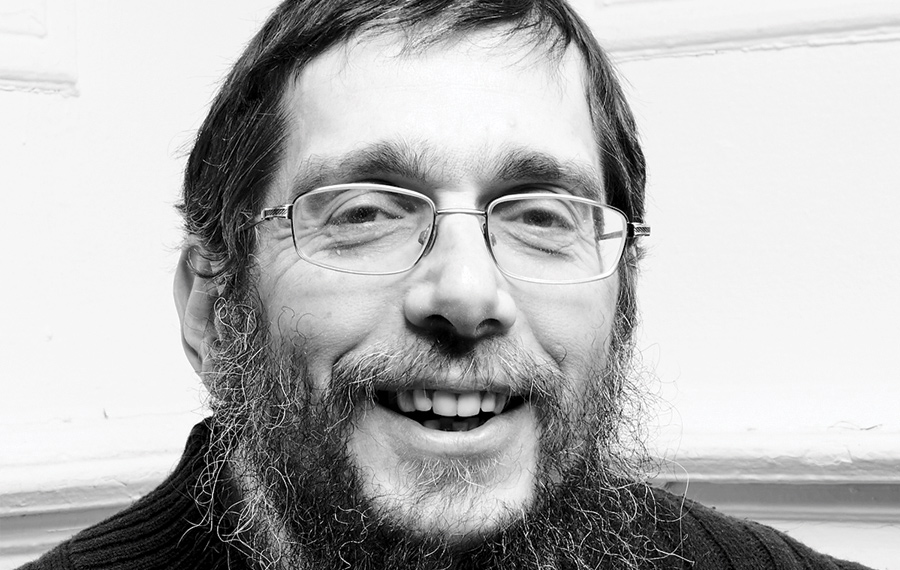
Rabbi Tzvi Freeman
Chabad Rabbi Leaving Before departing for their new home in Atlanta, Chabad Rabbi Tzvi Freeman and Rebbetzin Nomi Freeman are feted at a farewell Shabbat dinner at Morry’s Fireplace following services at the Happy Minyan. Rabbi Freeman, author of numerous books, is a prominent presence at the Happy Minyan. 6 p.m. services. 7:30 p.m. dinner. $45 Happy Minyan members. $50 general. $20 ages 13-and-under. Happy Minyan, 9218 W. Pico Blvd. Morry’s Fireplace, 9118 W. Pico Blvd., Los Angeles. eventbrite.com.
“Arise and Sing a New Song” Original melodies composed by community members Jerry Alban and Kevin Longobart are the centerpiece of Shomrei Torah Synagogue’s Shabbat service “Arise and Sing a New Song.” The musical service features Cantor Jackie Rafii, members of the Shomrei Torah adult choir and a full band. 6 p.m. Free. Shomrei Torah Synagogue, 7353 Valley Circle Blvd., West Hills. (818) 854-7650.
Shabbat at the Beach Friends and members assemble at Will Rogers State Beach to celebrate Kehillat Israel’s (KI) Shabbat at the Beach. After guests enter the parking lot at the intersection of Temescal Canyon and Pacific Coast Highway, they continue driving north until the KI banner is seen at lifeguard station No. 5. 5:30 p.m. picnic. 6:15 p.m. services. Kosher food available for online pre-order. Kehillat Israel, 16019 W. Sunset Blvd., Pacific Palisades. (310) 459-2328.
“Summer Shul” “Summer Shul” kicks off at Temple Aliyah with a Shabbat barbeque dinner for couples, singles and families. The gathering launches a series of six weekly special Shabbat events. “Shabbat Live!” services follow an hour later. 5:30 p.m. dinner. $23 adults, $13 kids 4-12. Temple Aliyah, 6025 Valley Circle Blvd., Woodland Hills. (818) 346-3545.
Rabbi Edwards Farewell Shabbat Following a month of farewell events, Rabbi Lisa Edwards concludes a quarter- century as the senior rabbi of Beth Chayim Chadashim (BCC) by leading Shabbat services for the final time. The musical Shabbat service is livestreamed via BCC’s Ustream channel. On June 30, Edwards and her wife, “Lezbtzn” Tracy Moore, will be feted at a BCC picnic at a private home. 6 p.m. Shabbat Dinner in the Neighborhood, Fu’s Palace, 8751 W. Pico Blvd. 8 p.m. Shabbat services, Beth Chayim Chadashim, 6090 W. Pico Blvd. June 30 picnic: 1-4 p.m. (323) 931-7023.
SAT JUNE 29
Havdalah at the Beach Introducing a new twist to the Shabbat-at-the-beach theme, Leo Baeck Temple members and guests are invited to spend Havdalah at the beach, just south of lifeguard station No. 26 at Santa Monica Beach. Bring a nosh, a picnic blanket, a bottle of wine or apple juice, and a desire to watch a memorable sunset. Guests gather on the beach at the end of the boardwalk that extends toward the ocean off of Ocean Front Walk. 5-7 p.m. 6:15 p.m. Havdalah. Leo Baeck Temple, 1300 N. Sepulveda Blvd. (310) 476-2861. leobaecktemple.org. Register by clicking the link above.
SUN JUNE 30
“Step-By-Step Walking Tour” Join the Jewish Historical Society on a walking, talking and noshing tour through the community’s richly historic Fairfax neighborhood, experiencing sights and sounds you only may have heard about. As a bonus, the event begins at the nearby Los Angeles Museum of the Holocaust for an overview of the Shoah. The walk spans about 3 miles. 9:30 a.m. $65. Meet at the Los Angeles Museum of the Holocaust, 100 The Grove Drive, Los Angeles. (310) 440-1572.
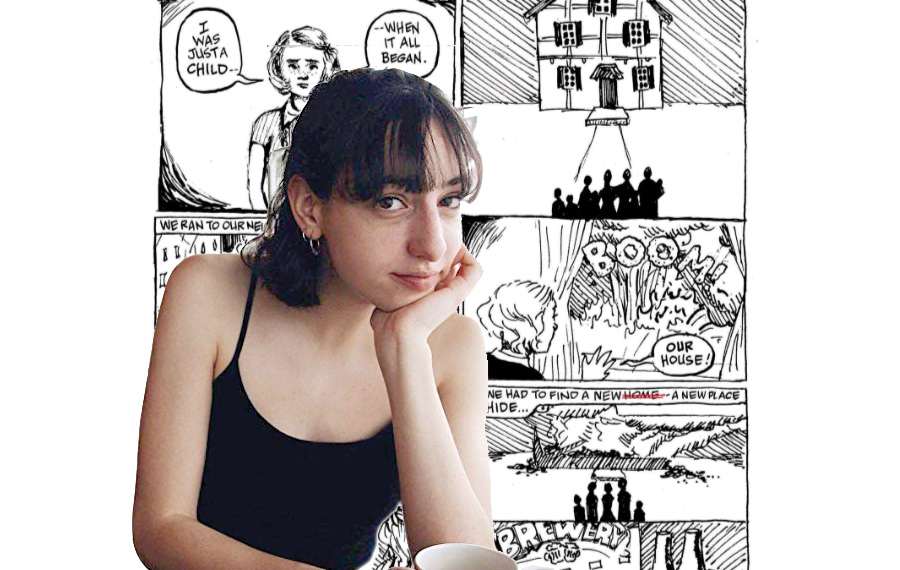
Daniela Shapiro
“The Stories of Survivors” Daniela Shapiro discusses and signs the award-winning graphic novel she wrote as a college freshman, “The Stories of Survivors.” It combines Holocaust survivor testimony with her own visits to concentration camps in Poland. Shapiro is still a year from graduation at the University of Rochester. Her book has become part of the state of New Jersey Department of Education Holocaust curriculum. 3-4:30 p.m. talk and book signing. $10 suggested donation. Los Angeles Museum of the Holocaust, Pan Pacific Park, 100 The Grove Drive. (323) 651-3704.
PJ Library Hike Join the families of PJ Library in exploring one of Southern California’s most family-friendly hiking grounds, Will Rogers State Park. Typically, hikers travel1 mile, so bring a bottle of water, sunblock, hat and comfortable shoes. No dogs. The trail is not suitable for strollers. Space for 60 hikers. 9:45 a.m. meet. 10 a.m. depart. Free. Will Rogers State Park, 1501 Will Rogers State Park Road, Pacific Palisades. (818) 668-2333. RSVP at mfritzen@jewishla.org.
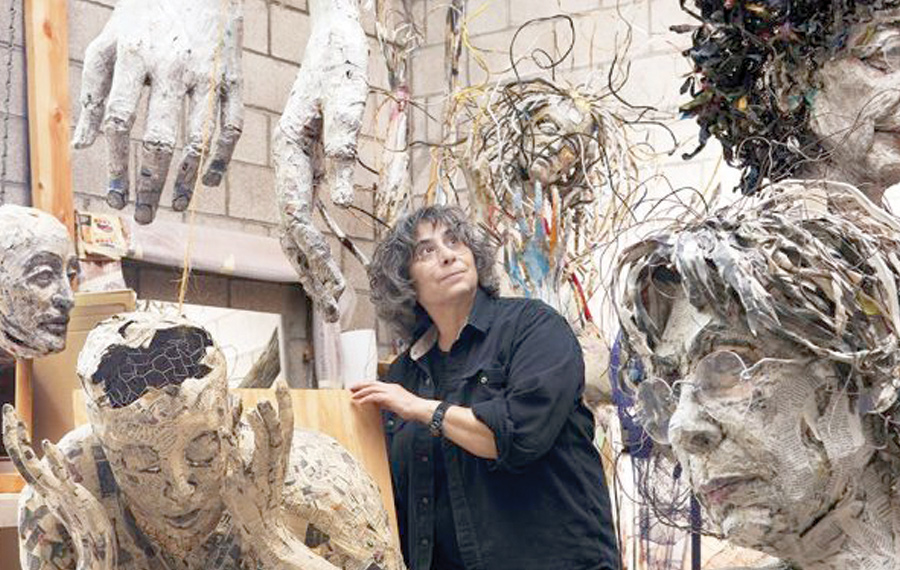
Mindy Alper
“Heaven is a Traffic Jam” Join the Jewish L.A. Special Needs Trust and Services for a screening of the 2018 Oscar-winning short documentary, “Heaven Is a Traffic Jam on the 405,” which chronicles the life of special needs client Mindy Alper, an accomplished artist and sculptor. Director Frank Stiefel participates in a post-screening Q-&A session. A kosher breakfast will be served. 10:30 a.m.-12:30 p.m. $55-$100.Laemmle Royal Theater, 11523 Santa Monica Blvd., Santa Monica. (310) 773-9728. eventbrite.com.
“Lives Well Lived” Celebrating the wit, wisdom and unusual experiences of men and women between the ages of 75 and 100, ChaiVillageLA holds a free screening of “Lives Well Lived.” Inspired by her 99-year-old grandmother, Sky Bergman, a professor of photography and video at Cal Poly in San Luis Obispo, interviewed 40 people who share intimate memories and advice on how to live a meaningful life. 2-4 p.m. Free. Temple Emanuel of Beverly Hills, Weinberg Auditorium, 8844 Burton Way, Beverly Hills. (310) 288-3737. tebh.org.
TUE JULY 2
“Fighting Anti-Semitism” Dina Porat, chief historian at Yad Vashem and professor emeritus of contemporary European Jewry at Tel Aviv University, addresses the Sinai Temple Men’s Club on “Fighting Anti-Semitism and Racism: A Call to Action.” Farshad Rafii, acting president of the Sinai Temple Men’s Club, gives welcoming remarks. Hors d’oeuvres served. 6:30 p.m. reception. 7 p.m. program. Free. Sinai Temple Ziegler Hall, 10400 Wilshire Blvd., Los Angeles. (310) 474-1518.
THU JULY 4
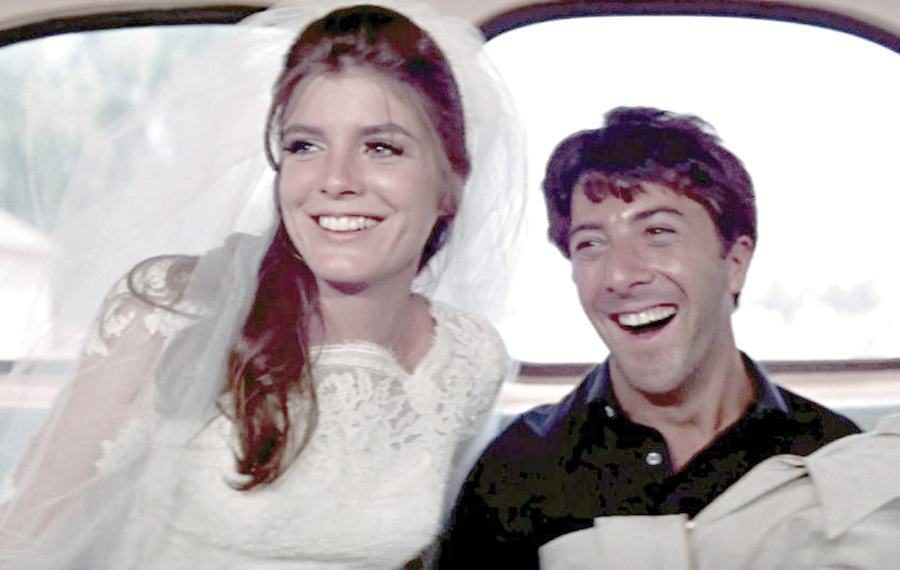
“The Graduate” More than 50 years after its debut, Mike Nichols’ acclaimed film “The Graduate,” starring Dustin Hoffman and Anne Bancroft and featuring music by Simon & Garfunkel, returns for a single holiday showing. Unsure of the direction of his fresh-out-of-college career, Hoffman’s Benjamin Braddock enters into an affair with the wife of his father’s law partner, Mrs. Robinson (Bancroft), whose name, like the film, became legendary. 10:30 a.m. $20. Vista Theatre,4473 Sunset Drive, Los Angeles. (323) 660-6639.
IAC’s Summer Hackathon Demo Teenagers and adults are encouraged to participate in a cutting-edge leadership and entrepreneurship project-based learning program for teens. The Israeli American Council’s (IAC) Summer Hackathon Demo Day, spotlighting Israeli American innovation, includes product pitches, a Fourth of July barbecue and a holiday celebration. 9 a.m.-12:30 p.m. Free. American Jewish University, 15600 Mulholland Drive, Los Angeles. (818) 451-1201.
Have an event coming up? Send your information two weeks prior to the event to ryant@jewishjournal.com for consideration. For groups staging an event that requires an RSVP, please submit details about the event the week before the RSVP deadline.
The Israel Film Festival in Los Angeles held its annual sponsors luncheon on June 13 at the Beverly Hilton. The festival, which bills itself as the largest showcase of Israeli films in the U.S., used the luncheon to kick off its 33rd festival, which is set to run Nov. 12-26.
Meir Fenigstein, founder and executive director of the festival, addressed the crowd of more than 150 attendees, saying, “It is hard to believe I started this labor of love 33 years ago. Over these many years, I’ve seen the festival grow from just a few films on a single screen to the amazing celebration it has become now.”
During the luncheon, the festival presented Israeli television executive, producer and CEO of Keshet Media Group Avi Nir with the 2019 Israel Film Festival Visionary Award. Nir is known for producing such hit shows as “Homeland,” “Tyrant” and “The A Word.”
Israeli filmmaker Guy Nattiv received the 2019 Israel Film Festival Achievement in Film Award, which was presented to him by his wife, actress Jaime Ray Newman. Born and raised in Tel Aviv, Nattiv has directed such acclaimed Israeli films as “Strangers” and “The Flood.” His first American short film, “Skin,” won the 2019 Academy Award for Best Live Action Short.
Legendary director Roger Corman was recognized with the 2019 Israel Film Festival Lifetime Achievement Award. Corman has produced and directed more than 500 films including “Little Shop of Horrors,” “House of Usher” and “The Wild Angels.” Corman has also been credited for discovering Jack Nicholson, Francis Ford Coppola, Peter Fonda, Bruce Dern, Diane Ladd, Peter Bogdanovich, Robert De Niro, Martin Scorsese, Ron Howard and James Cameron.
In his acceptance speech, Corman said, “I think the Israeli Film Festival is important for a number of reasons. First, its mission of showing Israeli films to Hollywood and to the world. But in addition to spreading the information on Israeli films, it shows the world the culture of Israel, and I think one of the greatest things that filmmakers can do is to show the culture of their countries and way of living to the world so that it fulfills part of a mission of bringing the world together.”
Attendees included director Joe Dante, who presented to Corman; Rick Rosen, founding partner at William Morris Endeavor and 33rd Israel Film Festival Chairman; actress Lainie Kazan; and comedian Elon Gold, who served as the master of ceremonies.
— Shawn Rodgers, Contributing Writer
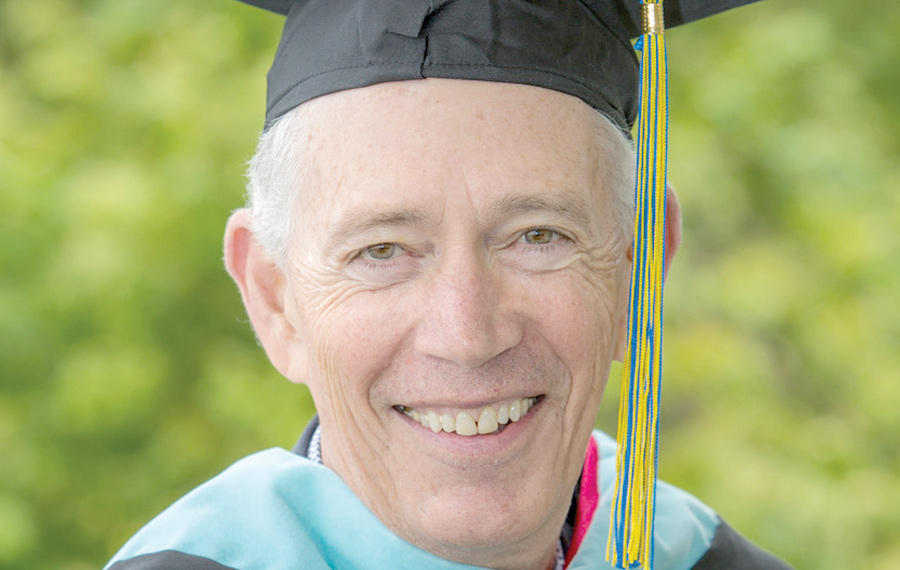
Jewish Community Foundation of Los Angeles President and CEO Marvin Schotland received an honorary doctor of humane letters degree from American Jewish University. Photo courtesy of the Jewish Community Foundation of Los Angeles
Marvin Schotland, president and CEO of the Jewish Community Foundation of Los Angeles, was conferred a doctor of humane letters honoris causa degree by American Jewish University (AJU) during its 69th commencement ceremony, held May 19 at AJU.
Schotland’s honorary doctorate coincided with his 30th anniversary leading the Jewish Community Foundation, which manages charitable assets for more than 1,300 families.
Presenting Schotland with his degree, AJU President JeffreyHerbst said, “You have led a remarkable increase in resources that are devoted to Jewish philanthropy. You have led continual reinventions of the foundation to reflect the changing nature of problems in our society and the evolving role for the Jewish community. And you have [written and] spoken out about and devoted resources to issues that extend beyond the Jewish community and affect us all.”
Accepting the degree, Schotland said, “I am honored and humbled by this unexpected recognition from American Jewish University. Whatever my accomplishments, they would not have been possible without the tireless contributions and support of the foundation lay leaders and staff with whom I’ve been privileged to work these past three decades, my loving family, and our community of donors blessed with both compassionate hearts and the resources to act.”
Rabbi Bill Kaplan, executive director of the Shalom Institute; Barbi Weinberg, founding president and chairman emerita at the Washington Institute for Near East Policy; and Paul Root Wolpe, research chair in Jewish bioethics and director of the Center for Ethics at Emory University, were also recognized during the ceremony. Wolpe and Weinberg received honorary degrees and Kaplan was given the Mickey Weiss Award for Outstanding Alumni.
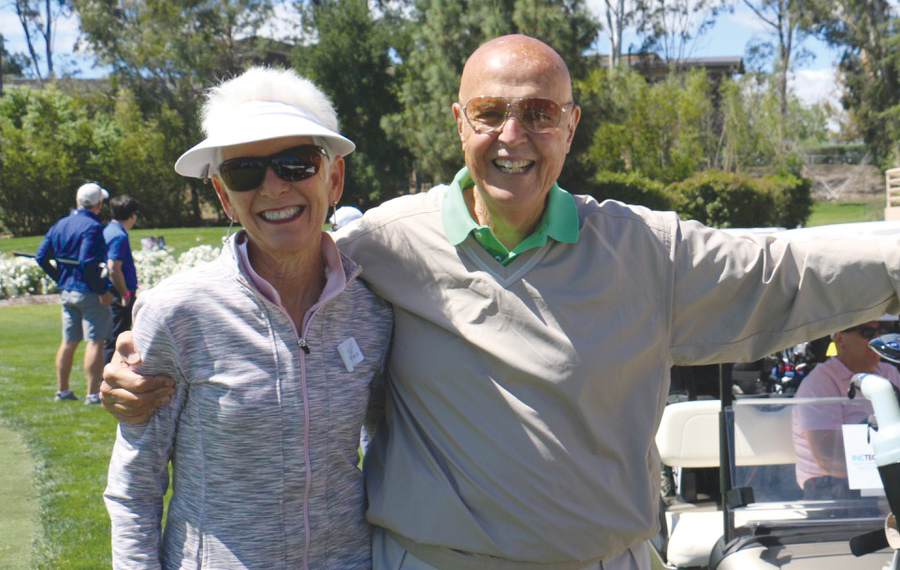
DeeDee and Karl Sussman enjoyed the Jewish Big Brothers Big Sisters of Los Angeles 24th Annual Golf Classic. Karl Sussman was honored at the event. Photo courtesy of Jewish Big Brothers Big Sisters of Los Angeles
Jewish Big Brothers Big Sisters of Los Angeles (JBBBSLA) held its 24th annual Golf Classic on May 20, honoring longtime supporter Karl Sussman.
The tournament brought together more than 140 players and supporters at the Valencia Country Club. Funds raised will enable underserved children to attend the agency’s camp, Camp Bob Waldorf (CBW), for free this summer.
This year, the organization raised more than $375,000, an agency record, giving more than 1,200 youth-in-need a camp experience. The event’s top sponsor, City National Bank, is committed to giving back to low-income families, according to JBBBSLA.
Sussman has been involved with JBBBSLA and CBW for more than 55 years. From mentoring six “Little Brothers,” to serving on the board of directors since 1973, Sussman has been a supporter of the agency in numerous ways. He has dedicated his life to helping those in need, JBBBSLA said.
Camp Bob Waldorf Director Zach Lasker said he was thrilled with the community support of this year’s Golf Classic.
“Camp is a safe space where kids discover their unique abilities, form life-lasting friendships, build self-confidence and unplug in the outdoors,” Lasker said. “Our community embraces the responsibility to ensure that kids from underserved families can access this transformative experience.The men and women joining us embody the vision, generosity, and spirit that lifts kids up on their journey.”
Owned and operated by JBBBSLA, Camp Bob Waldorf is a nondenominational residential camp located on 112 acres in the Verdugo Mountains of Glendale. Since 1938, the camp has helped more than 60,000 underserved children, offering youth development activities for children as young as 9 and providing services to them through the age of 17 and beyond.
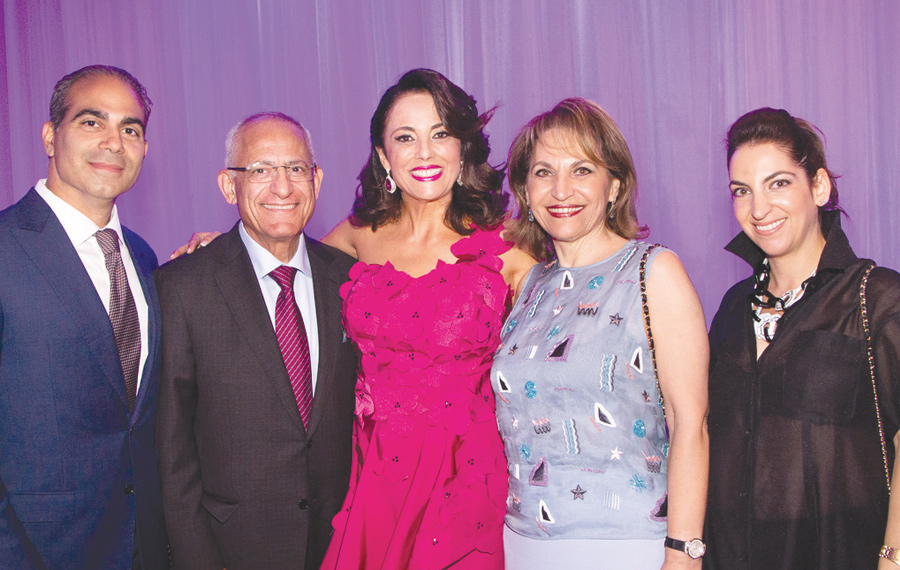
From left: Allen Kamrava, Ebi Simhaee, Angela Maddahi, Lida Simhaee and Dalia Kamrava attended the 2019 Sinai Temple Stronger Together gala, which honored Maddahi. Photo courtesy of Sinai Temple
On June 16, more than 500 Sinai Temple members and supporters gathered to honor President Angela Maddahi for her two years of dedicated service and leadership.
The evening also celebrated the contributions of 2019 Stronger Together Ambassadors Beatrice and Sean Dayani, who are Sinai Temple Religious School parents; and Cici and Dr. David Hallegua, who are Sinai Akiba Academy parents.
The theme of the evening was “Stronger Together,” and the gala’s “overwhelming feeling of unity brought the community together as one,” a Sinai Temple statement said.
Program highlights included musical performances by Sinai Temple Cantor Marcus Feldman; Persian-American musician Chloe Pourmorady; and a children’s choir composed of both religious school and Sinai Akiba students.
The gala raised more than $400,000 in support of Sinai Temple and was co-chaired by Roz and Abner Goldstine; Shirin and Sam Parsi, Anna and Bill Tenenblatt and Helen Sztrigler Weston and Richard Weston.
Want to be in Movers & Shakers? Send us your highlights, events, honors and simchas.
Email ryant@jewishjournal.com.
(JTA) — Nineteen percent of Americans think small business owners should be allowed to refuse service to Jews if doing so would violate their religious beliefs, a new poll shows.
The survey found increased support for business owners to refuse service to a number of other groups as well, including gays and lesbians, transgender people, atheists, Muslims and African Americans.
The proportion of Americans who think small businesses should be able to refuse service to gays and lesbians was the highest among all the minority groups, at 30 percent. The other groups ranged from 15 percent for African Americans to 29 percent for transgender people.
A significantly higher proportion of Republicans approved of service refusals in all categories than Democrats did. Twenty four percent of Republicans thought small business owners should be allowed to refuse service to Jews based on religious grounds. That number was 17 percent for Democrats.
PRRI surveyed 1,100 adults via phone with a margin of error of plus or minus 3.5 percent.
New York Gov. Andrew Cuomo (D) called Rep. Alexandria Ocasio-Cortez’s (D-N.Y.) comparison of the migrant detention facilities at the United States-Mexico border to concentration “wholly inappropriate.”
In a June 26 press conference, Cuomo said that the Holocaust was “one of the greatest scourges in history. Six million Jews died during the Holocaust. There is no comparison to the Holocaust. Period.”
He added that such a comparison “suggests one does not understand what happened in the Holocaust.” However, Cuomo also said the conditions of the migrant detention facilities constituted a “human rights violation.”
Cuomo’s comments are similar to HBO’s Bill Maher’s take on the matter as well as myriad Jewish groups who argue that the conditions of the detention facilities are poor, but calling them concentration camps trivializes the Holocaust. Ocasio-Cortez has argued that she was not invoking the Holocaust, but her critics contend that her use of the phrase “never again” in her June 17 Instagram live stream suggest otherwise.
Ocasio-Cortez continues to defend her remarks, tweeting on June 26, “Words matter.”
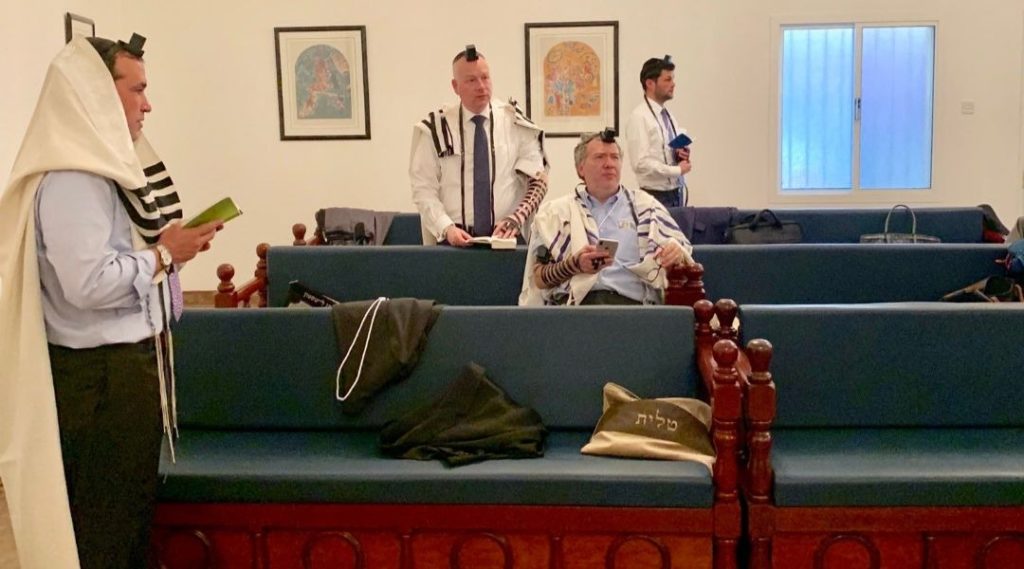
WASHINGTON (JTA) — Jason Greenblatt, President Trump’s top Middle East negotiator, led Jewish prayer services at a synagogue in Bahrain this week, during the conference there that rolled out the economic portion of the Trump administration’s peace plan.
Greenblatt mustered an Orthodox minyan — a quorum of ten adult Jewish males — for morning services Wednesday at the synagogue, which dates to the 19th century. Participants were among the businessmen, officials, journalists and think-tank employees attending the conference.
Houda Nonoo, the former Bahraini ambassador to the United States and a member of the country’s Jewish community of 35 or so people, said minyans were rare in the synagogue, tending to take place more at cemeteries and in people’s homes.
“It was an amazing experience to see everybody here together,” she told i24, an Israel-based news channel. She could not remember the last time the synagogue had shacharit, or the morning prayer service.
Greenblatt posted a picture of the service on Twitter.
“A special opportunity to daven (pray) this morning with a minyan (quorum) in a synagogue in Bahrain,” he said. “Great way to start today. I was asked what I prayed for — two things: my family, who I miss deeply and of course for peace. This is an example of the future we can all build together.”
The conference wrapped up on its second day without news of whether Jared Kushner, the peace team’s boss and President Donald Trump’s son-in-law, had extracted the $50-70 billion in pledges he is seeking to seed the infrastructural changes he says the Palestinian economy needs as a predicate for peace.
The Palestinian Authority is boycotting the conference, in part because Trump has favored Israel by recognizing Jerusalem as Israel’s capital, and because Trump and Congress have cut off all U.S. funding to the Palestinians.
“The overall consensus is that this is a very executable plan if we’re able to get a political solution and if we have the right governing structure in place,” Kushner said in a video recapping the conference that the White House posted on Twitter.
The same day the conference opened, on Tuesday, officials of the United Nations Work and Relief Agency, which administers aid to Palestinian refugees and their descendants, garnered $113 million in pledges to help make up for the $360 million the Trump administration had cut in funding for the agency.
“I think the situation is extremely precarious when you think of a million people not receiving food assistance in Gaza,” UNRWA chief Pierre Krahenbuhl told the Associated Press.
The Bahrain conference, while inconclusive in its immediate goals — Kushner says he will roll out the political component of his plan later this year — was yet another signal of growing acceptance of Israel in the Arab world. Bahrain for the first time allowed Israeli journalists to enter to cover the conference.
Khalid bin Ahmed Al Khalifa, the Bahraini foreign minister, said that Israel was now a given in the region.
“Israel is part of this heritage of this whole region, historically,” the foreign minister said. “The Jewish people have a place amongst us.”
(JTA) — The manager of a popular restaurant in Pittsburgh was fired after he shared an anti-Semitic post on Facebook.
Yokoso Japanese Steakhouse owner Jeff Kim apologized in a Facebook post for the action of his employee, calling it “inexcusable.” He also wrote: “Please know that his comments and views do not reflect the values of the restaurant and its employees. His employment has been terminated.” The restaurant is located on the city’s waterfront.
The post was a meme that shows the interior of an oven and read “Jewish bunk beds for sale.”
The restaurant staff learned of the post on Sunday and the employee was fired on Monday.
The employee, identified as Stephen Guyer, told the Pittsburgh Tribune-Review that the post was a “huge mistake” and that he thought the meme “was something about a Danish bunk bed.”
He added: “My life has been ruined now. I would never disrespect Jewish people intentionally. I love all people no matter their race, color or religion. I made a mistake and I’m very sorry for the outcome.”
The post comes eight months after an attack on the Tree of Life synagogue that left 11 worshippers dead. The restaurant is located about four miles from the restaurant.
Before he lived in Jerusalem, adjacent to the famous Machane Yehudah shuk, you could find Joel Haber walking the streets of New York and then Los Angeles. In these large cities, if you were Jewish, your circles probably overlapped. Everyone knew “Fun Joel.”
Haber made aliyah in March 2009 at the age of 38. Finding himself too old to serve in the army, his friend suggested he become a tour guide. He took the two-year course and later opened Fun Joel’s Israel Tours. Guiding uses his love of story, which he previously explored in the world of screenwriting, in “a different way of serving the country by exposing it to lots of visitors and showing them how wonderful this place is.”
Jewish Journal: Why did you make aliyah?
Joel Haber: Because it’s awesome. On prior trips, including a gap year between high school and university, I really loved it and wanted to make aliyah eventually, but didn’t know when. My parents made aliyah six months before I did. My entire family was in Israel. I thought, maybe now is the time. I feel at home as a Jew here, but even if I weren’t Jewish, I appreciate the lifestyle and values and diversity.
JJ: What’s your favorite place to take tourists in Israel?
JH: Five to 10 percent of my guiding is on the road in the north. But I like virtually everywhere in this country. I do so much [touring] in Jerusalem, which I love and live in, including the shuk, the Old City, the Israel Museum etc., but on a personal level, I like to have the opportunity to go somewhere I haven’t guided lately. Each time, it’s somewhere different.
JJ:Tell us more about living next to the Machane Yehuda shuk.
JH: The shuk is the most genuine place in a genuine city … the variety of people who shop or sell there, the freshness of the food and the variety of the dishes, from approximately 20 countries. It’s a microcosm of the city. A big chunk of my touring is two-hour tasting tours in Machane Yehudah. I started it because I’m a foodie and am in the midst of working on a book about the cultural history of the Jewish people via its food. The shuk used to be my figurative home and now I live a block away, so it’s a literal home. It’s a fun and vibrant place where people can eat and taste delicious food, that is a window onto our society.
JJ: How has the shuk changed since you first made aliyah?
JH: When you look at the history of the shuk since the late 1800s, the only constants are change and people complaining about the change. In the 1920s and 1930s, the British were taking over, cleaning up and making the city nicer and more orderly. That was reflected by the construction of actual permanent buildings in the shuk, along paved streets. At the same time, under the British, Arab-Jewish tensions flared. And during the same time, those who sold in the shuk changed. The merchants used to be all Arab, then there was an increase in Jewish merchants concurrent with a decrease in Arab merchants. The change everyone looks at now is the nightlife. Ten years ago, it was dead at night. Now there’s bars, restaurants and live music because (former Jerusalem mayor) Nir Barkat focused on youth culture.
JJ: What place in Jerusalem do you consider to be “yours”?
JH: The shuk in general. I’ll even go there and walk around to clear my mind without shopping or sitting down to eat or drink anything. Just seeing the people, I get a jolt of energy. It’s like standing on a side street in New York and feeling the energy of the city. There are also specific places. After I moved here, the Lion’s Den (a sports bar) opened. I helped them with some stuff and they named a platter after me (The Fun Joel Platter, with chicken fingers, Buffalo wings, french fries, onion rings, cucumbers and tomatoes), but eventually, the bar closed. Now, Hatch (a small craft beer taproom with a rotating menu of artisanal sausages) is a place I hang out a lot, where a nice young American oleh makes everything from scratch.
JJ: Have you experienced any challenges between Israelis and Palestinians, or secular and Charedi Jews?
JH: Those things come up periodically. We have always had such tensions. But I don’t personally experience them very much. I don’t hang in Mea Shearim (a religious Jewish neighborhood) or in Shu’afat (an East Jerusalem Palestinian Arab neighborhood). The shuk is, in many ways, the island of peace in the middle; everyone comes there. Jews, Arabs, Catholic nuns, Greek Orthodox monks. Orthodox Jews, secular Jews and everything in between. Old people, youth, students, foreign workers. … When you’re in a situation when people are going about their daily business, it’s just normalcy. That’s in no way saying that these tensions don’t exist. They’re macro problems for the country. But on a micro level, I don’t experience them. I’ve been through the main streets of the Muslim Quarter at night with my kippah on and nothing. But I’m not being provocative and neither is anyone else. People just want to live.
JJ: What makes Fun Joel’s Israel Tours different from other tours?
JH: Interestingly, my background in LA helps with my tours here. I come from the world of screenwriting. I’m no longer doing that here, but I’m still using those skills: crafting a narrative, thinking about what information to hold off on to use later for a payoff. Most tour guides have the knowledge. Many of them also have the ability to deliver it well. I may have some strengths that make me better than others. I try to make a connection with my group. I find out what they’re interested in and speak to that.
JJ: What does today’s Israel need that it doesn’t have?
JH: Patience. On a personal level, people aren’t as patient or respectful of each other as they should be. Also, Kirby cucumbers. We can’t make real pickles here.
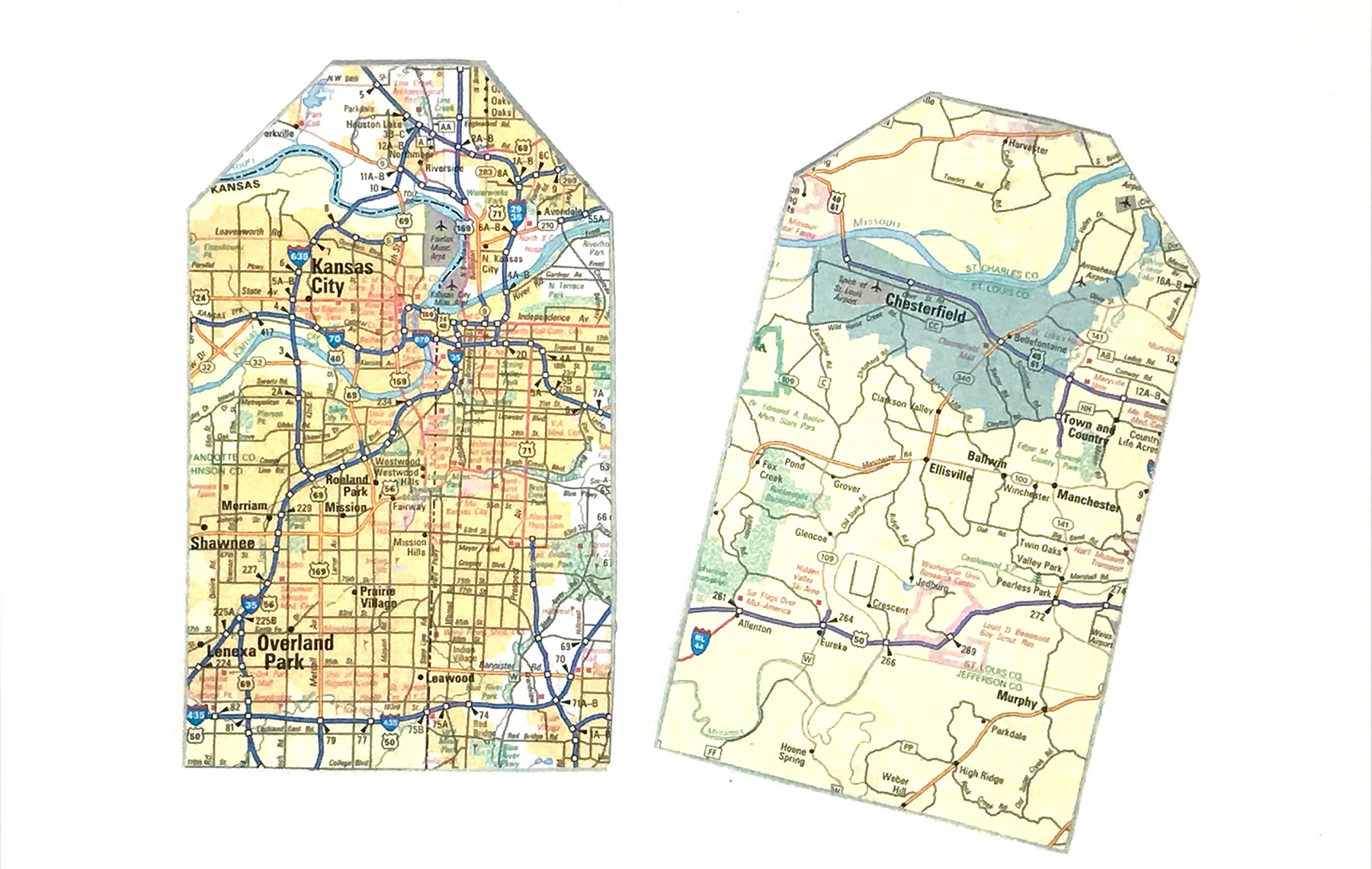
Now that it’s summer, you may be planning on a well-deserved vacation. If so, travel in style with this do-it-yourself luggage tag. It comes together in just a few minutes with old maps (hello, Thomas Bros. Guide) and packing tape. Instead of maps, you can use practically any form of paper: comic books, wrapping paper, photographs — even Jewish Journal covers.
What you’ll need Old map
Duct tape
Clear packing tape
Scissors or hobby knife
Cutting mat
Hole punch
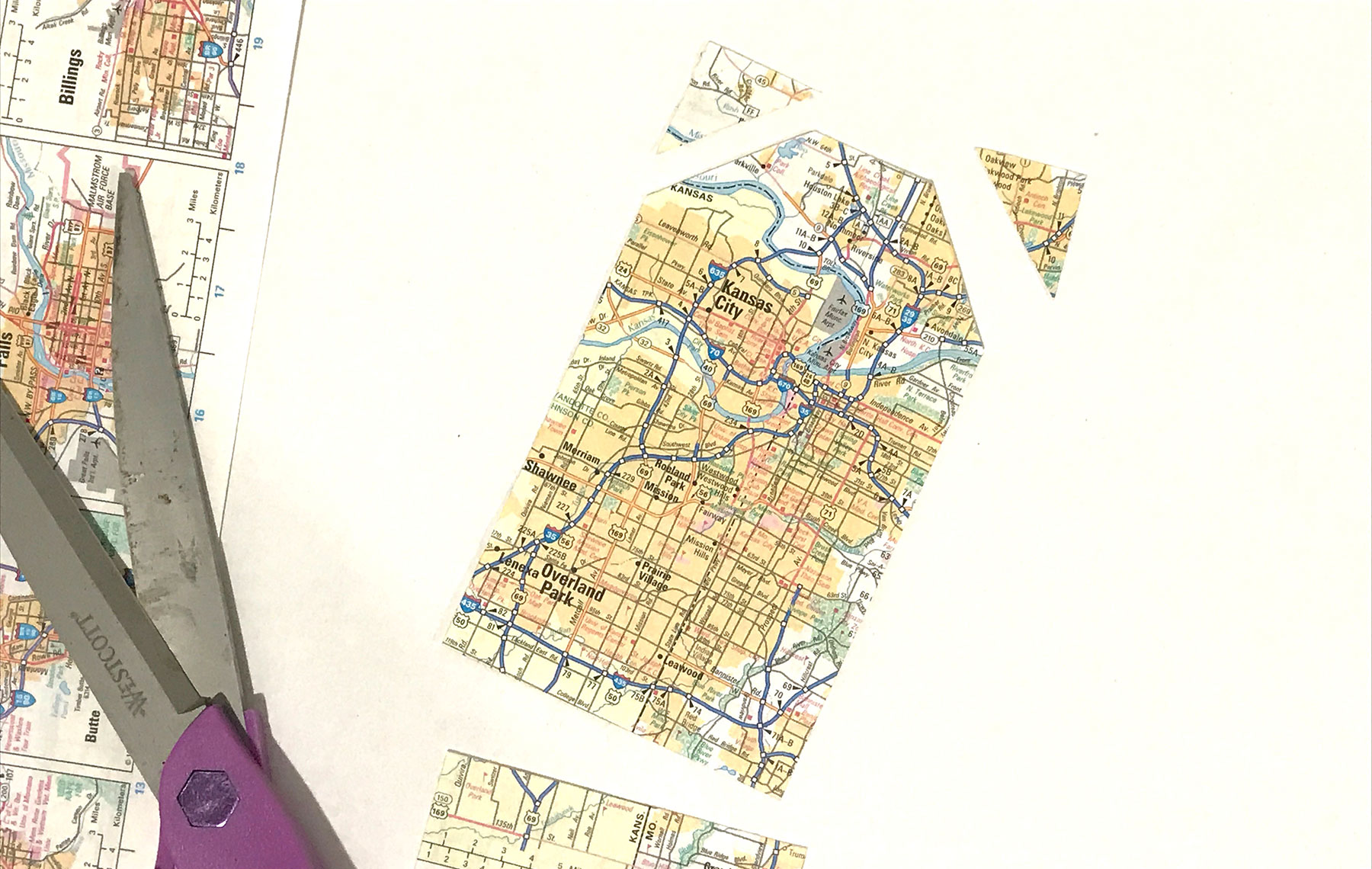
1. Cut out a luggage tag shape with scissors or a hobby knife. I made mine three inches by 5 inches and then trimmed the two corners of one side at a 45-degree angle.
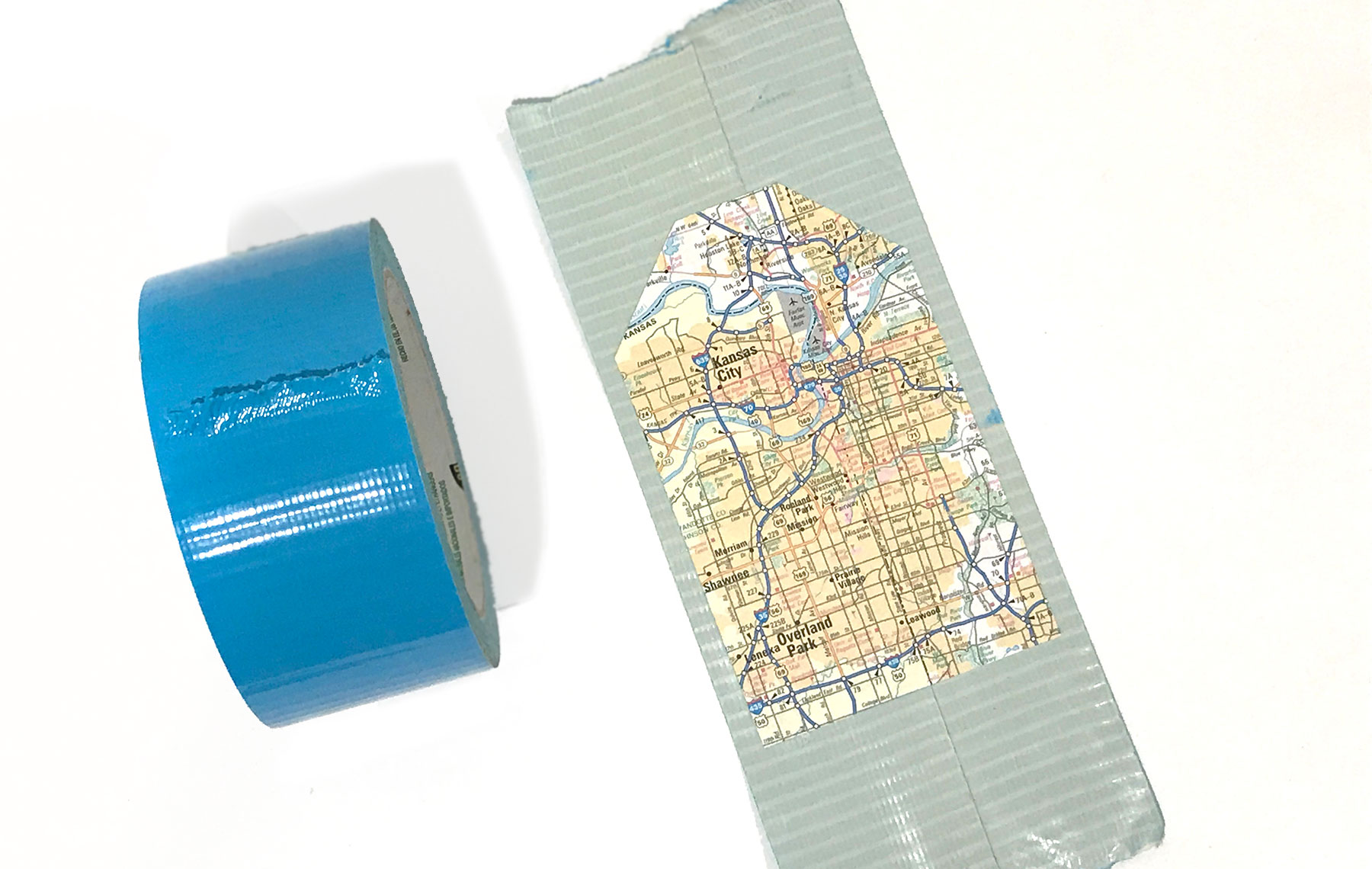
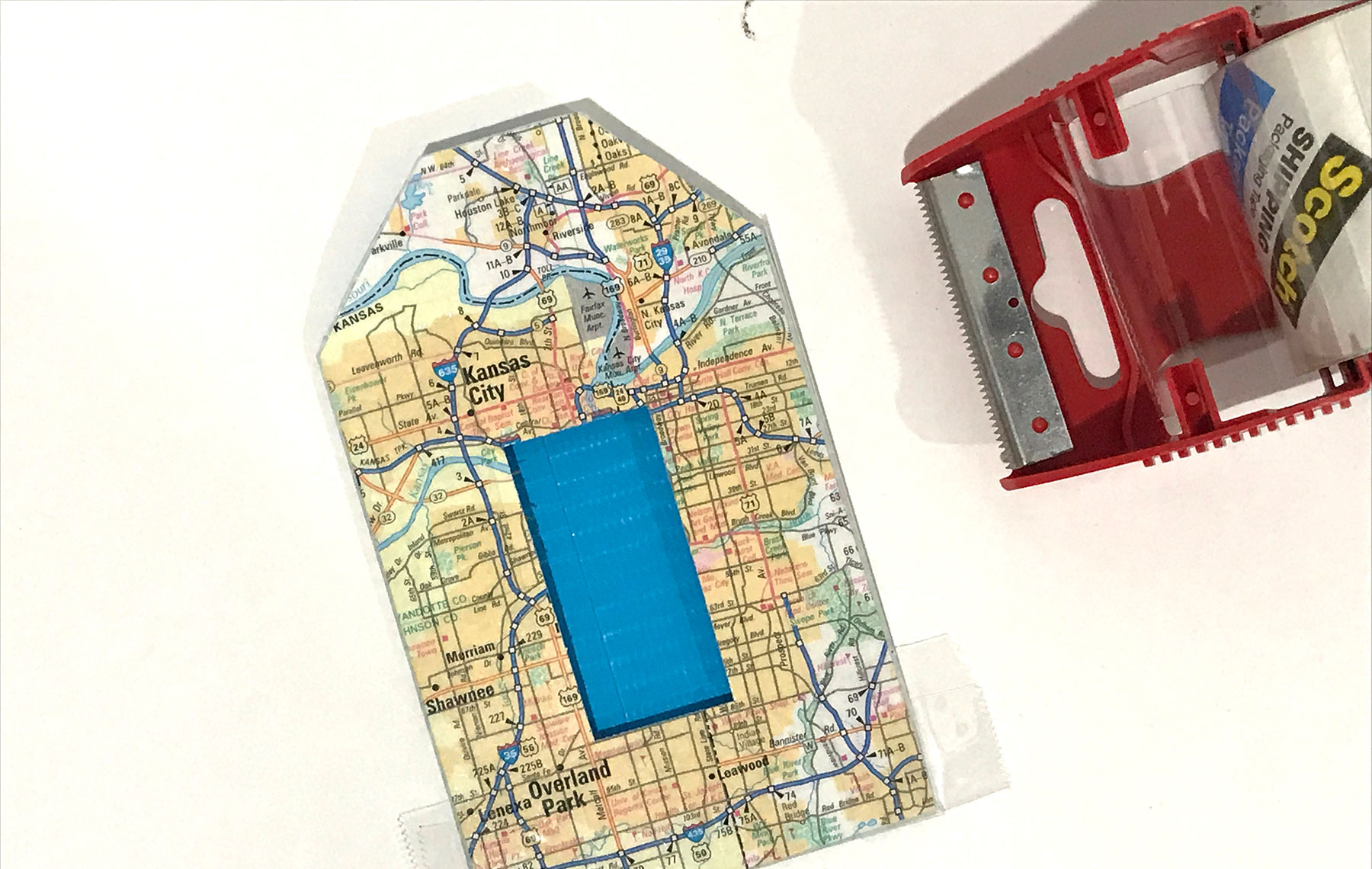
2. Tear two pieces of duct tape that are at least 6 inches long and overlap them to make a wider piece. Position the map luggage tag on the sticky side of the duct tape and press down firmly.
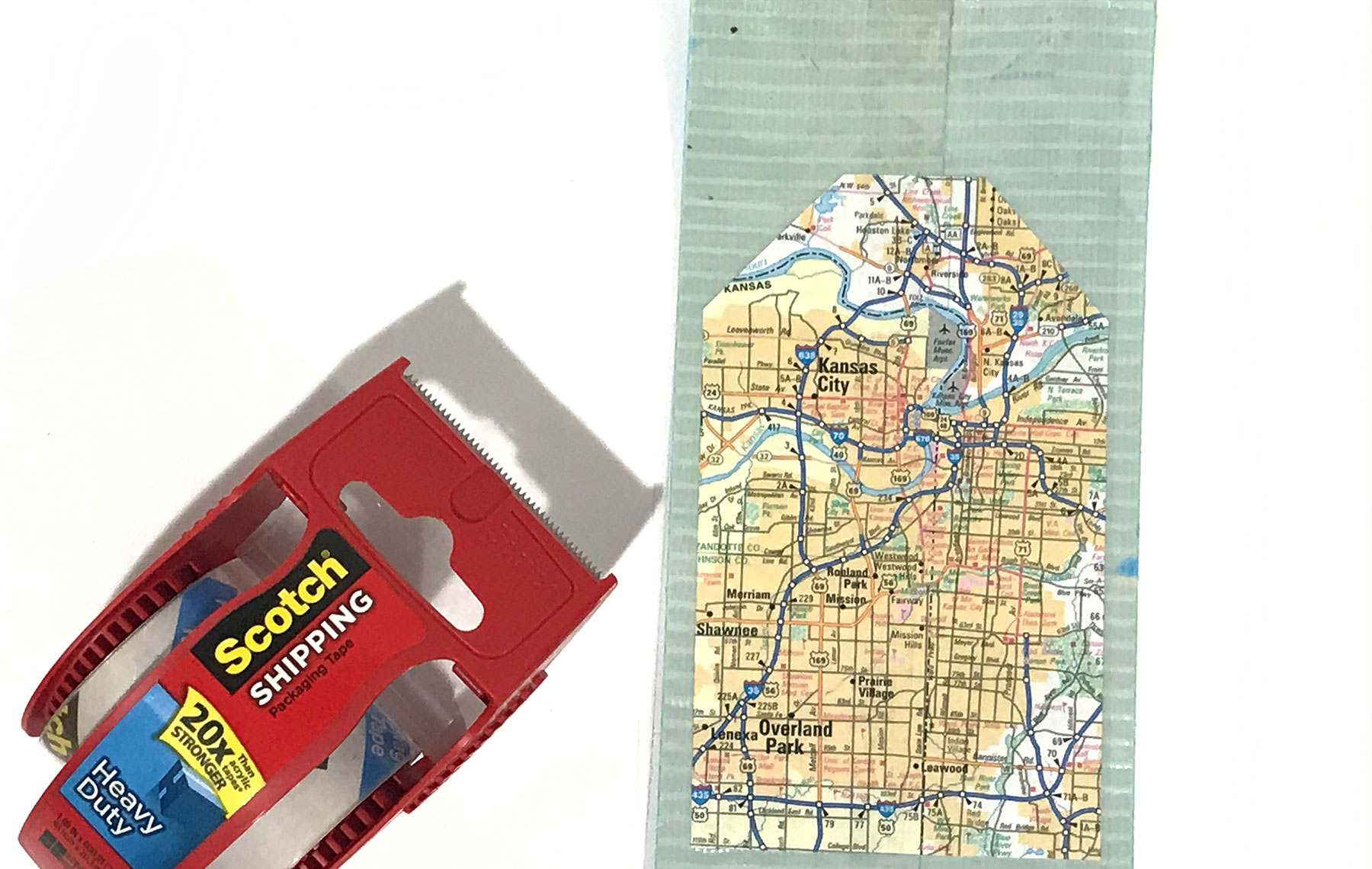
3. Apply clear packing tape to the top, overlapping pieces to completely cover the luggage tag.
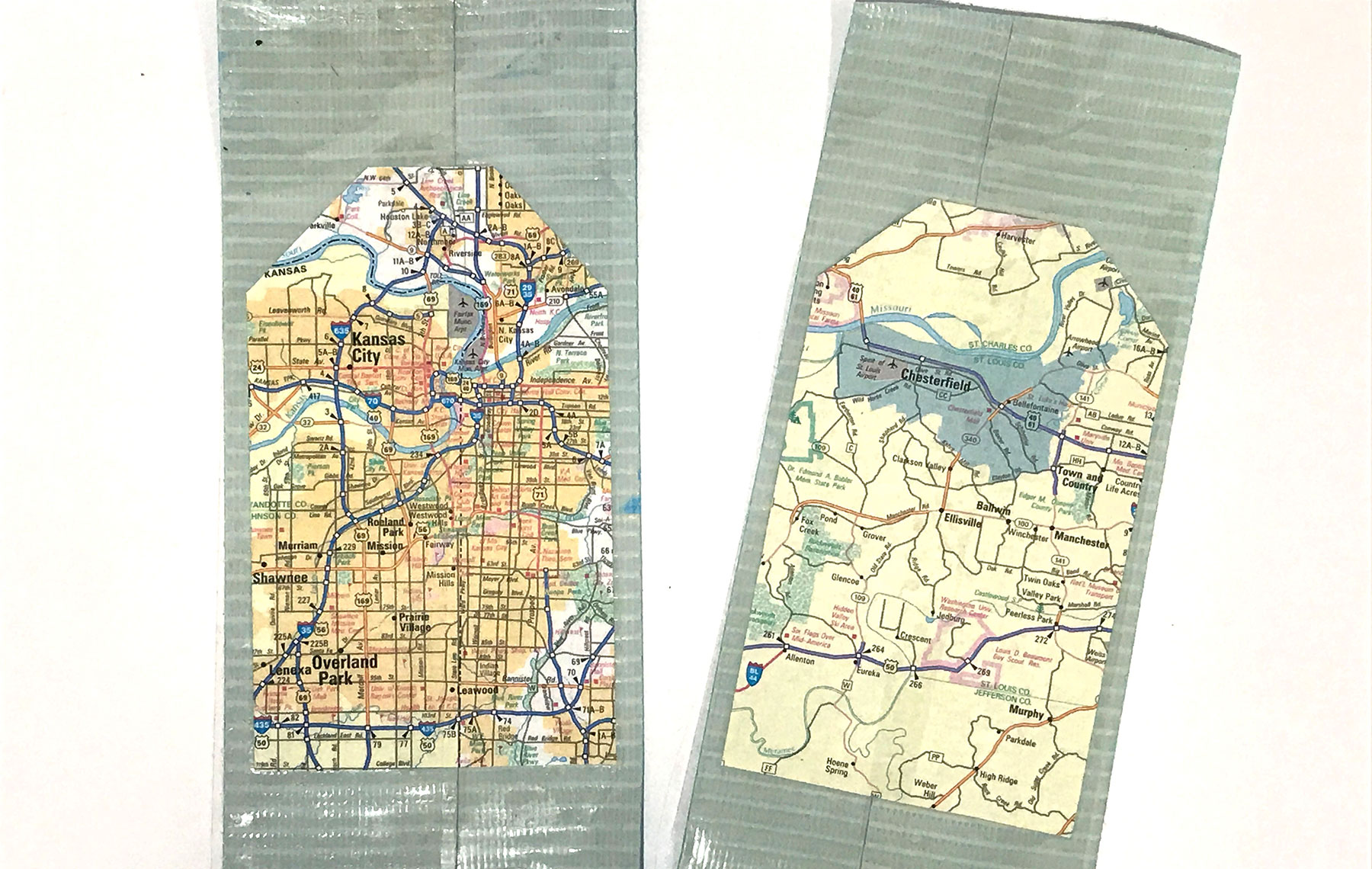
4. Repeat. You’ll need one piece for the front and one for the back.
5. Trim the edges to remove the excess duct and clear packing tape.
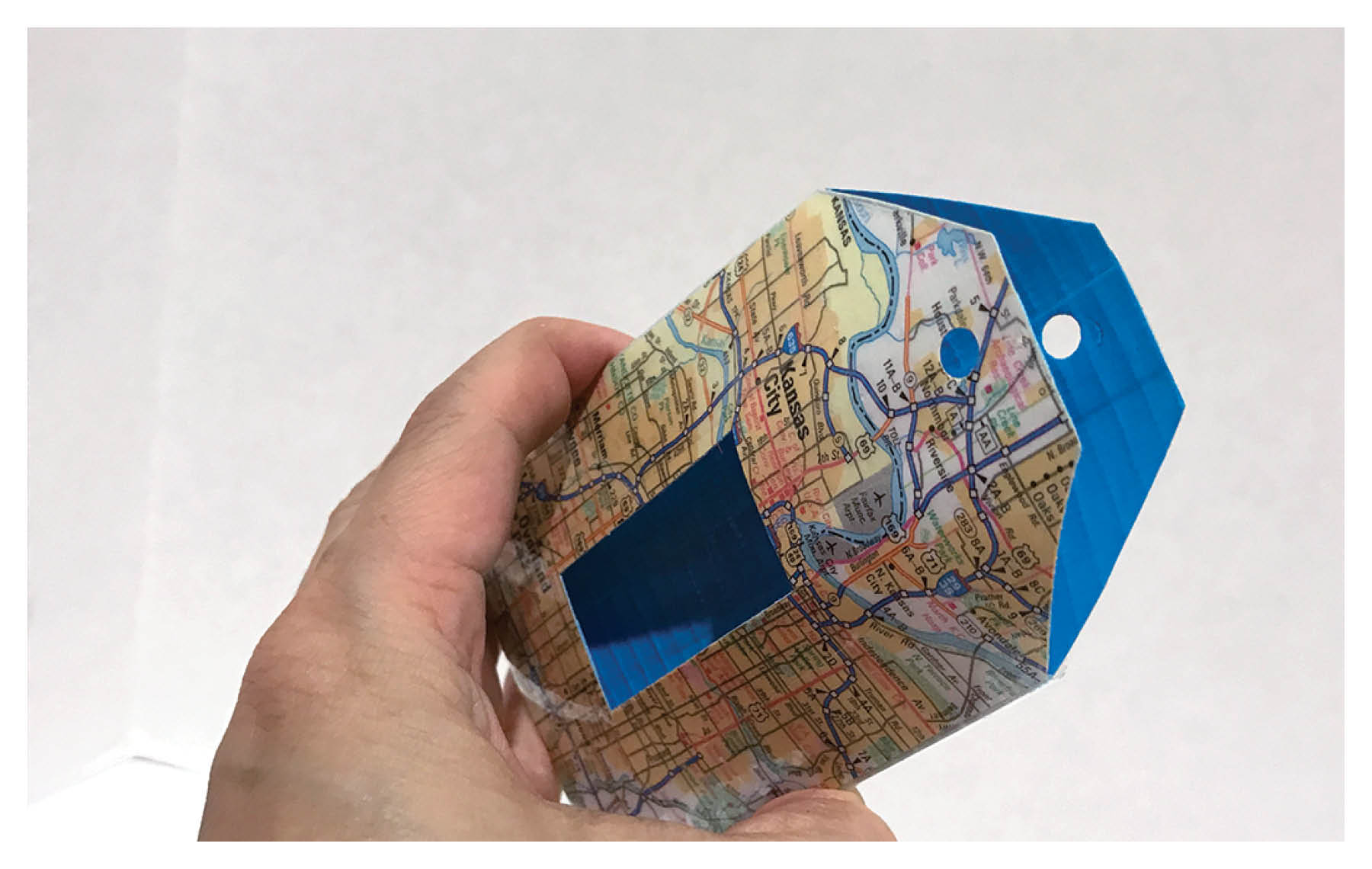
6. On the front piece, cut out a rectangular opening in the center that is about 1-by-2 inches.
7. Adhere the front and back pieces together with clear packing tape on three sides. Do not tape the sides that have the diagonal cuts so you are able to insert identification.
8. Punch a hole at the end that is not taped together. Hang the tag to your luggage with ribbon or a ball chain key chain. Safe travels!
Jonathan Fong is the author of “Flowers That Wow” and “Parties That Wow,” and host of “Style With a Smile” on YouTube. You can see more of his do-it-yourself projects at jonathanfongstyle.com.
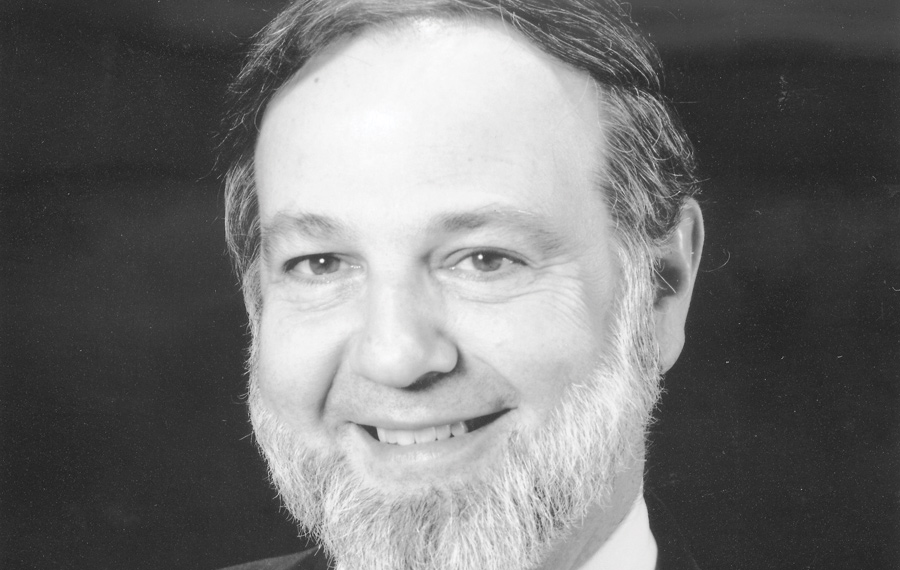
Rabbi Richard N. Levy, who died June 21 at the age of 82, was dedicated to making the world a better place.
Soon after his ordination from Hebrew Union College-Jewish Institute of Religion (HUC-JIR) in 1964, he traveled with 15 colleagues to St. Augustine, Fla., for a civil-rights demonstration. It landed them in jail, but not before they attended a church service where Rev. Martin Luther King, Jr. greeted them as “Moses’ children.”
Levy was born on June 9, 1937, inRochester, N.Y., the son of Mauree and Miriam Levy. The family had deep roots in the city’s Jewish community. His great-grandfather Isaac Lipsky helped found the Leopold Street shul, and his great-uncle was Zionist leader Louis Lipsky. His cousin, Ben Goldstein, was executive director of Temple B’rith Kodesh in Brighton, N.Y. By the time he was a bar mitzvah, Levy knew he wanted to become a rabbi.
He received his undergraduate degree from Harvard and was ordained by HUC.Originally posted to Temple Beth Am in suburban Yorktown Heights, N.Y., in 1965, the following year, Levy settled in Los Angeles, where he served as assistant rabbi for two years at Leo Baeck Temple, one of the progressive bastions of the Reform movement.
Levy’s social justice instincts traveled west with him. He was one of the cofounders of Bet Tzedek Jewish Legal Services in 1972 and was tireless in his efforts to find a peaceful solution to the Israeli-Palestinian conflict.
He brought that dedication to his next position at UCLA, where he was director of the campus’ Hillel Council until 1975 and director of the Los Angeles Hillel Council until 1999.
That same year, Levy was named director of the School of Rabbinical Studies on the Jack H. Skirball Campus of HUC-JIR. During his 10 years on the job, the school graduated its first students (previously, students had to transfer to the Cincinnati or New York campuses to complete their studies). He remained there as a lecturer, as rabbi of the campus synagogue and as director of spiritual growth until he retired in 2014.
During his tenure at HUC, Levy was named president of the Central Conference of American Rabbis (CCAR), the principal organization of Reform rabbis. In 1999, he was one of the prime movers behind its “Statement of Principles for Reform Judaism.” The document, which Levy reworked and published as “A Vision of Holiness: The Future of Reform Judaism” in 2005, advocated for the Reform movement to return to traditional Jewish rituals: wearing the kippah, praying in Hebrew and observing mitzvot such as Shabbat and kashrut. In a 2005 interview with the Journal, he explained his thinking: “Mitzvot are sacred obligations and the means by which we make our
lives holy. It’s both spiritual responding to
what God has asked us to do, and practice-oriented — doing things that are in the Torah.”
In addition to “A Vision of Holiness,” Levy was the author of“On Wings of Awe” (1985), a High Holy Days prayer book, a Passover haggadah, “On Wings of Freedom” (1989) and “On Wings of Light” (2000). His last book was 2017’s “Songs Ascending,” a new translation and commentary on the Book of Psalms.
Levy’s influence, however, is most deeply felt in the legions of students he trained and mentored. Many of them took to social media to share their thoughts.
Rabbi Jason Rodich of San Francisco’s Congregation Emanu-El wrote: “I am filled with gratitude … for the chance to learn from his bold, sweet and passionate example. Rabbi Levy was about love and justice, two things I try to always bring to my work and my life.”
Rabbi Eleanor Steinman of Temple Beth Hillel, called Levy, “A teacher, a rabbi, a justice seeker, a person who loved his family, our God, prayer and making it meaningful, and the Jewish people … he taught me to meet people where they
are, to show up, and always encouraged me to smile.”
Rabbi Denise Eger of West Hollywood’s Congregation Kol Ami, posted that Levy “shaped generations of young Jews who had so many questions and doubts … He raised questions, challenged the status quo, protested, comforted and always had Jewish tradition at his core.”
Levy was a devoted family man. His marriage to Carol lasted 43 years, until her death in 2015. They had two daughters, Sarah and Elizabeth, who both survive him, along with a grandson, Elijah Kalista.