Today was a difficult day for those of us who care about food insecurity in America. This afternoon, The House of Representatives passed H.R. 2 (the Agriculture and Nutrition Act of 2018, otherwise known as the Farm Bill), which would make deep and structural cuts to how food insecure Americans access SNAP (food stamp) and other critical federal nutrition programs.
MAZON: A Jewish Response to Hunger is the only organization in American Jewish life devoted solely ending hunger and its causes in the United States and Israel. I have supported their work for decades.
Here are five short pieces from MAZON explaining why this disastrous, partisan and cruel piece of legislation must not become law.
PRESS RELEASE: Los Angeles, CA (June 21, 2018)
In response to the passage of H.R. 2 (the Agriculture and Nutrition Act of 2018, otherwise known as the Farm Bill), Abby J. Leibman, President & CEO of MAZON: A Jewish Response to Hunger, issued the following statement:
“By the slimmest of margins, the House of Representatives has failed the American people and passed the harmful and highly partisan Agriculture and Nutrition Act of 2018 (H.R. 2).
This vote represents a stunning failure of leadership. Speaker of the House Paul Ryan (WI-1) manipulated the process with a singular goal in mind: to advance his ideological and dangerous crusade to undermine our nation’s social safety net. His tactics represent politics at its worst; his success today is to the detriment of the American people.
This bill is nothing but a demonstration of a broken process, bad policy, and poor leadership. The American people deserve better.”
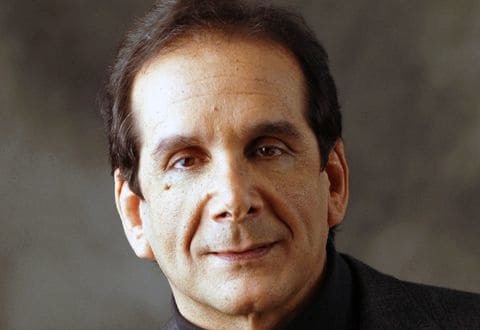
Charles Krauthammer, a longtime conservative pundit and staunch Israel supporter, passed away on June 21 at the age of 68.
Krauthammer announced on June 8 that he only had “weeks” to live after a recurrence of cancer occurred. He had a malignant tumor removed from his abdomen in August, which resulted in a series of health complications that kept him hospitalized.
Krauthammer had been optimistic that he would be able to be back on the political scene soon, but tests revealed his cancer had returned and was “aggressive,” prompting Krauthammer to write, “My fight is over.”
He concluded his announcement by stating that he had “no regrets.”
“It was a wonderful life — full and complete with the great loves and great endeavors that make it worth living,” Krauthammer wrote. “I am sad to leave, but I leave with the knowledge that I lived the life that I intended.”
Not only has Krauthammer been an intellectual giant amongst conservatives, he also been a fierce supporter of Israel; he was opposed to the 1993 Oslo Accords as well as the 2015 Iran nuclear deal.
For more on Krauthammer, check out the video below:
Remember when critics of Israel’s handling of the Gaza riots pointed to the news of an 8-month-old baby dying at the border to substantiate their argument? It is now being reported that Hamas paid the baby’s family to lie about the cause of death.
According to the Times of Israel, a cousin of the baby, Mahmoud Omar, admitted to Israeli interrogators that the baby, Layla Ghandour, had died of a pre-existing blood disease. Her brother had died from the same disease a year earlier.
And yet, her death was initially reported as being due to tear gas inhalation from Israeli soldiers. Layla’s mother had declared to the media, “The Israelis killed her!” Layla’s death soon became a cause célèbre among anti-Israel activists, although a subsequent report from AFP quoted a Gaza doctor who said that Layla had died from a medical condition.
The reason for the discrepancy: Hamas.
“Hamas leader Yahya Sinwar paid Layla’s parents, Miriam and Anwar Ghandour, NIS 8,000 ($2,206) to tell the media that the infant had died due to tear gas inhalation at the Gaza protests,” the Times of Israel reports.
Such instances of Hamas manipulation are not new. For instance, a video was taken at the border in May of a Palestinian using crutches that somehow found the ability to start running:
Additionally, journalist Matt Friedman revealed in a May New York Times op-ed that Hamas had threatened him into reporting a trumped-up casualty figure in the 2008 Israel-Hamas war.
“Early in that war, I complied with Hamas censorship in the form of a threat to one of our Gaza reporters and cut a key detail from an article: that Hamas fighters were disguised as civilians and were being counted as civilians in the death toll,” Friedman wrote. “The bureau chief later wrote that printing the truth after the threat to the reporter would have meant ‘jeopardizing his life.’ Nonetheless, we used that same casualty toll throughout the conflict and never mentioned the manipulation.”
Friedman added that Hamas was emboldened into this kind of action by a Western media that was hungry for an anti-Israel narrative.
“Hamas understood that Western news outlets wanted a simple story about villains and victims and would stick to that script, whether because of ideological sympathy, coercion or ignorance,” Friedman wrote. “The press could be trusted to present dead human beings not as victims of the terrorist group that controls their lives, or of a tragic confluence of events, but of an unwarranted Israeli slaughter. The willingness of reporters to cooperate with that script gave Hamas the incentive to keep using it.”
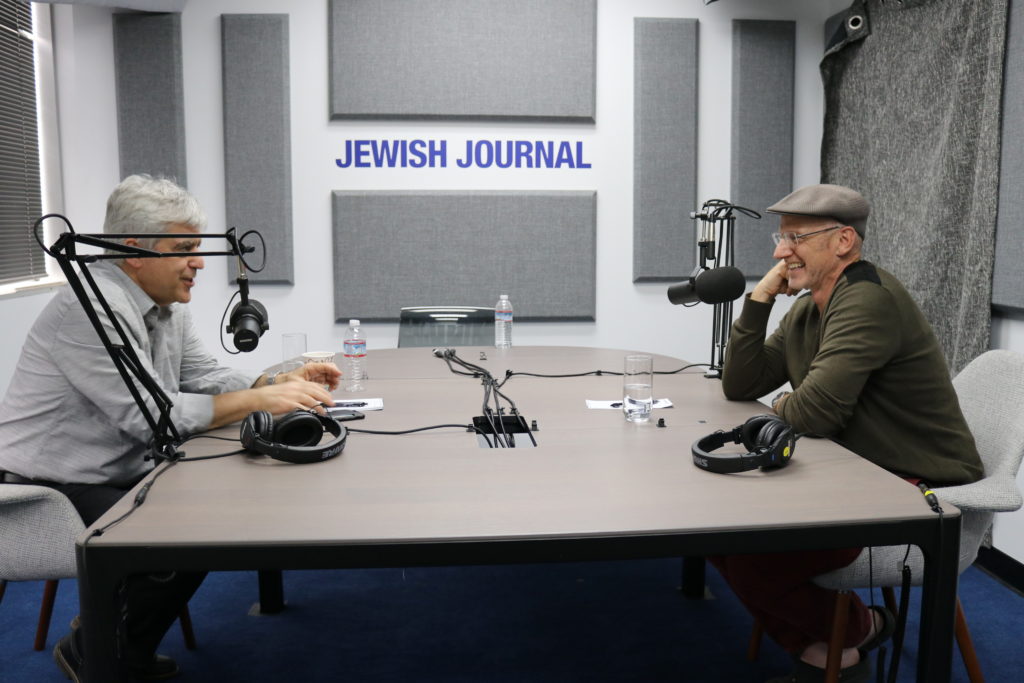
Hollywood filmmaker and Accidental Talmudist Salvador Litvak recounts his journey of how one moment of learning Talmud led to a million followers on Facebook.
“What we learn from the students of Hillel is that you should be able to state the opinion of your opponent in a way your opponent will say, ‘yes, that is my opinion.’ When you do that, you are opening a door for him to say ‘I feel heard. Now I am willing to hear what you have to say.” -Salvador Litvak
Do you have a minute? Well, one minute is all it takesfor this easy and creative way to dress up plain glass vases with a pop of color. The secret is balloons. Because they’re stretchy, the balloons wrap tightly around the vases like a second skin, making it look like the vases are dipped in paint. And since balloons come in so many colors and patterns, you can constantly change up your vases depending on your mood.
What you’ll need: 12-inch latex balloons Scissors Clear glass vases or votive holders
1. Cut off the skinny neck of the balloon as well as about 1/8 inch from the very bottom so you end up with a “tube” with two open ends. I found these blue and white balloons with a marble swirl pattern at Michaels arts and crafts store. The larger the balloon, the easier it will be to work with, so select balloons that are at least 12 inches in diameter when inflated. The size will be indicated on the balloon package.
2. Stretch the balloon, and wrap it around the vase. Depending on the size of your vase, the balloon will not necessarily cover it entirely, but that just adds to the charm. You also can place two balloons on the vase if you wish. Be gentle and careful when working with the vase, as you don’t want to break the glass.
Jonathan Fong is the author of “Flowers That Wow” and “Parties That Wow,” and host of “Style With a Smile” on YouTube. You can see more of his do-it-yourself projects at jonathanfongstyle.com.
Ronald Sanford Abrams died June 9 at 85. Survived by wife Claire; daughters Jodi (Larry) Schapiro, Jill (Curtis) Norman; 5 grandchildren. Mount Sinai
Benjamin Beezy died June 4 at 31. Survived by father Joseph; mother Miriam; sisters Talya, Alexandra. Mount Sinai
Shirley Cooper died May 30 at 83. Survived by husband Roger Ray; daughters Melanie (Daniel) Zimmerman, Karen Branham, Linda Heck; sons Michael, Jay (Maritza) Jenkins, Chris (Nancy) Jenkins; 16 grandchildren; 12 great-grandchildren. Mount Sinai
Anna Corb died May 26 at 94. Survived by daughter Marilyn (Harry) Van Dyck; son Richard (Marlane); 4 grandchildren; 4 great-grandchildren. Mount Sinai
Dolly Fay Craig died May 28 at 93. Survived by husband Al; daughters Barbara Meyers, Linda (Tony) Moore; 2 grandchildren; 1 great-grandchild. Mount Sinai
Robert “Bob” Cutler died June 10 at 98. Survived by daughters Barbara Pink, Deborah (Larry) Wolf, Sheri (David) Abzug; 5 grandchildren; 2 great-grandchildren; brother Stuart Cutler. Mount Sinai
Stanley Glickman died May 26 at 78. Survived by wife Carol; sons Roger (Wendy), Bryan (Emily), Sanford (Danielle); 7 grandchildren. Hillside
Robin Gold died March 9 at 58. Survived by friend Elaine Noll. Mount Sinai
Bernard Greenberg died June 10 at 94. Survived by daughters Joni (Jeff) Marine, Myra (Jerrold) Marine; son Arthur (Deb); 8 grandchildren; 4 great-grandchildren; sister Blanche Rubin; sister-in-law Lila Segal. Mount Sinai
Gabriel Hartfeld died May 25 at 65. Survived by daughters Cully (Bradley), Elizabeth; sons Albert, Jessie (Nancy); 5 grandchildren. Hillside
Gertrude Hecker died June 8 at 97. Survived by sons Gary, Marc (Philliyis), Robert (Linda); 3 grandchildren; 2 great-grandchildren. Mount Sinai
Milton Wolfe Kagen died May 22 at 100. Survived by nieces Janet Lucar, Connie Pinkus; nephew Bob (Nadine) Huberman. Mount Sinai
Larry Kaplan died June 6 at 71. Survived by wife Sandra; daughters Shana, Melissa.
Peggy Leventhal died May 31 at 94. Survived by sons Thomas (Sharylene), Larry (Janet), Robert (Connie), Lance (Donna); 5 grandchildren; 1 great-grandchild. Mount Sinai
Burton Marshall Lipson died May 17 at 70. Survived by daughter Chelse; son Gabriel (Karen Lipson-Quinn); sister Elaine (Ed) Green. Mount Sinai
Gordon Murray died May 24 at 99. Survived by daughter Gail; son Robert (Linda); 5 grandchildren; 9 great-grandchildren. Hillside
James Novick died May 31 at 68. Survived by wife Marsha; brother Donald (Beth). Mount Sinai
Pamela Perkins died May 12 at 86. Survived by daughter Stephanie (Mitchell) Teitelbaum; 2 grandchildren. Mount Sinai
Leo Putnam died May 25 at 91. Survived by nieces Betty (Edward), Marilyn. Hillside
Stan Ross died June 10 at 82. Survived by wife Marilyn; daughters Michelle (Dan) Pfeffer, Ellen Kaspi, Alison Wolf; 12 grandchildren; 1 great-grandchild; sister Myrna Molner. Mount Sinai
Elinor Satin died May 30 at 86. Survived by daughter Doreen (Joel) Bernknopf; son Jon; 2 grandchildren; sister Harriet (Ed) Berger. Mount Sinai
Al Schwartz died May 31 at 94. Survived by daughters Susan Friedman, Paula (Mike) Block, Cindy, Betsy; 10 grandchildren; 1 great-grandchild; sister Rita Rubenstein. Mount Sinai
Shirley (Shandy) Small died April 6 at 90. Survived by husband Melvin; daughters Jennifer (Ivan), Carrie (Alan), Hillarie (Tom); sons Jason (Linda), Noah (Cindi); 17 grandchildren; 5 great-grandchildren. Hillside
Eugene Stone died May 19 at 80. Survived by daughters Teresa, Sasha, Lisa (Bernard Maccacarillo); son Scott Chasse; 5 grandchildren; sister Elizabeth White Kroll. Mount Sinai
Selma Beverly Streicher died May 21 at 89. Survived by daughters Sondra (Avram) BenNaEim, Lori; son Mark (Louise); 4 grandchildren. Green Hills
Janet Anne Taylor died May 1 at 59. Survived by mother Edith. Mount Sinai
Melvin Norman Wallace died June 10 at 87. Survived by wife Molly; daughters Marla (Jacques) Soriano, Michelle (C.J.) Gross; 4 grandchildren. Mount Sinai
Sanford “Sandy” Weiss died May 14 at 95. Survived by daughter Dale (Jim) Craghead; 2 grandchildren; 1 great-grandchild. Mount Sinai
Larry J. Wolf died May 25 at 85. Survived by wife Sylvia; son Brian (Christine); 4 grandchildren; sister Corinne (Daniel) Griffith; brother Ronald (Sheila). Mount Sinai
Joy E. Zwick died June 7 at 80.
Survived by sons Louis, Bryan (Renee), Daryl (Chandra); 3 grandchildren. Mount Sinai
Weekly Parsha: One verse, five voices And Moses raised his hand and struck the rock twice with his rod. Out came copious water, and the community and their beasts drank. But the Lord said to Moses and Aaron, “Because you did not trust Me enough to affirm My sanctity in the sight of the Israelite people, therefore you shall not lead this congregation into the land that I have given them.” Numbers 20:10-12
Rabbi Lori Shapiro The Open Temple Grief cracks open our hearts, pouring forth the unexpected emotions we have for those we have lost. Numbers is filled with metaphor and literary doubling, and here, Moses’ insolence when hitting the rock instead of God’s commanded “speak to the rock” is also the Lear-like rambling of a man who has lost something beloved to him — his primary savior and sister, Miriam HaNeviyah.
Grief transforms Moses. However, Numbers 20 is traditionally interpreted as an expression of Moses’ “anger management problem” and death in exile, his punishment. But what if we “change our way of seeing” this translation? Might the implicating quip, “Listen, Rebels,” be read as a more compassionate, “Please hear, Miriam” (as the word “Hamo’reem,” in pre-Masoretic Hebrew without vowels, might also be read as “Ha-Miryam”), rewriting the verse as Moses’ grievous plea to his dead sister who quenched the thirst for the wandering Israelites: “Please, Hear, Miriam; Might we get water for you out of this rock?”
What follows is not unbridled anger, but Torah’s illustration of human behavior in the wake of loss. In the throes of Miriam’s death, Moses’ striking of the rock is a poetic expression of the existential futility he feels as he faces the unpredictability of grief. Any equanimity that Moses might possess — even as God’s most intimate prophet — is rendered impotent in the face of death’s finality. Indeed, grief is gloriously defiant of death in all of its mystery, and perhaps Moses reminds us that it is the most powerful emotion of all.
As I wrote these words, I learned that my father died. May Melvyn Schneide’s (z”l) — and Miriam HaNeviyah’s — memory be for a blessing. And may we grow through each loss into more compassionate and alive souls for one another.
Eric Kaplan Executive producer, The Big Bang Theory
Doctor of philosophy This is a horrible week for me because the United States is taking children from their parents and putting them in camps as a way to deter migrants by means of psychological torture. This makes me ashamed to be an American. It also makes me ashamed to be a human being who desires happiness for myself and my family while other people’s children sob in cages.
To escape this shame, I am trying to inspire compassion in others.
Compassion — chesed — is like water. Anyone terrified and ashamed thirsts for compassion like Moses thirsted to draw water for his people. How do we get others to care when their hearts are rock? Can we force them? Can we break them with passionate or logical arguments? Can we shame them?
I think when our country is placing children in camps, it is a desperately dangerous situation. We must use any means necessary. Ideally, we get the water to flow by speaking of God — our shared divinity, or our shared humanity. If that works, we will be redeemed and enter our Promised Land.
If we resort to argument or shame to save those children, and like Moses we strike those hearts of stone to force compassion to flow, we will be banned from our Promised Land for creating division between us. Poor Moses and poor us if that is our fate. Poor Moses and poor us if we use the stick rather than the word.
But if we get an effective policy of love for those children it will be worth it.
Rabbi Aryeh Markman Aish LA What if we lived forever? Wouldn’t that be great?
The planet would be overcrowded, and getting that promotion would be challenging with your 1,000-year-old boss scrutinizing you. Change would never happen with so much living tradition preferring the status quo.
Evidentially, to become a fully actualized person, one must have the opportunity to take on responsibility without fallback options. The bridges are burned. Go forth or else!
And so it is with the Jewish people. Moses and Aaron could not lead the Jewish people forever. The new generation born in the wilderness had matured with different needs and outlook. They were born free, not slaves. They lived under God’s manifest presence in the desert and now needed to transform themselves, upon entry into the Land of Israel, into farmers, artists and entrepreneurs. It called for new leadership.
Thus God put Moses and Aaron into an impossible situation of a crazed crowd dying of thirst.God’s solution was almost impossible to achieve under the circumstances. The consequence of failure: an exit from the world’s stage.
And so it is with every generation.
I am beginning to see my friends become the oldest of their family lines as their grandparents and parents pass on. They inherit this position of responsibility with a new outlook. The blessing is that they will become greater people and we, as Jews, a greater people because the mantel of destiny has been passed on whether or not we want it.
Embrace it and do your best to prepare those who will follow you.
Rabbi Jordana Schuster Battis
Temple Shir Tikva in Wayland, MA Excerpted from myjewishlearning.com/article/responding-to-thirst Ibn Ezra explains that Moses’ grave error was in calling the people “rebels” when their behavior was not, in fact, rebellious. In God’s view, it was not the people who were rebels in this story but Moses and Aaron themselves.
Moses’ failure resided in his misidentification as “rebellious” the people’s legitimate behavior. Their complaints about the lack of water needed to be honored with regard and compassion rather than the ire and frustration Moses meted out. Though Moses had borne 40 years of frequent complaints from these same people, their demand for water needed to be considered anew and respected in full. His frustration and fatigue were no excuse for his refusal to accept the people’s request. This refusal, in turn, represented a failure to make God holy in their eyes.
Like Moses, we may have undergone our own pain and loss, we may have journeyed too far without enough resources or support, or we may be overwhelmed by the neediness of those who face us. For these reasons and many others, we do not always give. We do not always feel that we can give. Like Moses, we have had occasion to hear others’ grievances and identified them as affronts against us, as greed, or perhaps we have turned away unwilling or unable to face their needs with an open hand.
Our own needs and thirsts should not be denied. Still, our responsibility to make God holy in the eyes of others makes it incumbent upon us not to deny the thirsts of those who turn to us for help.
Rabbi Ephraim Mirvis Chief rabbi of the congregations of the United Kingdom and the Commonwealth Excerpted from chiefrabbi.org/all-media/dvar-torah-parashat-chukat
“HaShem called out to Moshe and Aharon,” because the two of you did not sufficiently believe in me to sanctify my name.
Hold on … where did Aharon come from? Moshe was the only person involved in this whole, epic drama, Aharon did nothing.
But that’s the whole problem — Aharon did nothing. He should have done something.
You know, there is a mitzvah in the Torah in Parashat Kedoshim, “Hocheiach Tocheiach Amitecha” (“You shall surely reprove your fellow”). And the Passuk there says, “Hocheiach Tocheiach” in order to tell us that sometimes it is a mitzvah to intervene, but sometimes it is a mitzvah to keep shtum.
To keep shtum, you are quiet when your intervention could actually make things worse, that is sometimes what happens. However, if your intervention can save the day, if you can prevent somebody from doing something wrong, then of course you need to open your mouth.
And that’s exactly what Aharon failed to do. He could have inspired and motivated his brother to do the right thing, but he just stood there, not opening his mouth at all. And therefore, he was an accomplice and he suffered the fate of his brother. Both of them did not merit to enter into the Holy Land.
It was Edmund Burke who famously taught, “All that is necessary for evil to triumph is for good people to do nothing.”
“THE CATCHER WAS A SPY”Actor Paul Rudd stars as Moe Berg, a big- league baseball catcher. who was Jewish, graduated from Princeton and Columbia Law School, read 10 newspapers every day and became a spy during World War II. “The Catcher Was a Spy,” opening at Laemmle Theatres, reveals how Berg was hired by the U.S. government to assassinate the Nazis’ primary nuclear scientist. The goal was to prevent Germany from developing an atomic bomb. Various times. $13 adults, $10 children 11 and younger and seniors 62 and older. Laemmle’s Monica Film Center, 1332 Second St.,
Santa Monica. Town Center 5, 17200 Ventura Blvd., Encino. Playhouse 7, 673 E. Colorado Blvd., Pasadena. (310) 478-3836. laemmle.com.
“SOUTHERN SOIREE” Young professionals celebrate the start of summer, Southern-style, with an outdoor Shabbat, featuring sangria, barbecue and mixing and mingling. 7 p.m. Mincha, 7:45 p.m. cocktails, 8:30 p.m. dinner. $35. Beth Jacob Congregation, 9030 W. Olympic Blvd., Beverly Hills. (310) 278-1911. bethjacob.org.
SAT JUNE 23
NITSANA DARSHAN-LEITNER Israeli activist attorney Nitsana Darshan-Leitner appears at Young Israel of Century City to discuss her work over the past 15 years prosecuting Palestinian and Islamic terrorists. She is the founder of Shurat HaDin, a Tel Aviv-based civil rights nongovernmental organization focused on representing terror victims, Jewish issues and Israeli causes. Darshan-Leitner visits American Jewish communities to heighten awareness about the methods and complexities of terrorism. 6:40 p.m. Mincha, 7:40 p.m. discussion. Free. Young Israel of Century City, 9317 Pico Blvd., Los Angeles. (310) 273-6954. yicc.org.
SUMMER BLAST DINNER DANCE Join more than 300 people, including singles and couples, ages 50 and over, for a night of dancing as Tommi Tassi and the Authentics play hit tunes from the 1950s, ’60s and ’70s. Dinner, desert and drinks served. Highlights include a huge dance floor, icebreakers, line dances and a panoramic view of the city. 7-11 p.m. $25 cash at the door. Free parking. Stephen Wise Temple, 15500 Stephen S. Wise Drive, Los Angeles. For more information, contact Johnny at (310) 204-1240 or johnseeman@aol.com.
“ISRAEL: THEN & NOW” Israeli Ambassador Ido Aharoni, a 25-year veteran of Israel’s foreign service, discusses changes to Israel throughout 70 years of statehood. He knows inside stories, having been a back-channel negotiator before the Oslo Accords in 1993. 9:30 a.m. Shabbat services. 11:30 a.m. lecture. Free. RSVP at info@beverlyhillsjc.org. Limited seating. The Beverly Hills Hotel, 9641 Sunset Blvd., Beverly Hills. (310) 276-4246. beverlyhillsjc.org.
“LOSS AND FOUND” This triple narrative play takes the audience on a single journey from three perspectives as a young adoptee searches for her identity and answers to questions about her Jewish and African-American heritage, while her biological mother and grandmother receive the reunion they hoped for. Written by Johanna Specktor Dey, Holocaust survivor Renee Firestone and her daughter Klara Firestone. Directed by Johanna Specktor Dey and Jon Kean. Proceeds support the Santa Monica Playhouse Jewish Heritage Project. 8 p.m. $18. Santa Monica Playhouse, 1211 Fourth St., Santa Monica. (310) 394-9779, ext. 1. santamonicaplayhouse.com.
“GERSHWIN TO SONDHEIM” Michael Feinstein conducts vocalists Liz Callaway, Brighton Thomas and Aaron Lazar in a re-creation of George Gershwin classics from the jazz age, modern classics from Stephen Sondheim and everything in between in “That’s Entertainment: Gershwin to Sondheim.” 5:30 p.m. gates open for picnicking. The concert follows at 7:30 p.m. $10-$150. Los Angeles County Arboretum, 310 N. Baldwin Ave., Arcadia. (626) 793-7172. pasadenasymphony-pops.org.
SUN JUNE 24
“THE RISE OF THE AUTOCRATS: A VIEW FROM CAPITOL HILL” Join Rep. Adam Schiff (D-Burbank) in conversation with Madeleine Brand, Emmy Award-winning journalist and host of KCRW’s “Press Play.” Schiff is in his ninth term in the House and is the ranking member of the House Intelligence Committee, which oversees the nation’s intelligence agencies including components of the Departments of Defense, Homeland Security, Justice, State and Energy. The fifth in Jews United for Democracy and Justice’s Community Conversation Series. 10-11:30 a.m. Free. Temple Israel of Hollywood, 7300 Hollywood Blvd., Los Angeles. (323) 876-8330. Register at eventbrite.com.
LATE NIGHT WITH LEONARD BERNSTEIN Celebrate the life and music of Leonard Bernstein at this multimedia cabaret, inspired by the inimitable artist’s talent for creating masterworks and entertaining friends into the wee hours of the night. Hosted by the composer’s daughter Jamie Bernstein, this Copland House production features video and audio excerpts, rare photographs and live performances by soprano Amy Burton and pianists Michael Boriskin and John Musto. Hear renditions of Bernstein’s compositions and his favorite works by Aaron Copland, Franz Schubert, Edvard Grieg, Zez Confrey, Noël Coward, Ernesto Lecuona and others. 7:30 p.m. $35 general, $25 members. (310) 440-4526 to reserve tickets. Skirball Cultural Center, 2701 N. Sepulveda Blvd., Los Angeles. (310) 440-4500. skirball.org.
“EXAGOGE” Theatre Dybbuk presents a reading of an adaptation of “Exagoge,” the first extant Jewish play, infused with the experiences of refugees, immigrants and the disenfranchised in a production that resonates in contemporary American society. Geared toward adults, seniors and teens. 2-4 p.m. Free tickets available at eventbrite.com. Central Library, Mark Taper Auditorium, 630 W. Fifth St., Los Angeles. (213) 228-7000. lapl.org.
CHAIVILLAGELA’S SECOND ANNIVERSARY PARTY ChaiVillageLA is turning 2! Join the virtual elderly community, founded by Temple Emanuel of Beverly Hills and Temple Isaiah, for the organization’s second anniversary party, featuring food, drink, prizes and special guests. Friends old and new come together. 4-6 p.m. Free. Temple Isaiah, 10345 W. Pico Blvd., Los Angeles. (310) 277-2772. chaivillagela.org.
“77 STEPS” “77 Steps” (2010), directed by Palestinian-Israeli filmmaker Ibtisam Mara’ana, is a personal and direct look at the political upheavals in Israel. Mara’ana leaves her home village for Tel Aviv, where she becomes romantically involved with a Jewish immigrant from Canada. As their relationship progresses, it becomes increasingly difficult to sustain during the political turmoil of a war in Gaza and an election that gives rise to the nationalistic right. Together, they attempt to overcome social and personal politics in the face of an Israeli community that refuses to approve of their relationship and accept Mara’ana as an Israeli. Part of the IfNotNow Film Series. 7:30 p.m. doors, 8 p.m. screening. $5. Echo Park Film Center, 1200 N. Alvarado St., Los Angeles. (213) 484-8846. echoparkfilmcenter.org.
TUE JUNE 26
STAND-UP AGAINST HATE
Whitney Cummings
LOL with the ADL. The Anti-Defamation League’s NextGen initiative holds an evening of live stand-up comedy, featuring Guy Branum (“The Mindy Project”), Whitney Cummings (“Whitney”), Jeff Dye (“Better Late Than Never”), Wayne Federman (“Curb Your Enthusiasm”) and Zainab Johnson (“All Def Comedy”). Comedian Bruce Fine (“The Laugh Pack”) emcees. Proceeds benefit the ADL. 21 and older. 7 p.m. doors, 8 p.m. show. Tickets start at $50. The Comedy Store, 8433 Sunset Blvd., Los Angeles. (310) 446-4260. give.classy.org/adlcomedy.
ANDY STATMAN Legendary bluegrass klezmer musician Andy Statman performs “Up Close and Personal.” The mandolin and clarinet player’s embrace of his Jewish heritage influences his sound, which also incorporates jazz. Accompanied by Jim Whitney and Larry Eagle of the Andy Statman Trio. 8 p.m. $20. Pico Union Project, 1153 Valencia Street, Los Angeles. (213) 915-0084. picounionproject.org.
“WILL ROBOTS TAKE OUR CHILDREN’S JOBS?” Will machines replace children? Where and how will children work when they grow up? Are kids learning the right stuff in school? The latest Sephardic Temple Men’s Club mentorship series event, a multimedia presentation and discussion on the future of jobs for teens and adults, addresses these questions and more. Light meal and beverages served. 7-9 p.m. Free. Sephardic Temple, 10500 Wilshire Blvd., Los Angeles. (310) 475-7000. sephardictemple.org.
“JEWISH LIFE IN MODERN GERMANY” German Consul General in Los Angeles Hans Jorg Neumann delivers a presentation on “Jewish Life in Modern Germany” and participates in a discussion with Temple Beth Am Rabbi Emeritus Joel Rembaum. Organized by the Rembaum Institute of Temple Beth Am, Consulate General of the Federal Republic of Germany and American Jewish Committee Los Angeles. 7:30 p.m. Free. Temple Beth Am, 1039 S. La Cienega Blvd., Los Angeles. (310) 652-7353. tbala.org.
WED JUNE 27
“LIFE ADJUSTMENTS AND TRANSITIONS: SEPARATION AND DIVORCE” A brand new initiative of Sinai Temple, led by Rabbi Nicole Guzik, provides a safe and welcoming space for women with shared experiences to support one another. The inaugural session invites women going through marital separation and/or divorce to come together and seek solace, counsel and sisterhood. Wine and cheese served. 7:30-9:30 p.m. Free. Private residence in Beverly Hills. Address provided upon RSVP. (310) 474-1518. sinaitemple.org.
I’ve been feeling pretty angry these past weeks as I watch the news and witness the harm that the Trump Administration has caused 2500+ children and their parents that crossed the border illegally. The moral outrage that a vast majority of Americans feel has had some impact on the President and forced him to cave and sign an executive order halting the separation of families. But the policy says nothing about all those children who were sent to Michigan, New York, and fifteen other places as their parents were sent home to Guatemala, Honduras and El Salvador where violence had forced these families out of fear for their lives to escape in the first place, grounds to grant political asylum in the United States.
At times I’ve not been able to think straight because I’ve been so righteously enraged.
This issue raises an important question about how we handle anger, not only as we deal with the impact that family separation is having on these children, but what we do about the anger we feel with members of our family, co-workers, and friends when we feel slighted or abused.
Do we act out physically or express ourselves verbally? When we’re calm, do we feel justified in what we said and did? Was there a positive result? Did the relationship with the person with whom we were angry get stronger and better, or did it deteriorate?
I ask these questions not only in the wake of the events of these last few weeks on our southern border, but also because this week’s Torah portion Hukat (Numbers 19:1-22:1) tells of an incident in Moses’ life when his anger had serious consequences for him and the people of Israel.
The incident took place following the death of Miriam when her brothers, Moses and Aaron, were mourning their loss of her. The people complained bitterly about their sudden lack of water. Moses and Aaron appealed to God, and God told Moses to gather the people, speak to a rock, and water would flow thus sating the people’s thirst.
Moses, however, was so overwrought with grief, weariness and rage and he was so aggravated by the people’s incessant complaining that instead of speaking to the rock he struck it twice with his rod. Water did indeed gush out in torrents, as God had promised, but the Almighty was incensed by Moses’ defiance and punished him harshly for hitting the rock instead of speaking to it:
“Because you did not trust Me enough to affirm My sanctity in the sight of the Israelite people, you shall not lead this congregation into the land that I have given them.” (Numbers 20:12)
To deny Moses the privilege of entering the Promised Land must have been devastating to a man who had dedicated his life to God and the people. We have to ask, what was it about this sin that carried such an extreme consequence.
The rabbis offer a number of ideas. Maimonides said that Moses’ bitter language didn’t become his position as leader. The Talmud says that Moses lacked sufficient faith. Nahmanides thought that Moses showed hubris in accepting credit for providing water instead of acknowledging that God provided it. And Rashi said that Moses simply lost his temper.
There are many contemporary parallels to Moses’ fury. One is “road rage” when a driver becomes so infuriated at another driver that s/he seeks vengeance. The National Highway Traffic Safety Administration estimated that “road rage” is a major factor in 40,000 total traffic deaths in 2017.
Studies of the 17,250 murders in 2016 in the United States indicate that a vast majority are committed by people who know personally the victim.
Of course, not all anger results in physical violence. Language is a powerful weapon when used skillfully against our adversaries. The old saying “sticks and stones may break my bones but names will never hurt me” is wrong. What we say and how we say it can cause serious damage.
There are times when anger is fully justified, such as in the face of ingratitude, lies, slander, theft, mistreatment of the poor and children, cruelty, and false claims in God’s Name. (see A Code of Jewish Ethics, volume 1, by Rabbi Joseph Telushkin, pages 258-262).
Besides righteous indignation, a loose and vicious tongue can cause serious damage to marriages, friendships, and relationships. Verbal assault can inspire fear in the home, at work and in school settings, and ultimately destroy trust, the most important cohesive in friendship.
Holding onto our anger, however, also has a terrible effect. Mark Twain said that “anger is an acid that can do more harm to the vessel in which it is stored than to anything on which it is poured.” We have to have constructive ways of expressing the hurt that gives rise to anger.
If we follow Rashi’s interpretation that Moses’ sin was in his expression of anger with the people, despite his strength as a leader, as prophet, liberator, legislator, judge, and military chieftain, he lost God’s promise because he couldn’t control his rage.
Tradition asks what constitutes real strength: Eizeh hu gibor? – Who is strong? The answer: Hakovesh et yitzro – [Not the one who has physical strength, public or familial power, but] the one who controls one’s passion.” (Mishnah, Pirkei Avot 4:1) The Vilna Gaon understood the term yitzro as “his anger.”
In this sense, Moses showed a core weakness when he lost his temper with the people. If Moses was so capable of losing control, so much the more so do each of us needs to check our rage when we feel it, be it on the highway, in the home, with our spouses and partners, among friends, at work, and with strangers. If we are able to do so, we and everyone around us will be the better for it.
From left: Aish Los Angeles Executive Director Rabbi Aryeh Markman, Aish honorees Peter and Sarah Weintraub, and Aish gala chairs Lauren and Ezra Kest attend the 2018 Aish LA gala.
Outreach organization Aish Los Angeles held its 2018 gala on May 8 at the Taglyan Complex.
The event recognized Sarah and Peter Weintraub as Partners of the Year for helping build Aish LA into the organization it is today. Sarah has served as executive producer of Aish galas for the past 25 years and Peter has supported many of Aish LA’s outreach projects.
The theme of the gathering was “Tap Into Greatness.”
The evening also honored the Bel Air Class. Started by Barry and Candace Weisz in their home, the Bel Air Class has come together for learning the past 25 years. Students in the class, including Avi and Rhona Wacht, Bruce and Marilyn Mandel, and Alain and MyraGabbay, honored educators who have guided them over that span: Rabbis Nachum Braverman, Shlomo Seidenfeld, Carmi Gross and Daniel Grama.
Additionally, Aish LA launched its newest seminar, “The Hero’s Journey,” with the help of its partner, Mitch Julis.
The program featured businessman, author and inspirational speaker Charlie Harary as the keynote speaker. In line with the theme of the night, Harary discussed how to achieve greatness.
Emmy-nominated television writer David Weiss served as emcee. He opened with a tap dance ensemble and his lively energy never let up.
The program also acknowledged Sharon Litwak and her husband, Roberto, who have dedicated their lives to developing mobile playrooms for children in hospitals all over the United States.
The evening paid tribute to the loss of David Wilstein, one of the founders and supporters of Aish LA.
Attendees included Sunny and Debbie Sassoon, Todd Morgan, Richard and Ellen Sandler, Aish Global Director Steve Burg, Adam and Gila Milstein, Roz and Jerry Rothstein,Kharlene Boxenbaum and Rabbi Aryeh Markman, executive director of Aish LA.
“Aish LA is about connecting people to their innate greatness, connecting them to the power of being Jewish,” Markman said. “People are thirsting for it.”
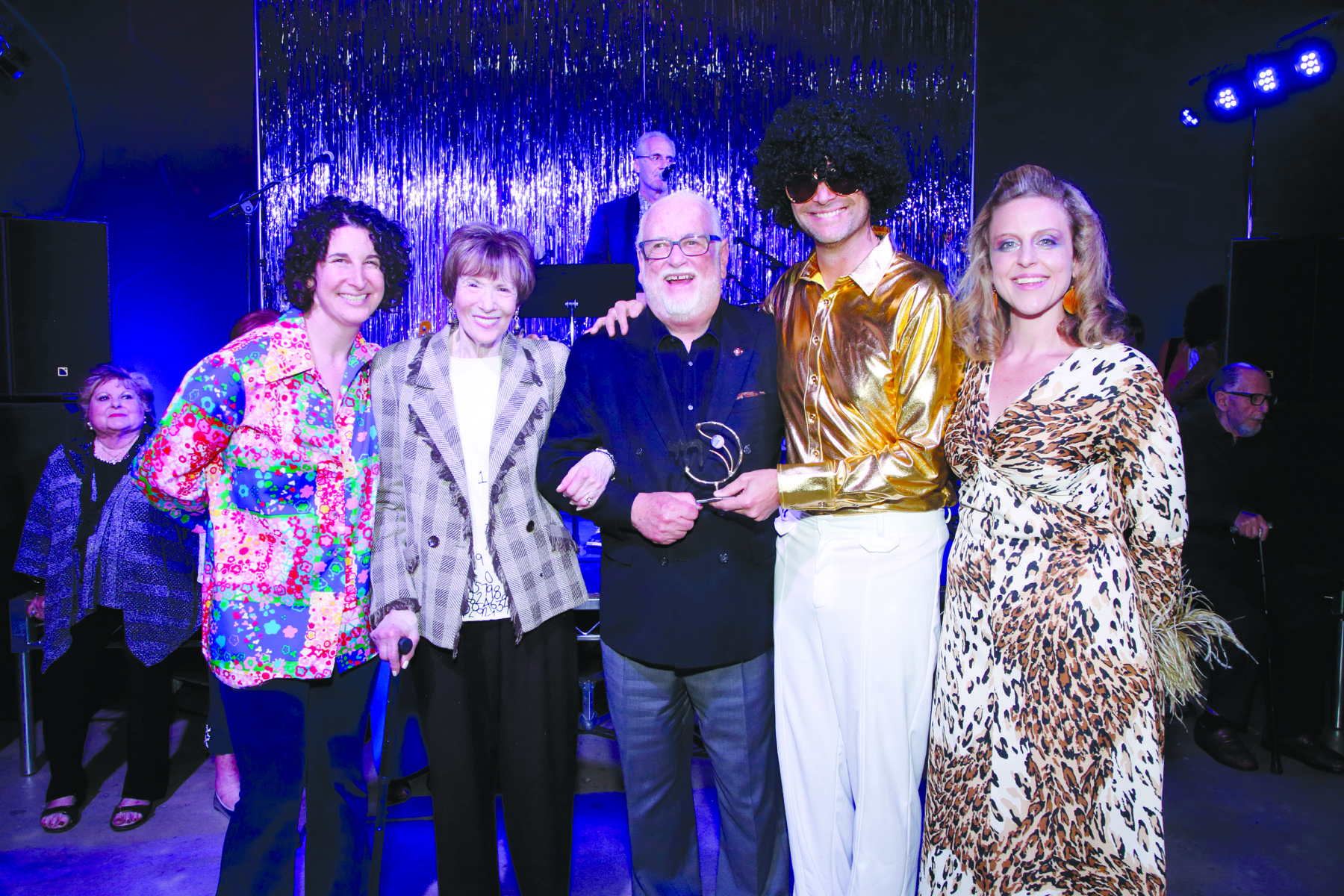
From left: Rabbi Dara Frimmer, Diane and Chet Widom, Rabbi Joel Nickerson and Cantor Tifani Coyot celebrate Temple Isaiah’s 70th birthday with a 1970s-themed party in Culver City.
Temple Isaiah celebrated its 70th anniversary on May 12 with a 1970s-themed party at Playa Studios in Culver City.
More than 350 members of the West L.A. Reform synagogue attended the event, which honored Rabbi Zoë Klein Miles for her 18 years of service to the community and recognized Temple Isaiah’s longest-standing members, including Bobbie and Ben Allen, Lucienne and Jerry Aroesty, Sandra Bernstein, Hannah Cahn, Bella Desser, Gail and Terry Feigenbaum, Steve Fox, Sheila and Rabbi Robert Gan, Roberta Gillerman, Stuart Goldurs, Renee and Chuck Hurewitz, Stephanie and Mel Kay, Jackie Rosner, Lorraine Trogman, Betty Wallis, and Diane and Chet Widom.
“Isaiah has been my home for over 60 years, and this evening brought back so many cherished memories,” Bernstein said. “We demonstrated respect for our rich history and celebrated a community that every member from their 20s to their 90s can be proud of.”
Sherrie Zacharius and David Levine served as honorary chairs of the evening, which featured servers on roller skates, an auction, a 70th anniversary retrospective created by Allen Zipper and a performance by the Boogie Knights.
From left, top row: Honey Kessler Amado, Deena Singer, Sharon Freedman, Elham Rad, Titi Ayenew, Terre Mirman Steinbeck, Alyse Golden Berkley and Jodi Marcus, and (from left, bottom row) Gabriella Karin and Myrtle Sitowitz attend the JNF’s annual Women for Israel Luncheon.
Jewish National Fund held its annual Women for Israel Luncheon celebrating Israel’s 70th birthday, on May 23 at the Four Seasons hotel in Beverly Hills.
Guests enjoyed a panel moderated by attorney Honey Kessler Amado, with a discussion of “Three Women, Three Stories and One Zionist Dream.”
The panelists included Gabriella Karin, a Holocaust survivor from Slovakia and an educator and sculptor; Elham Rad, a Judaic studies teacher at Sinai Temple’s Lainer School; and Titi Ayenew, an Ethiopian-born Israeli who won the Miss Israel contest in 2013.
The three women shared how Israel played an integral role in saving their lives and shaping them into the women they are today.
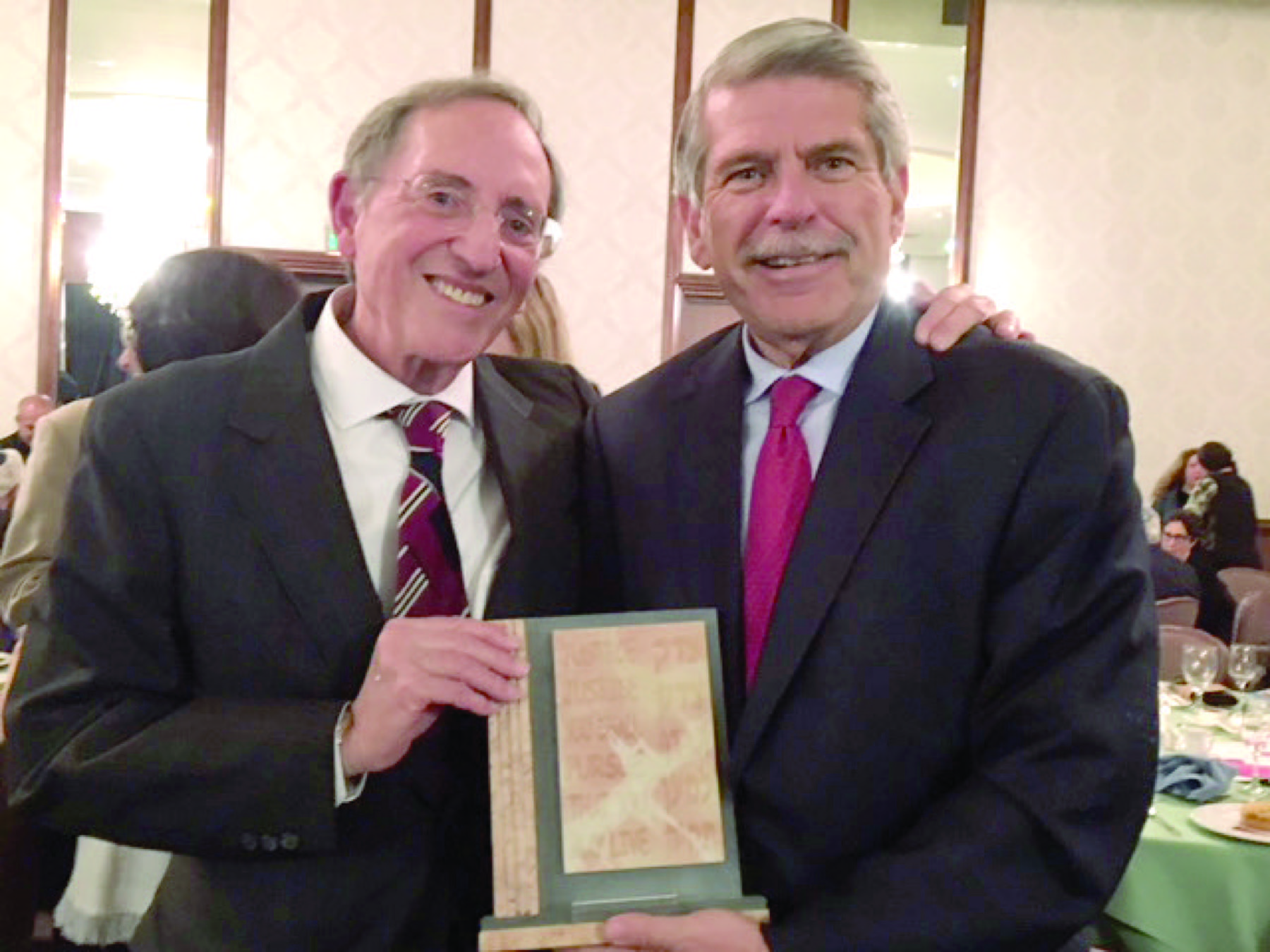
Westwood Kehilla Banquet Chair Greg Smith (left) and Westwood Kehilla honoree Zev Yaroslavsky attended a banquet at Sephardic Temple.
Around 200 attendees were on handwhen Orthodox synagogue Westwood Kehilla honored long-serving Los Angeles politician Zev Yaroslavsky on June 10 at Sephardic Temple.
The event, chaired by Greg Smith, a co-founder of Westwood Kehilla, and his wife, Andy, also honored Westwood Kehilla congregants Asher and Jackie Shalom with the Ner Tamid Award.
Westwood Kehilla Rabbi Avi Stewart sang “The Star-Spangled Banner” and “Hatikvah,” Israel’s national anthem.
“When the Shaloms came to the Kehilla six years ago, it was clear these people were not wallflowers,” Smith said. “Besides Jackie’s hospitality, Asher was a fountain of ideas. ‘Get more music into the service,’ Asher said. ‘Rabbi Stewart has the most beautiful voice. Use it.’ You heard it tonight. So did 30,000 people at Dodger Stadium when he sang the national anthem [in 2015].”
Retired Superior Court Judge Terry Friedman said Yaroslavsky’s public service accomplishments, which included 39 consecutive years on the L.A. City Council, had been enhanced by “five human qualities: consistency in fighting for the underdog; courage in taking on the Soviet Union as a teenager, forming organizations that demonstrated everywhere a Soviet official or athlete went; honesty in telling it like it is; optimism; and effectiveness.”
Smith gave Yaroslavsky a mounted piece of Jerusalem stone with the words from the Torah, “Justice, justice you shall pursue, that you may live.”
Yaroslavsky also received the Kehilla’s Community Visionary Award for being a prominent face in the free Soviet Jewry movement.
“It is estimated that 2 million former Soviet Jews and their descendants today live in freedom, mostly in Israel and America, as a result of this historic movement” Yaroslavsky helped lead, Smith said.
— Ari L. Noonan, Contributing Writer
From left: JFS Board Chair Shana Passman; JFS Spirit of Humanity Award Honorees Scooter Braun and Yael Cohen Braun; JFS Anita and Stanley Hirsh Award Honorees Barbara Mack and Norman Levine; JFS President and CEO Eli Veitzer; and JFS Board Members Nina Tassler and Tami Kupetz Stapf.
Nearly 900 people gathered at the Beverly Hilton for Jewish Family Service (JFS) of Los Angeles’ 25th annual fundraising gala on May 30.
One of the city’s oldest charity organizations, JFS honored Scooter Braun, talent manager to Justin Bieber and other music stars, and his wife, Yael Cohen Braun, founder of parenting community Motherlucker, with the Spirit of Humanity Award. They were recognized for their generous support of JFS and dedication to helping the city’s most vulnerable communities.
“The idea of family, of fostering the ties that bind us all together, whether we are clients, volunteers, staff, board members or donors is exemplified in our honorees tonight,” JFS Board Chair Shana Passman said. “To Scooter Braun and Yael Cohen Braun, thank you for being shining examples of what we can accomplish when we make giving a central value in our lives.”
JFS also honored Barbara Mack and Norman Levine with the Anita and Stanley Hirsh Award. The evening also included remarks from Valley Beth Shalom Rabbi Ed Feinstein and stand-up comedy from Jeff Garlin of “Curb Your Enthusiasm.”
“Tonight is a night of celebration for us, but for so many people in our city, there is little to celebrate,” Nina Tassler, a JFS board member and the evening’s emcee, told guests. “Every day they navigate the existential threats of poverty, hunger, violence, apathy and isolation. But every one of us here is part of a family that we call JFS, and our family sees the suffering of our neighbors and we respond with compassion and action.”
Donations from attendees totaled $1.3 million, which will continue to support the array of services JFS staff and its volunteers provide, including social programs and financial support for the city’s aging Holocaust survivor community, food drives, care and shelter for domestic violence victims and their children, and treatment for people who live with mental illness.
“I like to think of us as L.A.’s good Jewish mother,” Tassler said. “What good Jewish mother could turn away from suffering in her own family, in her own home?”


 Do you have a minute? Well, one minute is all it takes for this easy and creative way to dress up plain glass vases with a pop of color. The secret is balloons. Because they’re stretchy, the balloons wrap tightly around the vases like a second skin, making it look like the vases are dipped in paint. And since balloons come in so many colors and patterns, you can constantly change up your vases depending on your mood.
 1. Cut off the skinny neck of the balloon as well as about 1/8 inch from the very bottom so you end up with a “tube” with two open ends. I found these blue and white balloons with a marble swirl pattern at Michaels arts and crafts store. The larger the balloon, the easier it will be to work with, so select balloons that are at least 12 inches in diameter when inflated. The size will be indicated on the balloon package.
 2. Stretch the balloon, and wrap it around the vase. Depending on the size of your vase, the balloon will not necessarily cover it entirely, but that just adds to the charm. You also can place two balloons on the vase if you wish. Be gentle and careful when working with the vase, as you don’t want to break the glass.
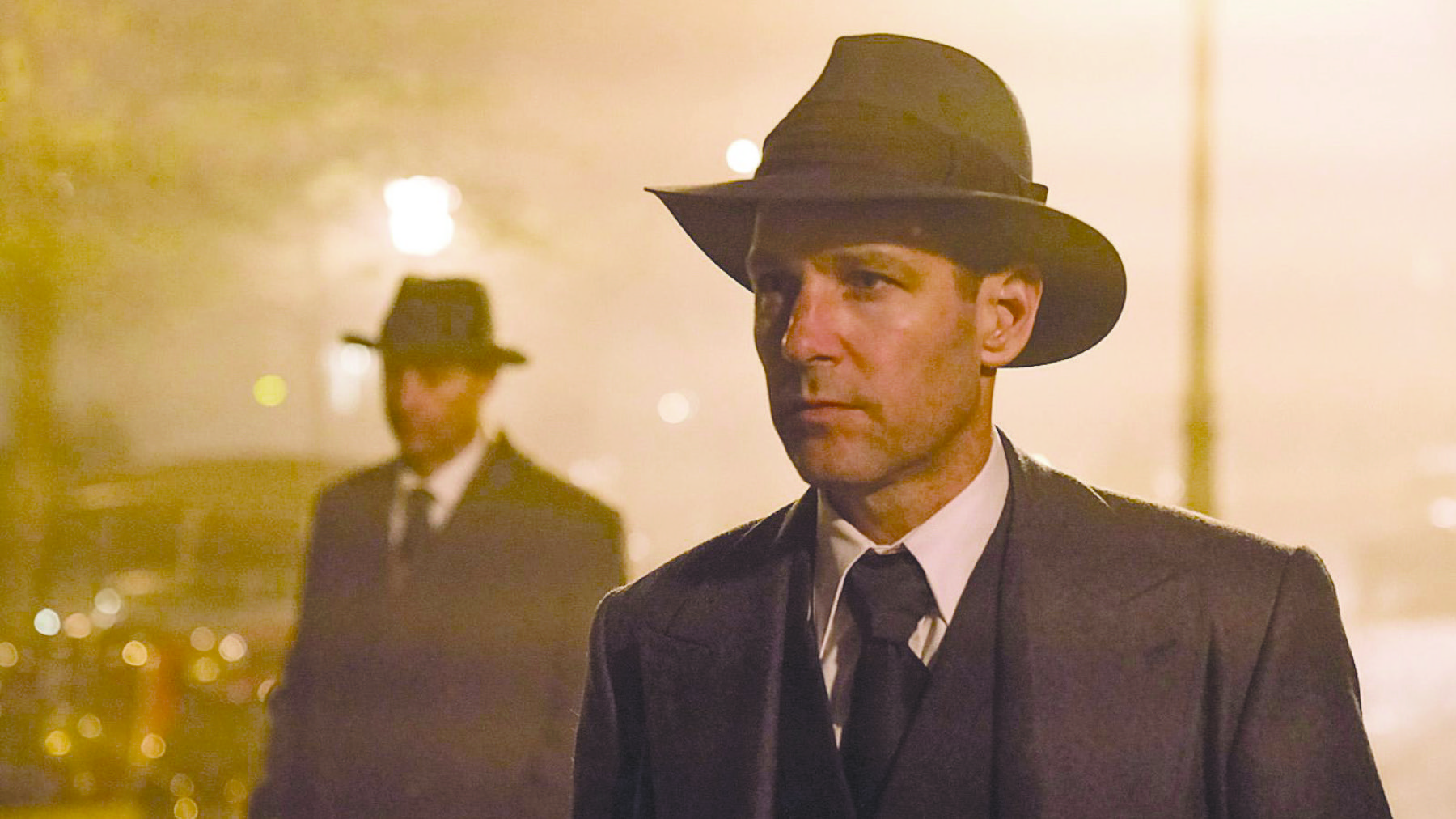 Actor Paul Rudd stars as Moe Berg, a big- league baseball catcher. who was Jewish, graduated from Princeton and Columbia Law School, read 10 newspapers every day and became a spy during World War II. “The Catcher Was a Spy,” opening at Laemmle Theatres, reveals how Berg was hired by the U.S. government to assassinate the Nazis’ primary nuclear scientist. The goal was to prevent Germany from developing an atomic bomb. Various times. $13 adults, $10 children 11 and younger and seniors 62 and older. Laemmle’s Monica Film Center, 1332 Second St.,
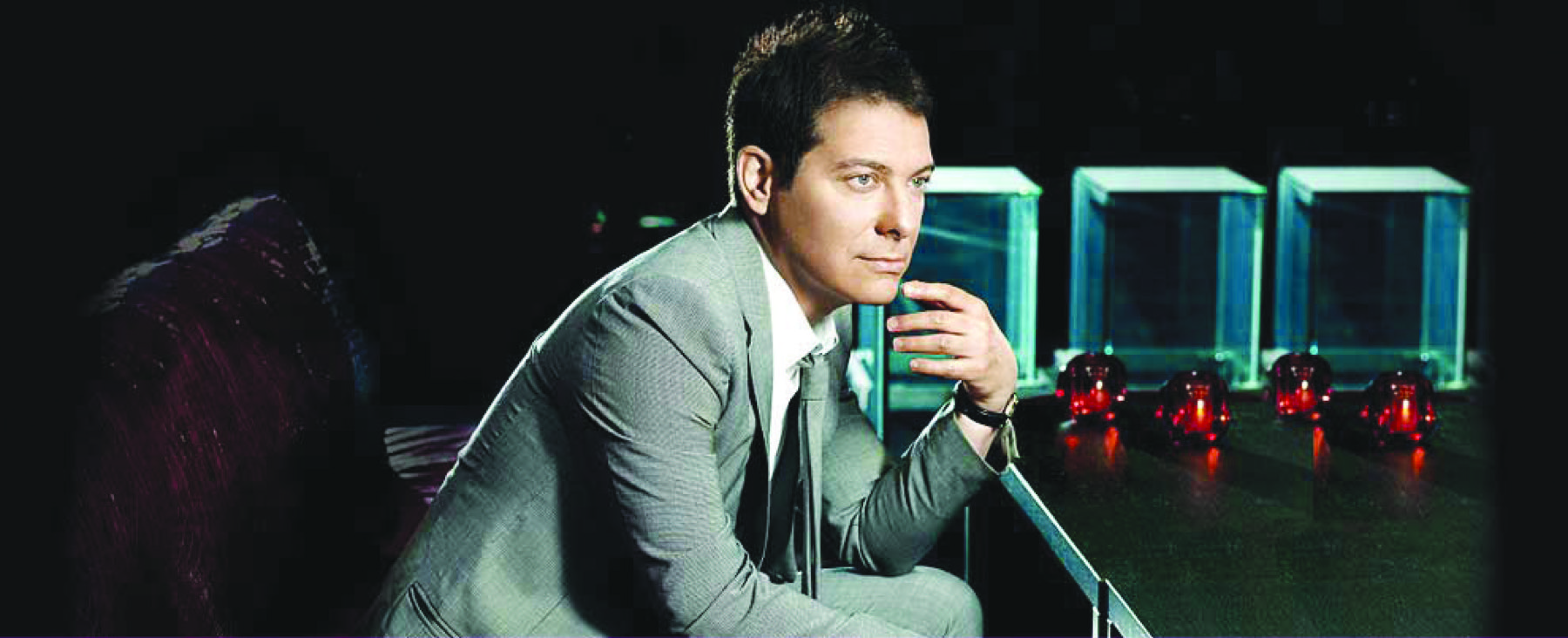 Michael Feinstein conducts vocalists Liz Callaway, Brighton Thomas and Aaron Lazar in a re-creation of George Gershwin classics from the jazz age, modern classics from Stephen Sondheim and everything in between in “That’s Entertainment: Gershwin to Sondheim.” 5:30 p.m. gates open for picnicking. The concert follows at 7:30 p.m. $10-$150. Los Angeles County Arboretum, 310 N. Baldwin Ave., Arcadia. (626) 793-7172. pasadenasymphony-pops.org.
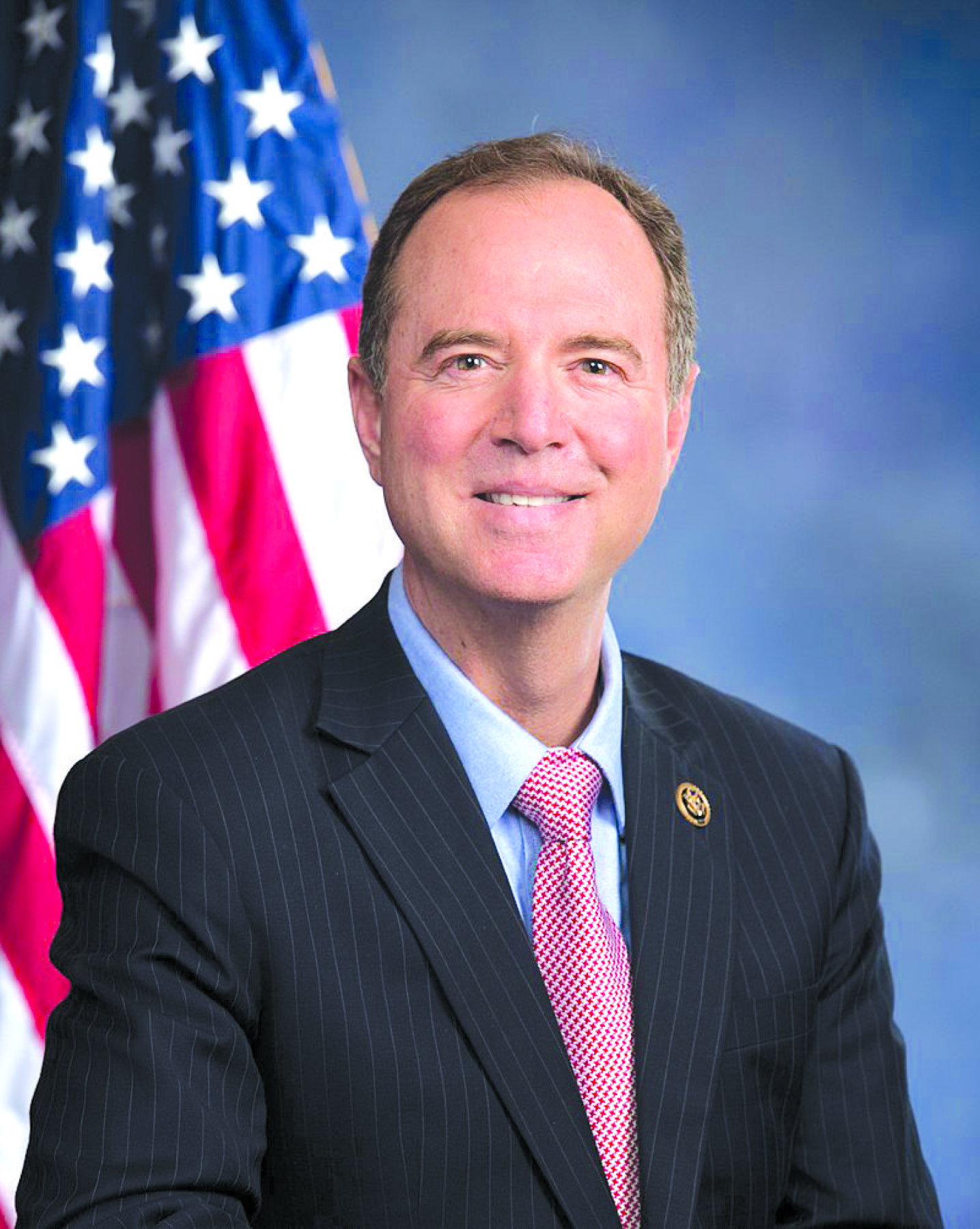 Join Rep. Adam Schiff (D-Burbank) in conversation with Madeleine Brand, Emmy Award-winning journalist and host of KCRW’s “Press Play.” Schiff is in his ninth term in the House and is the ranking member of the House Intelligence Committee, which oversees the nation’s intelligence agencies including components of the Departments of Defense, Homeland Security, Justice, State and Energy. The fifth in Jews United for Democracy and Justice’s Community Conversation Series. 10-11:30 a.m. Free. Temple Israel of Hollywood, 7300 Hollywood Blvd., Los Angeles. (323) 876-8330. Register at eventbrite.com.
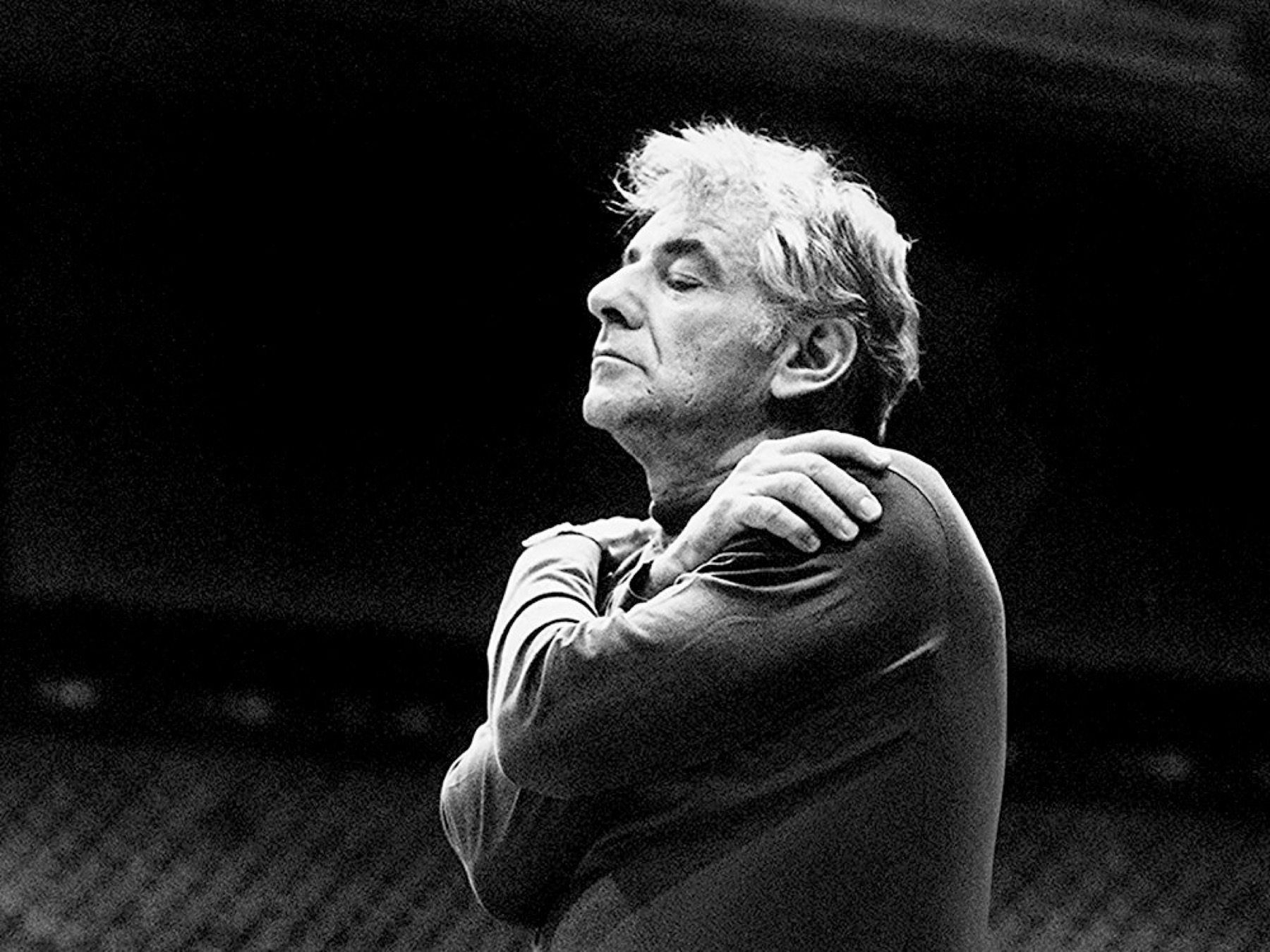 Celebrate the life and music of Leonard Bernstein at this multimedia cabaret, inspired by the inimitable artist’s talent for creating masterworks and entertaining friends into the wee hours of the night. Hosted by the composer’s daughter Jamie Bernstein, this Copland House production features video and audio excerpts, rare photographs and live performances by soprano Amy Burton and pianists Michael Boriskin and John Musto. Hear renditions of Bernstein’s compositions and his favorite works by Aaron Copland, Franz Schubert, Edvard Grieg, Zez Confrey, Noël Coward, Ernesto Lecuona and others. 7:30 p.m. $35 general, $25 members. (310) 440-4526 to reserve tickets. Skirball Cultural Center, 2701 N. Sepulveda Blvd., Los Angeles. (310) 440-4500. skirball.org.