President Trump announced on Twitter on Mar. 22 that former United Nations Ambassador John Bolton would be his new national security adviser.
Trump tweeted that Bolton would be instated on April 9:
I am pleased to announce that, effective 4/9/18, @AmbJohnBolton will be my new National Security Advisor. I am very thankful for the service of General H.R. McMaster who has done an outstanding job & will always remain my friend. There will be an official contact handover on 4/9.
The New York Times originally broke the news, reporting that Lt. Gen. H.R. McMaster and Trump had been discussing him leaving the job for awhile now but the timing was accelerated to end the speculation and to ensure that Trump had the security team he wanted before he meets with North Korean dictator Kim Jong Un.
McMaster and Trump have been clashing for quite some time.
“General McMaster’s serious, somber style and preference for order made him an uncomfortable fit with a president whose style is looser, and who has little patience for the detail and nuance of complex national security issues,” the Times reported. “They had differed on policy, with General McMaster cautioning against ripping up the nuclear deal with Iran without a strategy for what would come next, and tangling with Mr. Trump over the strategy for American forces in Afghanistan.”
McMaster also seemed to be less of a friend to Israel and softer on radical Islam than Trump, as McMaster had reportedly viewed Israel as “an occupying power” and screamed at the Israelis for their concerns over Hezbollah.
Bolton, on the other hand, is as pro-Israel as it gets. In November, he wrote an op-ed for Fox News calling for the American embassy to be moved to Jerusalem as soon as possible and in May, Bolton told the Jerusalem Post, “I don’t think the two-state solution is viable anymore.” Bolton argued that Judea and Samaria should be divided between Israel and Jordan and the Gaza Strip should be given to Egypt. When Bolton was assistant secretary of state from 1989-1993, “he coordinated the effort to rescind the United Nations resolution from the 1970s that equated Zionism with racism,” according to Hank Berrien of the Daily Wire.
The kid-friendly Disney Channel series “Andi Mack” made history last October, when the character Cyrus Goodman revealed that he’s gay. In a recent episode this season, Cyrus marks another significant event: his bar mitzvah.
Reciting part of his own Torah portion that he’d relearned and wearing the tallit — a gift from his grandparents — that he wore at his real-life bar mitzvah, actor Joshua Rush, 16, celebrates Disney Channel’s first Jewish rite of passage.
“There are a lot of kids who have never been to a bar mitzvah and, to them, it’s shrouded in mystery,” Rush told the Journal. “Now they can watch it and understand our culture a little bit.”
To prepare for the scene, Rush worked with the rabbi at Congregation Kol Ami in Salt Lake City, where “Andi Mack” is filmed. Although it was his idea to use his own haftarah, which was about the commandment of Shabbat, “I definitely needed a refresher,” he said.
He did well enough to get the thumbs up from his Los Angeles synagogue’s rabbi, who sent him a congratulatory note after the episode’s premiere. But he didn’t completely pass muster with an Israeli cousin, who pointed out an incorrectly pronounced vowel in the reading.
“There are a lot of kids who have never been to a bar mitzvah and, to them, it’s shrouded in mystery. Now they can watch it and understand our culture a little bit.” – Joshua Rush
While an extravagant party with a carnival theme follows Cyrus’ ceremony, in real life, Rush had a modest bar mitzvah at Kibbutz Gezer in Israel, streamed live on the internet so friends at home could see it. While preparing for it, he “really felt connected to my Judaism in a lot of different ways,” he said. “It’s become a much more important part of my life
since then.”
Born in Houston, Rush was raised in a Reform Jewish family with roots in
Poland and Lithuania. His mother, a corporate video producer, and father, an artist and therapist, told him, “Being Jewish is part of our identity and it can be part of your identity if you want it to be,” he said.
Rush is currently learning conversational Hebrew and soon will make his fifth trip to Israel. His maternal grandfather was born there and he has relatives all over the country. “I love the Dead Sea and walking around the markets in Jerusalem’s Old City,” he said. “There’s so much history on every street, in every cobblestone.”
As a Jew, he’s proud to portray that part of Cyrus and feels “empowered” to represent the gay aspect of the character. “He’s got so much depth to him, and he’s not afraid to be who he is,” Rush said. “ ‘Andi Mack’ has such a great message about loving yourself, loving your
family and being loyal to your friends. I want to see Cyrus keep asking hard questions and figuring out who he is over the rest of this season and in Season Three.”
He pays no attention to the few people who’ve made negative comments about Cyrus because the response from young fans and parents has been overwhelmingly positive. One mother thanked him “for everything you’ve been doing with this character. If some of my friends had had that character [as a role model] when they were growing up, they would have been a lot better off,” she told him.
Rush began his career as a baby model at 10 months old and relocated to Los Angeles with his parents 10 years ago to pursue acting roles. He’s not sure what lies ahead for him, but he plans to attend college, likely to study political science. He stars in a self-produced current affairs series on Instagram called “News in a Rush.” His next one-minute episode will cover the Israeli-Palestinian conflict.
Might a career in politics be in his future? “[Show] business is fickle, so who knows?” he said. “I’ll take it as it comes and live every day for the moment.”
“Cyrus’ Bash Mitzvah!” is airing through March and April on Disney Channel and its digital platforms.
Because setting out Elijah’s cup is an important part of the Passover seder tradition, let’s make the cup as beautiful as we can. Here is a way to paint a standard wine goblet with a technique using nail polish that gives it a colorful marble swirl pattern.
Nail polish does not dissolve in water, so you can mix a blend of nail polish colors in a bin of water, swirl them around with a stick and then dip a goblet in it. When the goblet goes in the water, the nail polish transfers to the surface of the glass. It could be the most miraculous thing to happen in water since the parting of the Red Sea.
What you’ll need:
Plastic container or disposable aluminum roasting pan
Water
Nail polish, various colors
Wood skewer
Plain wine goblet
Rubber gloves
1.
1. Fill a plastic or aluminum container about halfway with warm water. It should be a container you don’t mind getting covered in nail polish and large enough for your goblet. I got the plastic bin pictured above at Staples for 99 cents. It’s my designated marbleizing bin — thus all the caked-on nail polish.
2.
2. Drop three to four colors of nail polish on the surface of the water. Nail polish dries very quickly, so work fast before it begins to dry. Be sure to work in a well-ventilated area.
3.
3. Swirl the colors together with a wood skewer. If the nail polish turns into a glob on your skewer instead of turning into swirls, the polish has already dried. Just collect the dried polish on the skewer and start over.
4.
4. While wearing rubber gloves, dip the outside of the goblet in the water, rotating it to get nail polish all around, and let it dry. Note that this painted cup is not safe for beverages. If you would like to drink from it, tape off the area that lips would touch and then protect the finish with an acrylic sealer such as Mod Podge.
Jonathan Fong is the author of “Walls That Wow,” “Flowers That Wow” and “Parties That Wow,” and host of “Style With a Smile” on YouTube. You can see more of his do-it-yourself projects at jonathanfongstyle.com.
“The priest shall dress in linen raiment, with linen breeches next to his body; and he shall take up the ashes to which the fire has reduced the burnt offering on the altar and place them beside the altar. He shall then take off his vestments and put on other vestments, and carry the ashes outside the camp to a clean place.”
Rabbi Heather Miller Beth Chayim Chadashim
Life experiences, like priestly duties, are messy. We each enter the world through the messy experience that is childbirth. From there, life gets even more complex. Likewise, the duties of the priests were messy. They not only diagnosed skin diseases and slaughtered animals but also attended to ash disposal.
In these verses, the priest’s vestments have presumably become soiled during the daily altar cleaning. Oddly, he puts on clean clothes — to take out the trash. It doesn’t quite make sense, unless the priest is trying to keep up appearances for the sake of those who might see him exit the temple premises.
While I appreciate Judaism’s emphasis on cleanliness, as a germophobe myself, I also recognize that sometimes our obsession with cleanliness can have real and tragic ramifications. For instance, because of cleanliness laws, women are not permitted to be rabbis or scribes. We are not allowed to enter a sanctuary for 33 days after the birth of a male child — 66 for a female child.
Laws that encourage keeping up appearances of being clean are even more troublesome. For years, they have encouraged people to hide their stories of survival from abuse, and experiences with illness or financial trouble. They have discouraged others from fully expressing themselves as gay or having political opinions that don’t match those of their community.
Sometimes we need to ask, “Who is defining what is ‘clean’ and what is ‘unclean’?” “Who enforces the standard?” “What implications does it hold?” And finally, “Is cleanliness next to Godliness?”
Rabbi Zoe Klein Miles Temple Isaiah
After the fires in Southern California, a confirmation student argued: “I don’t like the saying, ‘Ashes to ashes, dust to dust.’ My friend lost her home. It’s all ashes now. But it is not the same ashes!” Her words struck me. After the fire, is there more to those ashes than just ashes?
In our Torah portion, the priestly clearing of ashes is a sacred act. In his poem “The Deceptive Present, the Phoenix Year,” Jewish poet Delmore Schwartz writes: Who will be able to believe, when winter again begins / After the autumn burns down again, and the day is ashen, / And all returns to winter and winter’s ashes, / …Who will believe or feel in mind and heart / The reality of the spring and of birth, / In the green warm opulence of summer, and the inexhaustible vitality and immortality of the earth?
The burning of Jewish books inspired Polish poet Czeslaw Milosz to write his poem “And Yet the Books.” In spite of fires on the horizon, castles blown up, / Tribes on the march …. / “We are,” they said, even as their pages / Were being torn out, or a buzzing flame / Licked away their letters. So much more durable / Than we are …. / I imagine the earth when I am no more: / Nothing happens, no loss…. / Yet the books will be there on the shelves, well born, / Derived from people, but also from radiance, heights.
There is something of us that survives the ashes: memory, experience, love. We are not simply swept away, but taken up in sacred ritual, and offered into the radiance, the heights, the opulence of earth.
Rabbi Shawn Fields-Meyer Educator and Author
After making an offering, the Kohen is required to do three things: First he collects the ashes left as residue from the offering, placing them temporarily aside; then he changes his clothes; and finally, he takes the ashes away from the holy space and discards them. Why the costume change?
Rashi teaches that it is simply to keep his fancy clothes clean: “The servant should not wait upon his master in his kitchen clothes.” He puts on his everyday “work” clothes to do a messy cleanup job. It’s an indication of respect for the holiest, most special place of connection with the divine. A Chasidic story brings a different explanation. Rabbi Levi Yitzchak of Berdichev once spotted a cart driver who was wearing the prayer garb of tallit and tefillin — while oiling the wheels of his wagon. The elated rabbi exclaimed to God: “What a people! Even when they grease the wheels of a wagon, they still have You in their hearts!” The Chasidic master perceives holiness — not rudeness — in that scene. He teaches that even when we are doing the most mundane, messy tasks, we can still be in active relationship with God.
This is Rashi’s idea turned inside-out. We should serve our master in our kitchen clothes — and every other outfit, too. The clothes we wear (and the money we spend, the relationships we pursue, the choices we make, the words we speak) every moment of every day are the very garments of holy souls who serve God.
Rabbi Shlomo Einhorn Yeshivat Yavneh
A full day of animal offerings would culminate and the very next morning the priest would begin with removing the deshen, the leftover ashes. Why wasn’t it taken care of while the offerings were taking place the night before?
Judith Martin is the author of “Miss Manners,” the guidebook on social etiquette. It’s actually quite humorous without intending to be. One person in the book is upset that she was invited to a house where the hostess didn’t talk to her before the meal because she was cooking, or during the meal because she was clearing, or after because she was cleaning. Miss Manners strongly insists that a host or hostess should never do what this hostess did during the meal; it’s not good etiquette. Maybe this is why we shouldn’t do the removal of the deshen during the meal. It’s not appropriate.
Why doesn’t the daily service begin with a more positive act? For example, bringing an offering or perhaps lighting the menorah. There are two classic reasons for animal offerings in the Temple: For Maimonides it’s about shifting our idolatrous tendencies to a more God-directed behavior. According to Ramban, it is about envisioning oneself being offered to God. Maimonides’ position has troubled many scholars because of its pagan undertones. Perhaps we can suggest a meaningful rationale. The Temple is a place where the Shechina, God’s presence, permeates at a much more intense level than elsewhere. It’s the spot of God’s revelation. In order to experience that encounter, we need to first remove the dross that can get in the way.
Rabbi Lori Shapiro The Open Temple, Venice
Living in Los Angeles, we spend a lot of time on our exterior selves. And new trends in soulful wellness advertise assisting in outer perfection. But what exactly is the mind/body connection to wellness? Leviticus 6:3 lends an insight: “The priest shall dress in linen raiment” (raiment, being an antediluvian word for garment). The Hebrew for the priest’s garment is usually called in Leviticus ketonet, but in this verse it is called mido vad, linen garment. Why this newfangled word?
An ascending Jewish fad, with a little help from Rashi, provides an insight, if not an answer. Rashi equates the word for garment with the word for measure, as they share the same bilateral root (mem, daled). This transforms the verse into an insightful window into our fabulous closets: The priest shall dress in linen according to his measure. The Hebrew word for this, middah, is also a word for describing character values. Just what was the value of the priest’s kindness? His compassion? His patience? And what if our garments today represented our character? What would it be to wear our hearts on our sleeves?
As time rapidly speeds by, is it important to spend countless hours on a blowout, shopping for faddish jeans or perfecting our outer cropping? The priest is bringing an offering for purity; in fact, he must take off all of these garments and then don new garments in order to enter a clean place. Perhaps it’s time for us to shed our skins as well. As we enter the days before Passover, may we consider disrobing our outer klipot (shells), and undress into our purest essence.
Bob Adler died Feb. 12 at 76. Survived by daughter Amber (Ira) Goldstein; son Aric (Jennifer); 3 grandchildren. Mount Sinai
Florence Binder died Feb. 16 at 105. Survived by son Harold; 4 grandchildren. Mount Sinai
Michelle Brickman died Feb. 19 at 68. Survived by husband Charles; daughter Lynn; sons Robert, Steven; 1 grandchild; sister Bilha Carmiel; sister-in-law Judy Chmielarz. Mount Sinai
Richard Brown died Jan. 30 at 71. Survived by wife Cindie; daughter Jennifer (Gary) Waagenaar; brother Stephen; sister Judith. Mount Sinai
Muriel Cogan died Feb. 14 at 91. Survived by fiancée Karen Silva; sister Edith. Hillside
Clara Endelman died Feb. 13 at 95. Survived by sons David (Gail Endelman Small), Ken (Rosalind Van Auker), Marty (Margaret Jane); 9 grandchildren; 7 great-grandchildren; 1 step-grandson. Mount Sinai
William Fagenson died Feb. 11 at 93. Survived by wife Ethel; daughter Nancy (Baruch) Potok; son Don (Gemma Corfield); stepson Richard Rosen (Frank); 5 grandchildren; 2 great-grandchildren; brother Abraham (Marge). Mount Sinai
Sheila Ferrari died Feb. 15 at 86. Survived by daughters Lisa, Dana (Ed Estess); son William (Kathleen); 5 grandchildren. Hillside
Leah Fischer died Feb. 17 at 102. Survived by daughter Jan (Daniel) Froehlig; sons Dennis (Anne), Randall; 5 grandchildren. Hillside
Miriam Fleser died Feb. 6 at 92. Survived by daughters Robin Sales, Holly (Frank Lewin) Fleser Seery, April; 6 grandchildren. Mount Sinai
Jerry Forman died Feb. 10 at 84. Survived by wife Elaine Goodman Forman; daughter Elaine Forman Wood; son Colbey; 4 grandchildren; sister Marion F. Adler. Mount Sinai
Annabel Goldstein died Feb. 18 at 85. Survived by daughters Susan, Ellen (Andy Kivel); 1 grandchild. Hillside
Lewis Goodman died Feb. 20 at 99. Survived by niece Nancy (Paul) Dassoff-Salerno; nephew Glen (Grace) Dassoff. Hillside
Gail Graff died Feb. 18 at 92. Survived by daughters Karen Borell, Shelli (Rick) Angel, Debra; 4 grandchildren; 5 great-grandchildren. Mount Sinai
Donald Erwin Green died Feb. 7 at 89. Survived by wife Soghra; sons Theodore (Kathleen), J.B., David (Jessica Bucholtz); 4 grandchildren; stepchildren Yalda Yussf, Shaka Dyson, Sepedeh Tahvildare. Mount Sinai
Ellen Horner died Jan. 30 at 90. Survived by daughter Debbie; son Richard; 3 grandchildren; brother Larry (Christa) Diamant. Groman Eden
Marvin Jaffe died Feb. 17 at 89. Survived by son Harvey (Celia); 2 grandchildren. Hillside
Bernice Lapan died Feb. 9 at 93. Survived by son Richard; 2 grandchildren; 3 great-grandchildren. Mount Sinai
Sol Leff died Feb. 18 at 80. Survived by daughters Sheri (Peter) Miller, Karen (David) Rosenberg; son Marc (Elin); 2 grandchildren; 2 great-grandchildren. Mount Sinai
Joan Levy died Feb. 10 at 72. Survived by brother Stuart. Mount Sinai
Anita B. Marton died Feb. 13 at 98. Survived by sons Barry (Mary), David (Sandra); 4 grandchildren; 2 great-grandchildren. Mount Sinai
Gina McIntosh died Feb. 7 at 49. Survived by partner Douglas; daughter Makenna; sons Cody, Chad; mother Elaine Lindner; father Jerrold Lindner. Mount Sinai
Gregory Moiseeff died Feb. 9 at 87. Survived by wife Lois Elaine; daughters Cheri (Bill) Mayman, Sandra (Mark) Gelfat, Debra (Joel) Groch; 6 grandchildren; 2 great-grandchildren. Mount Sinai
Murray Ozer died Feb. 13 at 83. Survived by daughters Laura, Danna (Dann); 4 grandchildren. Mount Sinai
Edith Rose died Feb. 12 at 94. Survived by sons Glen (Ruth), Stuart (Carolyne), Don (Sheila); 10 grandchildren; 9 great-grandchildren. Mount Sinai
Estelle Seiler died Feb. 12 at 98. Survived by daughter Sandra; 2 grandchildren; 2 great-grandchildren. Mount Sinai
Steven Turkel died Feb. 17 at 67. Survived by sisters Beverly Silldorf, Joann Kramar. Hillside
Carl Iven Weissburg died Feb. 10 at 87. Survived by wife Edith; sons Adam, Joseph Astalos, Marc, Gabe Asatols; 4 grandchildren. Mount Sinai
Renee Werner died Feb. 11 at 83. Survived by sons Paul (Elaine), Barry (Renee); 4 grandchildren; sister Harriet Rayer. Mount Sinai
Rita Zeitlin died Feb. 18 at 84. Survived by daughter Michelle (Plynn) Doss; son Jeffrey; 4 grandchildren; 1 great-grandchild; brother Larry Brooks. Hillside
Sammual Ziberg died Feb. 18 at 79. Survived by wife Ronnie; daughter Andrea (Tom) Jellinek; son Ira (Lisa Hously); 1 grandchild; 1 great-grandchild. Mount Sinai
FRI MARCH 23 THE KLEZMATICS FEATURING JOSHUA NELSON
The Klezmatics
The innovative klezmer ensemble performs music from its 2005 album, “Brother Moses Smote the Water.” Black and Jewish singer Joshua Nelson, a collaborator on that record, also appears. The result is a sonic collision of Jewish and gospel music and a musical exploration of what it is to be Jewish, Black and human today. 7:30 p.m., $65–$100. The Broad Stage, 1310 11th St., Santa Monica. (310) 434-3200. thebroad-stage.org.
RABBI ARI LAMM
Yeshiva University Special Adviser to the President Rabbi Ari Lamm discusses “The Future of Judaism: A Proposal,” at a reservations-only dinner at Pat’s Restaurant. The next day, Saturday, he discusses “Do We Talk Enough About Heresy?” before a reservations-only lunch at Pat’s. On Saturday evening, he explores “The Lost History of Mah Nishtanah: From Text to Archaeology,” a Passover-themed conversation. March 23: 5:40 p.m., mincha and kabbalat Shabbat; 6:50 p.m., dinner, by reservation only. March 24: Noon, lecture and Shabbat lunch, reservation-only; 7 p.m., Shabbat evening lecture. Dinner and lunch prices vary depending on party size. Young Israel of Century City, 9317 W. Pico Blvd., Los Angeles. (310) 273-6954. yicc.org.
“BROADWAY SHABBAT”
Join Rabbi Becky Hoffman, Cantor Noa Shaashua and an ensemble of musicians for music from “Hamilton,” “The Lion King,” “Chicago” and other Broadway hit shows. Tap your feet, snap your fingers or sing along. Open seating. Mingling, coffee and sweets to follow. 6:30–7:30 p.m. Free. Free parking in the rear on Del Moreno Drive. Kol Tikvah, 20400 Ventura Blvd., Woodland Hills. (818) 348-0670. koltikvah.org.
“ISRAEL MATTERS SHABBAT SERVICE”
Rachel Ripps, the Synagogue Initiative deputy director for AIPAC’s Southern Pacific region, delivers an update from the 2018 AIPAC Policy Conference. Ripps works with communities from Southern California to Las Vegas and Arizona to develop and strengthen congregational pro-Israel activism. 7–8:30 p.m. Free. Kehillat Israel, 16019 W. Sunset Blvd., Pacific Palisades. (310) 459-2328. ourki.org.
“BLAZING SADDLES”
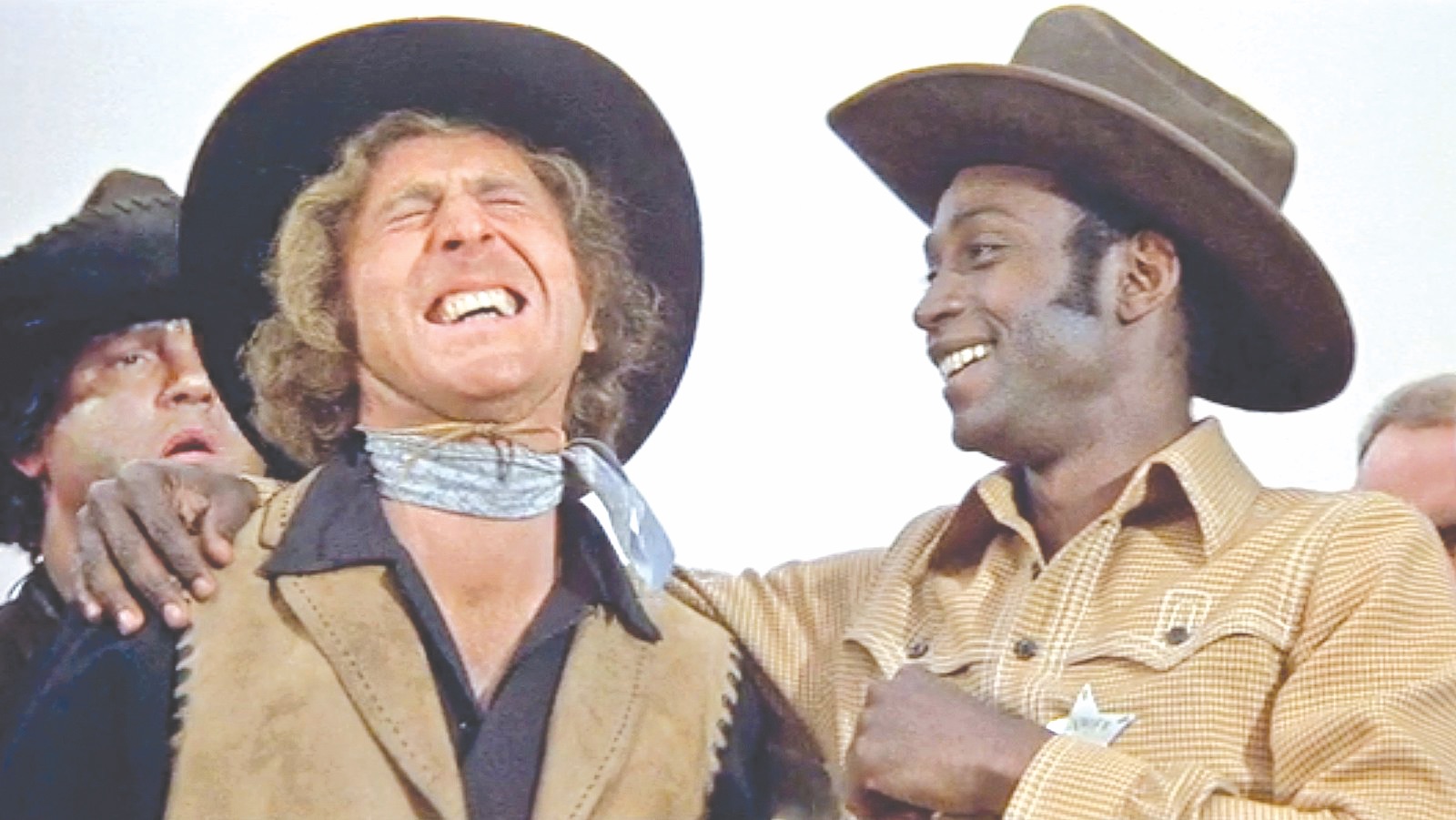
The 1974 irreverent comedy by writer-director Mel Brooks, which addresses issues of racism, colonialism and misogyny in the American West as reflected through the era when it was filmed, screens in conjunction with the “Richard Prince: Untitled (Cowboy)” exhibition at the Los Angeles County Museum of Art (LACMA). The event features a conversation with director Jared Moshe (“The Ballad of Lefty Brown,” “Dead Man’s Burden”) after the film. All tickets available through LACMA’s box office and online ticketing system. Tickets $5–$10. 7:30 p.m. Bing Theater at LACMA, 5905 Wilshire Blvd., Los Angeles. (323) 857-6000. lacma.org.
SAT MARCH 24
WOMEN OF THE WALL SPEAKER
Cheryl Temkin
Cheryl Temkin, North American liaison for Women of the Wall, discusses the organization’s evolution. The group aims to secure the rights of women to pray at the Western Wall in Jerusalem in a fashion that includes reading from the Torah and wearing tallitot. 7:30 p.m. $15 donation. Temple Ahavat Shalom, 18200 Rinaldi Place, Northridge. (818) 360-2258. tassisterhood.weebly.com/wowevent.html
SUN MARCH 25
“TABLE FOR FIVE — LIVE”
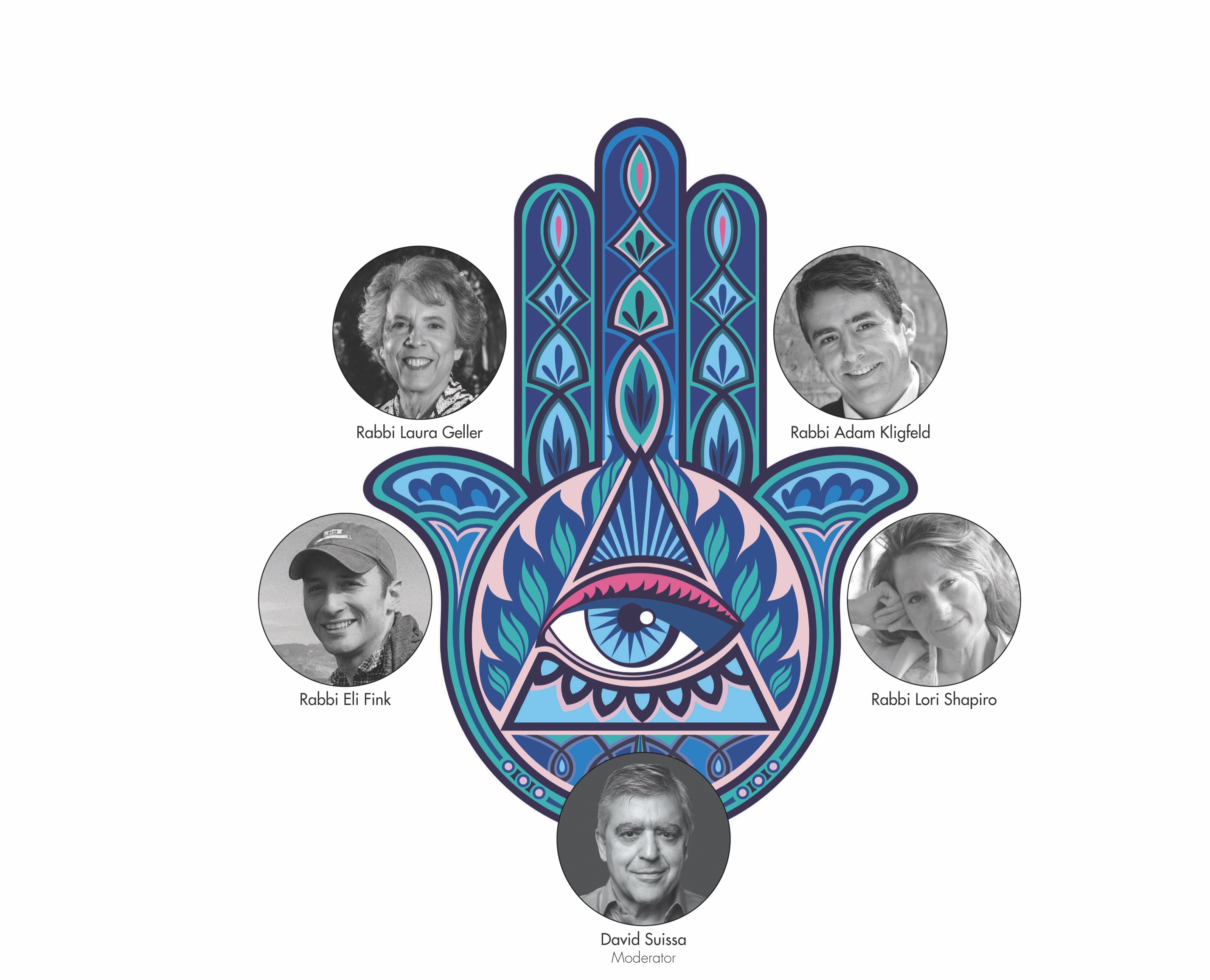
Temple Emanuel of Beverly Hills Rabbi Emerita Laura Geller, Temple Beth Am Rabbi Adam Kligfeld, Open Temple Rabbi Lori Shapiro, Rabbi Eli Fink and Jewish Journal Publisher and Editor-in-Chief David Suissa discuss “Mysteries and Lessons of Passover,” a live-streamed, online conversation from the Jewish Journal studio. Co-sponsored by Limmud, the event is the first live edition of the Jewish Journal’s increasingly popular, multidenominational feature, “Table for Five,” which includes rabbis and others weighing in on the weekly Torah portion. 12:30 p.m. Free. Watch at jewishjournal.com/tableforfivelive.
WACKY PASSOVER FAMILY FUN DAY
Travel back in time to biblical Egypt and relive the Exodus at this family-friendly program at the Shalom Institute in Malibu. Kids will love hanging out with Norman the Cow and other animals at the Pinat Chai Animal Center and getting active with the giant swing, climbing wall and zip line. Also, they will learn what it was like for the Israelites to till the land when they try out the Shemesh Organic Farm. Additional activities include arts and crafts, nature hikes and a Passover singalong. 11 a.m.–3:30 p.m. $10, ages 7 and over. Free, ages 6 and under. Shalom Institute in Malibu, 34342 Mulholland Highway, Malibu. (818) 889-5500. shalominstitute.com.
SCALIA: “THE JUSTICE OF CONTRADICTIONS”
Richard Hasen
Professor Richard Hasen, chancellor’s professor of law and political science at UC Irvine, discusses his new book, “The Justice of Contradictions: Antonin Scalia and the Politics of Disruption,” with UC Berkeley School of Law Dean Erwin Chemerinsky. Hasen’s recently published book examines the complex legacy of the late Scalia, one of the most influential and controversial justices to serve on the U.S. Supreme Court. A lunchtime conversation for anyone interested in understanding the rightward shift of the highest court in the land. 12:30 p.m. Free. Los Angeles Central Library’s Mark Taper Auditorium, 630 W. Fifth St., Los Angeles. (213) 228-7500. lfla.org.
“VOICES OF OUR MOTHERS”
Lisa Peicott
Sinai Temple Cantor Lisa Peicott performs a solo recital celebrating Jewish songs and poetry created and inspired by women. A classically trained soprano, Peicott earned her undergraduate and master’s degrees in music from the UCLA Herb Alpert School of Music before entering cantorial studies at the Academy of Jewish Religion, California (AJRCA). Refreshments follow the concert, a partial fulfillment of the performer’s master’s degree in Jewish sacred music from AJRCA. 5–6 p.m. Free. Sinai Temple, 10400 Wilshire Blvd., Los Angeles. (310) 474-1518. sinaitemple.org.
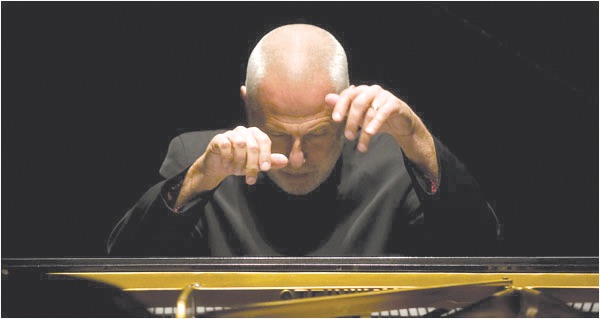
VLADIMIR FELTSMAN
Vladimir Feltsman
Russian-Jewish piano virtuoso Vladimir Feltsman and the American Youth Symphony, a group of accomplished young musicians from Los Angeles, perform Prokofiev’s “Piano Concerto No. 1.” Carlos Izcaray, music director of the American Youth Symphony, conducts the performance, which is part of the 2017-2018 Los Angeles Philharmonic’s “Sounds About Town” music series. 7:30 p.m. $15–$45. Walt Disney Concert Hall, 111 S. Grand Ave., Los Angeles. (323) 850-2000. laphil.com.
KIDS COOKING FOR PASSOVER
Kids ages 8 and older learn to cook for Passover with the Culinary Kids Academy, which educates children and young adults through cooking classes. The event begins with participants learning about the story of Nachson, the first person to jump in the Red Sea when the Israelites were fleeing from the Egyptians. The children learn how to follow in his footsteps to be the best they can be. Afterward, they prepare a delicious kosher-for-Passover breakfast. 1:30 p.m. $15 per family. American Jewish University, Familian Campus, 15600 Mulholland Drive, Los Angeles. (310) 440-1572. aju.edu/whizin.
Temple Kol Tikvah held its annual “Magical Evening” gala honoring several of the Reform community’s members on Feb. 24 at its campus in Woodland Hills.
More than 250 guests attended the soldout event, which included dinner, cocktails, dancing and roaming magicians.
The evening’s honorees were Cory Garson, who received the Kehillah Community Award, and Simona and Rich Wildman, who received the L’dor V’dor Award. The Young Adult Leadership Award recipients were Kami and Michael Stone.
“Our honorees’ accomplishments and dedication continue to make a huge impact on Kol Tikvah and on the greater Jewish community,” said Kol Tikvah Senior Rabbi Jon Hanish. “The magic of their kindness inspires all of us.”
Kol Tikvah clergy in attendance included Rabbi Becky Hoffman and Cantor Noa Shaashua.
The event’s co-chairs were Bunny Getz,Melissa Shenkin Saunders and Rachel Rapport.
Garson has served several key roles at Kol Tikvah, including temple president and vice president of membership. She was on the board of trustees for several years.
The Stones became members in 2013 while searching
for a preschool for their daughter, Charli. Kami began volunteering in the preschool and has been a part of the education fundraiser committee every year. Michael worked with The Jewish Federation of Greater Los Angeles to acquire a federal grant for Kol Tikvah to upgrade its security systems.
The Wildmans — who also recently celebrated their 58th wedding anniversary — became members in 1996 and consider their greatest joy to be their commitment to volunteering and the temple, according to the synagogue’s website.
— Virginia Isaad, Contributing Writer
From left: L.A. County Sheriff Jim McDonnell and Anti-Defamation League Sherwood Prize honoree Marino Gonzalez, a sergeant with the L.A. County Sheriff’s Department who was promoted from deputy sheriff since the award was announced, attend the annual ADL Sherwood Prize luncheon on March 13. Photo courtesy of Anti Defamation League.
The Anti-Defamation League (ADL) honored law enforcement personnel for combatting extremism, bigotry and hatred at the Helene and Joseph Sherwood Prize for Combating Hate luncheon on March 13 at the Skirball Cultural Center.
Recipients of the prize, which was founded in 1996 to recognize law enforcement personnel, units and programs, were Los Angeles County Sheriff’s Department Sgt. Marino Gonzalez, Laguna Beach Police Department Cpl. Cornelius Ashton, the Los Angeles Police Department’s Criminal Investigation Section and the Palm Springs Police Department’s Investigations Bureau.
“This year’s honorees have made creative and effective contributions to the fight against hate,” said Amanda Susskind, director of the ADL’s Pacific Southwest region. “The common thread shared by all the honorees is their work with the many diverse groups that make up the population of Southern California.”
The ADL recognized Gonzalez for working toward restoring public trust in law enforcement in the mostly migrant community of Cudahy in southeastern L.A. County. In his acceptance speech, Gonzalez said that undocumented residents have “nothing to fear if they call [the] L.A. Sheriff’s Department.”
In a touching moment, Vasco Possley, a student who benefited from Ashton’s intervention after a hate crime, spoke about how Ashton made him “feel safe.”
David Sherwood, grandson of the couple who founded the award that bears their names, spoke on behalf of his grandfather, who turned 101 the day before the awards ceremony and was unable to attend. Addressing the assembled law enforcement personnel, including L.A. County Sheriff Jim McDonnell, Sherwood said his family was grateful for “everything you do.” He closed by repeating the epitaph on a garage wall of a local police department: “Be smart, be safe, be fair and be back.”
— Virginia Isaad, Contributing Writer
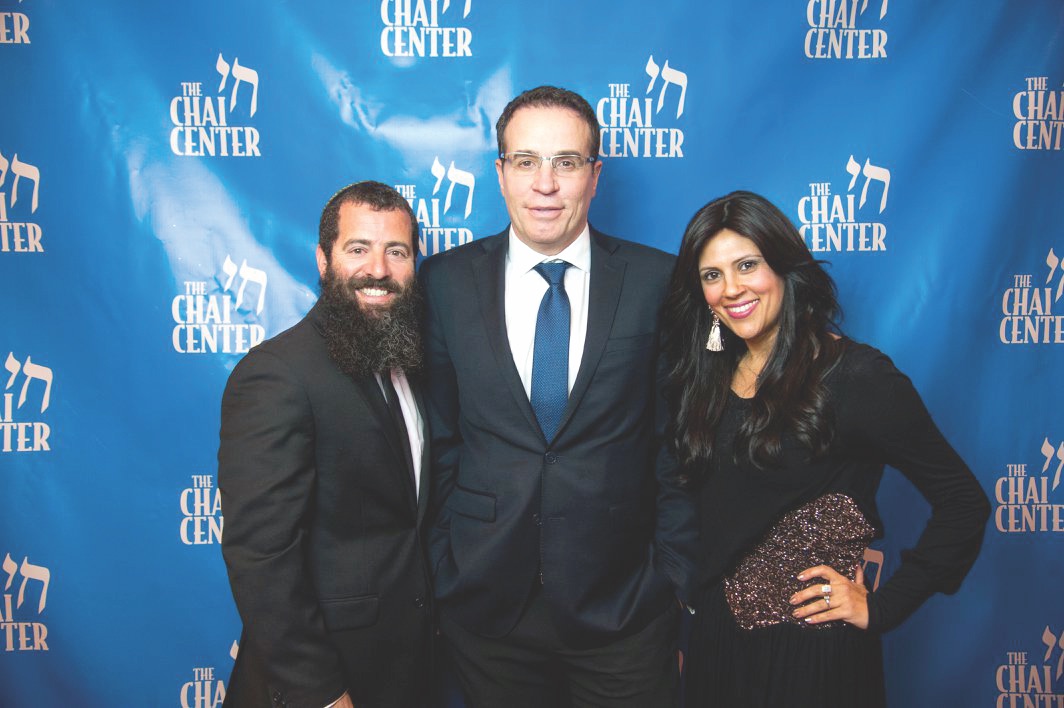
From left: Rabbi Mendel Schwartz, Chai Center Honoree Youval Ziv and Esther Schwartz come together at the Chai Center’s 30th annual banquet. Photo by Joe Silva.
The Chai Center, a Jewish outreach organization, held its 30th annual fundraising banquet on March 8 at the El Rey Theatre in the Mid-Wilshire District.
Hosted by husband and wife Rabbi Mendel Schwartz and Esther Schwartz, the event featured Jewish Journal Publisher and Editor-in-Chief David Suissa as master of ceremonies.
The event opened with an art exhibition, “Venezia Ghetto, 500 Years,” by artist Sarah Singer. This evening’s honoree, Youval Ziv, CEO and managing director for real estate investment company Pacific Holdings, brought 50 of his friends to the event.
The Chai Center is a nonprofit organization dedicated to serving the Jewish community in the greater Los Angeles area and beyond with Shabbat dinners, singles parties, holiday celebrations, innovative High Holy Days services at the Writers Guild Theater, Passover seders, kabbalah classes and retreats. The Chai Center serves Conservative, Reform and unaffiliated Jews from all backgrounds.
The Chai Center was co-founded by the late Rabbi Shlomo Schwartz — also known as “Schwartzie” — and his wife, Olivia Schwartz, the parents of Mendel Schwartz. Olivia serves as the organization’s co-director and Mendel Schwartz is its program and development vice president.
Suissa, in his remarks, described Schwartzie and dinner chairman and philanthropist Stanley Black as two people who never said no.
Black pledged an additional $25,000 toward Chai Center programing.
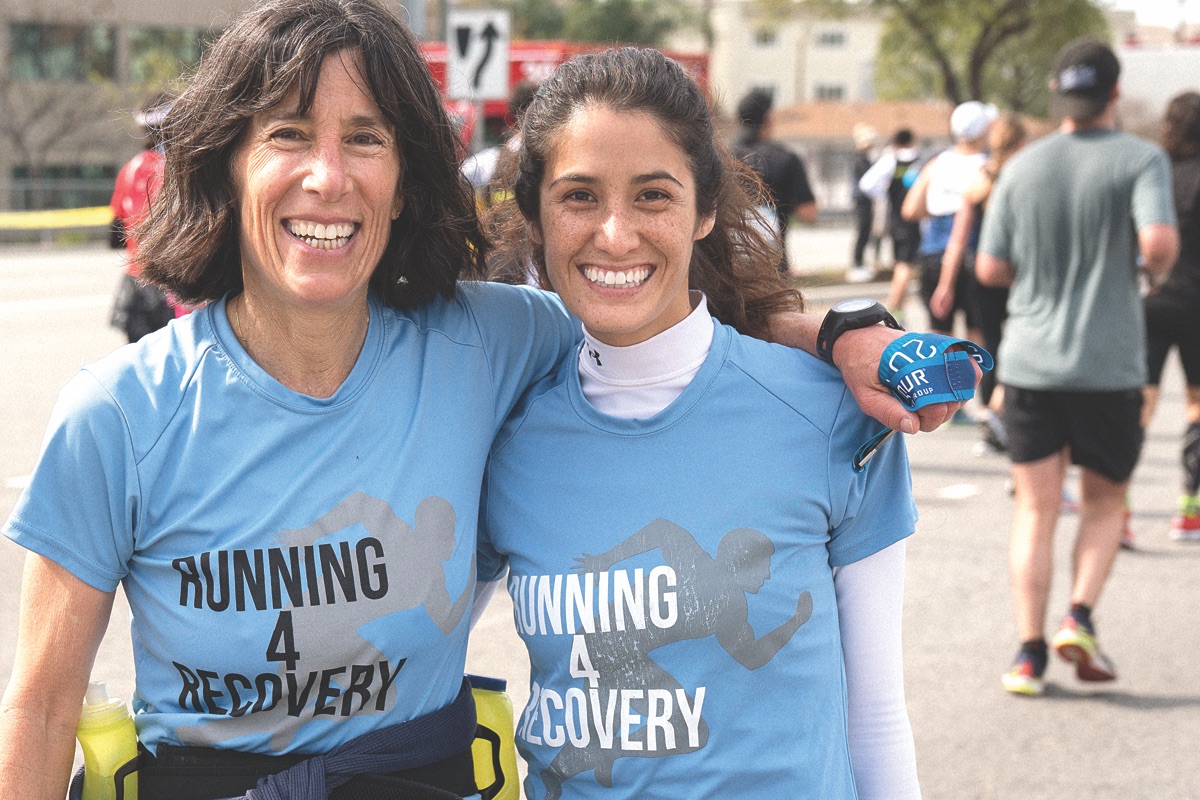
Beit T’Shuvah coaches Leslie Gold and Anna Johnson helped prepare Beit T’Shuvah residents and supporters for participating in this past Sunday’s L.A. Marathon. Photo by Justin Rosenberg.
Residents and supporters of Jewish rehabilitation organization Beit T’Shuvah, which serves community members suffering from substance abuse and other addictions, participated in the Los Angeles Marathon on March 18.
Every year, Beit T’Shuvah residents and supportive community members run the marathon as part of the Beit T’Shuvah program Running4Recovery, which raises funds for Beit T’Shuvah and serves a clinical function for residents of the center.
This year, 52 individuals — including residents, residents’ friends, Beit T’Shuvah staff and board members — participated and raised more than $100,000 for the organization.
“Running the marathon helps our residents on their road to recovery,” Beit T’Shuvah Director of Advancement Janet Rosenblum said in an email.
Among those running were Beit T’Shuvah Board of Directors Chairman Russell Kern, board members Samuel Delug and Susan Krevoy, and Rosenblum’s husband, Robert Rosenblum, who participated in a 26-week training program prior to the race.
Janet Rosenblum said Beit T’Shuvah developed Running4Recovery in 2009 as both a fundraiser and a clinical program. It has raised about $1 million over its nine years,
“We know that training for and completing a marathon helps residents on their road to recovery,” she said. “It takes a lot of hard work to run or walk a marathon, and the program has been incredibly valuable to the residents who participate. It also brings out our board and other community members and becomes a shared experience for the entire Beit T’Shuvah community.”
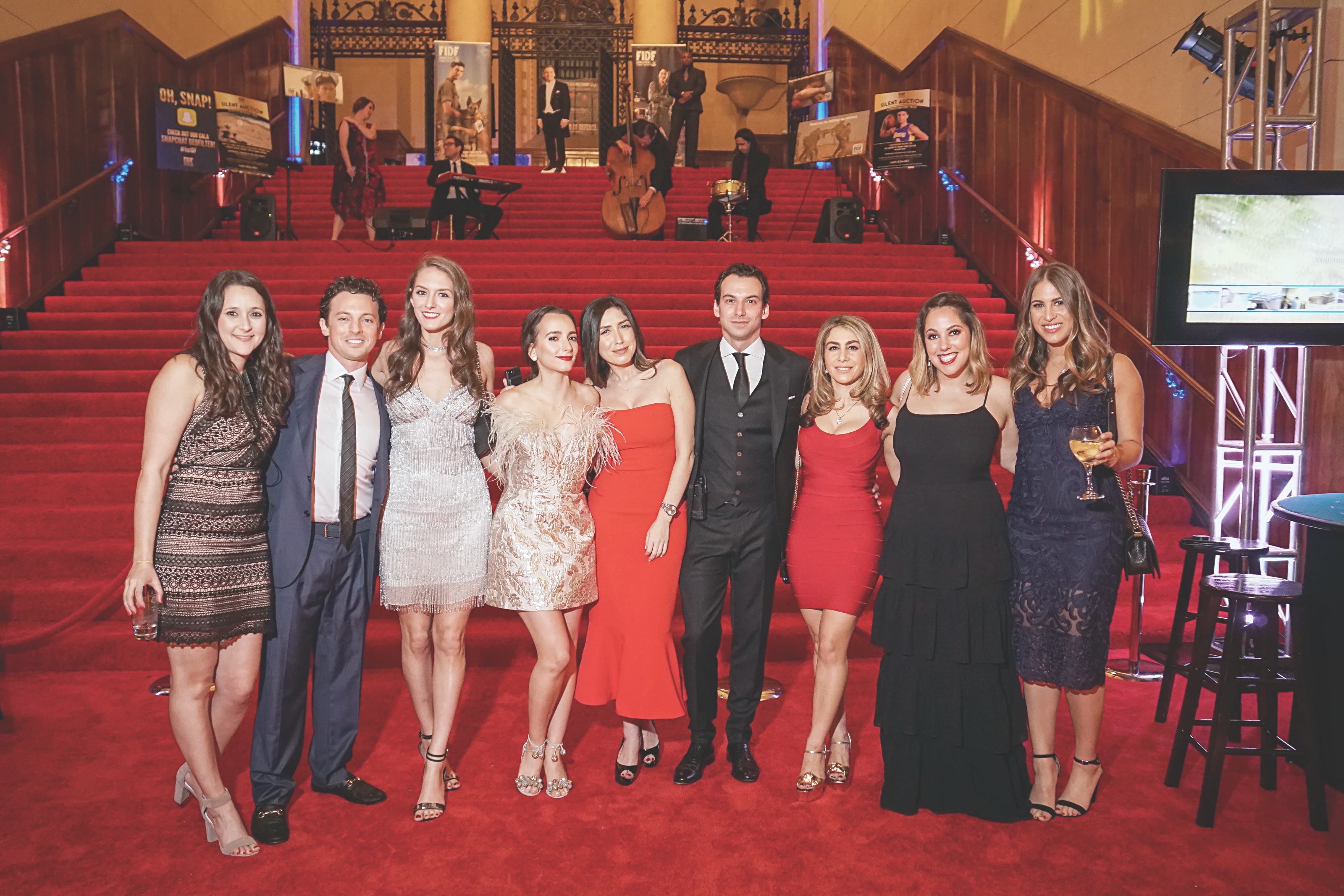
From left: Friends of Israel Defense Forces (FIDF) Western Region Executive Director Jenna Griffin; FIDF Young Leadership of L.A. President Zach Zalben; Amanda Mondre; Rebecca Sahim; Francesca Ruzin; Michael Spector; Chantly Geoulla; Jennie Arad and incoming FIDF Young Leadership of L.A. President Danielle Moses attend the FIDF Roaring 20s Old Hollywood gala at The MacArthur. Photo by Justin Kenderes.
The Friends of the Israel Defense Forces (FIDF) Young Leadership of Los Angeles (YL-LA) held its 10th annual L.A. Roaring ’20s Old Hollywood Gala on March 10 at The MacArthur special events venue in the Westlake neighborhood.
The event raised more than $500,000 in support of programs for the well-being and education of IDF soldiers and drew more than 1,100 young professionals from across greater Los Angeles.
The evening honored the legacy of Zev Karkomi, who was born in Ukraine and escaped the Holocaust before moving to Israel — then the British Mandate of Palestine — in 1941. He fought for Israel’s independence as a member of the Haganah and later served as a captain of the IDF until 1958. He immigrated to Chicago in 1960, built a thriving business there and became a supporter of the FIDF, among other organizations.
Karkomi’s grandson, Ari Ryan, an FIDF national board member and Western Region vice president, co-founded FIDF YL-LA to continue his grandfather’s legacy.
“L.A.’s FIDF Young Leadership Division is more successful than ever,” Ryan, who chaired the gala for his 10th and final year, said in a statement. “Over the last decade, more than 6,000 young L.A. professionals have gotten involved through our events and helped us to raise much-needed funds to support Israel’s brave soldiers. I am so proud of what we have accomplished, and am humbled by the passion and desire to give back demonstrated by L.A.’s young professional community.”
Attendees included FIDF YL-LA President Zach Zalben; FIDF YL-LA board member and incoming president Jennie Arad; FIDF YL-LA executive board members Robert Roig and Michael Spektor; IDF soldiers, including a former Lone Soldier (one who serves in the Israeli military without immediate family in Israel); “Million Dollar Listing Los Angeles” cast member Josh Flagg and his husband, Bobby Boyd, who were gala sponsors; and FIDF Western Region Executive Director Jenna Griffin.
Headquartered in New York City, FIDF was established in 1981 by a group of Holocaust survivors to provide for the care of IDF soldiers and the families of fallen soldiers. The organization has 20 regional offices in the United States and Panama.
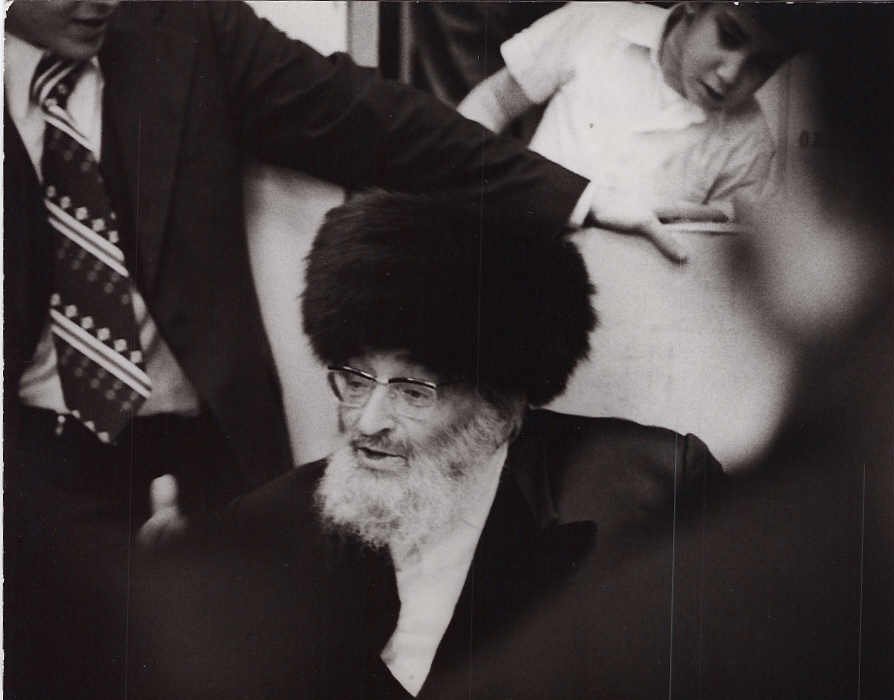
Rabbi Yitzchok Hutner, ztz’l (1906-1980) was one of the most brilliant and radically creative Roshei Yeshiva of the twentieth century. In his seminal work, Pachad Yitzchak, he offers a profound insight about the deeply-rooted Jewish appreciation for those who convert to Judaism. He explores the contrast between the notions of the despised Amalek (Exodus 17) and the beloved Yitro (Exodus 18). The two ideas are mystically connected, because the story of Yitro sequentially follows the story of Amalek, and for the sages, this indicates that Yitro is emerging to respond to Amalek. As a further basis for this contrast, the rabbis explain the verse in Proverbs 19:25 as juxtaposing Yitro and Amalek (Shemot Rabah 27:5)[1]. Amalek represents pure evil that attacks the weakest in society (as they attacked the Israelites walking in the back as they left Egypt and traveled the desert). Yitro, on the other hand, is Moses’ father-in-law and teacher and, according to many commentators, a convert to Judaism.
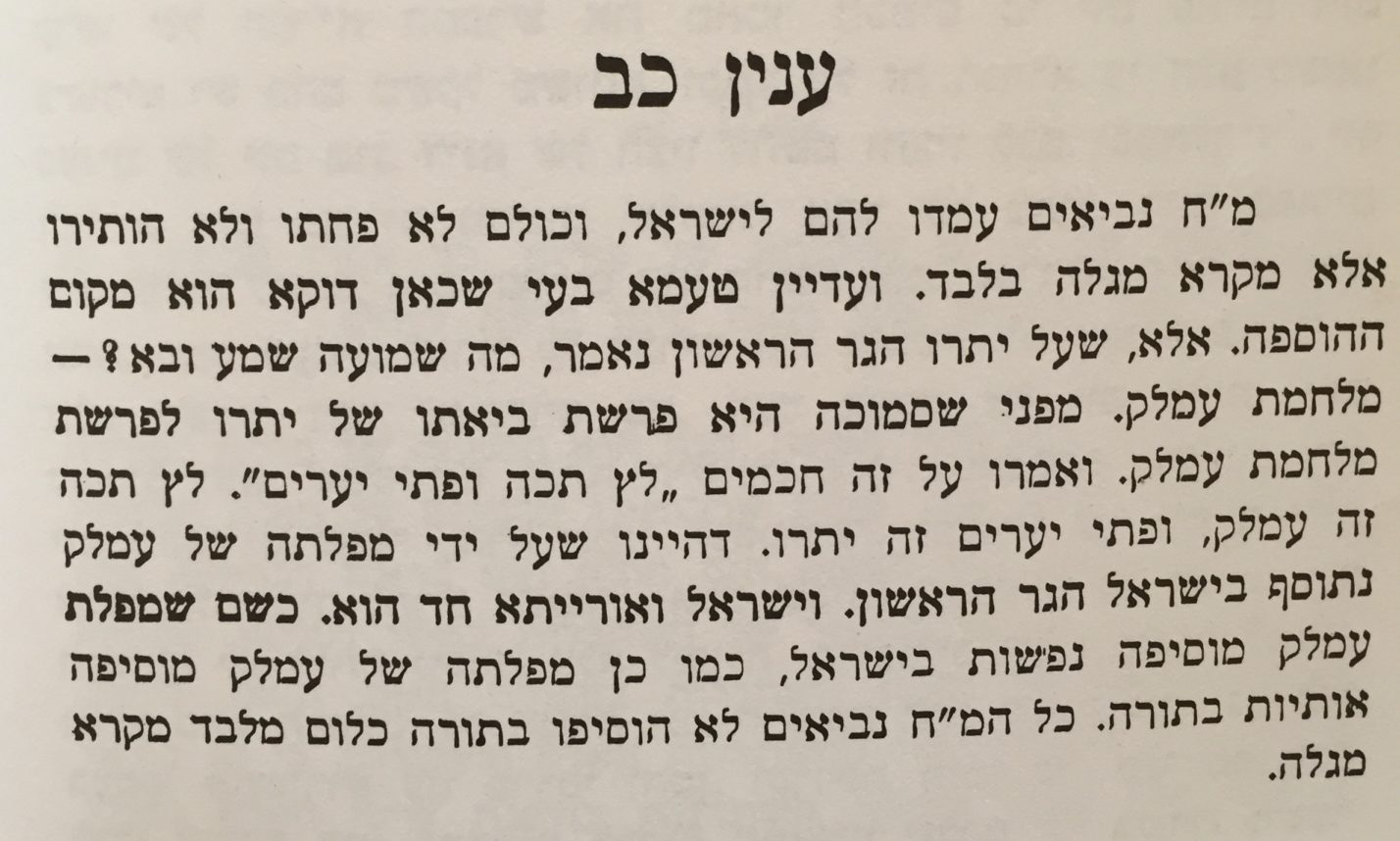
To support his point, Rav Hutner brings the Biblical prohibition against adding or subtracting to the Torah but then he brings the Talmudic position that the prophets made the Megillah the exception (BT Megillah 14a). They added the Megillah because Haman is from Amalek and because of Yitro being added to the Torah in response to Amalek, and since the Jewish people and the Torah are one, adding a convert is adding Torah. Just as the Megillah adds to the Torah, so too does Yitro add to the Torah.
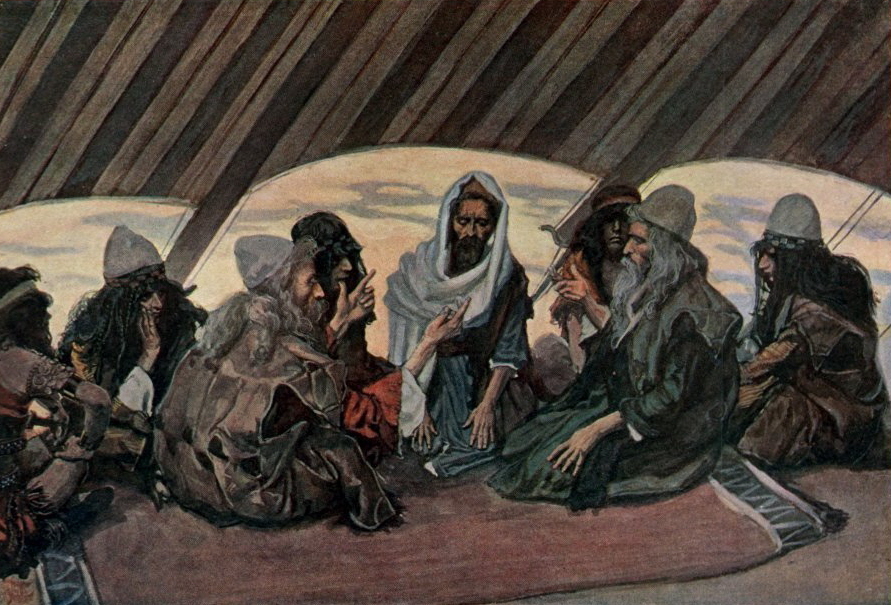
Yitro & Moshe (Wikimedia Commons)
Rav Hutner’s teachings are inspiring. He suggests the idea that converts can, and perhaps should, expand the potential and actualization of the Torah. While those raised within the Jewish community have much to offer based upon their potential literacy and fluency of the Jewish experience, those coming into Jewish life from the outside have the unique potential to expand Torah in innovative ways. Yesterday, as it were, one did not leave Egypt as a slave. But today, upon converting, one is transformed to the point where they left Egypt, were chased by Amalek, and stood at Sinai. They become fully Jewish while also bringing the positive gifts from their old culture and modes of thought. The Jewish people, always so limited in number, must be open to receiving these contributions.
The path of the Jewish convert is strenuous. The processes that have been established over centuries have acted as both protection and entry way to a life of keeping the commandments and devoted to Torah learning. But how are we doing, as a collective Jewish community, in taking care of our brothers and sisters who seek to become part of the ways of the Torah and mitzvot and intertwine themselves with our fate and destiny?
Based upon the stymying attitude emerging from the office of the Chief Rabbinate in Jerusalem, however, one would think that the Torah’s attitude towards converts would be something along the lines of: “Exercise extreme caution with those who want to convert” or “Act with spite toward all those who want to join the Jewish People.” After all, when rabbis create arbitrary lists to invalidate certain rabbis performing conversions, all the while making the standards of what makes a Jewish convert “legitimate” more stringent and opaque, they bring needless suffering and unwarranted shame to those who have dedicated months, sometimes even years, to accepting the covenants of Judaism. How can a Person of Color, for example, trust their conversion is accepted by the Chief Rabbinate when the Chief Rabbi, Yitzchak Yosef, just referred to black people as “monkeys.”
Sadly, shame might be the standard feeling based on the events of the current moment; what other conclusion might one come to? One might think the guiding text for the obstinacy found among members of the Chief Rabbinate is the unusual one that states: “Proselytes are hurtful to Israel as a sore on the skin” (BT Yevamot 109b). One without the knowledge might be surprised to learn that the Torah time and time again vigorously commands us to love and protect converts. As one example, Maimonides taught:
Loving a convert who has come to rest under the wings of the Almighty [fulfills] two positive commandments: one for the convert who is [also] included among the “fellows” [whom we are commanded to love] and one because they are a convert, and the Torah states: “and you shall love the convert.” God has commanded us concerning the love of a convert just as God commanded us concerning loving God, as it states: “And you shall love God, your Lord.” God loves converts as the Torah notes “and God loves converts” (Mishneh Torah, Hilkhot Deot 6, 4).
Admittedly, there will always be particular individuals in the Jewish world who are angry or jealous that “outsiders” who enter the Jewish people are actually to be given more honor and protection; overcoming these negative emotions is their spiritual work. Consider how the midrash explains this phenomenon:
A king has many flocks of sheep, and one day a stag appears and joins the sheep. The stag grazes with the sheep and returns with them at night, as if he were a sheep. When the shepherds tell the king of the stag, the king takes great pride and interest in it and ensures that the shepherds treat the stag with special care. The shepherds question the king, asking “you have thousands of animals over which you take no personal interest, so why do you care so much about one animal?” The king answers them, “My sheep have only one flock to join, and cannot leave, but this stag has the whole world to choose from, yet he chose my flock. He surely deserves my special attention and cares” (Bamidbar Rabbah 8:2).
Elsewhere in Jewish thought, we find sources that demonstrate that there is a moral imperative to love and protect converts. This is partially due to the fact that they are far more exposed and susceptible to exploitation. But, concomitantly, this can also be due to the fact that converts can be viewed as courageous, spiritual journeyers who have overcome great obstacles. It is said that Yitro later became drawn to the miracles of Torah and the God of the Israelites. Indeed, expanding on this point, there is an illuminating point in the Talmud that God seeks out individuals with unique spiritual attributes to join the Jewish people (BT Gittin 56a). Through this lens, every convert is specially chosen by the Divine to actualize their potential at a point in life.
And to be sure, the medieval commentators known as the Tosafists explain the burden put upon those born Jewish and offer solutions. Firstly, they suggest we must do all we can to be accepting of converts and prevent any suffering and secondly that since converts tend to be particularly careful in their observance, those born Jewish may feel implicated when they do not reach the same level (BT Yevamot 47b; BT Kiddushin 70b-71a). And, to be sure, the great sage Saadia Gaon, teaches that this mitzvah does not begin once one has converted to Judaism, but actually at the moment the conversion journey commences.[2] Even before one begins the delicate process, support has to be present and gentle. We don’t distress those in the process only to embrace them once they’ve rigorously jumped through all hoops. Rather the Torah directives for love and justice begin at the beginning.
The Sefer HaChinuch reminds us that the mitzvah is not merely to love the convert, but also to prevent gratuitous psychological anguish:
We are commanded to love the convert: In particular, we are directed not to cause converts to suffer in any way, but rather to do them good and act as charitably as they deserve. The converts are all those who have joined us from other nations and abandoned their religion and joined outs. About this group, the Torah [Devarim 10:19] says, “Love the stranger [convert] since you were strangers (Sefer HaChinuch, Mitzvah 431).
Being the leaders of a new and compassionate frontline that welcomes converts and greets them with open arms, rather than suspicion, has to be the path forward for a healthy, engaged Judaism; it is a spiritual call to arms. Converts should never be used as pawns in intra-Jewish battles of influence over policy or religiosity. The transformative moments of spiritual import for converts are too important for this pettiness. Ensuring that all those who seek the beauty of mitzvot become full-fledged members of the community with love and care is a holy task we can accomplish.
But how are we doing on this as a Jewish community today? There is undoubtedly much room where we can improve on both the individual, communal and national levels. But even more so, the monopoly of who is and who can be a Jew must be taken away from those who so narrowly construe the definition of who is a Jew. While the Chief Rabbinate stumbles to consolidate its bureaucratic power, peoples’ dignity (and lives) are at stake. We should follow the teachings of Rabbi Yitzchak Hutner, who added a brilliant and compassionate insight when he suggested that Yitro’s joining the Jewish people expanded the Torah. In our day as well, the Jewish people—and the Torah itself—only gain more glory and awareness of the Divine Spirit by receiving yearning souls into the community.
[1] The line from Proverbs reads: “Beat a scorner, and a simple man will gain cunning; reprove a man of understanding, and he will understand knowledge.”
[2] See the Ri Barcelona quoted in the Sefer HaMitzvot of Saadia Gaon in Rabbi Yerucham Perlow’s commentary on Mitzvah 19).
How refreshing is it to finally have someone like Nikki Haley speak the truth about the anti-Semitic policies of the United Nations (“Haley Rips U.N. at AIPAC for ‘Bullying’ of Israel,” March 6). The United Nations truly acted as a “bully” toward Israel while former President Barack Obama’s administration did nothing but pass more anti-Israel resolutions. Haley’s voice for Israel and demands for changes in the U.N. are finally being heard. What we need is more people like Haley who are not afraid to speak the truth and recognize the U.N. for what it is.
Alexander Kahan via email
I enjoyed reading the brief on Haley’s appearance at AIPAC. Although I did not attend the most recent AIPAC in Washington, D.C., I did enjoy reading some of the speeches, especially Haley’s. As we all know, Israel has been the punching bag in the U.N. for many years and, regardless of which country is being bullied, the idea of fairness in order to bring unity among the nations should be top priority for the U.N., no matter which country it is.
Ariel Hakim, Los Angeles
The Seeds of Hate
As much as I am in favor of peace between Israelis and Palestinians, I don’t believe that getting them together will help (“Seeking Peace From the Ground Up,” March 2). Yes, you were allowed to feel hate when the 13-year-old boy was brutally murdered. That is what everyone’s initial reaction should be. I don’t see how you can forget that feeling and move on. I agree that you can’t solve the conflict, but I don’t agree that you can prevent racism. As nice as that sounds, I don’t believe that is realistic.
David Raviv via email
I have mixed emotions about the Roots summer camp. It is true that anger is a horrible sin, however, it is best to keep people who commit acts of terror as far away as possible. It has been proven that we cannot appease the Arabs, and I think it is time that we stopped trying. Shaul Judelman is correct in that we should not let adults’ conflict cloud our children’s minds, but this is a different situation. The best thing we can do now is to stand our ground and keep far away from hateful people.
Yosef Khorramian, Los Angeles
I really agree with the points reporter Deborah Danan makes in this story when she talks about making peace with the Palestinians instead of getting angry and causing conflicts, because if we just fight and argue with them, peace will not be achieved. I also agree with creating the Roots program because I think that having young Israelis and Palestinians work together at a young age will bring more respect to both sides.
Borna Haghighat, Rancho Palos Verdes
I applaud the effort by Shaul Judelman. I think it is great that he is attempting to end racism between Palestinians and Jews. However, one must look at the bigger picture. Ultimately, I do not believe that his effort will make much of a difference. The Palestinians raise their children from Day One to hate Jews. This summer camp does not really change that. However, his actions are still having a positive effect on the people around him.
Aryeh Hirt, Los Angeles
Security Tactics to Protect Our Students
Israeli security expert Oded Raz is correct in stating many tactics can make our schools safer (“Israeli Security Expert Talks About Tactics to Protect Our Schools,” Feb. 23).
When asked, “How can America make high school campuses safer?” Raz mentioned four things: concept, procedures, technology and manpower. I agree with every idea.
Also, when asked, “What is the most critical skill for security guards?” Raz said that searching for suspicious people around the school is the most critical skill. If everything is clear, you can let the students and teachers go inside. I also agree with this.
Moshe Gamaty via email
When Ashkenazi Met Sephardic
I agree with David Suissa that we live in a time when Israel is divided by Sephardim and Ashkenazim (“Living in Ashkefardic Times,” March 9). We put this boundary in between us that divides us. I agree with him that we need to combine our cultures. It was very nice that his shul did it. The shul decided to combine the two sides and make it one community. We live in a society today where everyone classifies themselves as Sephardic and Ashkenazi, not a Jew, and that needs to change.
Saul Barnes, Beverly Hills
Trump Derangement Syndrome
Unlike the magnanimous David Suissa, I have little patience for Donald Trump derangement (“Why We Can’t Talk About Trump,” March 16). Former President Barack Obama, cool and stylish, began his term by praising the Muslim Brotherhood in Egypt, ignoring their vicious Jew-hatred, then refused to visit Israel while there, and snubbed Israeli Prime Minister Benjamin Netanyahu and his wife throughout his term. By normalizing and promoting Israel-bashing Muslim groups, he facilitated the growth of the Boycott, Divestment and Sanctions movement and turned the Democratic Party against Israel. He sabotaged Israel in the U.N., but worst of all, he surrendered control of Syria to Vladimir Putin and sent tens of billions of dollars to Iran, which now threatens Israel’s existence.
Trump, by contrast, condemned Palestinian leaders for paying Arabs to kill Jews, condemned U.N. Relief and Works Agency for abetting Hamas terrorism, and cut off U.S. funds for both. He then overruled the State Department to move the U.S. embassy to Jerusalem. Even though Indian-American Gov. Nikki Haley didn’t support Trump’s campaign, he still appointed her to the U.N., where she shamed the world’s tyrants and Jew-haters for ganging up on Israel, and decreed that Israel’s enemies no longer receive U.S. aid. Simply put, Donald Trump, though outrageous and crude, is the best friend Israel’s had since Harry Truman.
Rueben Gordon via email
I believe that President Donald Trump is only the symptom of Trump Derangement Syndrome — he is not the disease.
I admit I am increasingly deranged as I witness the escalating erosion of decency, the normalization and acceptance of deception, the brazen, unchallenged corruption and disregard for law and ethics.
Trump’s tactics are textbook projection. He disowns his venality and blames others for his sins. We are his goats of Azazel, commanded to carry his sins out of sight.
I am baffled that anyone who claims to be an Israelite (one who wrestles) can be assuaged by his antics. He represents Amalek, the anti-Jew who mocks our commandments. Amalek represents our dark, destructive impulses, literally our inner “dweller in the vale,” our Yetzer Hara. Amalek has many descendants and Trump and his co-conspirators are the most recent, and in my experience, the most frightening eruptions of our individual and national shadows that I have known in my lifetime.
Harriet Rossetto, Los Angeles
The Dating World
Illana Angel’s column should be congratulated for her dating approach as a divorced woman, which is to lead (her son) by example and date only Jewish men (“The Foibles of Dating Nice Jewish Men,” March 2). We know from the Pew report that 90 percent of the children of intermarried couples look at the intermarrying example set by their Jewish parent and do the same thing, resulting in the total assimilation of those Jews. I hope she finds a Jewish husband soon. Even better, I hope her son follows his mother’s example and some day finds a nice Jewish woman to marry.