The National Lawyers Guild (NLG) is being hit with a lawsuit over allegations of discriminating against an Israeli organization.
According to a press release from the Lawfare Project, which working in collaboration with attorney David Abrams of the Zionist Advocacy Center on the lawsuit, the NLG refused a $200 offer from the Bibliotechnical Athenaeum to place an advertisement in their Annual Banquet dinner journal on the grounds that they “have a resolution barring us from accepting funds from Israeli organizations.”
“If the NLG had similarly said, ‘Unfortunately, it is our policy not to do business with Chinese organizations,’ or ‘We have a resolution against accepting funds from African organizations,’ we would rightly be outraged,” Brooke Goldstein, executive director of the Lawfare Project, said in the press release. “Where is the same outrage when it comes to unlawful commercial discrimination against Israelis and Jews?”
The lawsuit is headed toward the New York Supreme Court, and the Lawfare Project is confident that the court will rule in their favor under New York’s Human Rights Law.
“The Lawfare Project believes that this is a strong case, and that NLG’s prejudicial conduct overtly violates the applicable laws on which our claims are based,” Benjamin Ryberg, who is representing the Israeli organization from the Lawfare Project, told the Journal in an email. “We are confident that the court will remedy the harm our client has suffered due to NLG’s discriminatory act.”
Ryberg also pointed out that the NLG “has a history of relentlessly attacking the Jewish state.”
“It is a fervent proponent of the bigoted Boycott, Divestment and Sanctions (BDS) campaign, the goal of which is to bankrupt the State of Israel via discriminatory business practices,” wrote Ryberg. “It has urged state governments to divest from Israel Bonds and the U.S. to cut all aid to Israel. Recently, it even actively raised funds in support of a notoriously anti-Semitic professor at a California university, who has consistently used her platform to malign, intimidate, and alienate the school’s Jewish student population.”
In 2014, the NLG called for the Obama administration to face charges of war crimes for funding Israel’s Iron Dome. Alan Dershowitz criticized the NLG in a Jerusalem Post column as being “the sworn enemy of Israel and the legal arm of Palestinian terrorism since the early 1970s following the Soviet Union’s switch from supporting Israel to opposing it.”
“The National Lawyers Guild has lost most of its lawyers since that time and has instead filled its membership roles with paralegals, amateur investigators and other assorted ‘legal workers,’” wrote Dershowitz. “It has no credibility in the legal profession and even some of its anti-Zionist members have recently quit, calling its policies regarding Israel ‘crazy,’ ‘irresponsible,’ and ‘bigoted.’”
The NLG has not responded to the Journal’s request for comment.
An Israeli rabbi was murdered in a drive-by shooting on nearby the Havat Gilat outpost.
The victim, 35-year-old Rabbi Raziel Shevach, was driving along Route 60 close to his home in the outpost when gunmen fired 22 bullets at his car as they drove by. Shevach was stricken multiple times in his neck and chest, and eventually succumbed to his injuries at Kfar Saba Meir Medical Center.
A friend of Shevach’s, Rabbi Yehoshua Gelbard, told Haaretz, “Rabbi Raziel was a rare combination of a smart student and devoted to God, who was kind to everyone who surrounded him.”
Israeli Prime Minister Benjamin Netanyahu denounced the shooting.
“I am expressing my deep sorrow and sending condolences to the family of Raziel Shevach, who was murdered tonight by a despicable terrorist,” said Netanyahu. “Security forces will do everything possible to reach the contemptible murderer and the State of Israel will bring him to justice.”
Indeed, Israeli forces shut down Route 60 and have been searching for the terrorists that murdered Shevach.
Yesha Council chairman Hananel Dorani blamed the Palestinian Authority for the terror attack due to their policy of paying terrorists. Hamas had nothing but kind words for Shevach’s murderers.
“We bless the heroic Nablus operation which comes as a result of the Zionist occupation’s violations and crimes at the expense of our people in the West Bank and Jerusalem,” the terror organization said in a statement.
Islamic Jihad praised the attack as well.
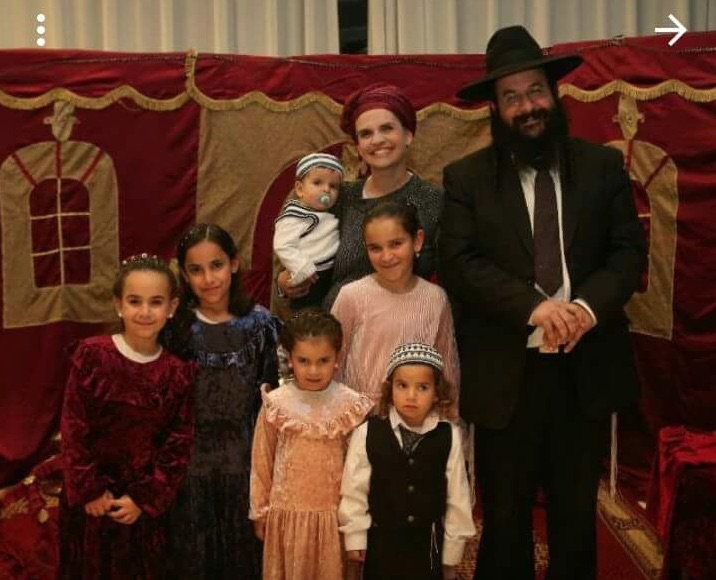
Shevach leaves behind his wife and six children. His oldest child is 11 years old and his youngest child is eight months old.
This is Rabbi Raziel Shevah with his beautiful family. He was murdered tonight by a Palestinian assailant, leaving behind a widow and six orphans. May they find comfort among the mourners of Zion and Jerusalem. pic.twitter.com/QhSdia8q5I
Orr Yakobi, a 22-year-old native of Israel and Deferred Action for Childhood Arrivals (DACA) enrollee, is being held by Immigration and Customs Enforcement (ICE) after accidentally crossing the border into Mexico on Jan. 7, Jacob Sapochnick, the detainee’s attorney, said.
Sapochnick, who spoke to the Journal in an interview on Jan. 10, said Yakobi, a senior at the University of California, San Diego (UCSD), was driving south on Interstate 5 with his friend to the Las Americans outlet mall near the U.S.-Mexico border on Jan. 7. The two somehow drove past the outlet mall, which is located on the border and took the next exit, arriving in Mexico, he said,.
“Once you get there you cannot turn back unless you cross the [U.S.] border,” Sapochnick said.
When they turned around and drove back toward the U.S. border, border patrol stopped the vehicle, “canceled [Yakobi’s] legal status” and apprehended Yakobi, Sapochnick said.
He was was detained by border patrol at the San Ysidro Port of Entry, a land border crossing between San Diego and Tijuana. According to Sapochnick, who is also Israeli, ICE is currently holding Yakobi in Otay Mesa.
“We’re trying to see if we can get him out on parole, but it’s going to take a while,” Sapochnick said, adding, “If you make a mistake … you should not be paying for it the rest of your life. There should be some logic. I hope they will see releasing him. It is the right thing to do.”
On Jan. 10, the California Legislative Jewish Caucus issued a letter calling on ICE to release Yakobi. The letter’s authors include State Sens. Ben Allen and Bob Hertzberg and Assemblymembers Richard Bloom and Marc Levine. They describe the detainee as an “excellent student who is just a few classes away from graduating with a computer science degree from UCSD and has met all of the terms of the DACA program.”
“Because there are no extraordinary circumstances for his continued detention, we ask that Mr. Yakobi be released immediately or at a minimum be paroled from Immigration and Customs Enforcement while the case is reviewed,” the letter says.
The California Legislative Jewish Caucus recently came out in support of the 200,000 Californians currently participating in DACA, according to the organization’s website.
The incident occurred as debate continues over the future of enrollees in DACA, a program that enables people who illegally entered the country as minors to receive renewable periods of deferred action from deportation.
Yakobi is from Kfar Saba. He has been living in the United States since he was 5 years old, nbcsandiego.com reported.
“UC San Diego is working with the student’s family and their attorney to assist in securing his release,” a university statement says.
ETTA, an organization that provides programs and services that help people with intellectual and developmental disabilities to live independent lives, held its 24th annual gala on Nov. 29 at the Beverly Hilton hotel.
The event honored Jonathan and Miriam Istrin and Susie and Fred Toczek, who together announced a scholarship program — Summer@ETTA — for the ETTA summer camp. The program serves teens and adults with developmental disorders, including autism and Down syndrome.
Also feted were longtime ETTA staff members Leah Schachter, director of volunteer services and special events, and Josh Taff, director of the Isak Boruchin Adult Day Program, who received the inaugural “Etty” award for outstanding professional achievement. Eight ETTA youth board members received the Youth Leadership Award. The Pujols Family Foundation, a nonprofit that supports families living with Down syndrome, received the Community Philanthropy Award. And the Don and Lorraine Freeberg Foundation, which recently donated a van to the organization, received the Builders of Tomorrow award.
The 700 attendees included Joc Pederson of the Los Angeles Dodgers, who turned out with his older brother, Champ, who has Down syndrome. Pederson accepted the award on behalf of the Pujols Family Foundation, which is named for Los Angeles Angels player Albert Pujols.
Dan Freeberg and James Geary accepted the award on behalf of the Don and Lorraine Freeberg Foundation. Actor Bradley Whitford (“The Post”) emceed. Actor Gary Cole (“Veep”) also attended.
Civic, political and community leaders in attendance included former Los Angeles County Supervisor Zev Yaroslavsky, state Sen. Ben Allen, L.A. City Councilman Paul Krekorian, attorney and ETTA board member Sam Yebri, ETTA Board of Advisors member Davis Factor and ETTA Executive Director Michael Held.
Temple Beth Ami Cantor Kenny Ellis (far right) hosts a Christmas Eve screening of “Fiddler on the Roof” at the Laemmle Ahrya Fine Arts theater in Beverly Hills. Photo by Tish Laemmle
More than 1,500 people turned out for screenings of “Fiddler on the Roof” at Laemmle Theatres outlets across Los Angeles on Christmas Eve, marking the 10th consecutive year that the theater chain has shown Norman Jewison’s 1971 musical film about the shtetl of Anatevka on the night before Christmas.
“We totally rocked the shtetl at six venues with seven packed auditoriums,” said Laemmle Theatres spokesman Marc Horwitz.
As they have done every year, folks who turned out at Laemmle theaters in Beverly Hills, Encino, Pasadena, Santa Monica and elsewhere sang along with favorites “Tradition,” “Matchmaker, Matchmaker,” “Sunrise, Sunset” and “If I Were a Rich Man.” The screenings also feature a host who leads the crowd in “Fiddler” trivia before the start of the film.
The hosts were Temple Beth Ami Cantor Kenny Ellis, a comic and entertainer who recently appeared as a rabbi in an episode of “Curb Your Enthusiasm”; klezmer bandleader Gustavo Bulgach; actress Susan Edwards Martin; Jason Moss of the Jewish Federation of Greater San Gabriel and Pomona Valleys; Steve Sass, president of the Jewish Historical Society of Southern California; Cantor Phil Baron of Valley Beth Shalom; and Temple Beth Israel Cantor Paul Buch.
From left: ADL Regional Director Amanda Susskind, ADL Regional Board Chair Ivy Kagan Bierman, ADL honoree Leah Weil, Bet Tzedek CEO Jessie Kornberg, retired U.S. Sen. Barbara Boxer, and Sarah and Joe Kiani attend the annual Anti-Defamation League gala. Photo courtesy of the ADLFoundation
The Anti-Defamation League (ADL) held its 2017 annual gala celebration on Dec. 6 at the Beverly Hilton hotel.
The event honored Leah Weil, senior executive vice president and general counsel at Sony Pictures, with the Jurisprudence Award. Weil, the child of Holocaust survivors, said she has always been focused on pushing back against anti-Semitism, in part, because of her family history.
Additional honorees were husband and wife Joe and Sarah Kiani, who were presented with the Humanitarian Award by retired U.S. Sen. Barbara Boxer. Joe Kiani is CEO and chairman of Masimo Corp., a medical technology company, and Sarah Kiani is a board member of the Masimo Foundation for Ethics, Innovation and Competition in Healthcare.
According to a press release, Sarah Kiani described the ADL as “our nation’s David, slinging rocks against the Goliath of prejudice and hate, and standing up for those who are voiceless.”
The event raised nearly $1.1 million to support ADL efforts combating racism and bigotry.
Attendees and participants included Los Angeles Assistant Supervising Deputy City Attorney Anh Truong; ADL National Youth Leadership Mission participant Haley Pak; comedian and actor Wayne Federman, who emceed; and songwriter Alan Bergman.
Stephen Jensen, Anthony Vinciquerra and Karen and Alan Weil co-chaired.
Howard Kaplan, incoming general manager at Mount Sinai Memorial Parks and Mortuaries. Photo courtesy of Mount Sinai
On Feb. 1, Howard Kaplan will join Mount Sinai Memorial Parks and Mortuaries as its new general manager. For the past 13 years, Kaplan served as executive director of Wilshire Boulevard Temple, where he was instrumental in reviving its summer camp programs and spearheaded the 2011-15 renovation and expansion of its Erica J. Glazer Family Campus. Kaplan previously held key positions at Temple Aliyah and the Brandeis Bardin Institute.
Since its inception in 1964, the Mount Sinai general manager position has been held by only three people. Kaplan will succeed Leonard (Len) Lawrence, who is stepping down after 15 years to pursue new business opportunities. The mortuary praised Lawrence for promoting the importance of Jewish funeral traditions and for increasing the popularity of Mount Sinai’s park in Simi Valley.
“We are excited to have Howard Kaplan join this group of esteemed professionals who have led Mount Sinai for nearly 60 years and look forward to his continued leadership,” said Eric J. Diamond, chairman of Sinai Temple’s Cemetery Management Committee. Mount Sinai Memorial Parks and Mortuaries is the largest exclusively Jewish mortuary and cemetery organization in California.
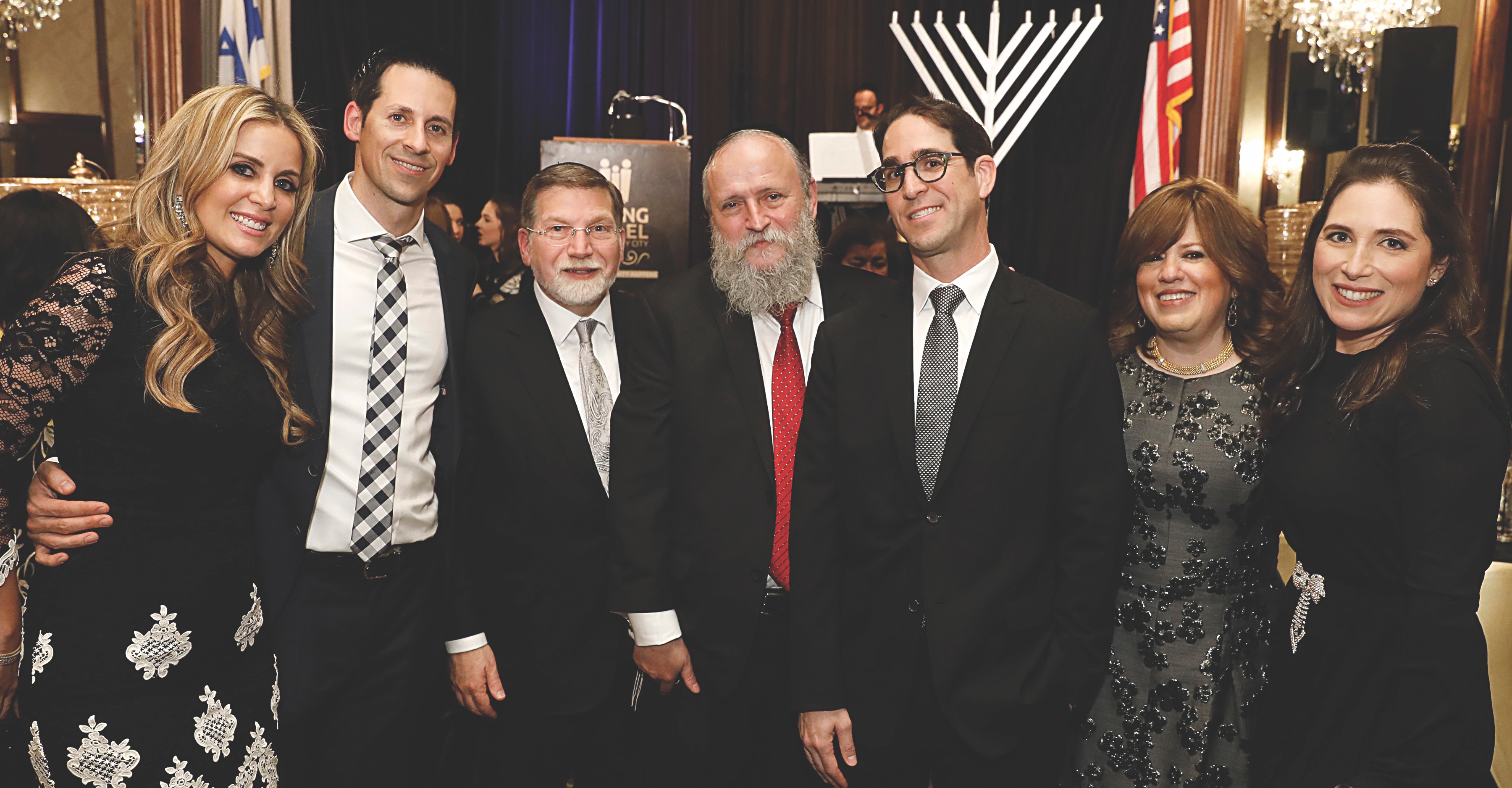
From left: YICC Leadership Award recipients Sabrina and Aric Zamel, YICC Senior Rabbi Elazar Muskin, Arthur Kranzler Keter Shem Tov Award honoree Rabbi Yisroel Baruch Sufrin, Tribute Award recipient Gil Goldschein, Ruhama Muskin and Tribute Award recipient Ilana Goldschein at the YICC Tribute Award Dinner. Photo by Steve Cohn Photography
Young Israel of Century City (YICC) synagogue celebrated its annual Tribute Award dinner on Dec. 17 at Sephardic Temple Tifereth Israel.
About 400 guests joined in celebrating the completion of YICC’s new facility at 9315 W. Pico Blvd., which opened on Dec. 1 after 18 months of construction.
YICC Senior Rabbi Elazar Muskin paid tribute to all those who devoted their time and talent to making the new building possible.
The synagogue presented Rabbi Yisroel Boruch Sufrin, head of school at the Harkham Hillel Hebrew Academy, with the YICC Arthur Kranzler Keter Shem Tov Award in appreciation of his allowing the synagogue to use the school’s facilities during YICC’s construction project.
The synagogue’s treasurer, Aric Zamel, and his wife, Sabrina, were honored with the Leadership Award for serving on the building committee and for their many years of commitment to the synagogue.
Synagogue President Gil Goldschein and his wife, Ilana, received the Tribute Award for their dedication in leading the congregation during the new building’s construction.
Bruce Powell (center), the outgoing head of school at deToledo High School, appears with deToledo High School faculty at The Jewish Federation of Greater Los Angeles’ Global Teen Twinning Program 20th anniversary event. Photo courtesy of The Jewish Federation of Greater Los Angeles
The Jewish Federation of Greater Los Angeles celebrated the 20th anniversary of its Global Teen Twinning Program on Dec. 10 at Stephen Wise Temple.
The event acknowledged the impact the program has had on thousands of students and their families, and recognized Bruce Powell, the outgoing head of school at deToledo High School, for 20 years of leadership and support of twinning.
The Federation program connects 20 schools in Los Angeles with 20 schools in Tel Aviv and one in Vilnius, Lithuania, through jointly prepared curricula, teacher training and exchanges lasting 10 days or more.
The initiative has supported more than 60,000 middle and high school students, parents and faculty, some of whom attended the event.
“The Lord spoke to Moses, saying, ‘Go and tell Pharaoh king of Egypt to let the Israelites depart from his land.’ But Moses appealed to the Lord, saying, ‘The Israelites would not listen to me; how then should Pharaoh heed me, a man of impeded speech!’ So the Lord spoke to both Moses and Aaron in regard to the Israelites and Pharaoh king of Egypt, instructing them to deliver the Israelites from the land of Egypt.”
God is about to send 10 plagues into the world — 10 miracles that will prove His existence and His special regard for the Jews. Why, then, does God ask Moses to approach both Pharaoh and the elders of Israel without proof of his divine mandate?
In his 2010 viral video, “Leadership Lessons From Dancing Guy,” Derek Sivers says, “The first follower transforms the lone nut into a leader.”
When Moses announced that he would demand that the most powerful man in the world release his workforce, no one took him seriously. It required faith and vision to become Moses’ first follower.
Aaron did not grow up with his brother and hardly knew him. He recognized, however, that Moses was the right man at the right time. Aaron jumped aboard despite enormous risk of failure and ridicule, thus earning his special relationship with Moses and his eternal stature among the Jews.
Once the plagues arrived, not only were the Jews finally ready to follow Moses, so were many Egyptians. A mixed multitude left Egypt, and our sages teach that many of these opportunists became the complainers whose faithless whining brought on a string of calamities in the wilderness.
Complainers are inevitable in any mission-driven group and they are profoundly destructive. To combat such a negative force, a leader needs a great first follower — one who not only gets the movement going but keeps it on track in tough times. May we merit being that first follower when the moment calls.
Rabbi Tal Sessler Sephardic Temple Tifereth Israel
Moses complains that the people did not listen when he addressed them. Why didn’t they listen? Because they were short of breath and working hard — a timely lesson for us moderns. Often we are so enslaved to our careers that we cannot possibly open up soulfully to what Elijah called “the still small voice” of God.
Friedrich Nietzsche once wrote that Americans don’t think, because in America “one thinks with a watch in one’s hand.” Today we can add to Nietzsche’s observation that nobody can experience spiritual emancipation from the tyranny and shackles of the mundane because we are constantly glued to our smartphones.
In the book “The Top Five Regrets of the Dying,” nurse Bronnie Ware shared the second most common regret of people in palliative care: “I wish I hadn’t worked so hard.” So many potential, blissful hours with loved ones and with the Almighty are squandered because of our culture’s idolatrous obsession with the false idol of “productivity.”
Karl Marx wrongly defined humanity as “Homo Faber,” the producing animal. The Torah reminds us that we are the soulful animal, and meeting the world’s material and psychological demands should never come at the expense of developing what Michael Fishbane called a “sacred attunement” to the mesmerizing voices of our loved ones, and to what Abraham Joshua Heschel called the subliminal “echo of eternity.”
How do we get people to listen to us when we feel unheard? Moses almost gives up because he can’t answer this question, and he defines himself solely by this struggle: “I am a man of closed lips.”
The Midrash teaches that the phrase “God spoke to Moses and Aaron” indicates that God actually gave them advice about how to communicate. Namely, Gold told Moses and Aaron that the way to be heard is to speak gently, with patience and respect.
Whether we are like Moses — leading others, petitioning authority for justice — or feeling unheard in our relationships, workplace or even prayer life, each of us can apply this wisdom. None of us is a stranger to conflict or heated conversation, to feeling unheard or silenced. Perhaps we may have even been the cause of such feelings in others.
Proverbs tells us, “As in water face answers to face, so is the heart of a person to a person” (27:19). What we give to others is what we receive. If we communicate gently, with patience and respect, we will receive just that. This is God’s advice to Moses and Aaron — and to us. It applies when we are speaking or listening, and even if our audience (like Pharaoh) doesn’t end up heeding our words. May God help us connect with one another and with Him — not with “closed lips” but with open ears, open mouths and open hearts.
Rabbi Ilana Berenbaum Grinblat Board of Rabbis of Southern California
“Is there an age limit for jury duty?” an elderly man asked at jury-duty orientation.
“No,” the woman replied. “We have had jurors of all ages, but if you are over 70 years old and have a medical condition that precludes you from serving, then you can fill out this form.”
The man thanked her and began filling out the form.
I sat down and read the verses I had brought with me to jury duty. In them, Moses asked God to be exempted from telling Pharaoh to let the people go. Moses, too, was elderly — 80 years old. Moses doesn’t ask God for exemption based on his age but rather based on his speech impediment.
God refused Moses’ request. Instead, God reiterated the summons to Moses and to his brother, Aaron. By including Aaron, God provided support to Moses. Aaron could serve as Moses’ spokesman if necessary. However, God didn’t believe that Moses’ speech impairment precluded him from leadership.
Moses thought he was “not a man of words,” but God knew better. God understood that, inside of him, Moses had a reservoir of wise words, which would become the book of Deuteronomy — in Hebrew, Devarim (literally, “words”). Moses was worried about his deficiencies but God recognized his strengths.
If only we could see ourselves — and one another — as God sees us. As Rev. Martin Luther King Jr. said, “Everybody can be great … because anybody can serve. You don’t have to have a college degree to serve. … You only need a heart full of grace. A soul generated by love.”
Rabbi Shlomo Einhorn Yeshivat Yavneh
Moses’ fear is reasonable: “How will I approach Pharaoh, the most powerful man in the world, the man who raised me, when my words flow with difficulty?” This insecurity probably stems from the fact that he knows that Pharaoh recognizes him at his most vulnerable. Pharaoh was responsible for teaching Moses most of his words and now Moses is going to use them against him.
The problem with this passage is not so much Moses’ fear, but rather the solution to the fear. God speaks to Moses and Aaron, instructing them to go together. How does this assuage Moses’ reservations? One possibility that has been suggested is that Moses doesn’t need to fear, because he will have a backup — Aaron will be with him. This approach’s flaw is that it ignores the fact that Moses has the ultimate backup: God.
Notice the wording of the verse is not that “you and Aaron will speak to Pharaoh.” That job still belongs to Moses alone. Perhaps this wasn’t about going in with a security blanket, but rather with an identity. If Moses stands and protests before Pharaoh, Pharaoh can turn and say, “How dare you? You are my son. I raised you. Traitor!” This is what Moses is afraid of. But with Aaron — his flesh and blood brother — by his side, he can turn and say to Pharaoh with confidence, “I may have been raised here, but these are my people and this is my family. You were merely a forced stopover.”
Richard Aptaker died Dec. 22 at 65. Survived by wife Beth; sons Matthew (Ruth), Seth; 2 grandchildren; brother Stanley. Mount Sinai
Ida Bader died Dec. 22 at 90. Survived by daughter Rachel; grandchildren; great-grandchildren. Mount Sinai
Harry Bain died Dec. 20 at 97. Survived by wife Golda; daughters Janet (Avi Fattal), Judith; son Robert; 9 grandchildren; 1 great-grandchild. Hillside
Jerry Barash died Dec. 16 at 66. Survived by wife Karen; daughter Ali (Spencer) Berman; sons Jordan (Julie), Brandon; 4 grandchildren; mother Rose; sisters Debby, Charlene (Max) Muller. Hillside
Adrienne Baron died Dec. 11 at 78. Survived by husband Harvey. Hillside
Miriam Baron died Dec. 15 at 92. Survived by sons Frank, Michael. Mount Sinai
Roberta Karen Berkowitz died Dec. 21 at 66. Survived by husband Elliot; daughters Dayna, Alison; sisters-in-law Cindy (Dennis) Sipplak, Michelle (Greg) Fiorillo, Joyce Buchalter. Mount Sinai
Joan Beylen died Nov. 25 at 84. Survived by daughters Andrea (Nathan), Margo (Ian), Karen; 2 grandchildren. Groman Eden
Bradley Carmel died Dec. 12 at 47. Survived by mother Judith; sister Candace Barasch. Hillside
Joyce Eliasoff died Nov. 16 at 88. Survived by daughter Susan (Ben) Fields; son Mark; 2 grandchildren. Eden Memorial
Bernard Ellenson died Dec. 18 at 72. Survived by wife Ann; daughter Elizabeth (Mark) Krojansky; son Richard (Margaret); 4 grandchildren; sister Donna Baker. Hillside
Gerald Esten died Dec. 17 at 88. Survived by wife Elaine; daughter Claudia Brown; son Laurence; 3 grandchildren. Mount Sinai
Elizabeth Flesch died Dec. 22 at 95. Survived by daughter Anita Highton; son Michael (Leslie); 2 grandchildren; brother George Sanders. Hillside
Alva Gluck died Dec. 13 at 76. Survived by husband Daniel; sons Brian (Paulina), Richard; 1 grandchild; sister Gunilla Boelard; brother Bo (Mardot) Olsson. Hillside
June Gold died Dec. 17 at 77. Survived by husband Leo; sons Darin (Maria), Howard Cohen; stepsons Bruce (Ginger), Mitchell (Jonas) Dubin; 3 grandchildren; 1 great-grandchild; brother Michael (Susan) Feinstein. Hillside
Michael Gyepes died Dec. 18 at 84. Survived by daughter Nancy (Lloyd) Gilbert; sons David (Shirley), Steven (Kendra); 7 grandchildren; sister Judy Sioreti. Hillside
Vera Lee Herman died Dec. 15 at 83. Survived by daughter Angela Fairhurst; sons Gary A. (Debora Williams-Herman), Greg Stephens; 3 grandchildren; brother Kenneth (Eloise) Freeman; sister-in-law Sheila Alexander. Mount Sinai
Bette Hurwitz died Dec. 20 at 93. Sur-vived by daughter Leslie (Robert) Bergman. Mount Sinai
Eli Jakobvishili died Dec. 17 at 51. Survived by daughter Anna; son David; mother Mira; sisters Eda (Boris) Gorbis, Nana (Yuri) Busiashvili. Mount Sinai
Phyllis Sheila Krebs died Dec. 17 at 77. Survived by daughter Allison Covington; son Mitchell; 2 grandchildren; brother Jay (Sheila) Balter. Mount Sinai
Bernice Kushnick died Dec. 13 at 92. Survived by daughters Alison (Peter) Eichberg, Jennifer (Joseph) Ramirez; 6 grandchildren; 2 great-grandchildren. Hillside
Richard “Dick” Landis died Dec. 12 at 96. Survived by wife Eileen; son Gary (Julie); stepdaughter Debby (Jacob Segura); stepsons David Tipp (Cheri), Steven Tipp (Wendy), Robert Tipp (Vicky); 16 grandchildren; 4 great-grandchildren; sister-in-law Edith. Hillside
Leo Mark Lippa died Dec. 18 at 95. Survived by daughter Janet Lippa-Grossman; sons Richard, Edward; 3 grandchildren. Mount Sinai
Edward Martin died Dec. 6 at 91. Survived by wife Sandra; daughters Molly Recopido, Amanda Martin Wilcox, Thea; sons Ned, Theo. Mount Sinai
Robert Miller died Dec. 18 at 70. Survived by daughter Rebecca; son Ian; stepsons Gregory (Jodie) Kay, Jonathan (Raleigh) Kay-Martin; 3 grandchildren. Mount Sinai
Victor Nachman died Dec. 16 at 93. Survived by sons Mark (Angel), Roy. Mount Sinai
Anneliese Nathan died Dec. 15 at 95. Survived by daughter Vivian (Howard) Wassertiel; 3 grandchildren. Mount Sinai
Pearl Pondel died Dec. 21 at 102. Survived by sons Roger (Fay), John, Marc (Barbara); 4 grandchildren; 4 great-grandchildren. Mount Sinai
Deborah Shapiro died Dec. 18 at 90. Survived by daughters April Silton, Jacky DeHaviland, Pamela (Donald) Briglio, Heidi (John) Arnold; 2 grandchildren. Mount Sinai
Myra Shapiro died Dec. 16 at age 86. Survived by daughter Ilene (Dennis) Berman; son David (Cindy); 5 grandchildren; brother Martin Nachimson. Mount Sinai
Roberta M. “Bobbie” Shapiro died Dec. 18 at 92. Survived by sons Ron (Melanie) Gillman, Bruce Gillman; 3 grandchildren. Mount Sinai
Howard Jeffery Singer died Nov. 4 at 72. Survived by daughter Maryann Florence; sister Ellen Plumer; brother Dennis.
Jeffrey Tirengel died Dec. 17 at 68. Survived by wife Margery Somers; daughter Jodi; brother Michael (JoAnn). Hillside
Leon Wenger died Dec. 6 at 86; Survived by daughter Laura (Brad Taplin); sons Marvin (Beth Ann), Howard (Lisa). Home of Peace
Gerald Zorn died Dec. 21 at 94. Survived by wife Ina; daughters Hilary (Mark) Wolf, Stacy Webster. Mount Sinai
Gorgeous/Blonde-hair, blue-eyes (“Aryan looking”)/Over 180 m/Comfortable with intimate scenes.
This was the breakdown I posted on Facebook in search of an actor for my “Sanctified” music video that would serve as a trailer to my new novel, Underskin, about an Israeli-German romance spanning Berlin and Tel Aviv. (Warning: sexual content). No, this was not a ploy to make my art come true, but I will admit to good fortune in having to search for a beautiful German man whom I get to “sexually harass” on screen.
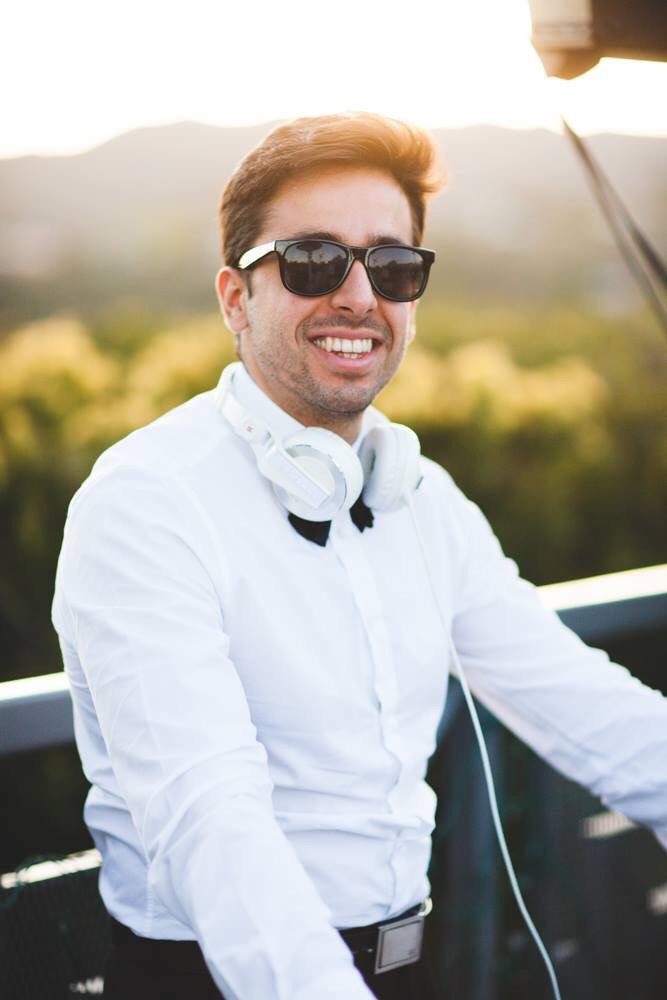
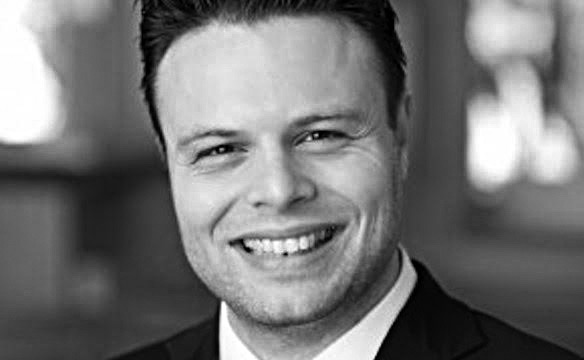
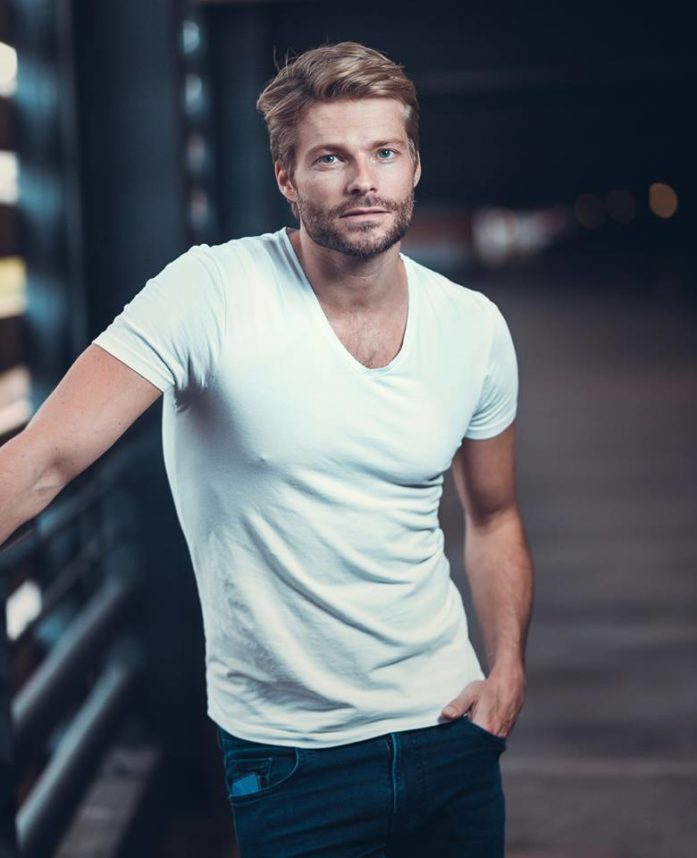
Felix Maximilian, a seasoned German actor who has starred in several German television shows, and who is about to shoot an international television show starring Tim Roth, heard about my casting call via a friend, and he could not resist the compliment. I could not resist his headshots (and body-shots and reel). He would make the perfect Sebastian! (Just read Underskin’s first chapter to understand.)
In between his traveling to Turkey, London, and Amsterdam, we met at a Berlin café, and I realized that he is not only gorgeous, but also kind and cool. Better yet: he loves Tel Aviv, having visited the city already three times, for both work and pleasure. His international agent also represents Gal Gadot, and his current modeling agency is based in Tel Aviv.
Maximilian grew up in the Bavarian countryside in a village named Falkenstein. He knew already at a young age he wanted to be an actor even though in his village “acting” was not considered a profession. In his teens, he travelled Europe and Asia as part of a famous boys choir because he sings, too. Upon earning a BA in Performing Arts from the University of Arts in Berlin, he starred in musical theater throughout Germany. But he set his sights on television and film.
“With my initial experience in musicals, I realized when I went into film and television that Germany thinks in a lot of boxes,” he said. “People warned me the business here is different in Los Angeles where actors are interdisciplinary. I was told here that when you do musicals you can’t be a real ‘actor.’ But I’m glad that I’ve proven them wrong. Germany’s industry is still in developing, but the quality of movies and TV shows are getting better and better.”
Felix is not an actor to think inside the box, which led him to take up an indie gig like mine. The project intrigued him, especially if it meant shooting in Tel Aviv.
“I love Tel Aviv because it’s very similar to Berlin,” he said to me another time over vegan, raw cheese at Berlin’s “Rawtastic” restaurant in which nothing on the menu is cooked. “It’s very free, the people are not small-minded, they’re open, and the food is amazing. It has an alternative vibe which is like in Berlin.”
Maximilian went vegan in the past few months and could not stop raging over his very active Instagram feed about all the yummy Tel Aviv vegan joints he tried. The municipality (and vegan associations) should have paid him.
But while Maximilian is a head-turner in Israel for his “exotic” German looks, he doesn’t think he’s so special– part of his charm and kindness.
“Here, in Berlin, I’m so average. I’m handsome average.”
And people wonder why I love Berlin so much. And he also has excellent taste in books.
“I loved your book,” he wrote me during his travels to Thailand where he sweetly posed with it against his perfect abs on the beach. “I felt stimulated. I laughed. I cried. It made me think and I learned. A must read for all Tel Aviv lovers!”
Hopefully, this is the start of a beautiful professional relationship. Following the shooting of “Sanctified,” he starred in the first of my new webisode series for Achgut.com in which I play Germany’s “shrink.” This first episode of “Germany on the Couch with Dr. Orit” touches upon a theme in my novel: Jewish-German Holocaust reconciliation.
We all have those days when our hair is good for nothing but a top bun. It just falls flat, without any shine, bounce, or volume. You probably wondered how can some women have such a gorgeous, head-turning mane and you’re cursed with your unruly hair that always looks like you’ve got caught in the rain. Don’t give up just yet! If you’re tired of limp locks and bangs that stick to your forehead, a simple switch in routine or easy styling can do the trick.
Update Your Beauty Routine
If you take good care of your hair, it will reward you with a healthier and fuller look. When buying beauty products, search for volumizing shampoos and conditioners. Opt for deep-cleansing and hydrating formulas in order to keep your scalp clean. Once a week, swap your regular shampoo with eucalyptus-based one to stimulate the roots. Make sure to massage your scalp for a couple of minutes to stimulate circulation and awaken your hair. Invest in leave-in treatments or make your own hair masks that boost volume and shine.
Feed Your Hair From the Inside
You know the saying – you are what you eat? Our lifestyle habits make an impact on our health and appearance, hair included. Enrich your daily menu with avocado (copper strengthens hair lipids), pumpkin seeds (zinc boosts production of keratin), whole grain cereal (rich in iron), and almonds (great source of biotin). These are some of the many healthy ingredients that can boost your hair volume, and they are also healthy for your whole body. If you’re having difficulties to change your eating habits, you can always turn to various hair supplements. Also, make sure you stay hydrated. The lack of water can negatively affect your scalp and hair, and may even cause hair loss. Drink lots of liquids as they help with transporting nutrients and removing waste from the organism.
Change Your Part
Changing your part can do wonders for the way your hair looks. You are probably used to wearing it in the center or some other particular place, so your hair naturally falls to that side. That is where your hair flattens. The solution? Flip it to the other side! This creates instant fullness as your roots get lifted. The side sweep is rather popular, especially with medium length hair and messy, shaggy looks. It’s guaranteed to give you more volume and possibly an edgier look. For a more dramatic look, you can even flip your whole hair to one side and braid it or curl it.
Pick a Good Cut and Blow Dry Your Hair Properly
You’ll be amazed what a good haircut can do. Some of the great hairstyles that add volume to your hair are angled lob, strategically put layers, and messy bobs. It’s well known that curls and waves make your hair look fuller too, so it’s best to consult your hairdresser on what would suit your face shape the best. Consider highlights to bring the illusion of thickness.
Master the technique of blow drying for extra volume: determine the way your hair lays flat and then go against the grain. Use hair mousse for long-lasting results.
Go for Extensions
Hair extensions are an obvious choice if you want amazingly thick, natural looking hair in under half an hour. Today’s most popular choice are taped extensions as they are wallet-friendly, reusable, lightweight, and easy to wear. Natural hair extensions are easy to maintain, they come in different colors and textures. Whether you plan on going to the hairdresser or taping the hair yourself, it’s important to tease the roots afore to camouflage the extensions. It’s an effective semi-permanent way to achieve a fuller, red-carpet hairstyle.
There’s hardly anything so eye-catching and alluring as healthy hair with volume. Make sure to nurture your hair both from the inside and outside, and follow our tips for stunning, voluminous look in under minutes!







 Felix Maximilian, a
  Maximilian went vegan in the past few months and could not stop raging over his very active