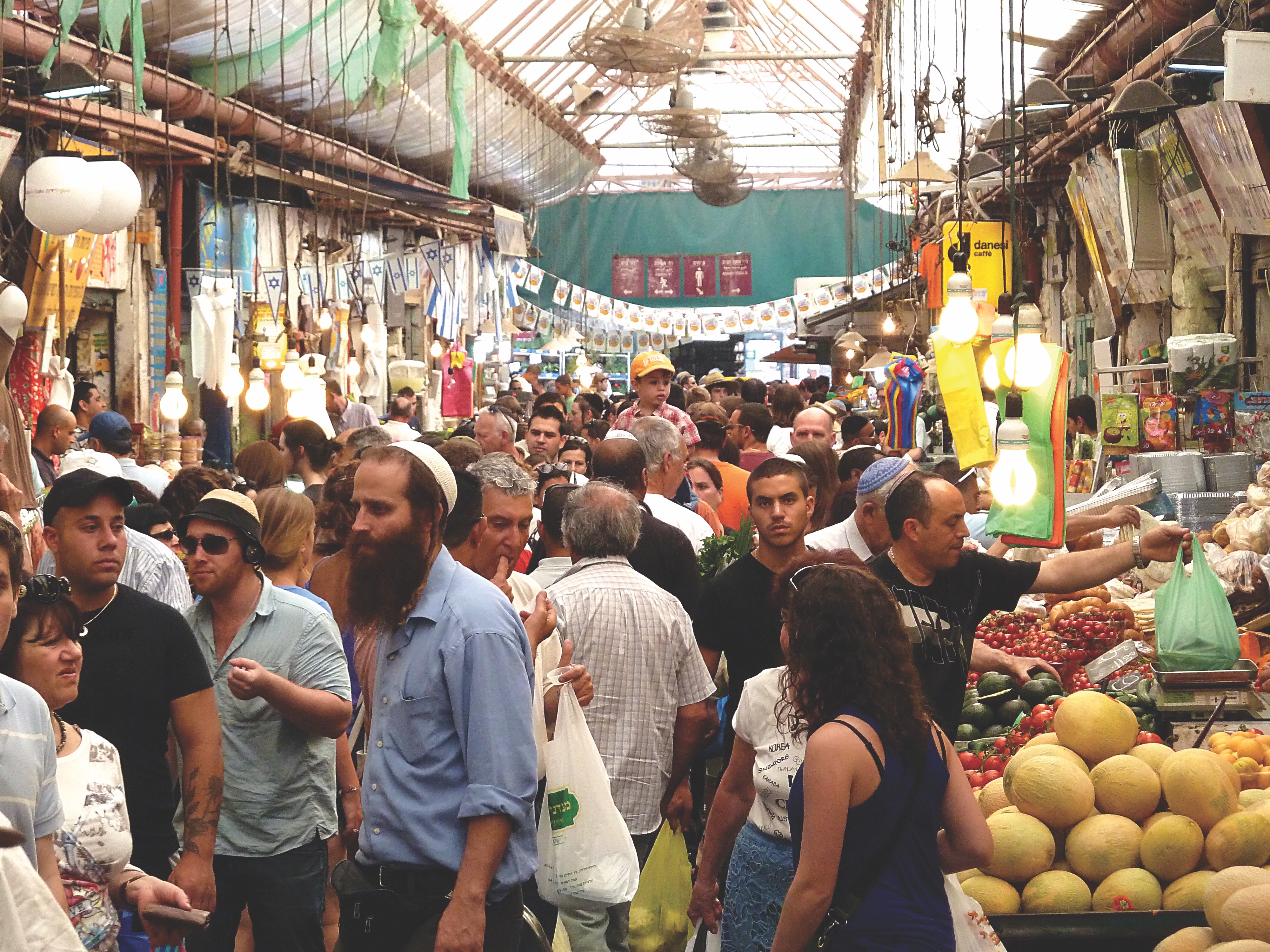
I’m in Machane Yehuda Market — the big shuk — in Jerusalem — just as I am every week. The “oznei Haman” have arrived. In Israel, hamantashen are called “Haman’s ears” and with a bit of imagination, I can almost make sense of that. Every year, I wander from bakery to bakery during the weeks preceding Purim, and I end up carbohydratedly disappointed. The hamantashen of my youth are nowhere to be found.
The bakeries in Jerusalem, and especially in the shuk, make amazing hamantashen. You want hamantashen filled with halvah? We have that. Chocolate dough hamantashen filled with chocolate? Yeah, we have that, too. How about date filling? Poppy seed? Yup, they’re all here. But like Proust taking a bite of a madeleine, I want that hamantashen that takes me back. Way back. I want to travel back about 50 years.
When I was a child growing up on the South Shore of Long Island, all the way out in Suffolk County (yenevelt — a faraway place, as my grandfather called it) our community was a tightknit enclave of Jewish immigrants from Manhattan, Brooklyn and the Bronx, all seeking a suburban life far from the city.
My parents were deeply involved in the synagogue. My mother was Sisterhood president. My dad taught the confirmation class and was the youth group director of Temple Sinai of Bay Shore.
As youth group director, organizing the annual Purim carnival was his and the teenagers’ responsibility. Games were devised, booths were constructed, prizes were purchased, food was ordered.
To play games or obtain food, guests had to purchase tickets. “Five dollars’ worth is all you get,” my mother would tell us. But I was not going to waste my precious tickets on mundane activities like “Shave the Balloon” or a terrifying Senior Youth Group “Fun House” that would culminate in me putting my hand in a bucket of pitted olives and being told they were eyeballs. I spent my money on the hamantashen.
Without warning or advance notice, the yeast-dough hamantashen fell out of fashion.
Fresh from Stanley’s Bakery (which is still on Main Street) were platters of hamantashen that were the real deal. No halvah. No chocolate. And they were huge. The filling — cherry, prune or apricot — oozed from the seams. And the dough? The dough was a golden yeast dough and not this crumbly cookie stuff that tries to pass for hamantashen. Like the Danish my father always brought home on Sunday morning — only better.
Without warning or advance notice, the yeast-dough hamantashen fell out of fashion. They disappeared, never to be found again. Like those Long Island Purim carnivals, they became a distant memory.
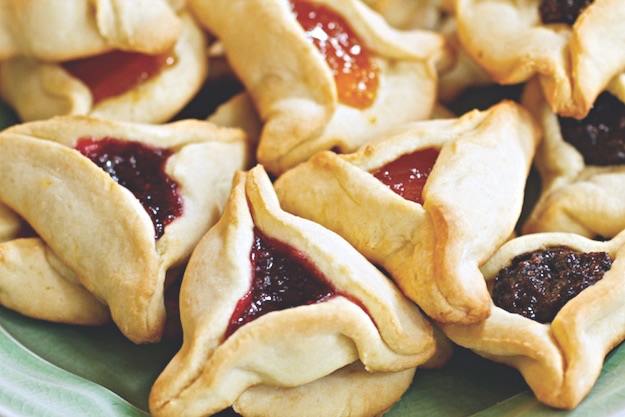
Nonetheless, I persevere in my search. Like a relentless explorer, I wander through Jerusalem’s alleys and byways in search of a cherry-filled, yeast-dough hamantashen.
Recently, at one of my favorite bakeries in the shuk, I asked the owner (in Hebrew): “You ever make hamantashen with a yeast dough?”
With a wave of his hand, he responded, “You want a yeast dough? Buy a challah.”
This year, the search is over. I’m making them at home.
Happy Purim!
Before making aliyah, Cantor Evan Kent served Temple Isaiah in Los Angeles for 25 years. In Jerusalem, he is on the faculty of Hebrew Union College-Jewish Institute of Religion.