On the eve of the Jewish New Year, Israel’s national discourse was dominated by talk of potential civil war, but few of those talking dared define the possible dimensions of such a conflict.
Would it mean confrontations between soldiers and civilians? Would it be limited to the extreme margins of the settler movement? Could it really present a threat to the very existence of the State of Israel, as Knesset member Yossi Sarid suggested?
Various groups on the right have sent a clear warning to Prime Minister Ariel Sharon that if he moves ahead with plans to dismantle settlements in Gaza next year, he will face the danger of "tearing the nation apart." Sharon, for his part, is showing no signs of backing down, insisting he will push ahead with the disengagement plan and will not be cowed by threats of civil strife. For the time being, it seems, both the extreme right and Sharon are pointing to the danger of civil conflict to serve their own causes.
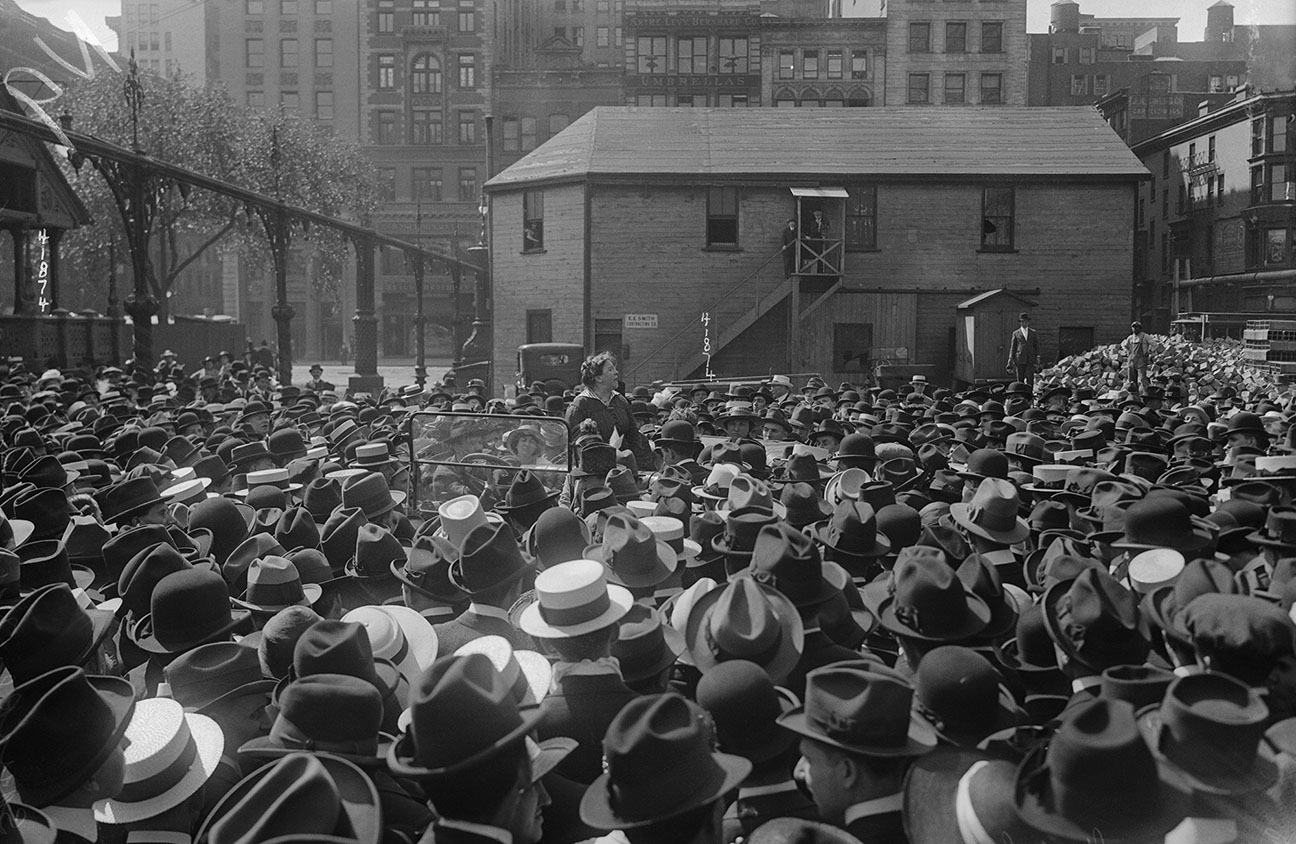
Tens of thousands gathered at Jerusalem’s Zion Square Sunday night to protest the disengagement, carrying posters calling Sharon a "dictator." Although rally organizers pulled down a sign labeling Sharon a traitor, the event was reminiscent of a similar rally nine years ago against the Oslo process, with demonstrators carrying signs of then-Prime Minister Yitzhak Rabin dressed in a Nazi uniform. Two months later Rabin was murdered.
Also highlighting the depth of the division, dozens of well-known right-wingers — among them Bentzion Netanyahu, father of Finance Minister Benjamin Netanyahu, and the minister’s brother, Iddo — signed a petition urging soldiers not to obey orders to evacuate settlers, insisting that such an evacuation would amount to "crimes against humanity."
Also, at a meeting between settler leaders and Defense Minister Shaul Mofaz, the settlers warned that a civil confrontation could take place within weeks. Under certain circumstances, they said, settlers would not hesitate to confront soldiers.
Eliezer Hisdai, mayor of the West Bank settlement of Alfei Menashe, whose daughter is buried in the settlement, said: "If anyone dared touch my daughter’s grave, if someone tried to take her out of the grave, I would shoot him, be it a soldier or the chief of staff."
Nissan Slomiansky, a Knesset member from the National Religious Party (NRP), charged that Sharon and his disengagement plan were "crazy." Despite such statements, NRP was expected to stay in Sharon’s coalition.
But despite such statements, the NRP voted Monday to stay in Sharon’s coalition. And, indeed, some settler leaders refrained from direct calls for confrontation, electing to play it safe. They spoke instead of the danger that others could resort to violence.
At the Jerusalem protest, there was obvious concern that rhetoric could get out of hand. Speeches were toned downed, and settler leaders urged their supporters not to resort to violence and to avert a civil conflict.
Zvulun Orlev, the influential welfare minister from the NRP, sharply condemned anyone threatening civil conflict — though at the same time, he declared that Sharon was wrong in putting all the blame on the settlers.
For now, Sharon is displaying no weakness. At a meeting with Likud activists in Tel Aviv, he declared: "We will go ahead with all our plans. I don’t believe it is possible that the present situation can continue with such hatred and incitement."
He was furious at Cabinet ministers for not standing by him publicly, although they had voted in favor of the disengagement and cautioned this week, for the first time in public, against the danger of a civil war.
The security services are concerned that as the actual disengagement grows closer, the threat of Jew-against-Jew confrontations will become more real. General Security Service sources have spoken openly of the increased possibility that zealots may try and hurt Sharon or attempt to sabotage the mosques on the Temple Mount.
There is genuine concern that Jewish extremists will follow the example of Yigal Amir, Rabin’s assassin, whose single act of violence triggered events that may have resulted in the collapse of the Oslo process.
Israel’s police inspector general, Moshe Karadi, has already instructed his officers to take drastic measures against any "show of incitement." If the verbal escalation continues, the authorities are likely to issue administrative arrest orders against suspects, bypassing the courts.
The administrative detention of right-wing activist Noam Federman, who had been suspected of links to a West Bank settler group that tried to bomb an Arab school in Jerusalem, was extended Monday for an additional three months.
Still, no one knows for sure what the real prospects are for a violent clash between the government and settlers. After all, Israel survived the evacuation of the northern Sinai settlements in 1982.
However, there is always the possibility that continuous talk of civil strife will amount to a self-fulfilling prophecy.