It is amazing how a word that signifies “holy of holies of the temple or tabernacle” is actually a loan word from a “pagan” language: the Sumerian word akkadian, which became e-kal or “big house, palace” (Isaiah 29:7; Daniel 1:4; 4:1).*
In the Bible, hekhal Adonai, “the palace of the Lord,” refers to the temple in Jerusalem (2 Kings 24:13) or the holy tabernacle used before (1 Samuel 1:9; 3:3). Hekhal also seems to refer to God’s temple in heaven (2 Samuel 22:7; Psalms 29:9).
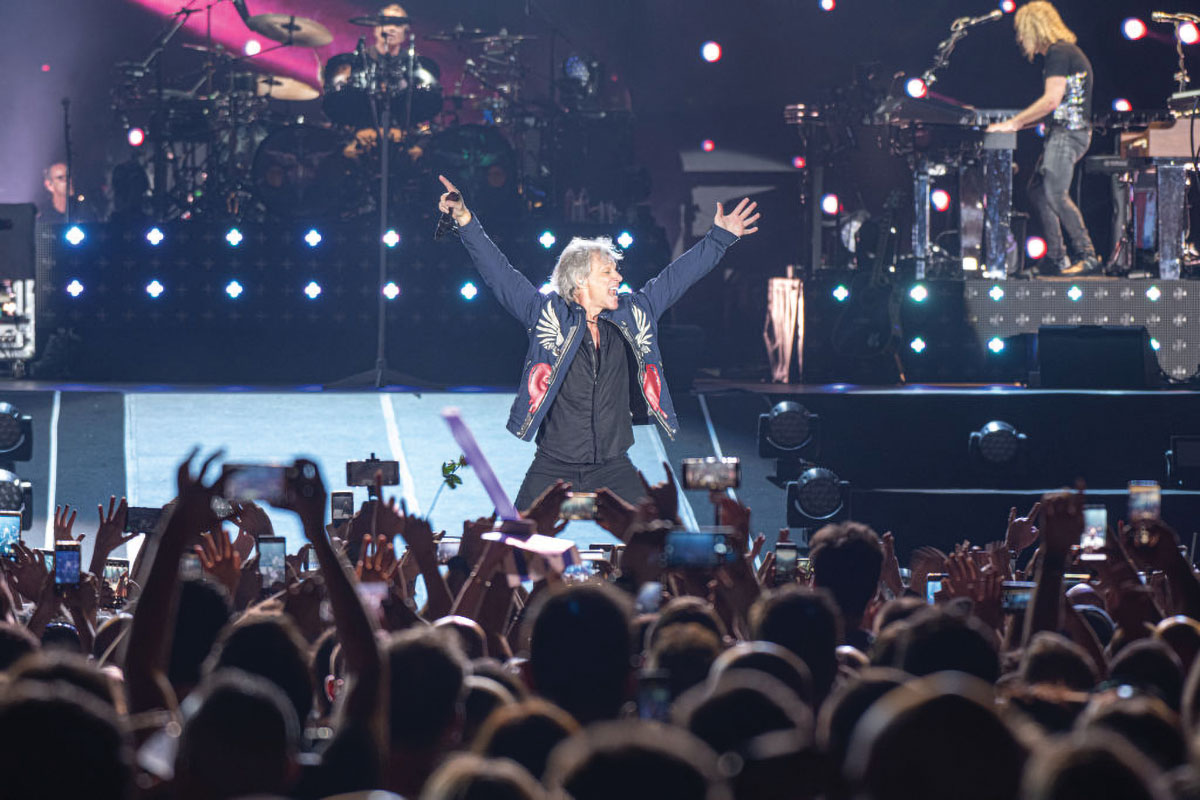
In modern Israel, hekhal is used in expressions such as Hekhal ha-Tarbut “cultural center” (as for an orchestra), Hekhal ha-Sefer “the shrine of the book” (where the Dead Sea Scrolls are stored at the Israel Museum), and even Hekhal ha-Sport (a sports center).
*Among Sephardim, hekhal refers to the holiest room in the synagogue, where Torah scrolls were kept (similar to the aron kodesh among the Ashkenazim).
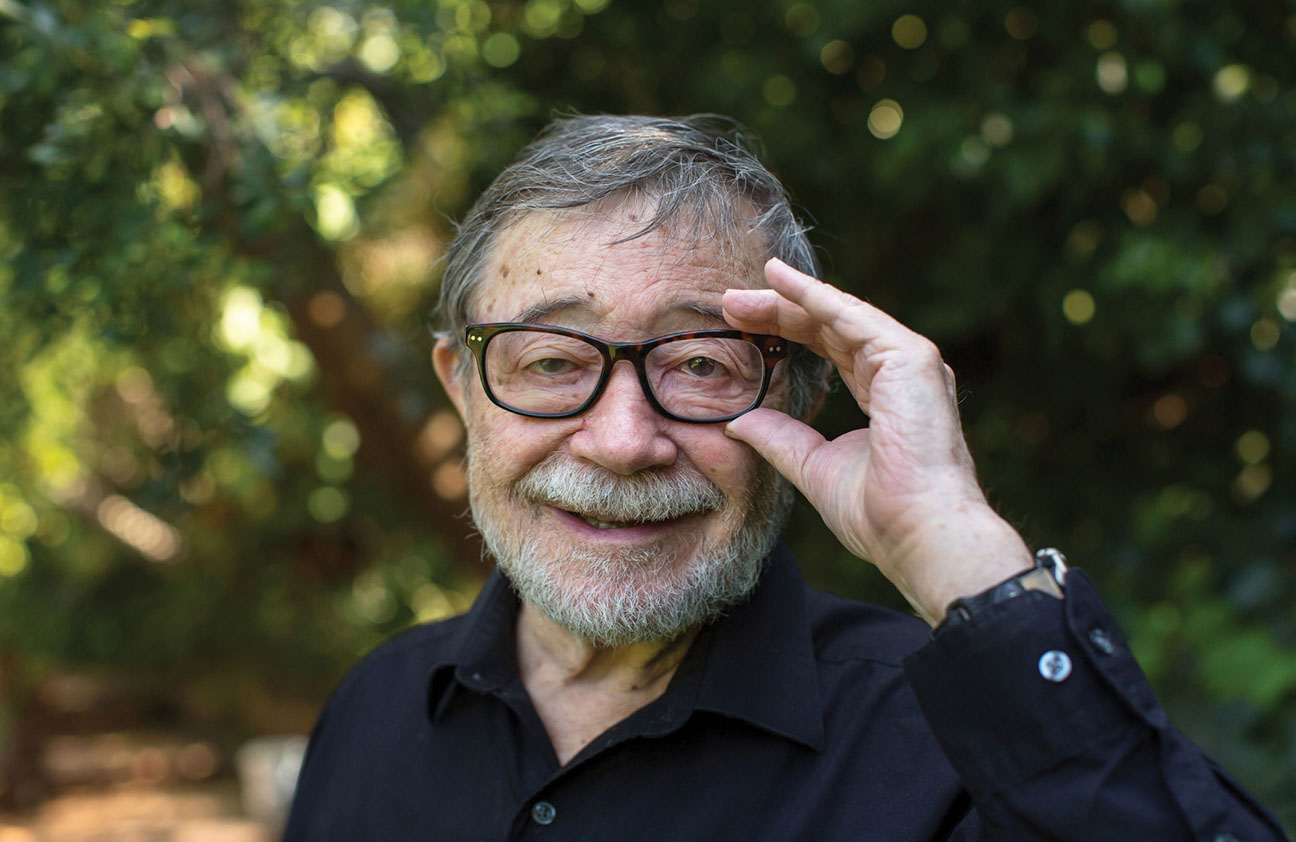
Yona Sabar is a professor of Hebrew and Aramaic in the department of Near Eastern Languages & Cultures at UCLA.