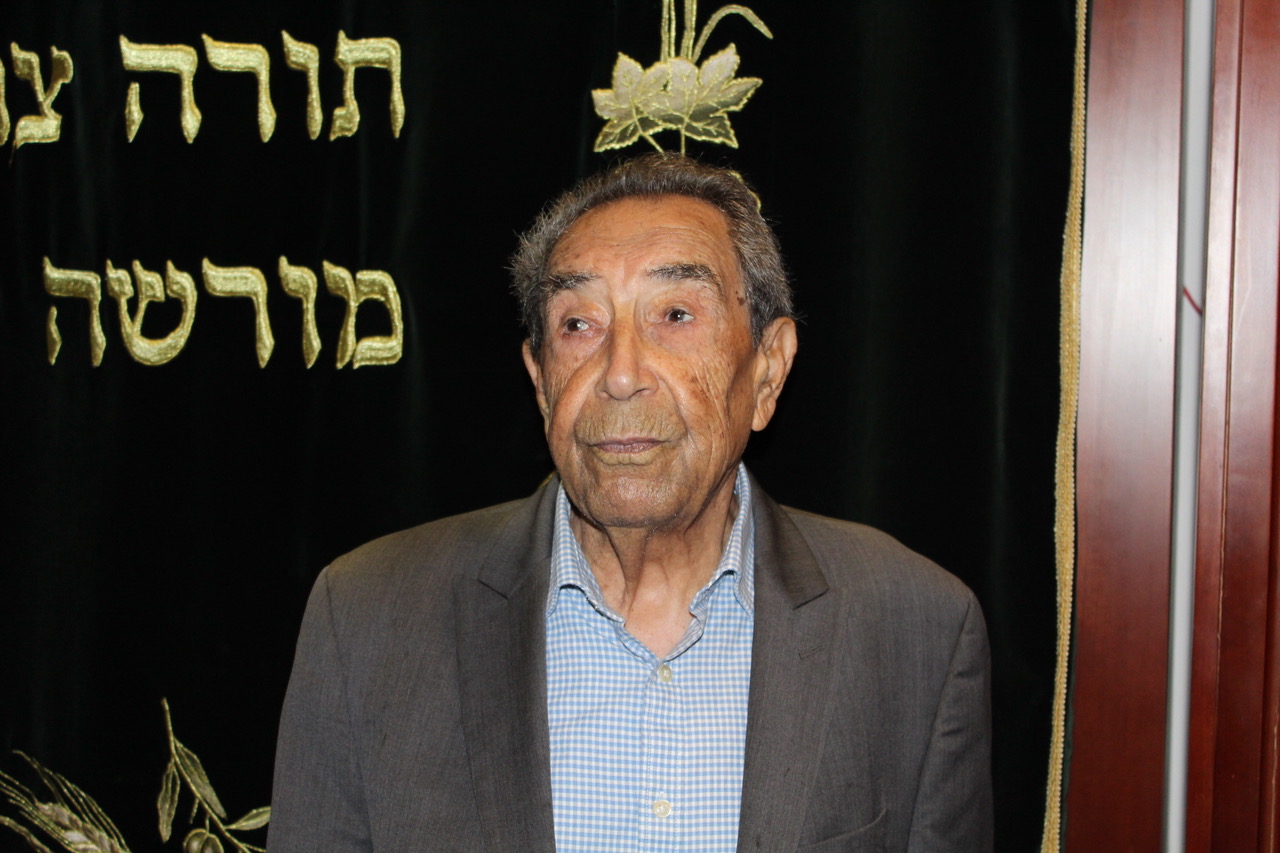
Asher Aramnia, 83
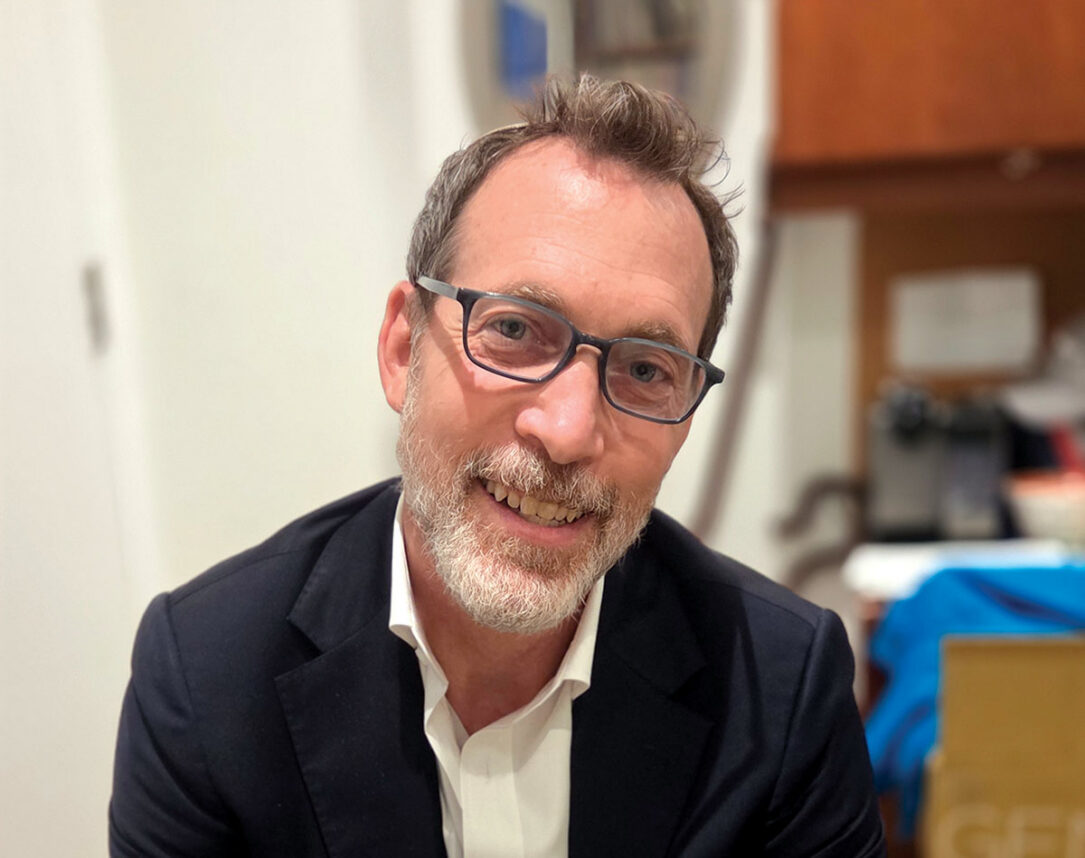
Local Iranian Jews know the jovial Asher Aramnia either from events he has helped plan at local community centers, learning math from him at a Jewish school in Iran, or from his volunteer matchmaking services for scores of Jewish couples.
Today, Aramnia, who moved to Los Angeles more than 40 years ago, works as an event planner for the Westwood-based Southern California Jewish Center (SCJC) and also sells advertising for a local online Persian radio station.
“You are truly are as young as you feel and I honestly feel 26 years old,” said Aramnia, who lives in West L.A. “I’ve always remained hopeful and optimistic in all occasions in my life.”
With a degree in electrical engineering from Iran and having worked as a director in Iran’s Ministry of Industry and Mining, Aramnia is among Iran’s first generation of Jews that benefited from the greater freedoms the Pahlavi kings offered religious minorities.
“I know people think this matchmaking thing is for women, but I don’t care about that because seeing two people find their partner in life gives me the greatest joy.”
“I was very active,” Aramnia said. “Whether it was working at the ministry or working as a private tutor of math to an affluent Muslim businessman’s child, or teaching math classes at the Jewish school, there was never a dull moment.”
In L.A., Aramnia has owned various businesses and worked in different industries, but his greatest satisfaction comes from helping people through his volunteer work and his matchmaking efforts.
“I know people think this matchmaking thing is for women, but I don’t care about that because seeing two people find their partner in life gives me the greatest joy,” said Aramnia, who has been married for 61 years. “We’ve also had successful marriages between Mexican and Iranian Jews as well as between Iranian and American Jews.” He even has managed to find partners for octogenarians.
“The secret to our success is not asking them what they want but rather asking what they don’t want in a mate or would despise in a mate,” Aramnia said. “This allows us to better match up couples.”
His matchmaking, he said, has allowed him to challenge many cultural taboos in the community, including helping facilitate marriages between Iranian and other Jews or marriages between divorced people — both areas that were once frowned upon.
“Over the years, I’ve tried to help people find their true match regardless of their background, income or past marriages,” Aramnia said. “What’s truly important is they have hope that there is a special someone out there for them.”