I watched Donald Trump speak to AIPAC from my office, 3,000 miles away from Washington, D.C., staring at C-SPAN on my laptop while eating hummus.
So why was it that afterward, I still felt I needed a shower?
I cringe as I write this, but it wasn’t Donald who made me feel kind of yucky. It was AIPAC.
I cringe, because a big part of me has the utmost respect for the important work of the American Israel Public Affairs Committee. I am grateful such a lobbying group exists. Although you wouldn’t know it from watching the coverage of AIPAC’s annual convention, Jews are actually a minority in the world, even in America.
And somehow, to a degree almost as miraculous as Israel’s own creation, a small group of American Jews built an organization that can amplify the pro-Israel cause within the halls of power. Many of us take their work for granted, and even more of us pick at every misstep such a large lobbying group is bound to make.
Given AIPAC’s current size and influence, it is easy to forget the forces that were arrayed against Israel when AIPAC came into existence in 1951: far, far more powerful oil and gas interests with ties to the Arab world, a subtly anti-Semitic Harry Truman administration and State Department, knee-jerk anti-Western reactionaries, arms dealers eager to cash in on the Middle East conflict, numerous nations actively seeking to destroy Israel. Would Israel have survived without the U.S. support garnered through AIPAC’s influence? Probably. Would it have thrived? Unlikely.
And it’s not as if today’s world makes AIPAC any less necessary. Israel is powerful, but it’s hardly a superpower. Big Oil, with its deep ties to OPEC, spends more on lobbying than any other group. I can’t help but wonder if the progressives who constantly slam AIPAC feel so much better letting Saudi and Gulf State emirs have their way on Capitol Hill. In the real world, where powerful financial, political and ideological forces are arrayed against Israel and where politicians are not known for their unwavering moral stands, it’s a good thing AIPAC is good at what it does.
And that’s exactly why Monday’s speeches left me feeling unsettled, if not unclean. Precisely because AIPAC’s mission is so important, I worry that it is going astray.
The world is not privy to the serious policy work, sincere bipartisan outreach and thoughtful analysis that make up so much of AIPAC’s behind-the-scenes success.
What the world saw was one presidential candidate after another throwing red meat to the crowd.
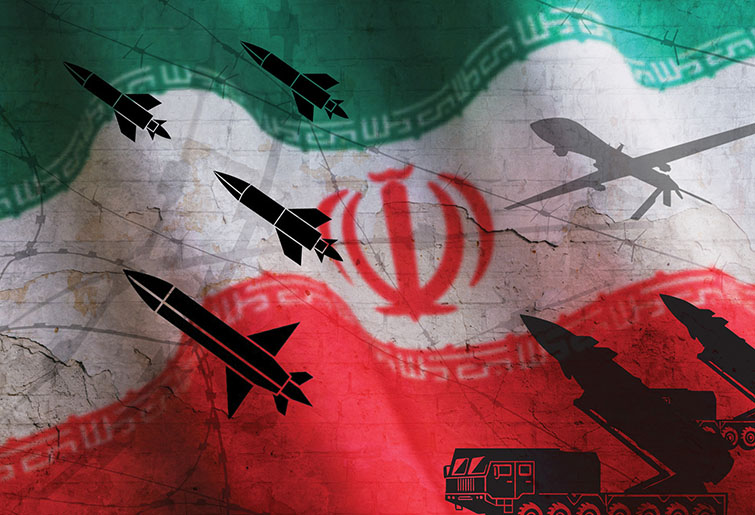
The world heard the crowd cheer when Republican front-runner Donald Trump derided President Barack Obama and Democratic front-runner Hillary Clinton. The world heard the crowd applaud Sen. Ted Cruz’s empty promise to “rip this catastrophic Iran deal to shreds.” The world watched as AIPAC’s carefully built reputation for seriousness and bipartisanship was drowned by blind ovations.
You could make the case that forcing one candidate after another to pander to the crowd and make empty promises on the record was, in its way, a show of power, a signal to Israel’s opponents that Washington belongs to AIPAC.
But if that’s the strategy, it’s time to rethink the strategy.
Inside the Verizon Center, there must have been a feeling of power and unity. Outside the Verizon Center, it read differently.
Bernie Sanders, whose candidacy has energized and mobilized the very college students whom AIPAC and other pro-Israel groups say they are most worried about, wasn’t allowed to speak at all. AIPAC said its rules prohibited candidates from making video addresses, though four years ago, the same rules allowed Republicans Mitt Romney and Newt Gingrich to do just that. College students have a word for that: BS.
Though Clinton received enthusiastic applause, her pre-dawn (by Pacific Daylight Time) speech was a distant memory by the time Trump stepped to the podium. The pro-Israel crowd spent prime time cheering the most hard-line and partisan pronouncements.
As I wrote last week, the fact that AIPAC gave Trump a platform without clearly condemning his attacks against Muslims and Mexicans, and his calls to violence only weakened the organization’s own standing among the minorities, moderates and liberals whose support Israel will certainly need in the future. Only Clinton and GOP candidate John Kasich alluded to the low road Trump has taken. Before the speech, AIPAC remained mum.
Its defenders argued that AIPAC is solely a pro-Israel advocacy group, and it shouldn’t be expected to weigh in on anything that doesn’t have to do with defending Israel.
But as I watched Trump speak to frequent ovations, I couldn’t help but wonder if there weren’t more American Jews like me, who don’t believe you have to check in your Jewish ethics to support a Jewish state.
On Tuesday, AIPAC leaders apparently woke up to the fact that Trump had put his foot in their mouths. The organization's president, Lillian Pinkus, issued a statement condemning Trump’s anti-Obama remarks and the (thousands of) audience members who applauded them.
“We are disappointed that so many people applauded a sentiment that we neither agree with or condone,” Pinkus wrote.
Of course by then, the cameras were off. And the damage was done.
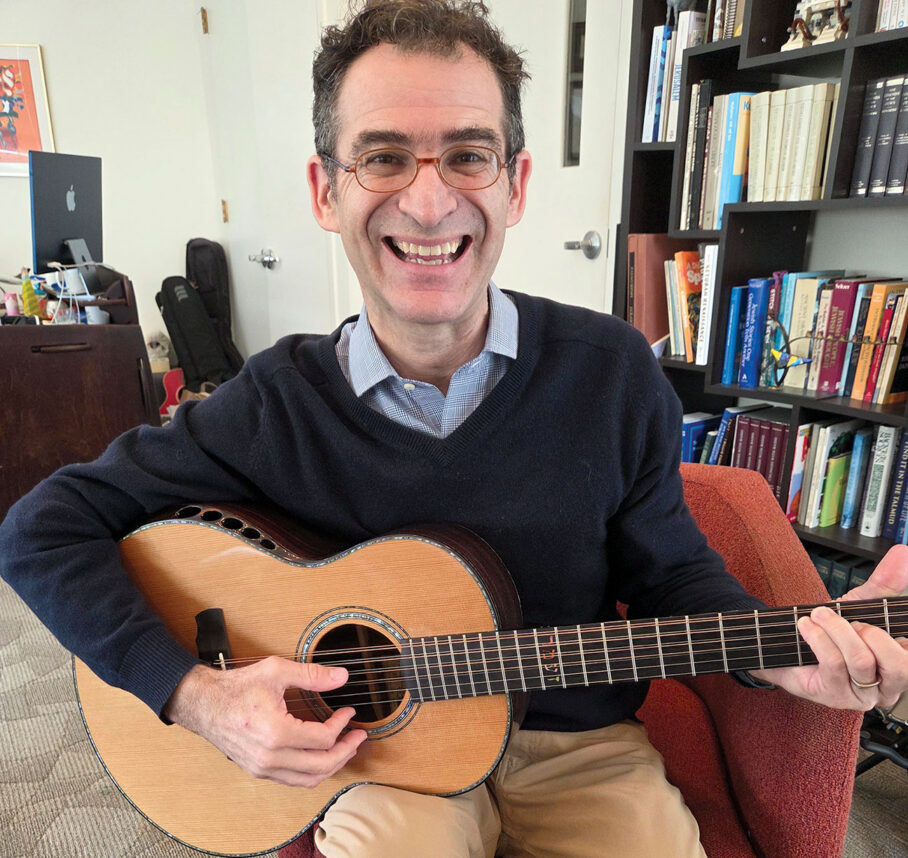
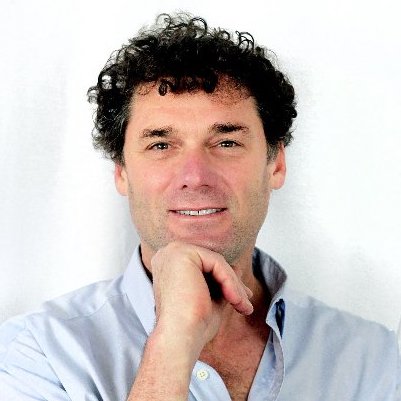
Rob Eshman is publisher and editor-in-chief of TRIBE Media Corp./Jewish Journal. E-mail him at robe@jewishjournal.com. You can follow him on Twitter and Instagram @foodaism.