Rabbi Daniel Gordis, a senior fellow at the Shalem Center in Jerusalem, caused a storm within the Jewish community a few weeks ago when he published a piece arguing that the connection by students at America’s liberal rabbinical schools — the future leaders of the Jewish communities of the Diaspora — toward Israel was weakening.
But what about the connection felt by Israeli educational leaders toward the Jewish communities of the Diaspora?
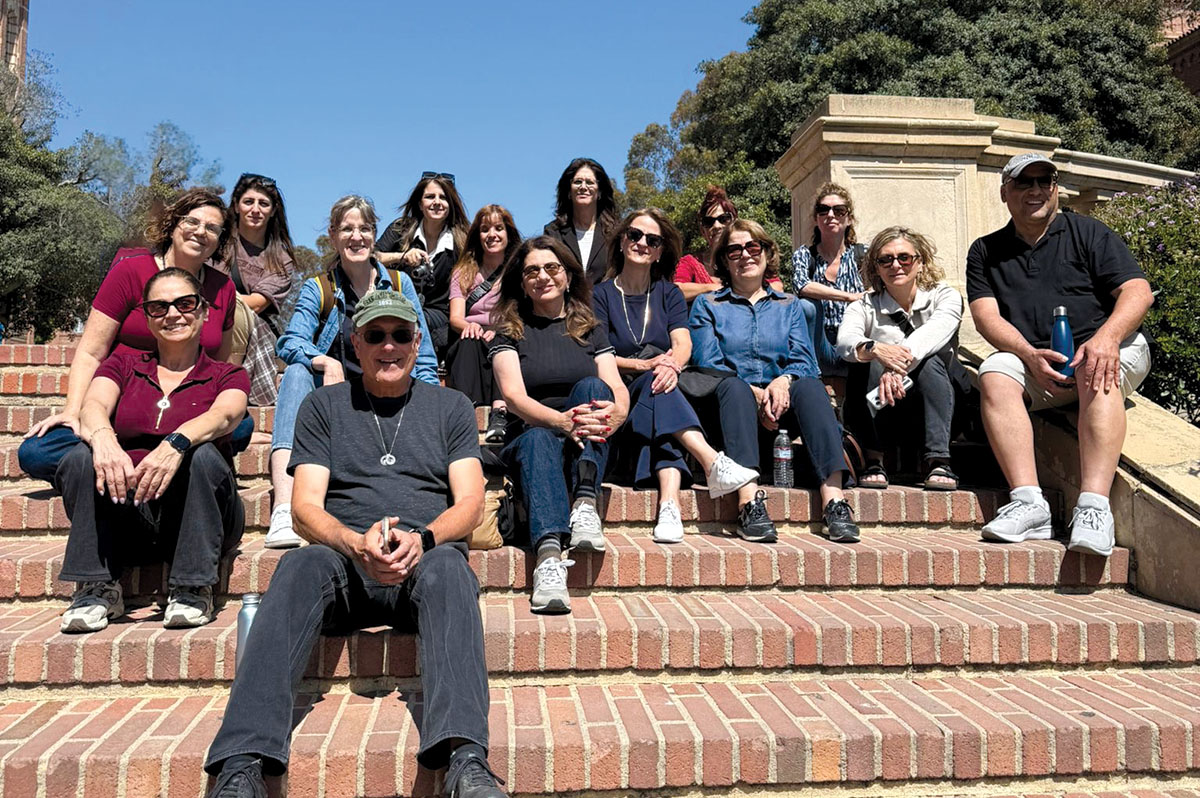
I had the privilege to study this year as a Jerusalem Fellow at the Mandel Leadership Institute (MLI), along with dozens of Jewish educational leaders from Israel and the Diaspora.
One day, I met an Israeli educator who, as part of her studies at Mandel, traveled to New York to visit a Jewish day school. There, she encountered an institution of exceptional educational creativity abounding in examples worthy of study and replication.
But when Israelis (outside MLI) heard she had traveled to New York, the only thing they asked her was: “Are you going there to raise money?”
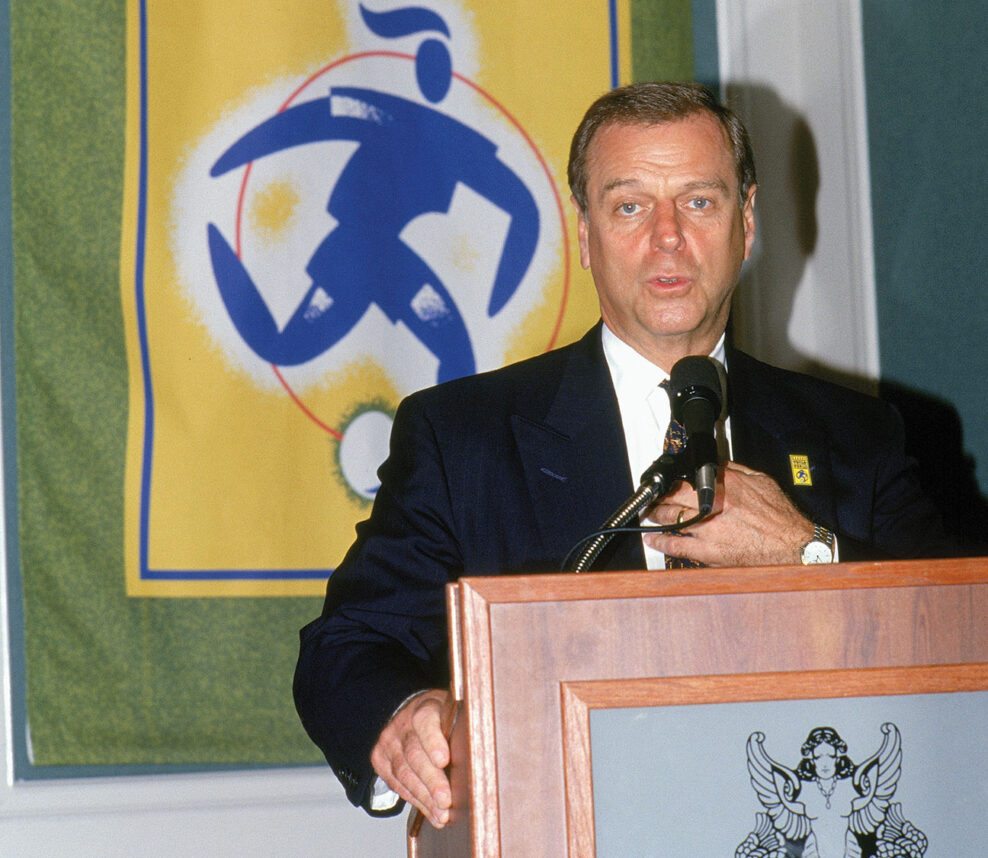
I first came to Israel when I was 21 years old. It was the summer of 1993, and I was the captain of the U.S. swim team at the Maccabiah Games. I fell in love with Israel. Now, as a rabbi and educator, one of the most important things to me is that American Jews see Israelis as brothers and sisters and feel that here — in Israel — they have a home and a family.
During my year at Mandel, I got the chance to visit Israeli schools and meet educational leaders. I learned much. But I am returning to the United States with a sense of sadness, and even concern, about the way Israelis relate to Jewish communities outside Israel.
I am leaving the country with a clear sense that Israel does not really know me or the world to which I return.
For many Israelis, American Jews are a stereotype: tourists. Too many Israelis look at the Diaspora as merely a source for fundraising and a pool of people who should make aliyah.
They believe that the purpose of my community begins and ends in its being part of the AIPAC lobby that secures $2 billion in annual support for Israel.
When an American Jew has an opinion about something in Israel — such as the Law of Return or the fact that Interior Minister Eli Yishai has refused to register Reform and Conservative converts as citizens on their national ID card (in violation of a Supreme Court ruling a decade ago) — many Israelis do not understand by what right someone who does not live in Israel or serve in the army dares to express an opinion about what happens here.
Diaspora Jews are not a stereotype. Jewish communities outside Israel have rich and varied traditions and histories, cultures of vitality and life and, yes, even a future.
But the world to which I am returning — the world of Reform, Conservative, Reconstructionist and Orthodox Judaism, of JCCs and Jewish day schools, of Jewish summer camps, of Hillels and Federations — is, for most Israeli educators and, for most Israelis in general, a foreign and even strange world.
Israelis, please understand: We Diaspora Jews are your sisters and your brothers. As a member of the family, I plead with you: Get to know us, not as a stereotype, but as living communities and real people.
Love is a two-way street. I believe with all my heart that what will allow all of us to survive and build a better Jewish future is a feeling of connection and love between us.
I remain committed to Israel. I pray Israel feels the same sense of commitment to this connection.
I invite Israeli educators to visit the United States not (only) to raise money, but also so we can learn together and better understand one another’s worlds. Together we can nourish a deep love for the Jewish people in our communities. It is that love that unites us all.