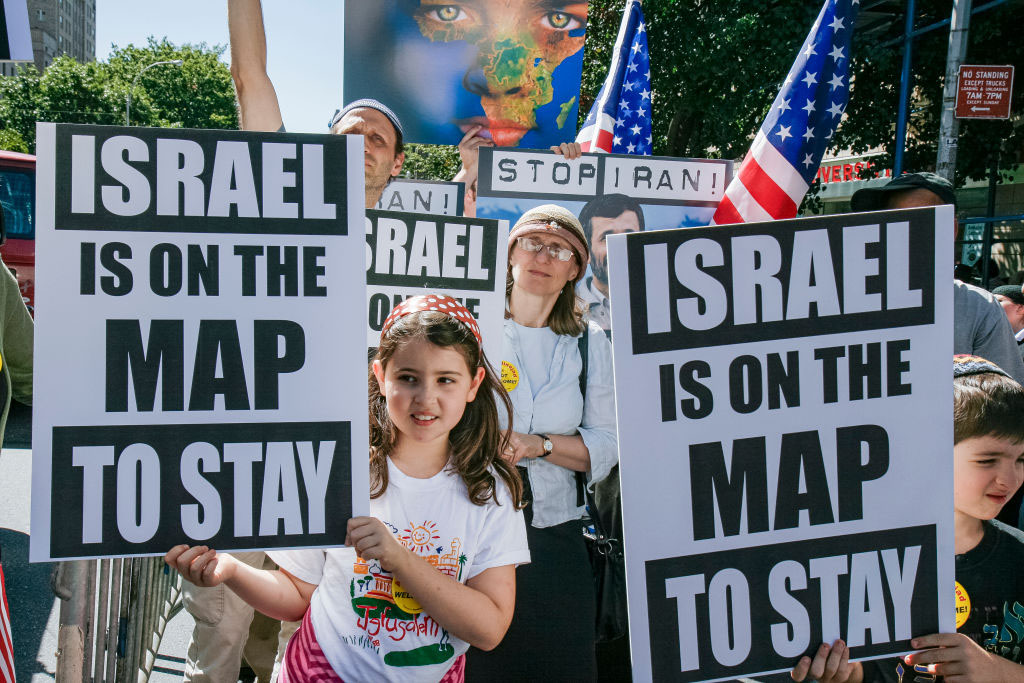
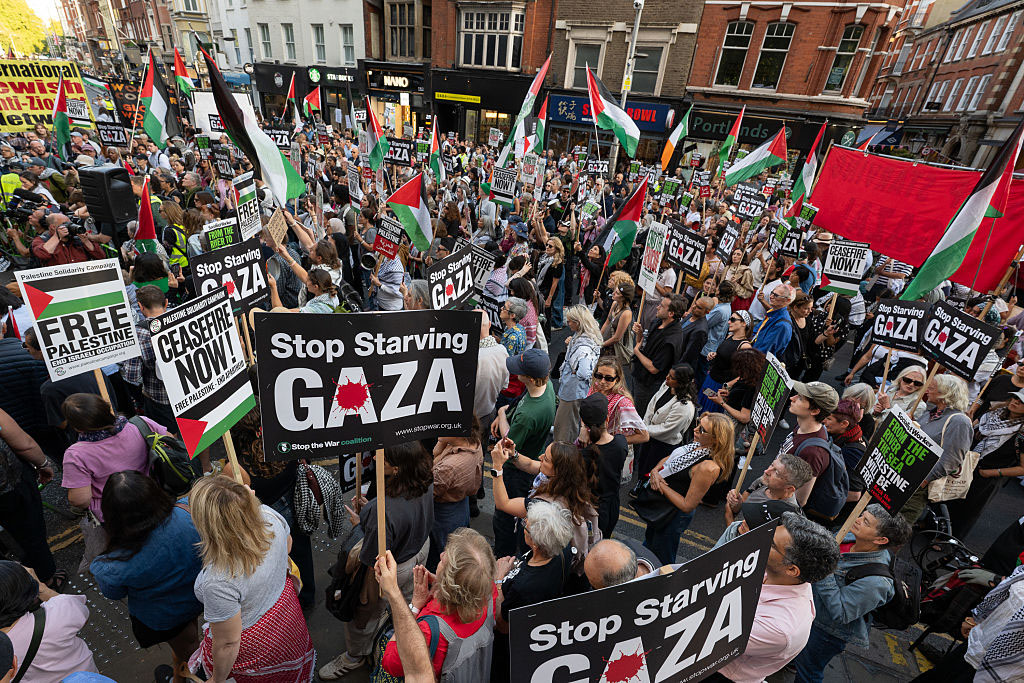
The conflict in the Middle East is nourished by fresh blood each new dawn and creates a fresh wave of anger among Muslims and Jews. During these dark days of despair, there is very little hope. While the government of the United States and the international community try to get a political settlement on track, the blood continues to flow. There is, as yet, no dialogue between the Palestinians and the Israelis.
In the Unites States, Jews and Muslims have been talking to each other for some time. Not unexpectedly, the dialogue in Los Angeles has had its bumpy course and has been driven mainly by events in the Middle East. It is unfortunate that the two groups have not spent more time looking at the common ground they share from the perspective of faith, because that will certainly indicate how close they are to each other.
Immediately after Sept. 11, Los Angeles County Sheriff Lee Baca called an interfaith meeting of leaders of various communities; Gov. Gray Davis was also present. The idea was to share the concerns of each community. A backlash against Muslims and the Arab community was rightly anticipated. At the meeting, one could not help but be touched by the positive interaction among the members of these diverse communities. The concern expressed by the Jewish community about ways they could help the Muslim community was most inspiring. It was as if the psychological barrier between the two groups had collapsed or crumbled as a fallout of Sept. 11.
Subsequently, interfaith dialogues continued between the Muslim and Jewish communities, but currently, they seem to have hit a bump in the road. As the situation in the Middle East deteriorates, it again revives an attitude of blaming each other. With mounting anger and frustration, each side wants to walk out of the dialogue. Even the moderate voices within each group are feeling the pressure. It will be extremely unfortunate if such dialogues are discontinued. It is important to realize that such dialogues can only take place in the United States — a country that offers the kind of atmosphere, opportunity and framework that is required for such exchanges. The question is not whether dialogues should continue, but whether they can.
It is necessary, through such dialogues, to lay bare the ideological and other differences that reside between the two groups. However, this must be done within a proper framework, and certainly not with any sense of recrimination or language of blame.
The Jews feel frustrated and angry in such meetings that all the blame is placed on Israel. Jews feel that there is not enough criticism by the Muslims of the Palestinian side for their responsibility in the ongoing conflict, including the horrific suicide bombings. Muslims feel angry at the Israeli government’s brutal occupation and humiliation of Palestinians. Muslims blame American Jews for not condemning the Israeli occupation and daily humiliation of Palestinians, while they are vocal and critical of American Muslims for not condemning suicide bombing or other acts of violence where there is a loss of civilian lives. This is the point of impasse in their dialogue.
The relationship between Israelis and Palestinians continues to be dominated by violence. Such a relationship might not change for the better in the near future for many reasons, including the asymmetry that exists between the two sides, not only in terms of power, but at multiple levels, making violence inherent. Allowing violence to become the dominant focus of dialogues here will only expand the circle of distrust and hatred from which the two groups need to come out. This is the real challenge.
Criticism of Israel and the call for an end to occupation should not be equated with anti-Semitism. Those who refuse to condemn Israel’s violation of human rights and humanitarian laws are doing a disservice. American Muslims must condemn loudly the suicide bombings and other acts of violence that result in civilian casualties. The two sides must begin to articulate the idea of safety and security for Israel, the end of occupation and the establishment of a Palestinian state. Many progressive scholars, clergy, human rights activists, social workers, Muslims, Jews and Christians here in the United States and elsewhere are working together for human rights, peace and justice. If we believe for our neighbor what we believe for ourselves, then this dialogue must continue as a vital part of this effort.
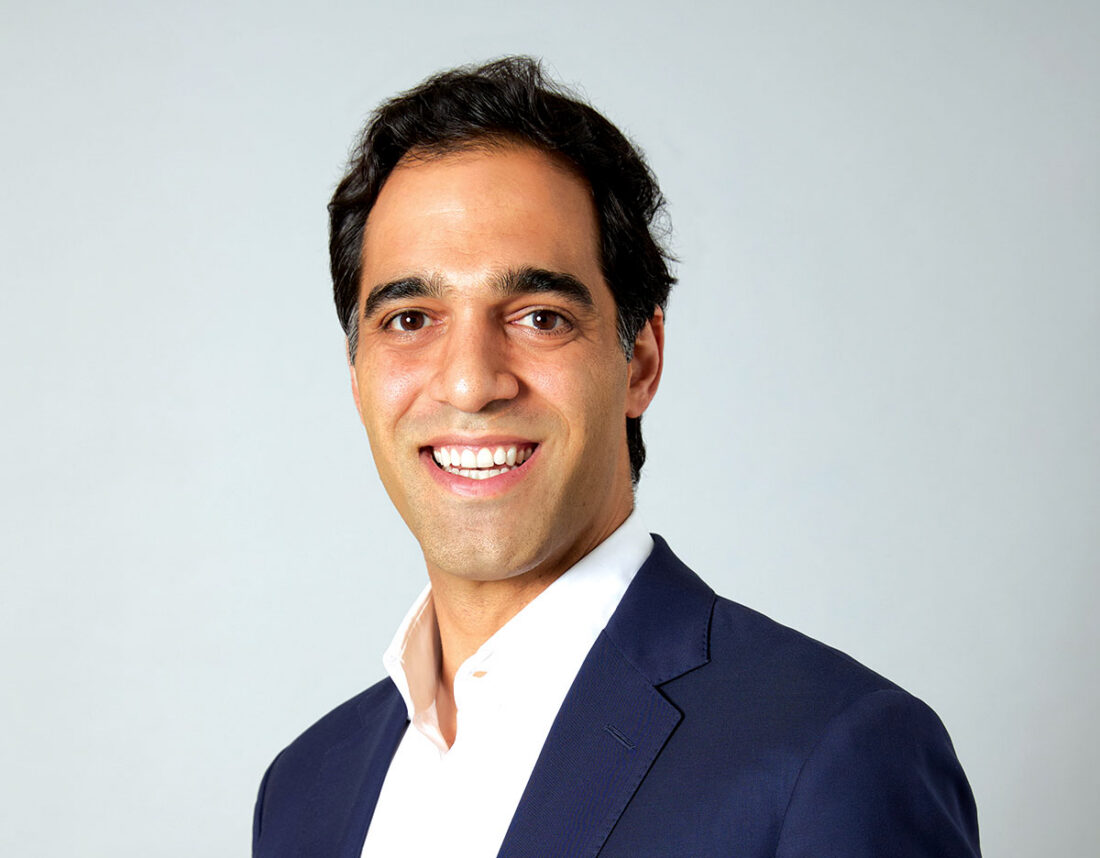
Nazir Khaja is the chairman of the Islamic Information Service.