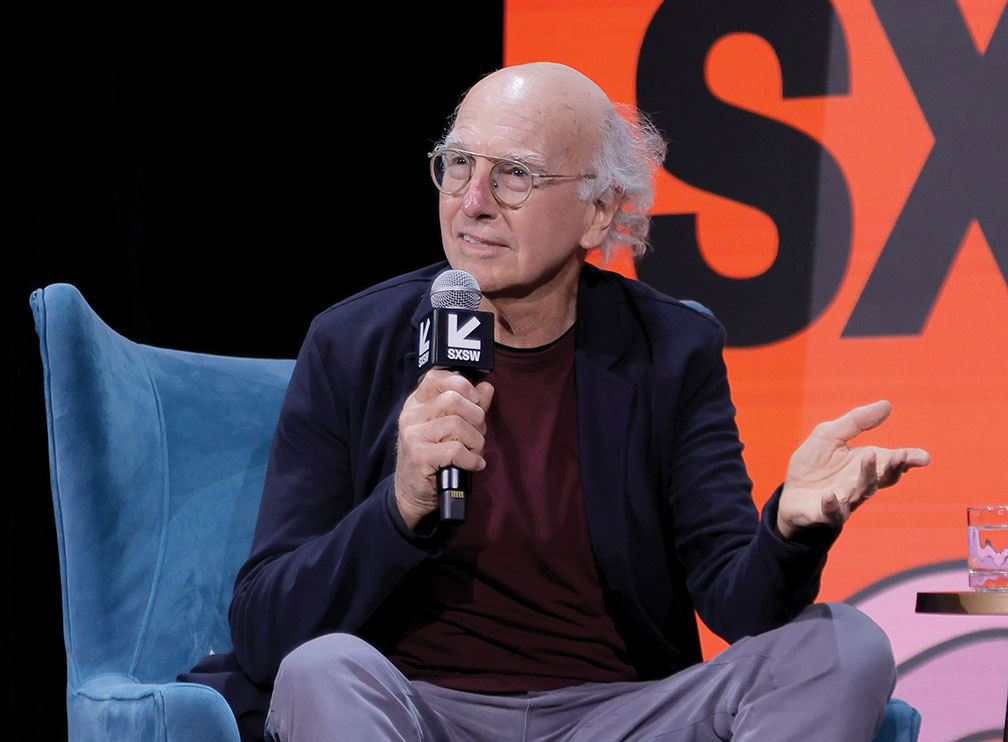
After interviewing former ambassador Michael Oren last week at the Museum of Tolerance, and reading countless articles attacking him, I think I’ve figured out why his new book, “Ally,” has struck such a sensitive nerve, especially with pro-Obama liberal Zionists.
In case you’ve been on Mars lately, Oren has been under relentless attack for his candid and sharp criticism of President Barack Obama and his policies, which he believes have hurt Israel. As his friend Yossi Klein Halevi wrote in the Times of Israel, “Michael has been called everything from a publicity hound to a virtual traitor sacrificing Israel’s relations with its most important ally for the sole purpose of selling books.”
What is disappointing is that much of the criticism has little to do with the main thrust of the book, which is Obama’s record on Israel and the Middle East. Why is that? .
After all, it’s not as if liberal Zionists who support Obama can’t handle criticism of their president – they live with that all the time. What is it about Oren’s particular criticism that has made so many of them so defensive?
It’s not just what you’re hearing — that the Obama administration and its supporters are concerned that Oren’s criticism of the Iranian nuclear deal will undermine final negotiations. That is a part of it, but there’s more.
Think about it. What is the crown jewel of liberal Zionist aspirations? What is the one thing they crave above all else that will secure a Jewish and democratic Israel? That’s right, the two-state solution.
Oren’s book is threatening to liberal Zionists because it makes a compelling case that their hero Obama has severely undermined the very thing they crave – negotiations towards a two-state solution.
With the sharp eye of a historian, Oren explains how, in Obama’s zeal to create diplomatic “daylight” with Israel while reaching out to the Arab/Muslim world, Obama brought terminal darkness to the peace process.
By making Israeli settlements the major obstacle to peace, Obama ignored fundamental obstacles such as chronic Palestinian rejection of a Jewish state and the teaching of Jew-hatred in Palestinian society. By pressuring only Israel — the one party that has, in the past, evacuated settlements and made peace offers that got rejected — he gave Palestinian leadership zero incentive to negotiate, let alone make any concessions.
While Prime Minister Netanyahu’s grating style and bunker mentality certainly didn’t help matters, Oren reminds us that, despite opposition from his own party, Netanyahu declared support for a two-state solution and implemented a settlement freeze that then-Secretary of State Hillary Clinton called “unprecedented.” In any case, once Obama launched his “pressure only Israel” policy at the beginning of his term, the die of failure was cast.
From the get-go, Obama’s approach turned off the majority of Israelis and made them unwilling to take more risks for peace. In one of the crucial insights of his book, Oren notes that Israelis take risks when they feel secure there is no daylight with America, and that having no daylight on military security but plenty of daylight on diplomacy simply doesn’t work in the Middle East.
The irony, of course, is that Obama’s obsession with pressuring Israel ended up killing the incentive for both sides to negotiate. This is not a personal criticism of Obama, it’s an anatomy of a failure. Even if you believe that the president was motivated by “tough love” for Israel, it’s hard not to conclude that his policy resulted in one big failure for both sides.
This is a painful pill for many liberal Zionists to swallow, especially when delivered by a reputable historian and longtime champion of the two-state solution. Oren’s credible voice has forced his critics to confront the unpleasant possibility that it was their man Obama – and not the hated Netanyahu – who failed them the most on a cause they so cherish.
The candid analysis in “Ally” serves as a cautionary tale for all future leaders and activists who care about the two-state solution. Instead of demonizing Oren, his critics should engage him on the substance. For starters, a good debate coming out of his book would be this: Who is most responsible for the failure of the peace process — Obama, Netanyahu or Abbas?
Right now, because most of the attention is on the endgame negotiations with Iran, it’s easy to overlook the sorry saga of the failed negotiations with the Palestinians. But this is an issue that will not go away. If you want to better understand the hysterical reaction to Oren’s book, his analysis of this saga is a good place to start.
Oren had the chutzpah to tell diehard Obama supporters something they never wanted to hear, and, in return, he got weapons of mass distraction.
Watch the full event: A Special Evening with Michael Oren
David Suissa is president of TRIBE Media Corp./Jewish Journal and can be reached at davids@jewishjournal.com.