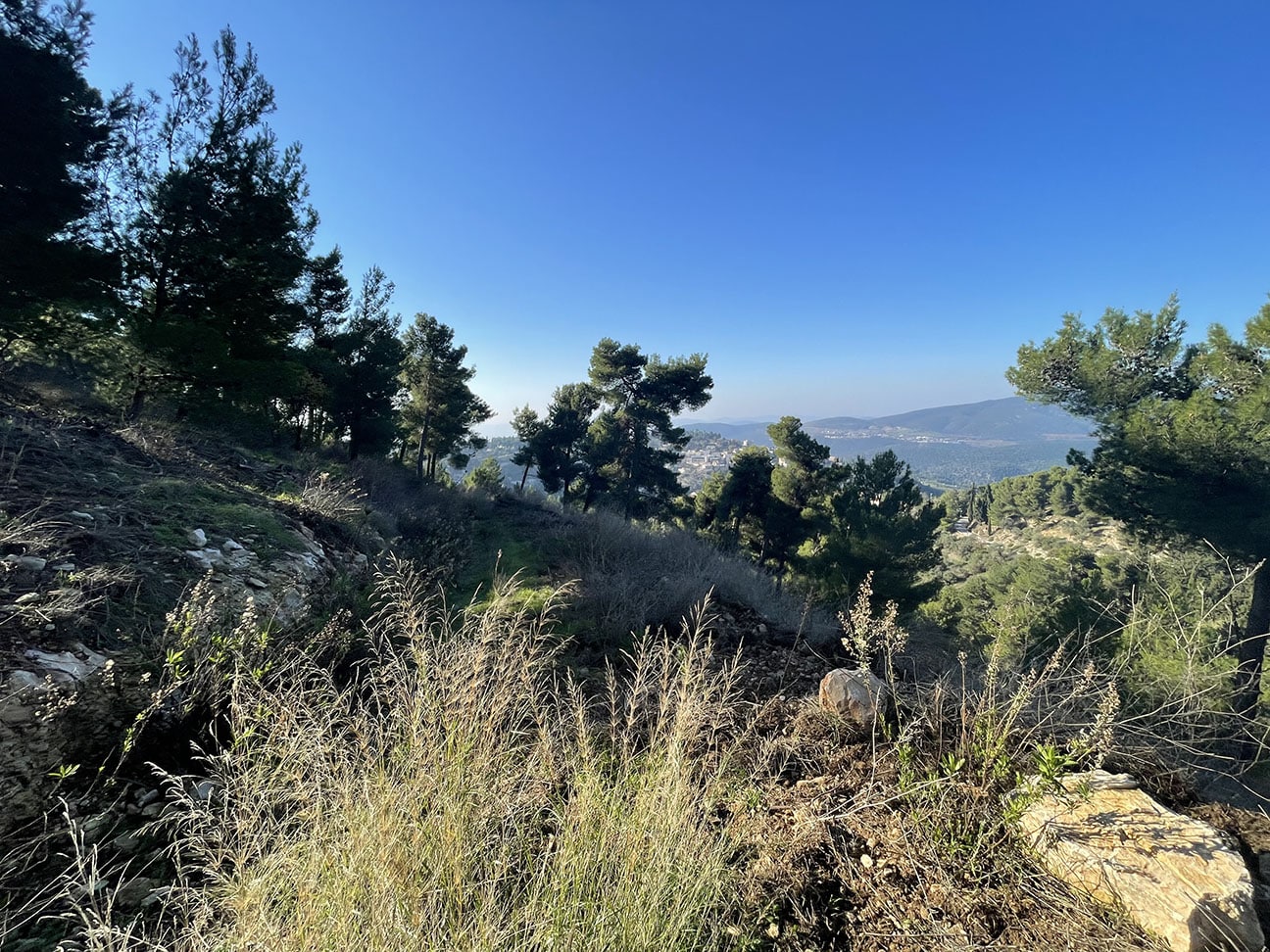
It’s a weird feeling to take my morning hikes in the hills of Tsfat, a holy city in the Galilee where I’ve spent the last couple of weeks.
Because I’m in the news business, I can never escape the hour-to-hour coverage of the Gaza War, a mega story that dominates every square inch of Israeli consciousness.
And yet, hiking in Tsfat has a way of transporting me somewhere else.
Maybe it’s the holiness I feel in the air from the graves of kabbalists who lived here centuries ago. Maybe it’s the natural beauty. Maybe it’s something else I can’t describe. Whatever it is, I do stop thinking about the war while I’m strolling through the pristine nature of this ancient, mystical city.
It’s as if the well-worn yet majestic setting gives me permission to aim higher than my daily news grind, even at a time of tremendous distress. If the war makes me think of surviving, the nature hike makes me think of thriving.
It struck me this morning, after I returned from my ritual, that this is one way of describing life in Israel— an uneasy balance between the instinct to survive and the urge to thrive.
I see the “thrive” when an Orthodox Jew from Peru plays for me two songs he wrote, or when I see kids playing like typical kids at a family barbeque, or when I hear the music and festivities from a Hanukkah concert.
I feel the survival gene when I’m informed that the synagogue I attended on Shabbat is actually in a bomb shelter, or when I see on a clear day the hills of Syria, an Iranian proxy terror entity that aims to destroy Israel.
It’s eerie that at this very moment, I’m hearing a tremendous boom followed by a siren and a public announcement to find the nearest bomb shelter. In the shelter, I was told that the rocket came from Lebanon, and the sound we heard was the Iron Dome that took it down.
A news report this morning also brought home the survival gene. The hospital that is not far from where I hike, the Ziv Medical Center, was the target of a cyberattack from Iran and Hezbollah that aimed to shut it down.
According to Israel’s National Cyber directorate, “the attack was stopped before it could achieve its goal of disrupting the hospital’s operations and harming the medical care of civilians.”
We thrive, but first we must survive.
In my many visits to Israel, it is the urge to thrive that has typically stood out. All those stunning achievements we’ve heard over the years about Israel connect to that urge. The vibrancy of the culture, the scientific innovations, the drive to constantly build and create, even the demonstrations against a mediocre government, are all signs of a society that aims to thrive, an Israel that won’t settle for survival.
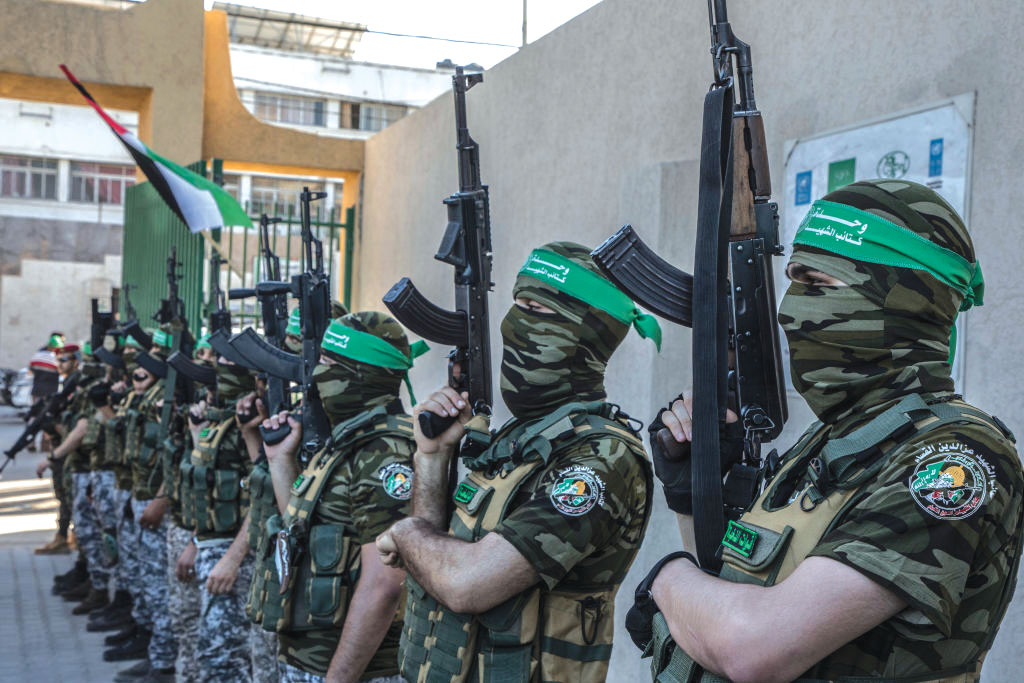
But since the pogrom of October 7, a calamity that ranks as the worst of Israel’s history, it is the survival gene that has arisen in full force. The agonizing daily news drip of Israeli war casualties, the excruciating anxiety over the hostages, the unending string of burials and shivas, the collective will to eradicate a cruel and barbaric enemy—all of that is keeping the fierce Israeli survival gene front and center.
And yet, even in these deeply anxious times, the signs of the thriving Israel are never too far away. The musicians are still playing. The chefs are still cooking. The comedians are still trying to make us laugh, if only through biting satire. The artists and scientists and tech entrepreneurs are still creating, researching and innovating.
This week, a delegation of 65 American investors, tech executives and venture capitalists are in Israel to explore support for the local tech sector. The money and the interest are still coming in for the “thrive” version of Israel. The extraordinary outpouring of support from Jews around the world is itself a statement from the Diaspora that Jewish philanthropy and assistance is also aiming high; that it has faith in the Israel that thrives.
Israel must survive at all cost, yes, but it never forgets that inner urge to thrive.
Maybe there’s a connection between the two. This is a country that has been consumed with danger since its very birth, and for good reason.
These security threats have been so all-consuming, and the human losses so devastating, settling for simply survival would seem to only compound the losses. Maybe the only thing that can make all of that pain and sacrifice worth it is to live life with a vengeance– and continue to thrive.
Even if that means hiking on a holy trail that has no bomb shelters.