A few weeks ago, I took to task civil rights lawyer and advocate Michelle Alexander for singling out the Israeli-Palestine conflict as the “grave injustice of our time.” In an op-ed in The New York Times titled, “Time to Break the Silence on Palestine,” Alexander argued that “many civil rights activists and organizations have remained silent” about “the human rights nightmare that has unfolded in the occupied territories.”
My key point of contention was not “the absurd notion that the civil rights world has been too silent about the plight of Palestinians, which is arguably the most talked about cause on the planet,” or the fact that “Palestinian leaders have rejected numerous offers over the years to create their own state.”
No, my main beef was the singling out of the Jewish state to represent the “grave injustice of our time.” I listed the top 10 humanitarian crises in the world, according to the International Rescue Committee (IRC), none of which included the Israeli-Palestinian conflict.
Now, I receive a press release announcing that over 100 rabbis from “across the liberal movements of American Judaism” have “joined together to applaud Professor Michelle Alexander for her courageous article in The New York Times.”
According to the release, the rabbis state that “they will not give in to those who attempt to silence them, or their allies, who advocate for peace, justice, and equality for the Palestinian people.”
First, I have to say I’m always amused when I hear activists complain loudly and freely about “those who attempt to silence them,” as Alexander also suggested in her piece. Whoever is trying to shut them up must be doing a really lousy job. Has there been any humanitarian cause that has received more media attention over the past two decades than “peace, justice, and equality for the Palestinian people?”
Beyond that, what also caught my eye was the Talmud tractate at the beginning of the statement:
“Whoever is able to protest against the transgressors of his household but does not is held responsible for the sins of his household. Whoever is able to protest against the transgressions of the people of his community but does not he is held responsible for the transgressions of his community. Whoever is able to protest against the sins of the entire world but does not he is held responsible for the sins of the entire world. (Shabbat 54b)”
Well, while we’re on the subject of “sins of the entire world,” here was the conclusion of the IRC report:
“2018 was a devastating year for millions around the world, with more people displaced from their homes than ever before. In many of the world’s most challenging places, armed conflict and man-made crisis mean life will get worse and not better in 2019.”
So, here is my question for the 100 rabbis who refuse to be silenced: Since you are “able to protest against the sins of the entire world,” when is the last time you released a statement against any of the worst humanitarian sins in the world?
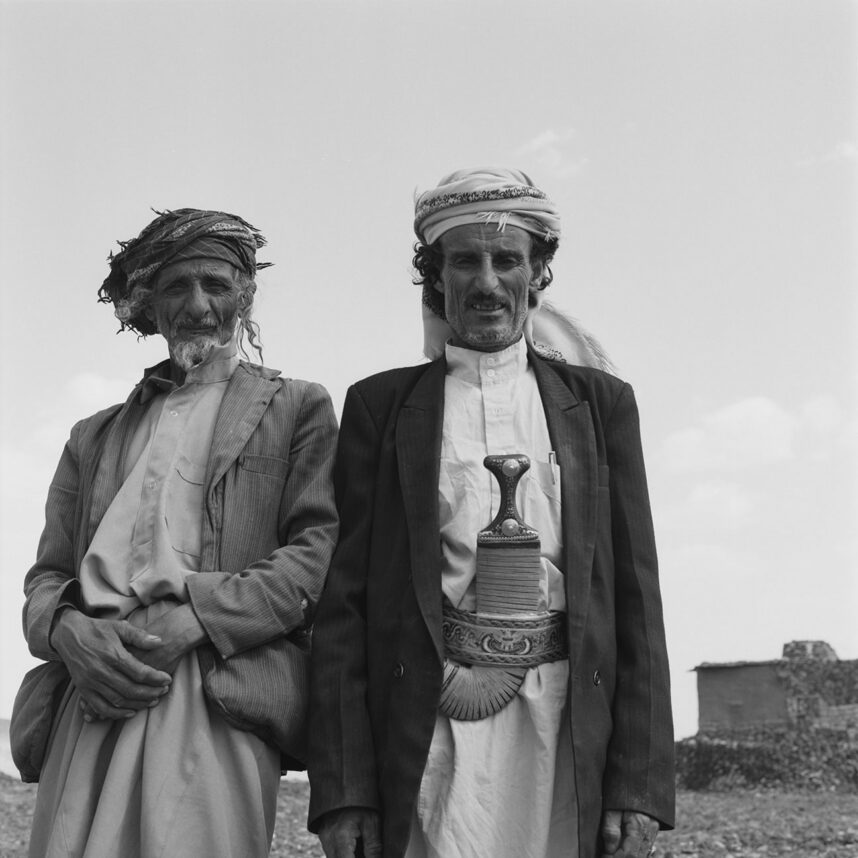
If you haven’t yet and are interested in doing so, here are the world’s ten biggest humanitarian disasters, starting with the worst: Yemen, the Democratic Republic of Congo, South Sudan, Afghanistan, Venezuela, Central African Republic, Syria, Nigeria, Ethiopia and Somalia.
I’ll look forward to your next press release.