#WomenHumanitarians 24 hours. 24 Stories.

World Humanitarian Day (WHD) is held every year on 19 August to pay tribute to aid workers who risk their lives in humanitarian service, and to rally support for people affected by crises around the world.
👩👩🏻👩🏼👩🏽👩🏾👩🏿#WomenHumanitarians around the world are doing incredible work to help people affected by crises.
On 19 August and every day, we honour all they do to make the world a better place. #WHD2019 pic.twitter.com/lV8qcyM2ZK
— UN Humanitarian (@UNOCHA) August 12, 2019
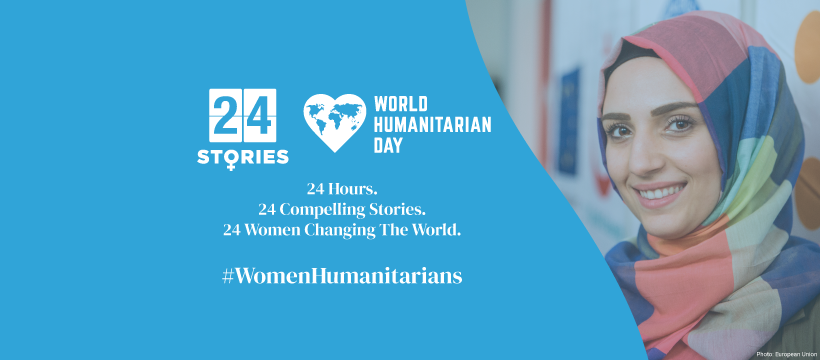
2019 WHD campaign: #WomenHumanitarians
This World Humanitarian Day 2019 we honor the work of women in crises throughout the world. We focus on the unsung heroes who have long been working on the front lines in their own communities in some of the most difficult terrains, from the war-wounded in Afghanistan, to the food insecure in the Sahel, to those who have lost their homes and livelihoods in places such as Central African Republic, South Sudan, Syria and Yemen. And we salute the efforts of women aid workers from across the world, who rally to people in need.
Women make up a large number of those who risk their own lives to save others. They are often the first to respond and the last to leave. These women deserve to be celebrated. They are needed today as much as ever to strengthen the global humanitarian response. And world leaders as well as non-state actors must ensure that they – and all humanitarians – are guaranteed the protection afforded to them under international law.
Women humanitarians dedicate their lives to helping people affected by crises. #WomenHumanitarians
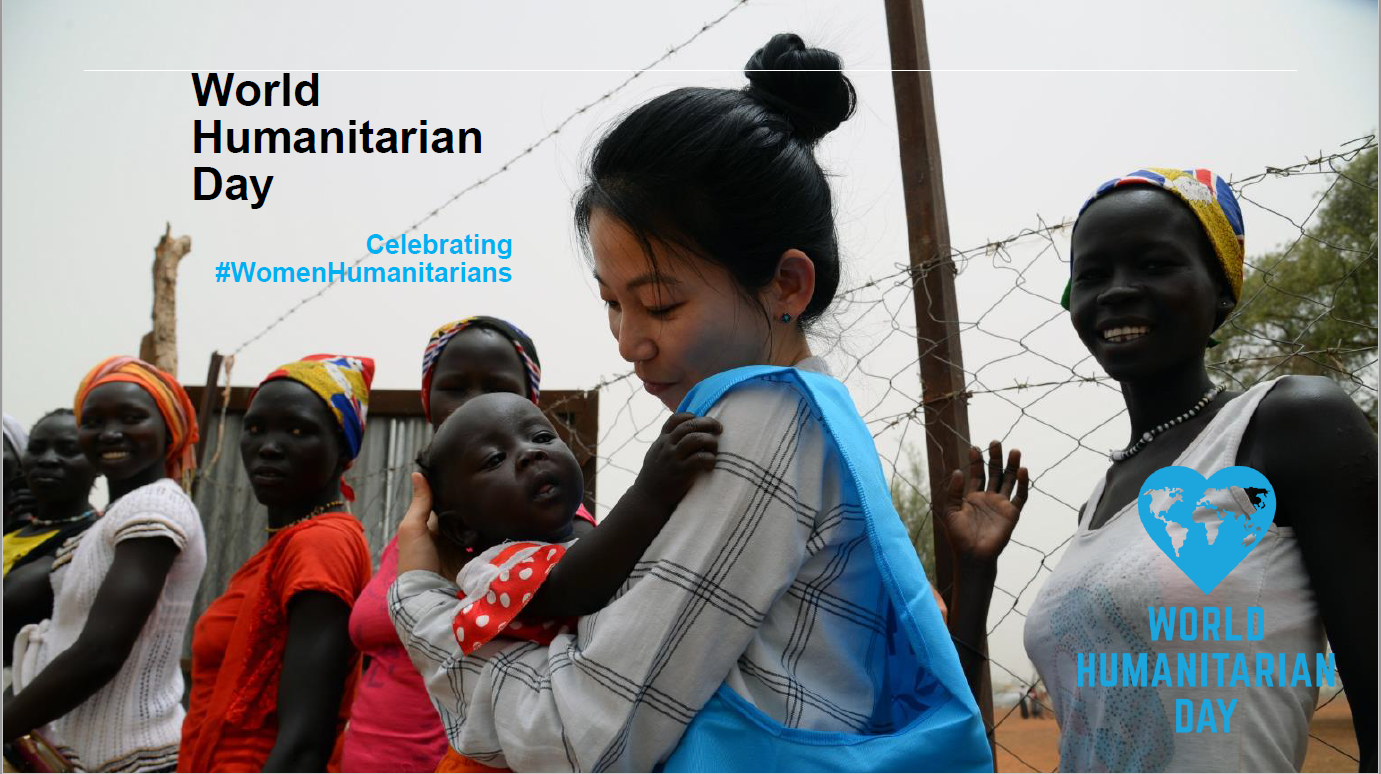
This August 19, World Humanitarian Day, we’ll use the rituals of our everyday lives to show the contrast of what women humanitarians encounter on a daily basis.
We will map the moments of everyday lives against those women humanitarians all over the world, making their experiences all the more relatable. A morning routine, a meeting at work and even commute home all look very different when you’re on the ground providing aid.
Why Women?
Women have long been on the front lines of the global humanitarian response. Despite ongoing risk and insecurity in many of their working environments, they stand their ground to save and improve millions of lives. We want to tap into a global moment and pay tribute to the unique strength and perseverance of women humanitarians. When you’re a woman on the ground and in areas of conflict, no two days look the same.
So we will show the impact female humanitarians are having all around the world, at all times – so people can truly understand what these women experience on a daily basis.
By telling 24 compelling stories that reflect different moments throughout the day, we will juxtapose those moments against the everyday lives of people at home, making their experiences all the more relatable.
Our goal is to use universally-relevant moments in everyone’s day to illustrate the scale of a humanitarian’s commitment and to show that strengthening the role of women will help strengthen the overall humanitarian response.
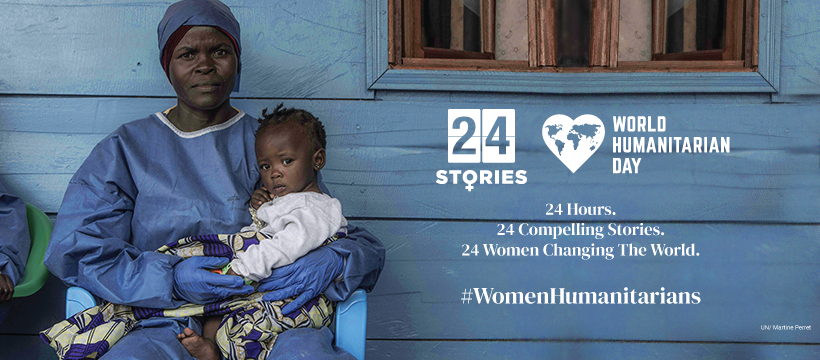
24 Stories from Female Humanitarians: One Live Every Hour
No matter where you are in the world, whatever time it is, we show you a story the relates to the very same moment. So for people at home, an early morning routine may be a 6:30 coffee, or a long commute to work at 8am. But when working in crises, those experiences are transformed: by 6:30 the humanitarian worker may already be at a food distribution, or the morning commute might be by UNHAS flight.
8:45am – your first coffee of the day?
Step into the shoes of Khotiza, starting her day with a village meeting in Bangladesh, early in the morning before the sun gets too hot.
2:00pm – yet another meeting.
Right now, Noella is supporting vulnerable women in the DRC by guiding them through group therapy sessions to counter grief and loss.
6:00pm – commuting home.
Meanwhile in Maiduguri, Fatimah is boarding an UNHAS flight to go to the deep field to conduct nutrition assessments in a remote village.
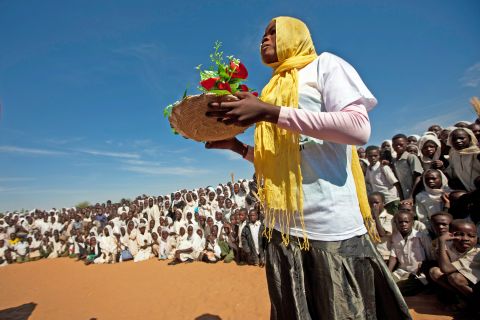
A young woman at Zam Zam Camp for internally displaced in North Darfur, Sudan, participates in an event in 2012 which promoted the message, “Together to Protect Women from Violence”, as part of the Sixteen Days of Activism against Gender Violence campaign, which takes place between the International Day for the Elimination of Violence against Women (25 November) and International Human Rights Day (10 December) to symbolically link the spirit of both events.