fbpx

14 haiku for Parsha Vayakhel-Pekudei (involving a major construction project) by Rick Lupert

[additional-authors]
March 24, 2017
Vayakhel

Vayakhel

I
An all staff meeting.
Building instructions given.
Not on Saturday.

II
This tabernacle
funded by all the people.
The first Kickstarter.

III
A miracle! This
over-funded project is
with the artists now.

IV
Here in the dream lab
curtains are connected and
loops of wool appear.

V
Planks and sockets and
cubits. This is what it takes
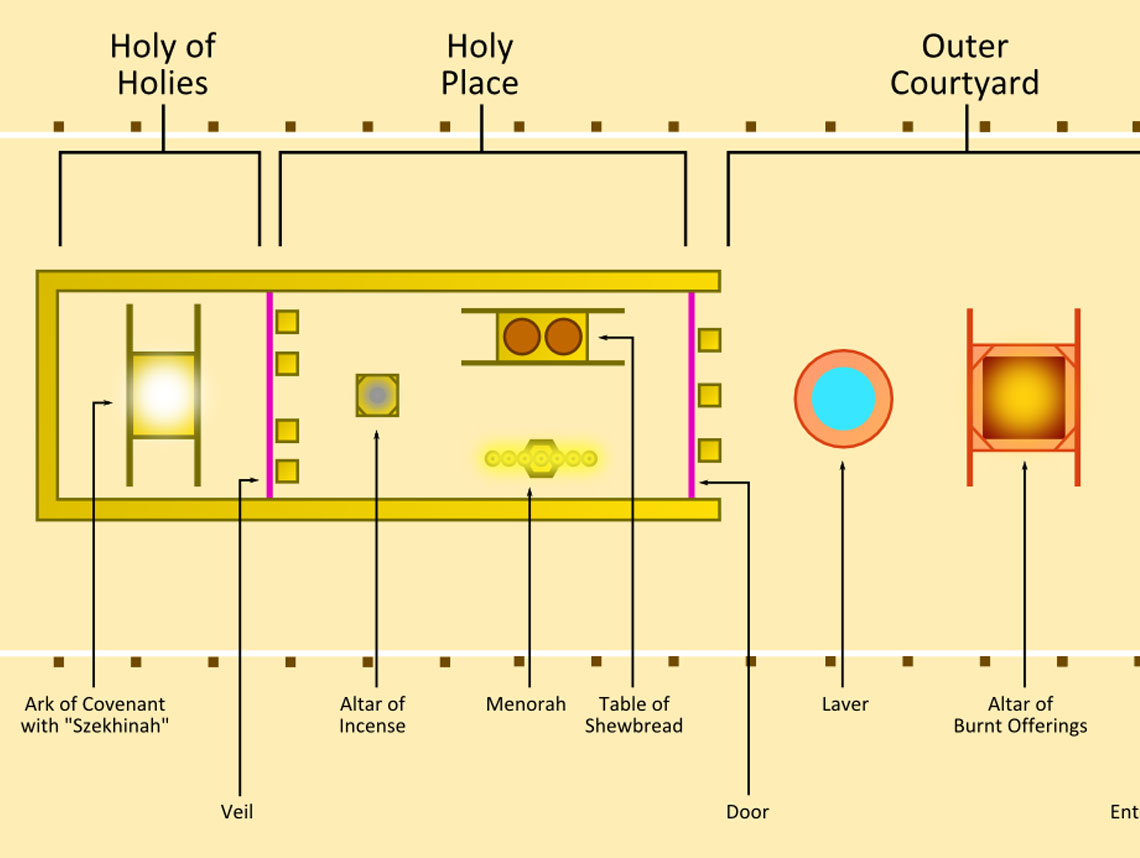
to build a Mishkan.

VI
The holiness is
in the details. A golden
Menorah appears.

VII
Who doesn’t love to
see a project completed.
Now, the inspectors.

Pekudei

I
Let’s name all our kids
Bezalel, so that they may
become artists too.

II
Priests looking for the
latest accessories – look
no further: ephod.

III
Pomegranates and
bells. Twisted blue. This runway
will be off the hook.

IV
Laying out the wares
Moses gives them a blessing
for a job well done.

V
With all the pieces
the Mishkan is almost here.
Assembly required.

VI
Like a complex set
of Ikea instructions
Moses builds it all.

VII
A cloud comes. Not one
of gloom and rain. This is the
cloud that strengthens us.


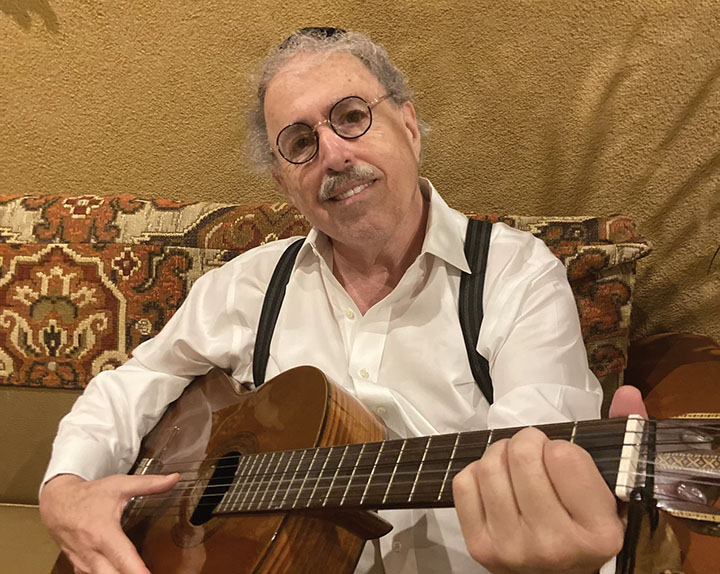
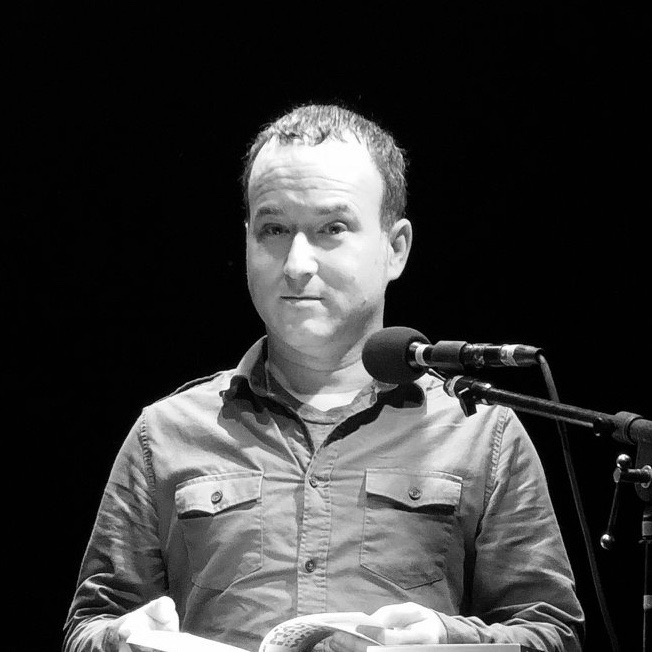
Los Angeles poet Rick Lupert created a the Poetry Super Highway (an online publication and resource for poets), and hosted the Cobalt Cafe weekly poetry reading for almost 21 years. He’s authored 20 collections of poetry, including “I’m a Jew, Are You” (Jewish themed poems) and “Feeding Holy Cats” (Poetry written while a staff member on the first Birthright Israel trip), and most recently “Donut Famine” (Rothco Press, December 2016) and edited the anthologies “Ekphrastia Gone Wild”, “A Poet’s Haggadah”, and “The Night Goes on All Night.” He writes the daily web comic “Cat and Banana” with fellow Los Angeles poet Brendan Constantine. He’s widely published and reads his poetry wherever they let him.


Did you enjoy this article?
You'll love our roundtable.

Editor's Picks

Latest Articles

Who’s Really the Victim?

Those who would revel in Israel’s demise are claiming victimhood on every front and denying attacks on us in the same breath.

Biblical Deterrence

After Oct. 7, the sentiment in Israel toward the Iranian leadership was unequivocal: You went medieval — so we will go biblical.

How Sukkot Makes Us Whole

This year, I bless us that we open our eyes to truly see the beauty and the holiness of the world, and of the person before us at each and every moment, and to see the godliness of their aspirations and their fears.

The New Ushpizot

Ushpizin invite us to “welcome in our ancestral constellation and dwell amongst them.” This year, it’s Ushpizot, for the women. It’s the year of the Feminist Visitation.

Macklemore, Or Less

In between his songs, he proclaimed, “Free Palestine,” which is fine, asserted that opposing Israeli military actions is not antisemitic, which is accurate, and accused Israel of apartheid and genocide, which is offensive, untrue and hateful.

The Rokeach’s Remarkable Sukkah

To Rabbi Eleazar ben Judah of Worms (1176-1238), the medieval German pietist known as the Rokeach, the sukkah symbolized Jewish military might.

The Sukkah and the Power of Endurance

They can destroy our Temples, demonize us in social media, shower us with hate, but they can’t destroy a spirit that never stops building. That enduring spirit is the power of the sukkah.

NY Mag’s Habibi City

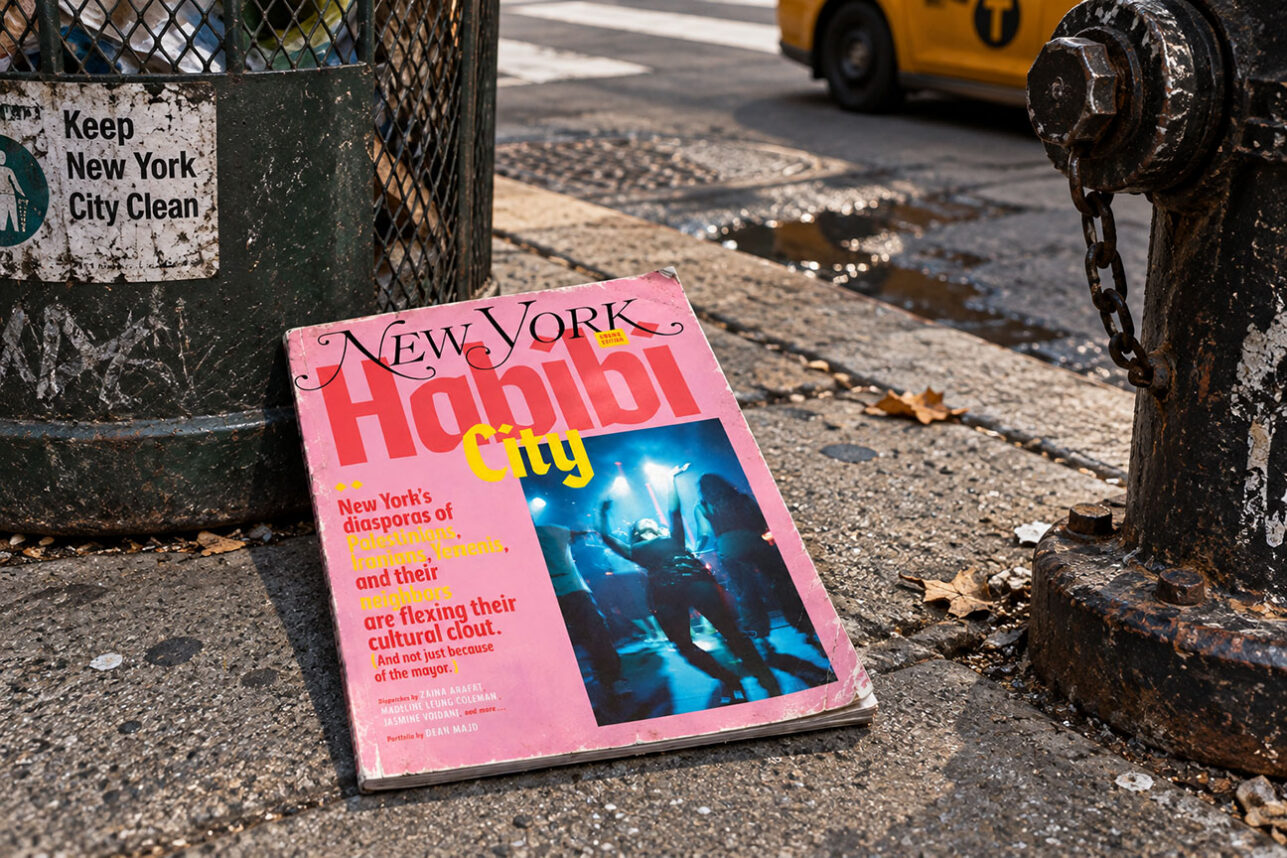
A satirical response to Zaina Arafat’s erasure of Jews in her New York Magazine article “Habibi City,” written as Zaina Arafat.

The ‘Fauda’ Enigma

In many of the nations that believe Israel has no right to exist and routinely root for terrorists to slaughter Jews, a TV show that depicts Israeli covert operatives outsmarting and dispatching Arabs has an inexplicably loyal global audience.

Jewish Democrats Cave to Anti-Semites

Those of us who are not of the Democrat politic party have believed that the Democrats have done little to stop the disease of Jew hatred from infiltrating their party.

More news and opinions than at a Shabbat dinner, right in your inbox.