On December 24th, the rabbinate of Haifa, which is one of the largest Israeli cities, sent a letter to local hotels and event halls, warning them they will lose their Kashrut supervision if they hold New Year's Eve or Christmas parties on their premises. The letter, as published on Ynet, said: “No parties celebrating Christian New Year's Eve should be held on the premises, and our supervision will be further denied to those who disobey our instructions.” Later, Chief Rabbinate sent a statement to the Jerusalem Post, saying: “It is forbidden for a Jew to be present in a place where ‘idol worship’ is being conducted.”
Now a little background:
1. Haifa is a very heterogeneous city, and it is a true symbol of co-existence. Only 82% of Haifans are Jewish. 4% are Muslims, and almost 14% are Christian (Arabs and non-Arabs).
2. Hechsher, which is given through Kashrut supervision, means that something is Kosher. More specifically, a place without a Hechsher is a place that no religious person will go. A place that loses its Hechsher, will probably lose many customers. Therefore, it makes sense that business under a threat to lose its Hechsher, will choose to follow the rabbinate's orders.
3. Almost all Israelis celebrate New Year's Eve, and many Israelis enjoy Christmas parties.
Now that you have some background, I will tell you that this letter was followed by some massive criticism, coming mostly from Israeli citizens and journalists, who refused to accept the content of the letter. Israel is, in fact, the land of the Jews, but it respects all religions. When Israel was founded in 1948, it was promised that in Israel, there will be freedom of religion. When people have no place to celebrate a day which is meaningful to their beliefs, I find it a violation of such a freedom.
This, to me, is the dark side of Judaism, the one that is so old fashioned and shut to the outside world, that it forces itself on others. The fact that Israel is defined as a Jewish state, gives the Orthodox rabbinate a lot of power. In fact, there are several Orthodox rules here including the fact marriage and divorce can only be legal if they are committed in the official rabbinate of Israel. This means some parts of the law discriminate against women (for example, if the husband dies before he and his wife brought any children to the world, his brother must marry her, unless she approaches the rabbinate of Israel and request a “Halitsa” ceremony. This biblical rule still exists in 2012.)
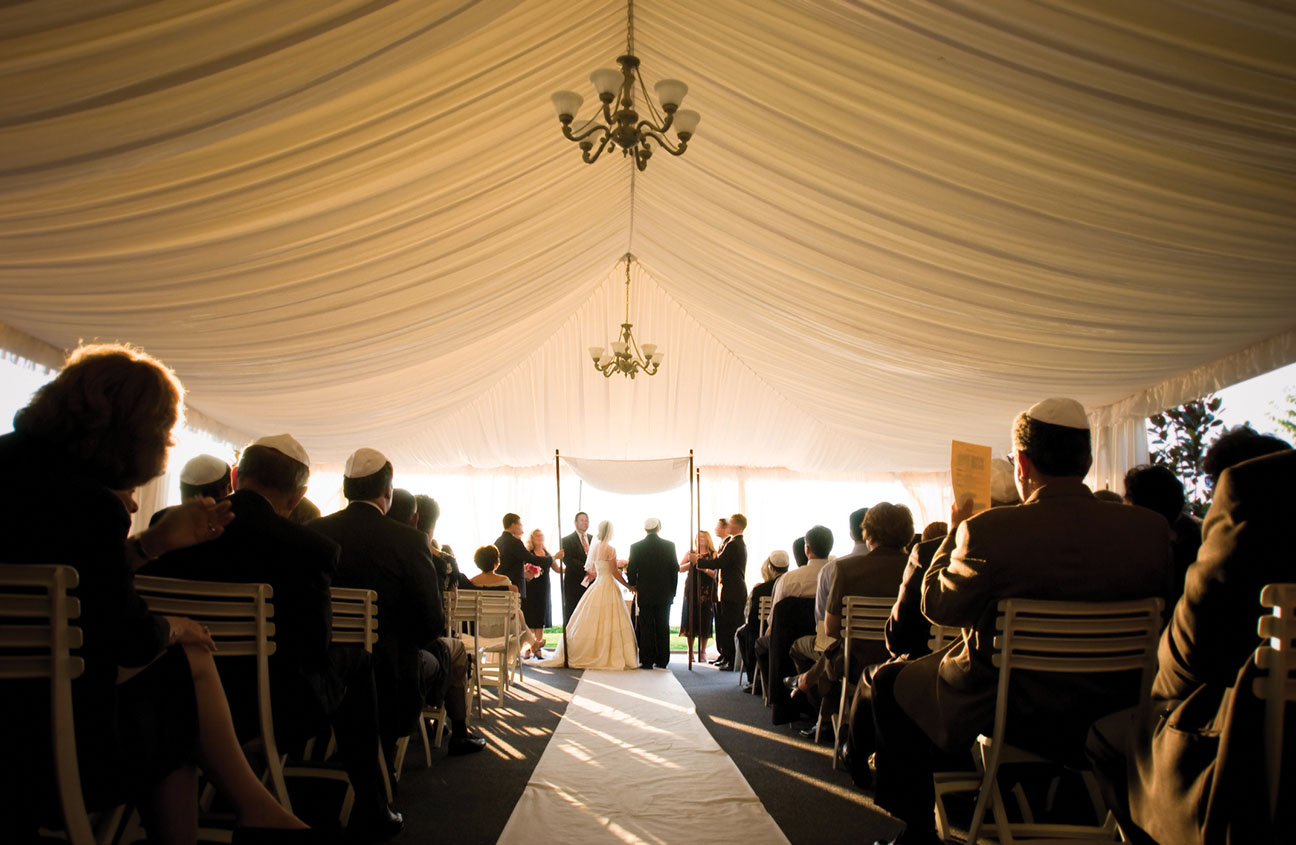
I was born and raised in Israel, and unfortunately, this means that although I disagree with the Orthodox rules that apply to all Israelis, I learned to live with them. I had to live with the fact that when it is my times to be married, I must take part in Orthodox ceremonies I do not agree with (Mikveh, being “purchased” by my husband through a Ketubah, and more…) What I still cannot live with are the small things some very dark people with lots of power here think they are allowed to do. When a small group of rabbis tell their followers who serve in the IDF to leave a ceremony in which a woman sings, they disqualify and humiliate a person only due to her gender. When a rabbinate of a religiously heterogeneous city threatens local business to not allow a celebration of another religion, they disqualify and humiliate people only due to their beliefs ( let's not forget New Year's Eve is celebrated even by Jews in Israel. After all, most of us have no idea what is the Hebrew date today…). I find it disgusting.
For years, Jews were haunted only because of their religion. They were forced to hide Jewish characteristics, and were always marked as different. It only made sense that when the Land of the Jews was founded, it would have respected all people. I understand it is complicated to lose the formal Jewish identity of Israel, and I don't think it's necessary. Israel can remain the Land of the Jews, but it cannot be fully controlled by Orthodox rules. People who don't believe in such rules must be able to live their daily lives uninterrupted. I know that losing the Orthodox parts of the formal Israeli law (such as marriage) is practically impossible. It was agreed on before Israel was founded. It can be gone only when the Orthodox will cease from being a major force in the Knesset, and this will never happen. But every law can be bent a little bit, and with time, these laws were, in fact, bent a little bit, thanks to some more liberal rabbis.
The threat letter that was sent by the Haifa rabbinate, however, was not in the name of any law. It was in the name of darkness, of unwillingness to live and let live. This was a new low, and I am glad it received such massive objection and resistance. Facebook, newspapers, news websites- everyone ondemned that letter. Eventually, when it became clear that no one will be willing to follow this letter, the rabbis withdrew the letter. Unfortunatly, their harsh words remained, and no apology was made. This battle against darkness is far from being over. I believe that all people, Orthodox, secular, Jewish, Christians, Muslims, and any other beliefs, should be able to live their lives freely, in any way they want, without forcing or being forced to do anything. I am glad Israelis still believe in liberalism of life, and are willing to fight to keep Israel in the light.