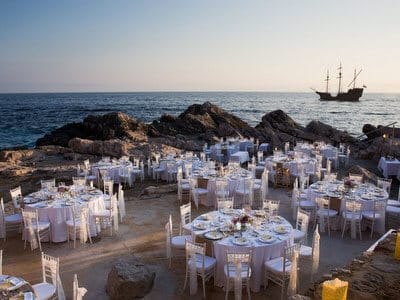
Summer Lovin… in Croatia and Beyond
Summertime… the season of love.
Summer is indeed in full swing here in the Northern Hemisphere and I am loving the long sunny warm days! Whenever I look up summer getaway or entertainment inspiration, I keep getting suggestions for 10 or more “best” things to do this summer. The most popular are of course being on vacation, huge bonfires on the beach watching those mesmerizing sunsets, outdoor movies and music festivals… The lists go on and on but those lists left one very important activity out… summer romance and summer weddings!

Summer lovin… July and the promise of endless possibilities. For some reason the ever-popular song “Summer Lovin” from the Grease musical popped into my head as I was sitting on the Santa Monica beach this morning. Not only did I thoroughly enjoy the beautiful sunrise, but also noticed couples walking hand in hand, rollerblading or biking on the boardwalk. It suddenly felt like the summer of 2022 promised endless possibilities, which was a welcome feeling, considering the past two years we have just endured. I fully agree with the quote from Jenny Han: “For me, everything good, everything magical happens between the months of June and August.” – “The Summer I Turned Pretty.” When the sun rises and the sky is so incredibly blue and clear, it does feel magical. Speaking of summer lovin…

Summer, and more specifically June, July and August is a very popular time for outdoor weddings, and it is easy to understand why. Venues transform into fairytale-like settings after sunset when the trees start sparkling with fairy lights. Candles flicker in the soft breeze and the intoxicating fragrance of summer flowers permeate the air. I always assumed the tradition of the June bride is due to the gorgeous weather, but apparently the tradition dates back to Roman times when they celebrated the festival of the deity Juno and his wife Jupiter who was the goddess of marriage and childbirth, on the first day of June. Today however it is probably because it is the easiest time for most couples to take extended leave from work. Not such a romantic reason but practical and I am pretty sure the gorgeous weather and magical ambience plays a part as well.

Destination Weddings
Getting married at some romantic destination is almost every couple’s dream but for those of us who book destination weddings, it is particularly stressful as there are so many additional details to consider. It isn’t just about creating an itinerary and finding the right accommodations; it is also about the couple needing assistance with the logistics and planning once they are at their destination. They have to find vendors, deal with legal documents and much more. I discovered that locating the perfect accommodation for the couple that also has a stunning venue either on the property or nearby that they love, and a wedding planner with a vendor list, I hit the jackpot! Happy clients and a beautiful wedding.

Croatia – A unique wedding and honeymoon destination.
One such wedding and honeymoon destination that I have seen increased interest in, is Croatia. Surprisingly because the usual requests are for some Island Paradise, Paris or Italy, which have inspired romantic visions for decades, and are known as the most romantic destinations for lovers of all ages. However, requests for off-the-beaten-track destinations such as Croatia have been trending lately both as a vacation and wedding destination.
Croatia is situated across the Adriatic Sea from Italy and has the perfect climate for making wine and olive oil and known for its blue waters and bluer skies. The stunning beauty of Croatia’s coastal areas as well as its historical cities, vibrant culture, spectacular scenery, and sunshine islands, makes it a gorgeous wedding destination that checks all the very necessary romance boxes.
Any wedding, especially an outdoor one, needs at least ideal weather and Croatia has beautiful weather on the coast throughout the year. The Adriatic coast has a Mediterranean climate with cool rainy winters and hot dry summers – what more can a couple ask for when booking a summer outdoor venue.


Food, wine, entertainment and outdoor activities.
Croatia’s gastronomic delights are well documented. The fresh Adriatic fish and seafood combined with locally sourced vegetables and fruits, will delight the most hard-to-please foodie. Croatia has its own rich winemaking history and a multitude of indigenous grape varieties to discover for the wine aficionado. Wineries are scattered from the beautiful Adriatic Sea to the giant Dinaric Alps making Croatia a captivating destination for wine lovers. Whatever your wine preference, Croatian wines are some of the best in the world.

There is an abundance of entertainment to choose from for pre-and post-wedding parties. The sunny Dalmatian Island of Hvar with its fragrant lavender fields, secluded coves, and cosmopolitan vibe, boasts amazing weather and stunning views and is a great place to get that pre-wedding suntan.
The vibrant nightlife in Croatia has an energy that won’t disappoint, as the cities of Zagreb, Split and Dubrovnik come alive with quite the buzz at sunset. The Makarska Riviera has the best of Croatia’s nightlife with fun that never ends.
For the active traveler there are beautiful hikes, island-hopping kayak adventures and UNESCO sites to visit. If you are a fan of The Game of Thrones, you can book a day tour for those locations as well.

During the sizzling summer months there are an array of music extravaganzas like Croatia rocks and Electro Beach. The Noa Beach club (pictured above) is known for its 11 bars and the latest music which you can enjoy on the dance floor or a hammock with the shimmering sea beneath you.

Wedding Venues
Croatia has that WOW factor every couple wants at their wedding. There are numerous magical locations in Trogir such as the Rector’s Palace, the Kamerlengo Tower, the Town Lodge and the Cathedral of St Lawrence, all of which provide stunningly beautiful venues for unforgettable weddings. Croatia is a very unique wedding destination. While there are beaches and islands these are not the beaches you will find in the Caribbean. However, there are gorgeous wedding venues right at the beach, as well as elegant private villas, lighthouses, wineries, parks, and medieval fortresses with incredible views for you to choose from.

This beautiful Central European country was Travel + Leisure’s Readers choice in 2016 due to its gorgeous beaches, the history, picturesque national parks and delicious food. Croatia definitely recommended for the couple on a budget, as you will find spectacular locations for your wedding, without the extravagant prices of for instance Paris or Italy.
Some legal details to be aware of: If you want to get married in Croatia, you need to have your documents submitted a month in advance, and the couple also needs to attend the registry meeting 48-72 hours before the wedding. Do take care of this paperwork several months in advance considering today’s climate where everything is backed up. If you are considering eloping, plan at least a week in Croatia to get everything done before your wedding. I suggest a reputable DMC and/or wedding planner to assist with all the details so nothing is left to chance. Contact me for info.
For more travel inspiration follow me HERE and subscribe to my updates. If you have any questions or want to book a destination wedding in Croatia, please tap this LINK for my contact info. Thank you!
Images courtesy of destinationwedding.com and loveandventures.com.
Summer Lovin… in Croatia and Beyond Read More »
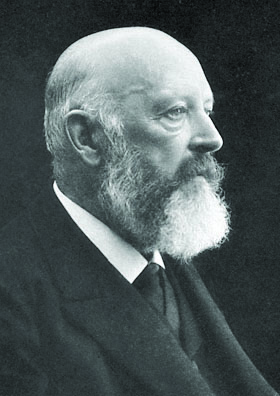 Jeans, you may be surprised to learn, are not naturally blue. No, that’s in fact thanks to Adolph von Baeyer, who synthesized in 1880 indigo, a blue dye. This little known scientist made some other invaluable contributions, including his discovery of barbituric acid (which led to the manufacture of types of sedatives and anesthetics), and fluorescein, which forensic investigators use to find blood and other stains.
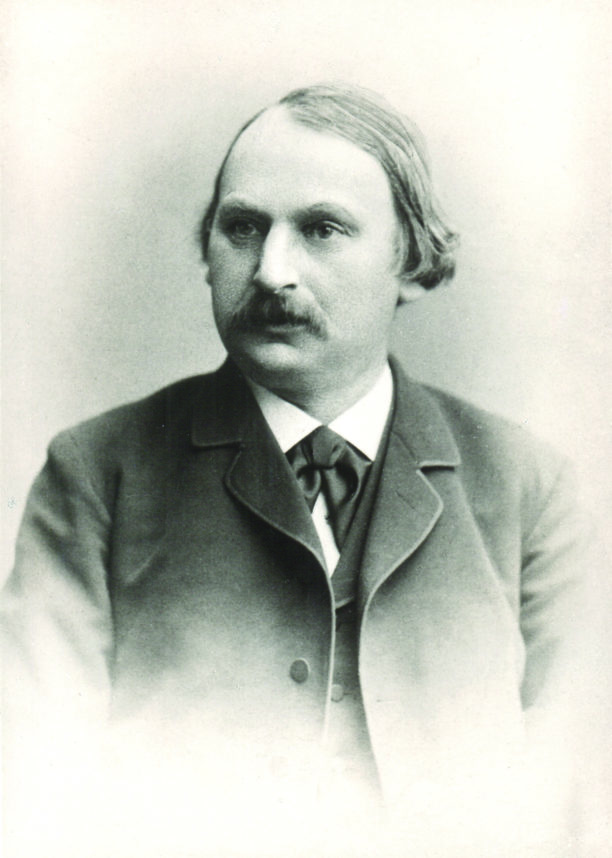 Every year globally, more than 30 million tons of potash are produced. The main ingredient of which is potassium, potash is one of the most crucial artificial nutrients in agriculture. Who do we have to thank for discovering that potash could be a fertilizer that could help feed humanity? Adolph Frank, another unheralded but hugely impactful German Jewish scientist. Additionally, Frank also invented a way to extract bromine from salt mines. Bromine has served humanity well—as a flame retardant, a pesticide, and a sedative.
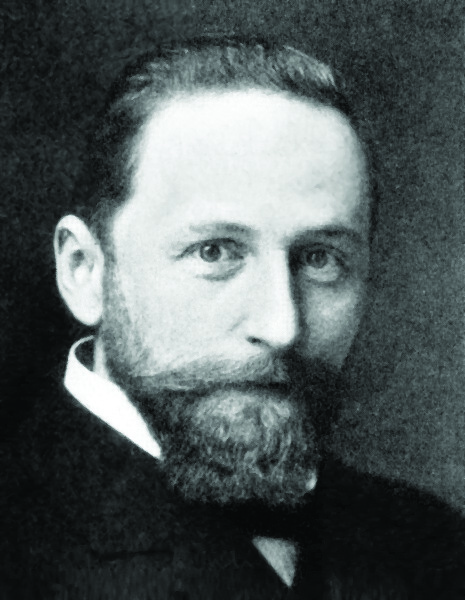 A protégé of Adolph von Baeyer at the University of Munich, Willstatter was the first ever scientist to determine the chemical formula of chlorophyll, a vital chemical in photosynthesis (the process by which sunlight is converted into energy). This was the main contribution for which he was awarded the Nobel Prize. In 1917, when his friend Fritz Haber (see below) asked him to develop poison gas to advance Germany’s interest in World War I, Willstatter declined—and instead offered to help develop a defensive filter to poison gas, which led to the first gas masks.
 Haber sits in the center of what was truly a golden age of Jewish chemists. He and Adolph Frank are responsible for feeding much of humanity—the Haber Process, which produced ammonia from nitrogen and hydrogen, is responsible for the creation of agricultural fertilizers (500 million tons are produced annually) that now help feed a substantial portion of humanity. Haber’s creation of ammonia has even been credited with “detonating” the population explosion from 1.6 billion people in 1900 to more than 7 billion today. Why? Well, to feed the increasing world population would have been impossible if the relatively inefficient methods of agriculture in that era didn’t improve. Ammonia-based fertilizers allow for farms to grow far more food than they could have grown in the past. Haber, though, must also be remembered as the head of the German military’s chemistry wing during World War I. He supervised the first use of chemical weapons (chlorine gas) in military history and also of chemical defense (gas masks) in modern warfare. His legacy is a mixed one—greatness for his role in agricultural chemistry; controversy for his part in the chemistry of warfare.
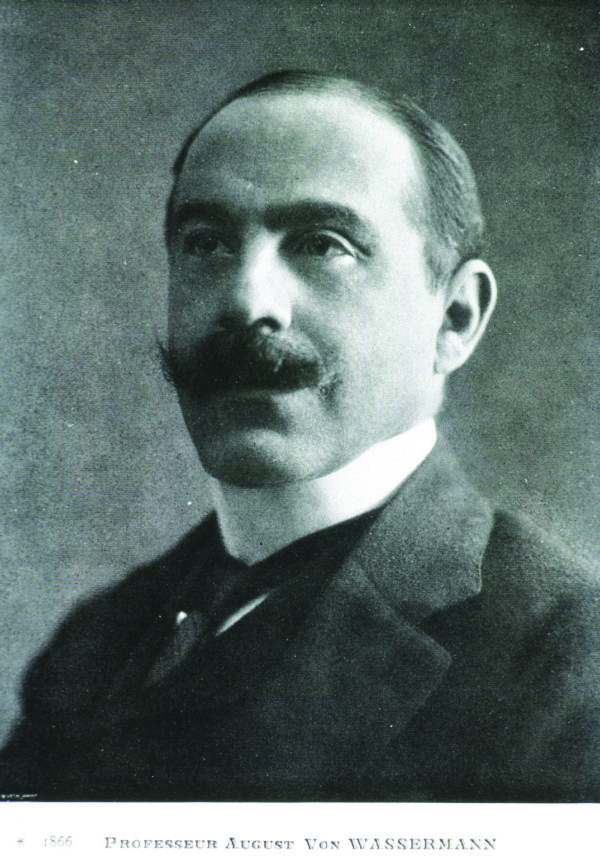 In 1906, bacteriologist and immunologist August von Wassermann created the first reliable test for detecting syphilis, a sexually transmitted disease. The Wasserman test, which was developed at the Robert Koch Institute for Infectious Diseases identifies an antibody that’s unique to syphilis, lupus, malaria, and tuberculosis. This test formed the basis for subsequent tests used in the detection of these diseases. In 1921 Wasserman became the first recipient of the Aronson Prize for his immunological achievements.
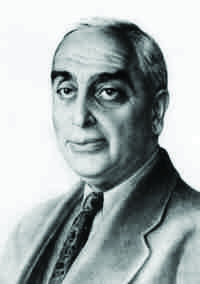 Raised in Hungary but spending most of his clinical career in New York City, Bela Schick created the Schick test to identify diphtheria, a potentially fatal disease that originates in the throat and still kills thousands of people per year. Schick created the test in 1910, when diphtheria was a feared disease and vaccinations for it were in low supply, making it crucial to only vaccinate children with preexistent susceptibility, and not those who were naturally immune from diphtheria. Schick’s test identified at-risk children by injecting a tiny amount of diluted diphtheria into their arm. In susceptible children, the injection site would become red and swollen. He led a massive and successful five-year public relations campaign to persuade as many parents as possible to test their children for susceptibility.
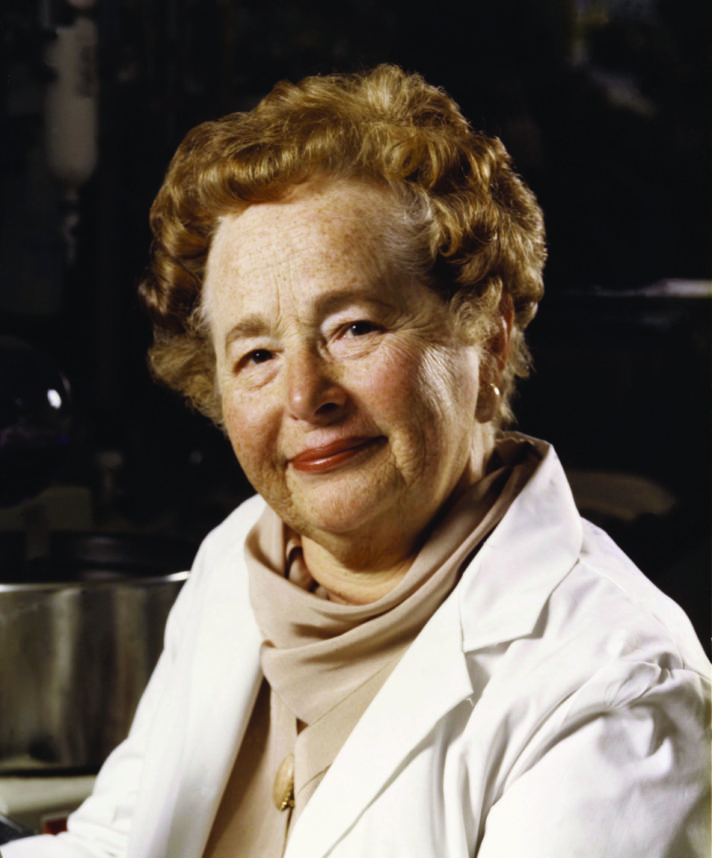 Spurred by the death of her grandfather from cancer, Gertrude Elion, at 15, decided to devote her career to making people healthier. In her 20s she began research at what is now the pharmaceutical giant GlaxoSmithKline, eschewing a PhD so that she could continue her lab work full-time. By the time her career ended, she was responsible for the creation of Purinethol, the first Leukemia treatment, Imuran, a crucial drug for organ transplants, Daraprim, a crucial malaria treatment, Septra, vital in treating infections of the urinary and respiratory tracts, Zovirax, which is used to treat herpes, and AZT, the first ever drug approved by the U.S. government in treatment of HIV. Several of the drugs she helped create are on the WHO’s Model List of Essential Medicines, which is a list of drugs that any society must have readily accessible in order to maintain basic standards of health.
 He is accepted as one of the greatest contemporary Yiddish short story writers and novelists, whose tales wove fantasy, mysticism and eroticism into much of his fiction. Born to a family of Chassidic rabbis, Singer attended a rabbinical seminary, but instead chose the path of the writer. He began his career as a journalist in Warsaw, publishing his first novel, “Satan in Goray,” in 1935, the same year he emigrated to America. In the United States, he continued working as a journalist for The Jewish Daily Forward and he published his first major novel, “The Family Moskat,” in 1950, which was almost shut down by his boss because of its controversial themes (including adultery on Yom Kippur). Several stories of his were adapted into film, including “Yentl” and “Enemies, a Love Story.” In all, Singer published at least 18 novels, 14 children’s books, and many more articles, essays, and memoirs. He wrote everything in Yiddish and his works were later translated into English and other languages. His work gave millions of people insight into the richness of Yiddish language and culture and into the world of East European Jewry—both the shtetl world and the urban world. His writing was very much a product of the environment of his Polish upbringing. If history books will give the world a window into the macro history of Polish and Yiddish Jewry, Singer has given us a window into the Yiddish soul.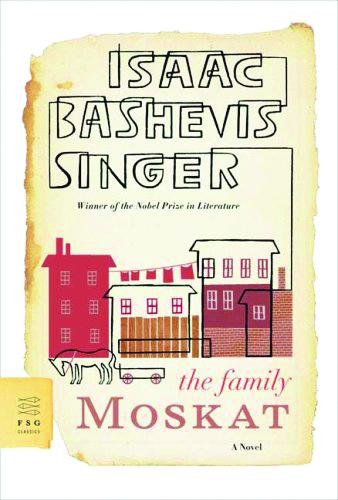
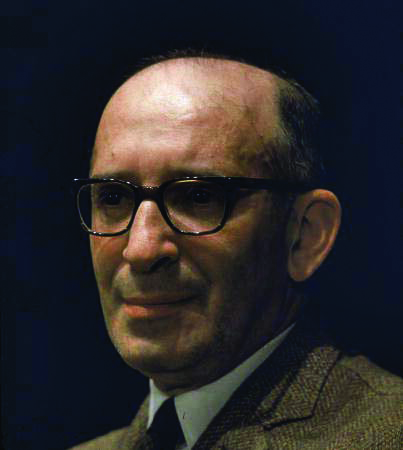
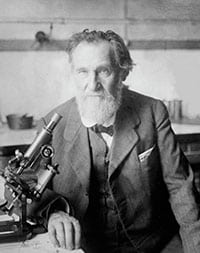



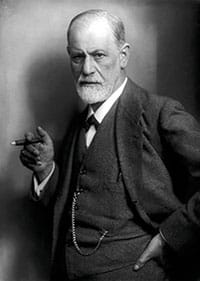
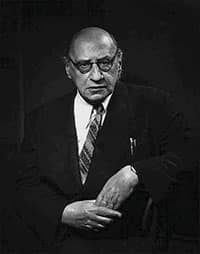
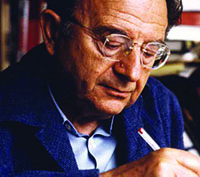 Heavily influenced by the Torah and Talmud in his early years but eventually becoming an atheist, Fromm was one of the 20th century’s most influential psychologists and sociologists—someone whose political thinking was deeply impacted by Marx and who was one of the unofficial founders of the field of political psychology. One of Fromm’s greatest insights, described in his seminal book, “Escape From Freedom”, is that humans will either embrace free will or run from it. Running from freedom, he believed, was a source of many psychological pathologies. Those who eschew free will, he believed, either conform to what they believe is society’s preferred personality, give over their free will to others, or engage in destructive behaviors towards others, effectively taking away other peoples’ freedom. In “Man for Himself”, Fromm put forward his belief that one of the core paradoxes of human existence is that we look for closeness and unity with others and an independent identity at the same time. The solution to this paradox, Fromm wrote, is to be oriented productively; that is, to have a purpose-driven life and to channel one’s talents into productive ends.

 Inducted into the Comic Book Hall of Fame in 2006, Marston, a psychologist by training, introduced Wonder Woman—he initially named her “Suprema”—in the 1940’s, at a time when all the great American superheroes and villains were male. Marston, who was influenced by the early suffrage movement, made Wonder Woman strong, independent, and courageous—powerful traits in an era when many saw women as less capable than men. She became a feminist icon, and a superhero who could force villains to tell her the truth with her magic lasso. Through Wonder Woman, Marston introduced his idea of female rehabilitative justice as opposed to male retributive justice. Wonder Woman’s homeland, Paradise Island, held her captives not in a prison, but in Reform Island, a transformation-oriented penal colony.
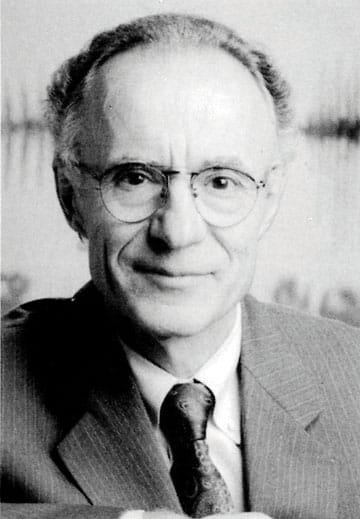
 CARL SAGAN (1934-1996) b. Brooklyn, New York. An insatiable curiosity.
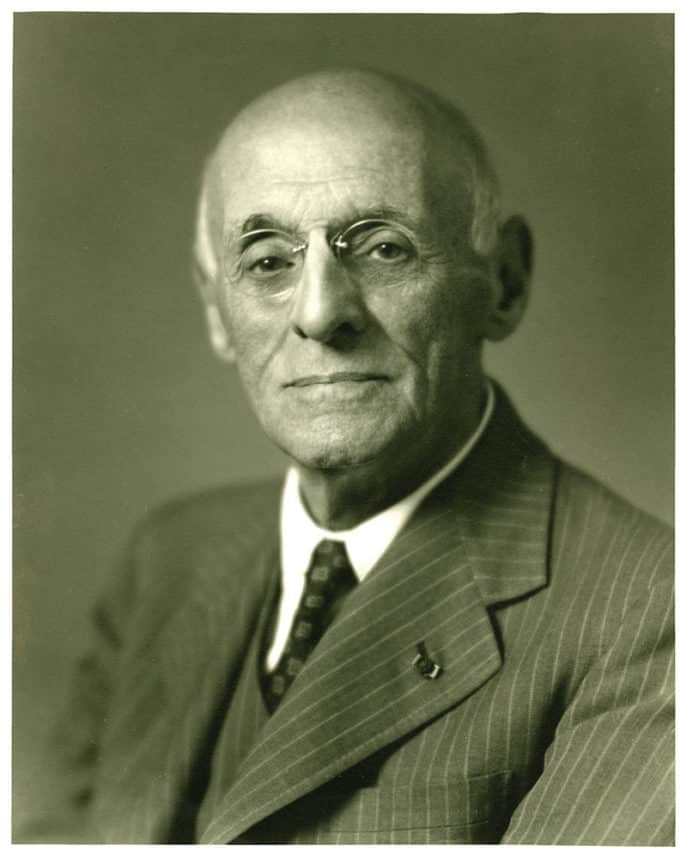
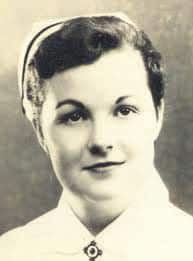 LILLIAN WALD (1867-1940) b. Cincinnati, Ohio. Raised among the wealthy, she toiled among the needy.
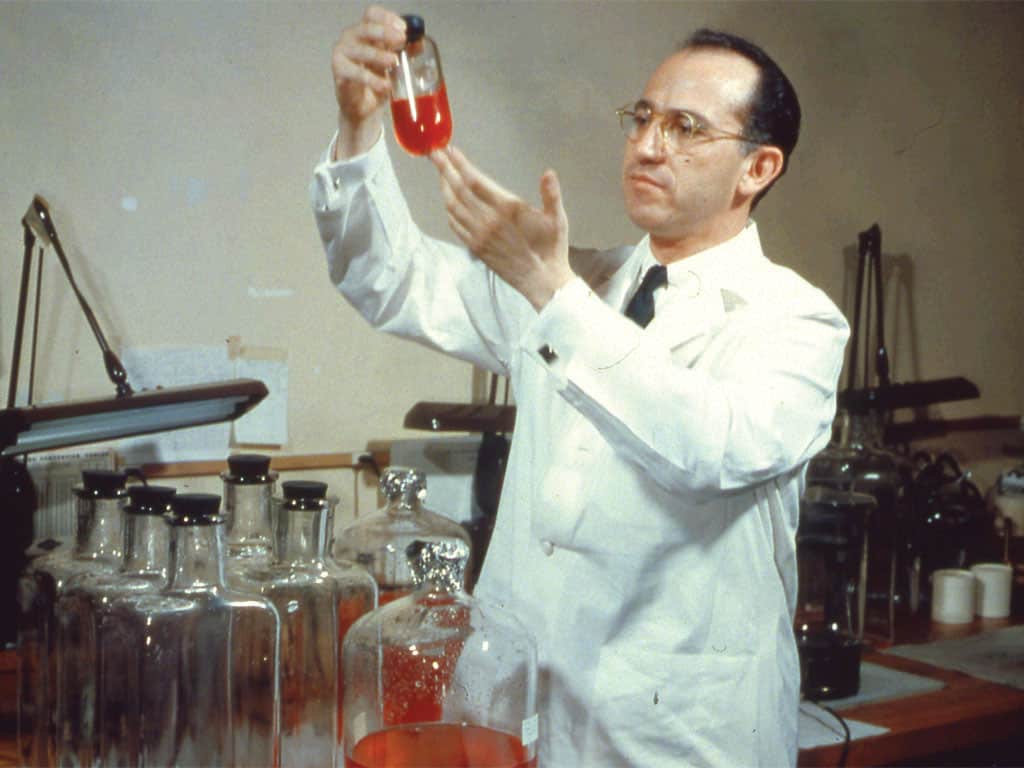
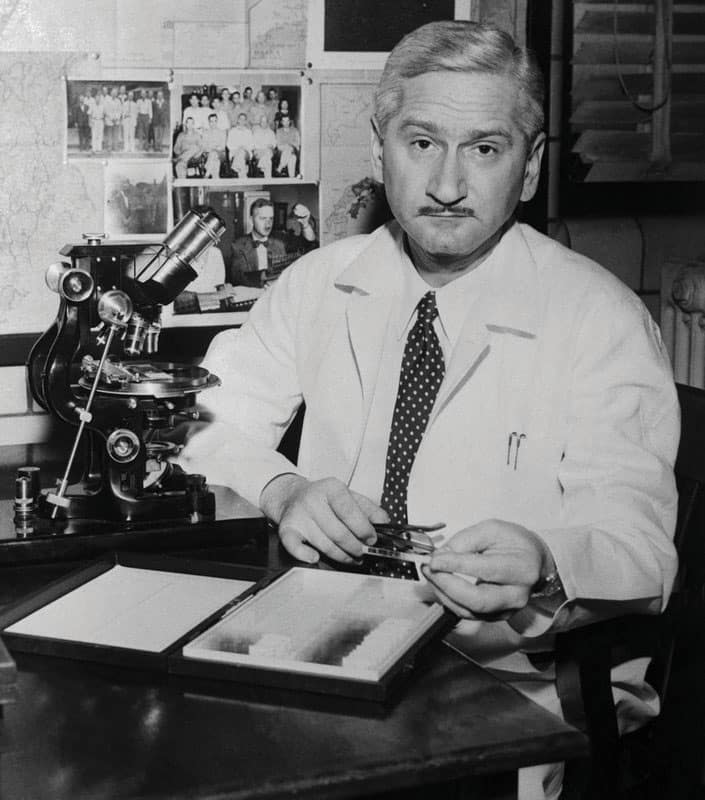 ALBERT SABIN (1906-1993) b. Bialystok, Poland. The polio eradicator.