The instability of the Arab Spring may have pushed a few more Israelis to be wishing they were not a part of the Middle East, but rather to think of Israel as the fifty-first U.S. state. The instability of the Romney campaign may have the Republican Jewish Coalition head Ari Fleischer and his entourage traveling 5,683 miles to Israel, more miles than there are potential American Republican voters which I estimate to be around 2,500, in Israel.
The Republican Jewish Coalition has created estimates that roughly 150,000 U.S. citizens and eligible voters are living in Israel, including many from key battleground states like Pennsylvania, Ohio, and Florida. So the RJC is organizing a registration drive in Israel.
The 2011 Statistical Abstract of Israel shows 154,000 originating from North America and Oceania, meaning primarily the U.S., Canada and Australia, of which 59 percent are Israeli-born, thus not likely to have registered to vote in the U.S. That leaves about 64,000 of which 86% are Americans, leaving 55,000, if similar rates of registration and voting occurs as in the U.S. for Jews, then about 81 percent would vote in the best case, which would leave 45,000.
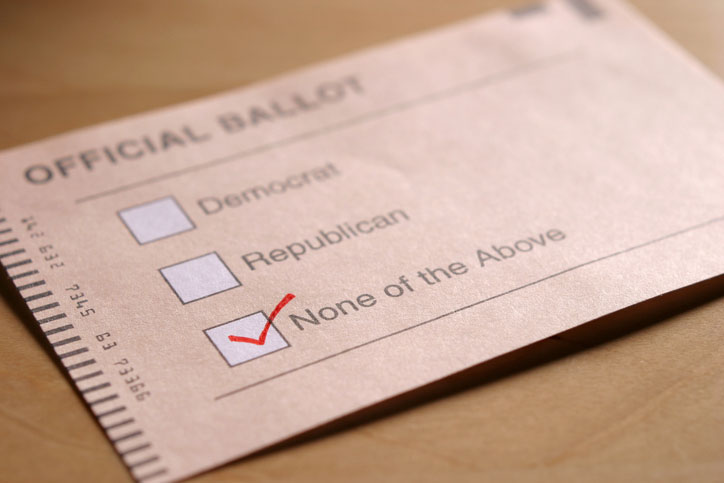
45,000 potential voters is optimistic because of another hurdle to voting. Americans don’t vote directly for U.S. president, we vote for Electors from each state. Therefore, American citizens ages 18 and older can register to vote. To register, voters must meet the residency requirements of their states, which vary, and comply with voter-registration deadlines.
It would take a truly rabid political Israeli American political animal to maintain after a number of years registration in their last state of residence. So if an optimistic 10 percent of Israeli Americans did so, only 4,500 might vote. Let’s say Israeli Americans buck the Democratic voter trend and half vote Republican, that translates to 2,500 potential votes for Romney.

Pini Herman, PhD. has served as Asst. Research Professor at the University of Southern California Dept. of Geography, Adjunct Lecturer at the USC School of Social Work, Research Director at the Jewish Federation of Greater Los Angeles following Bruce Phillips, PhD. in that position (and author of the “most recent” 15 year old study of the LA Jewish population which was the third most downloaded study from Berman Jewish Policy Archives in 2011) and is immediate past President of the Movable Minyan a lay-lead independent congregation in the 3rd Street area. Currently he is a principal of Phillips and Herman Demographic Research. To email Pini: pini00003@gmail.com To follow Pini on Twitter: Follow @pinih