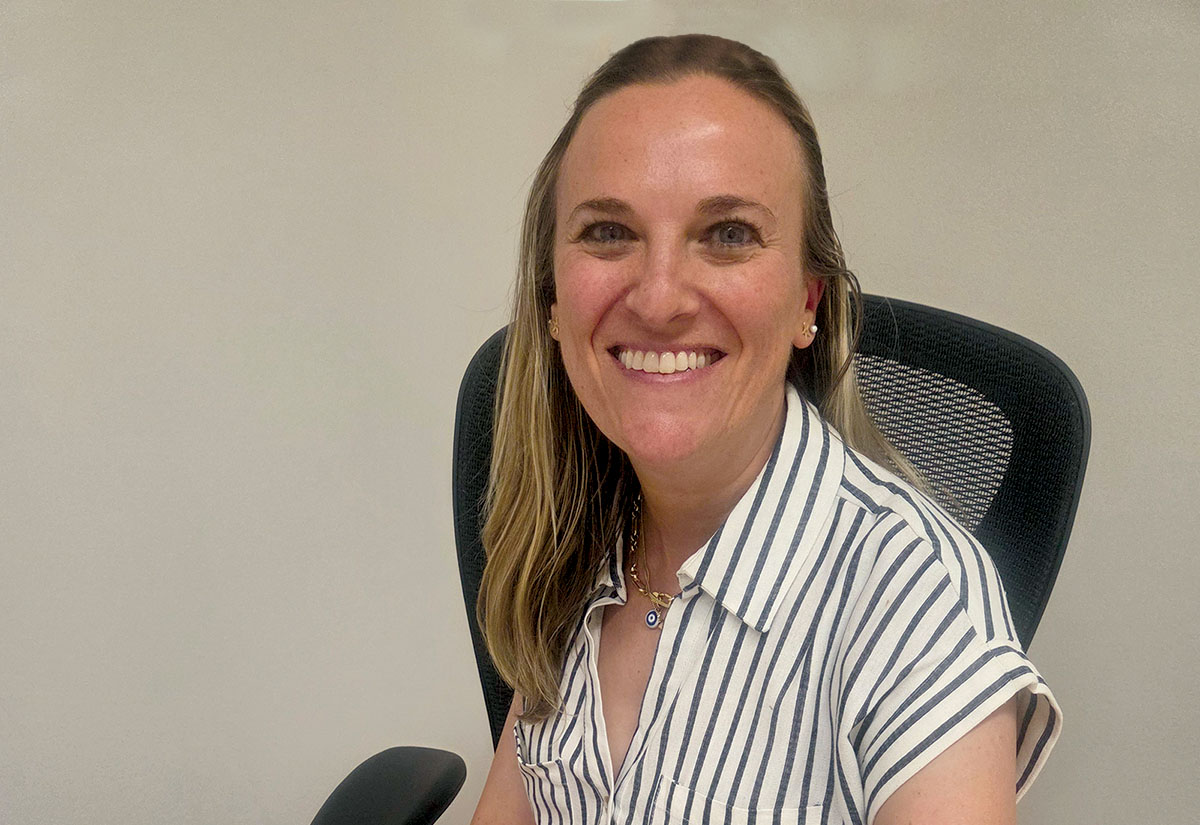

Women’s March leader Linda Sarsour said over the weekend that Muslims shouldn’t be humanizing Israelis, referring to Israel as the “oppressor.”
As reported by The Investigative Project for Terrorism and the Algemeiner, during the Islamic Society of North America (ISNA)’s conference, Sarsour declared that American Muslims “are complicit in the occupation of Palestinians, in the murder of Palestinian protesters” if they’re not actively promoting the Palestinian cause.
“If you’re on the side of the oppressor, or you’re defending the oppressor, or you’re actually trying to humanize the oppressor, then that’s a problem,” Sarsour said.
Sarsour added that Muslims who didn’t speak out were not patriotic:
“When I stand up here and I’m fighting for your rights and the rights of all people in these United States of America, I am a true patriot. And those of you who have fear in your hearts and don’t have the courage to stand up for your deen (religion), for your communities, for your religious institutions, for your children, that is not just a question of your patriotism. It is a question of your iman (faith).”
Simon Wiesenthal Center Associate Dean Rabbi Abraham Cooper told the Journal in a phone interview that Sarsour’s comments about humanizing the oppressor are what “you would associate… with Hamas.”
“You wouldn’t automatically associate such language on the part of someone who is touted as an elite spokesperson for women’s rights, equal rights in the United States,” Cooper said.
Cooper added that Sarsour’s comments likely stem from “desperation” due to recent global developments of Gulf Arabs having “unprecedented normal contact” with Israelis.
“This has nothing to do with making America a more inclusive and welcoming society,” Cooper said. “This is about recasting the values of our nation to fit her mindset and we can only hope that there will be more and more voices within the progressive leadership that denounce her.”
Sarsour has previously called Zionism “creepy” and that someone cannot be both a Zionist and a feminist, telling The Nation, “You either stand up for the rights of all women, including Palestinians, or none.” She also doesn’t believe in a two-state solution, as Sarsour is an advocate for a single Palestinian state.
Sarsour also made headlines recently for being arrested for disrupting Supreme Court nominee’s Brett Kavanaugh’s Senate confirmation hearing on Tuesday.