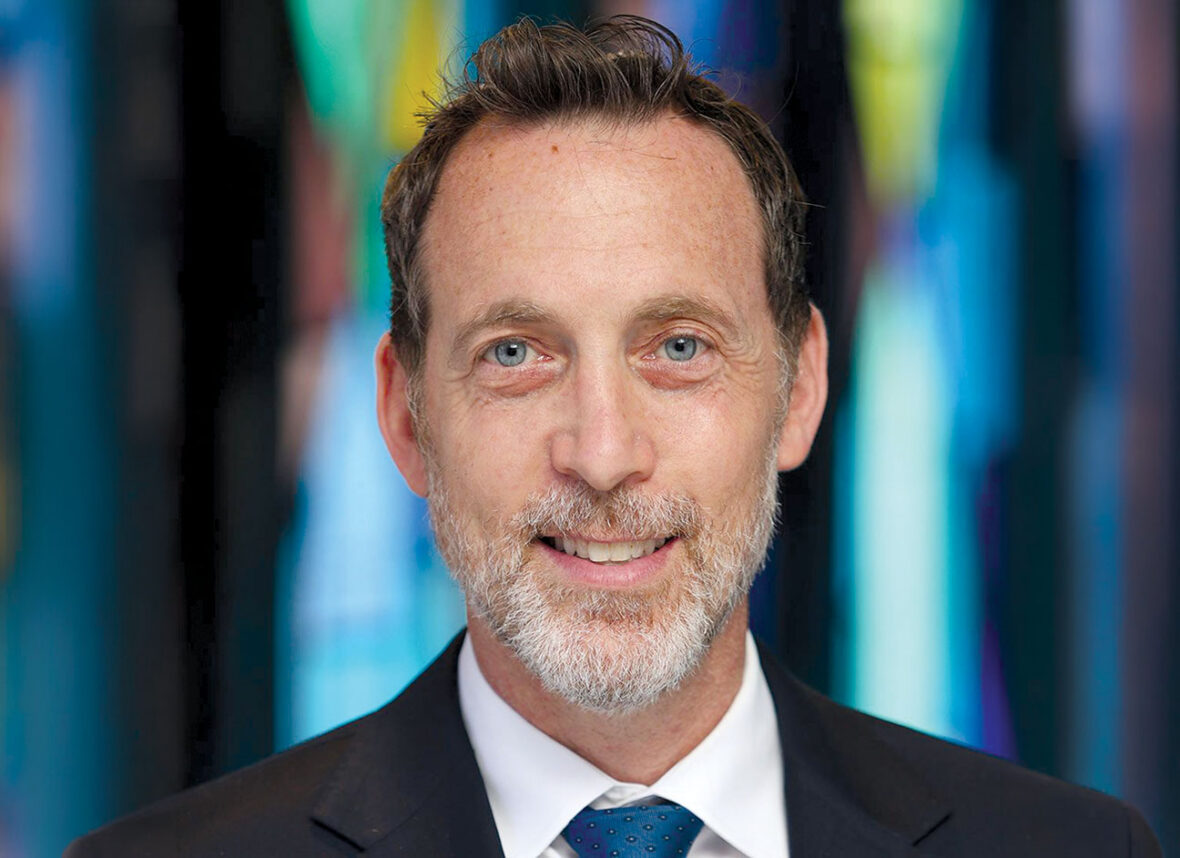
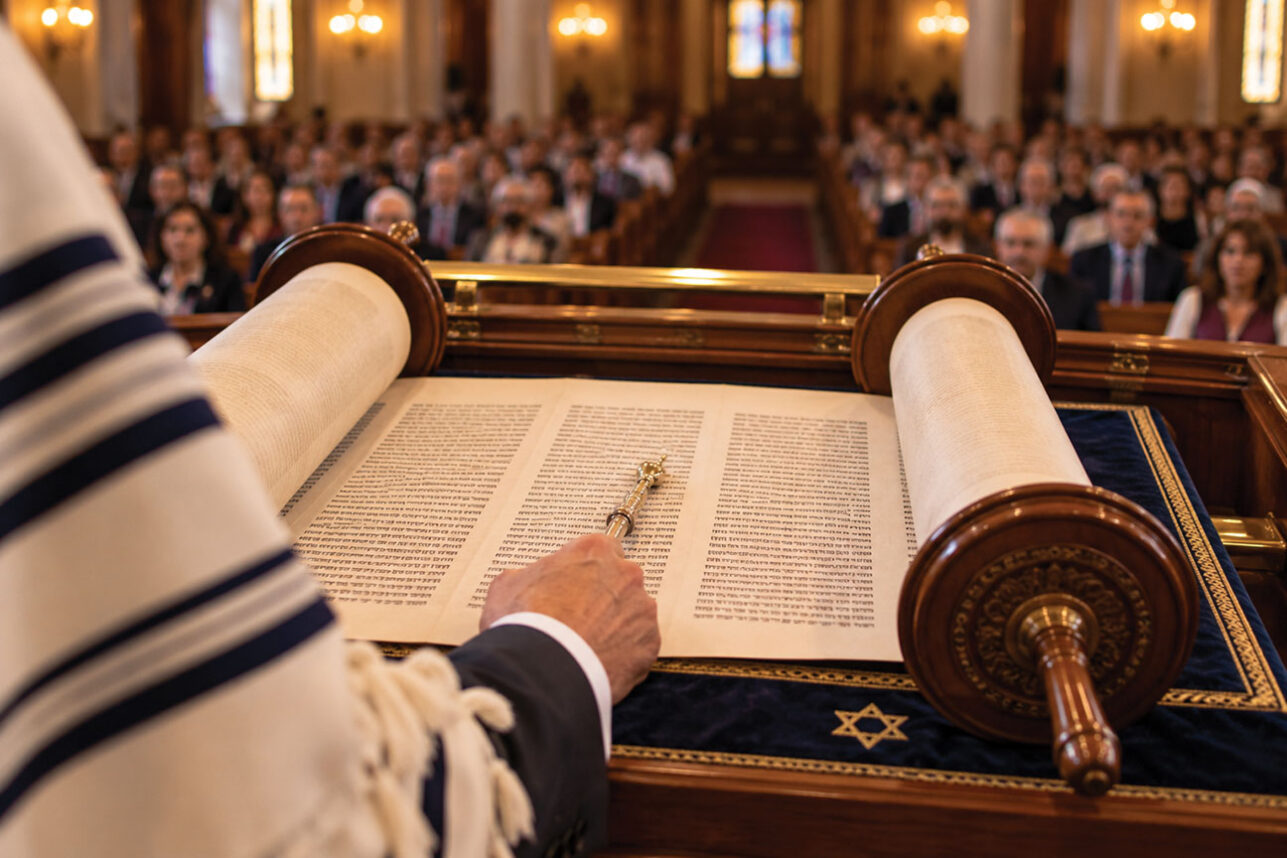
When Dean Ward was growing up in Brookline, Mass., his father, a beat cop, got him a job at a synagogue. For four or five years, as young Ward recalls, he’d mow the lawn and work in the coat room after school and over the summer.
It was there “that I got my appreciation for older people and Jewish humor,” he said over the phone from his home in Los Angeles. The result of that affection is “Let Me In, I Hear Laughter: A Salute to the Friars,” which will première on the Cinemax cable network Tuesday (Oct. 26) at 7 p.m.
Ward, 29, attended NYU film school and is more interested in writing screenplays than producing and directing documentaries. But this, he maintains, “was a labor of love.”
Ward says he was born at least two decades too late. He had an affinity for films of the mid-century, for the music of Frank Sinatra and Dean Martin. “I used to scour the TV Guide for when the old movies were on.”
The documentary was “an excuse to meet Milton Berle and Buddy Hackett and all the great old comics.” They didn’t disappoint. Ward recalls that he’d set up an appointment with Hackett, who clearly expected someone older. When he arrived at Hackett’s house, the comic exclaimed: “Wow, you’re a young schmuck.”
When he was introduced to Berle at the Friars Club, Uncle Miltie said: “He’s not Jewish. How did he get in here? Someone take him in the back to be sure he’s circumcised.”
There definitely is a Jewish influence to the club, Ward notes. “Without the Jewish comics, the club would be pretty much nonexistent.”
Ward remembers one moment he didn’t include in the documentary, during a roast for Mickey Rooney, where toastmaster Berle said: “You’re probably wondering why we’re roasting Mickey Rooney? It’s because we ran out of Jews.”
“Let Me In,” too, is filled with Jewish references. At a roast, Marilyn Monroe asks comic Jack Carter, “What’s shtick?”
Another comedian tells Berle, “When I go to Israel in your honor, I’ll have someone uproot a tree.”
Italian comic Pat Cooper says that “90 percent of the Jewish comics I know are shtarkers.”
In a phone interview, comic Freddie Roman, the New York Friars dean and president, says Jewish humor is at the heart of the famous Friars roasts. “There’s something innate in the Jewish personality that allows us to laugh at ourselves, no matter how miserable we are. We’ve carried that through the pogroms and through the Holocaust.”
The documentary also belies the conventional wisdom that the Friars is an old man’s club. It features interviews with a number of younger comics, including Jeffrey Ross. Ross, 33, grew up in Springfield, N.J. His father was a kosher caterer in Union, N.J. Currently, in addition to stand-up, he has the recurring role of Carl on “The Cosby Show.”
In a phone interview, he explained: “I walked in there a week ago, and there was Adam Sandler and Jon Lovitz. At another table, Alan King was there. That doesn’t feel old to me. That feels broad.
“I joined the Friars about five years ago. Somebody invited me to play poker, and I fell in love with the place. I love the tradition. I love the pictures on the wall. I love the restaurant. I love the vibe of it, the energy, the older comics, the younger comics. It made me feel like I was really in show business.
“I had lunch there yesterday. I eat matzo brei every time I’m there, with salami and onions. If I did that anywhere else, they’d look at me as if I was nuts. There, I am telling a waiter who speaks Spanish who tells a French cook — and nobody bats an eyelash.”
Curt Schleier writes from New Jersey.