By Inga Roizman
Not to be redundant, but there is so much power in words. We speak SO much; we don’t always know what we are saying. Carefully choosing the words we speak reflects mindfulness elevated to a high art…
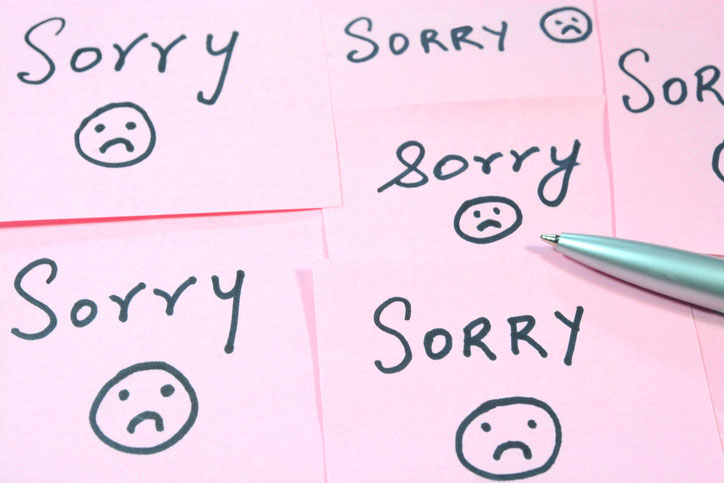
So much research has been done related to the power of words. The words we speak to ourselves have a monumental impact on not only our own lives, but also the world around us and to those we are connected to. I began thinking about the words I used to describing myself and the words I speak to others. I led a group today, which I started off by speaking about words, the negative and positive impact our words generate. Some words like “disgusted,” “unhappy” and “weary” are independently negative. When we attach these sorts of words to ourselves, they are no longer words, they are thoughts. These thoughts can become the place in which we function from and have authority over our well-being.
Interestingly, I learned later that in the group right before mine, the leader also opened up with, “Let’s talk about WORDS.” The clients thought this was very interesting, as did I. We both thought, “Why is this coming up now? What do we need to learn from this?”
The Client then told me a story about a heinous rape trial she had watched on a TV news channel. One woman was labeled a VICTIM at the bottom of the screen and another woman, who remained anonymous, was labeled SURVIVOR at the bottom of the screen. I thought this was a perfect example to illustrate my point, even though I’m not about to win a popularity contest by posting this. Both women had endured similar traumatic situations but each word tells a different story. Did the VICTIM remain visible on screen to perpetuate her story? Is this a public cry for love? Did the SURVIVOR want to tell the story simply to help other women who have been through a similar circumstance?
Who knows what the producers of the show were thinking and I know the point of the show was to NOT get this deep into how words influence us…
The word VICTIM needs sympathy, reassurance, justice and often revenge.
The word SURVIVOR needs nothing, is self-assured. The word SURVIVOR is triumphant.
…some people in the recovery programs refer to themselves as drug addicts and others say they’re in recovery. Two different things…
My lesson is to continue to examine my words, be mindful of the stories I tell about others as well as myself and continue to listen more to what is not being said. I will also think about the possibility of elevating this mindfulness practice just a little bit more.