fbpx

Rosner’s Torah-Talk: Parashat Ha’azinu with Rabbi Sivan Malkin Maas

[additional-authors]
September 24, 2014

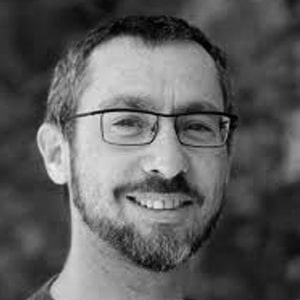
Our guest this week is Rabbi Sivan Malkin Maas, Dean of the International Institute for Secular Humanistic Judaism. Rabbi Maas is the first Israeli rabbi ordained by the International Institute for Secular Humanistic Judaism in 2003. In addition to serving as Dean of Tmura-IISHJ in Jerusalem, she is also director of “The Secular Library,” publishing works on Judaism as culture, and president of “Secular Judaism,” a coalition of Secular Humanistic projects and organizations in Israel. She has previously run the Jerusalem “Nachlavia” community council and served as a Jewish Agency emissary to the Jewish Federation of Metropolitan Detroit.

This week's Torah portion – Parashat Ha'azinu (Deuteronomy 32:1-32:52) – features a prophetic poem which foretells the future of the Jewish people. Moses begins the oracular poem by calling the sky and the earth to listen to his prophetic warnings and he tells the story of how Israel has strayed from the ways of the lord, contrasting God's kindness and justness with Israel's corruption and tendency towards sin. He then stresses that following the misfortunes that will befall them due to their sinning, there will be a time when God will reconcile with his people and avenge their enemies. The Parasha concludes with God instructing Moses to climb up to mount Nevo from which he will see the Promised Land before his death. Our discussion focuses, among other things, on the optimistic and life affirming message in the final words of Moses.

If you would like to learn some more about Parashat Ha'azinu, check out our conversation with Rabbi Gidon Rothstein.


 

Did you enjoy this article?
You'll love our roundtable.

Editor's Picks

Latest Articles

Post-Passover Pasta and Pizza

What carbs do you miss the most during Passover? Do you go for the sweet stuff, like cookies and cakes, or heartier items like breads and pasta?

Freedom, This Year

There is something deeply cyclical about Judaism and our holidays. We return to the same story—the same words, the same questions—but we are not the same people telling it. And that changes everything.

A Diary Amidst Division and the Fight for Freedom

Emma’s diary represents testimony of an America, and an American Jewish community, torn asunder during America’s strenuous effort to manifest its founding ideal of the equality of all people who were created in the image of God.

More than Names

On Yom HaShoah, we speak of six million who were murdered. But I also remember the nine million who lived. Nine million Jews who got up every morning, took their children to school, and strove every day to survive, because they believed in life.

Gratitude

Gratitude is greatly emphasized in much of Jewish observance, from blessings before and after meals, the celebration of holidays such as Passover, a festival that celebrates liberation from slavery, and in the psalms.

Freedom’s Unfinished Journey

The seder table itself is a model of radical welcome: we are told explicitly to invite the stranger, to make room for those who ask questions and for those who do not yet know how to ask.

Thoughts on Security

For students at Jewish schools, armed guards, security gates, and ID checks are now woven into the rhythm of daily life.

Can Playgrounds Defeat Antisemitism?

The playground in Jerusalem didn’t stop antisemitism, and renovating playgrounds in New York City is not likely to stop it there, either — because antisemitism in America today is not rooted in a lack of slides or swings.

More news and opinions than at a Shabbat dinner, right in your inbox.