fbpx

November 2, 2025

Definitely NOT a Hebrew Hillbilly

What is it with vice presidents of the United States when they visit college campuses and are asked almost anything about Israel? They end up as tongue-tied as Coldplay’s frontman, Chris Martin, at Wembley Stadium. He welcomed two Israeli teenage girls on stage and then succumbed to this brain freeze: “I am treating you as equal humans on earth, regardless of where you come from.”

The rock star mercifully decided to treat the girls as human beings even though, as Israelis, they were undeserving of Homo sapiens status.

When Kamala Harris, as vice president, visited George Mason University in 2021, a burqa-clad female railed against Israel’s “ethnic genocide and displacement of [her] people.” Harris replied, “Your voice, your perspective, your experience, your truth cannot be suppressed, and it must be heard.”

In 2024, while making a campaign stop at the University of Wisconsin, a male student heckled, “The billions of dollars in genocide you invested in.” As he was ushered out of the auditorium, she replied, “Listen, what he’s talking about, it’s real. It’s real. . .. [A]nd I respect his voice.”

So, on two separate occasions, Harris conceded on college campuses that it was both “true” and “real” that Israel was committing genocide against the Palestinian people—both before and after October 7, 2023. Furthermore, the United States should stop supplying military weapons to a democratic ally that happens to be fighting the same War on Terror that we joined after 9/11.

Would she have us stockpile Hamas, Hezbollah and the Houthis, instead?

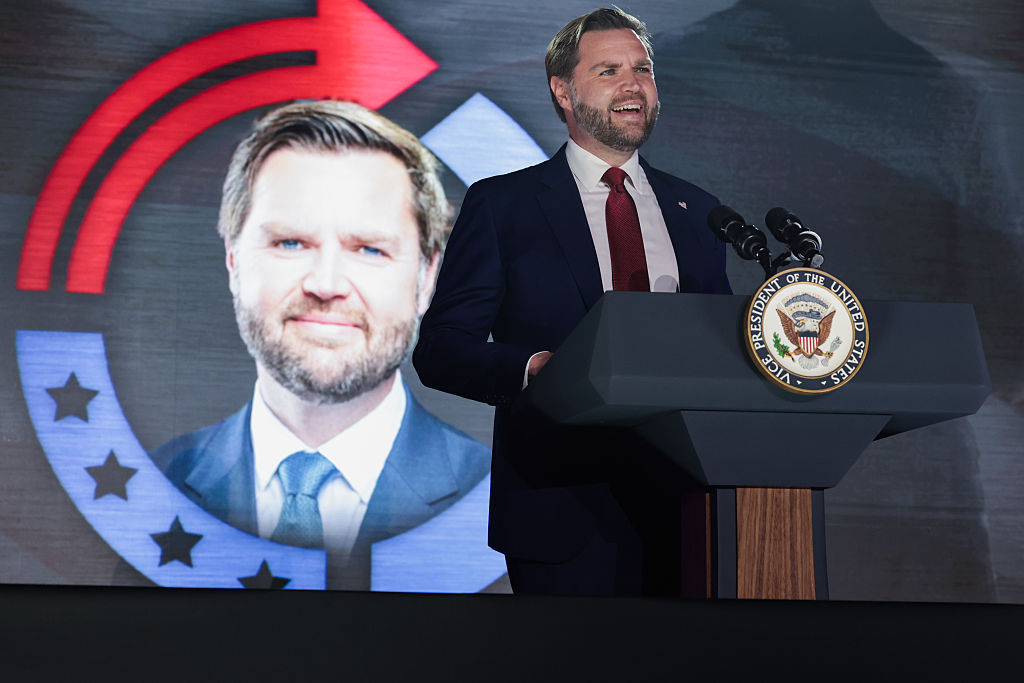
Last week, at a Turning Point USA rally at the University of Mississippi, Vice President JD Vance entertained a question from a man wearing a “Make America Great Again” baseball cap and an “Ole Miss” hoodie. He said: “I’m a Christian man and I’m just confused why that there’s this notion that we might owe Israel something or that they’re our greatest ally or that we have to support this multi-hundred-billion-dollar foreign aid package to Israel to cover this — to quote Charlie Kirk, ethnic cleansing in Gaza. … [N]ot only does their religion not agree with ours but also openly supports the prosecution of ours.”

He received decent applause from a student body that knew even less than he did.

Where to start? A Christian should not support the only Jewish nation even though Christ was once a Jew and Israel painstakingly preserves all the holy sites where Christ once walked and preached?

The foreign aid package is approximately $3.3 billion each year, not “multi-hundred-billion dollars.” It represents less than five percent of America’s entire annual foreign aid. Israel purchases its weapons from American military defense contractors, based on Israeli technology. That means that aid to Israel supports America’s economy and its high tech defends America’s homeland.

Charlie Kirk never once accused Israel of genocide. Judaism may not agree that Jesus Christ is the Messiah, but Judeo-Christian values serve as bedrock principles of Western civilization and democratic liberalism. Islam, by contrast, is engaged in a forever war with Judaism and Christianity. Finally, in the United States, the solidarity between Christians and Jews is ironclad, but where, exactly, on Earth are Jews “prosecuting” Christians?

Judaism may not agree that Jesus Christ is the Messiah, but Judeo-Christian values serve as bedrock principles of Western civilization and democratic liberalism. Islam, by contrast, is engaged in a forever war with Judaism and Christianity.

Ole Miss needs to get this young man a tutor, and fast. And Vance could have dispatched the incoherent argument he was making quite easily.

Instead, the Vice President responded: “[W]hen the president of the United States says, ‘America First,’ that means he pursues the interests of Americans first. … Sometimes [Israel doesn’t] have similar interests to the United States.”

The implication is that the president forced Israel into accepting the Gaza Peace Plan—proving that Israel doesn’t control the United States. Indeed, Trump leveraged Israel to act against its own interest.

On the matter of Christianity and Judaism somehow being in conflict, Vance noted, “One thing I really, really care about is the preservation of the Church of the Holy Sepulchre in Jerusalem. … My attitude is if we can work with our friends in Israel to make sure that Christians have safe access to that site, that’s an obvious area of common interest.”

Apparently, that’s his best response to a blitz of falsehoods from a hooded student who was as brainless and Jew-hating as anyone from the Klan.

He could have said: “This administration believes that America First requires a strong Israel to serve as our military proxy in the region. Israel keeps America safe. We spend far more on other countries that do nothing to enhance our national security. As for the Church of the Holy Sepulchre, when Jordan occupied Jerusalem from 1948-67, the Arabs treated the church like a toilet.”

Such a response would have drawn a louder applause than the inane, ill-informed audience reaction that preceded it.

Chris Martin has a very fine melodic voice, but he’s a moron. Kamala Harris has an awful voice, but a knack for word salads. Composing intelligible sentences is a moonshot for them. Perhaps their inner antisemites get awakened, too.

Vance, however, has no excuse for what he failed to say. He is a Yale-educated lawyer and the author of the memoir “Hillbilly Elegy,” which dissected the social pathologies within America’s white rural communities. Public speaking—tapping into his facility with language—is his greatest asset. He surely knew how Secretary of State Marco Rubio, America’s Ambassador to Israel Mike Huckabee, and Senators Ted Cruz, Tom Cotton, Lindsey Graham, and Jon Fetterman would have stridently defended Israel.

(Democrats, hopelessly, have no elected or appointed officials who know how to properly defend the Jewish state.)

If Vance chose to remain silent in such a large and televised public setting, then either he doesn’t believe Israel is an essential American ally, or he felt compelled to appease an audience partial to Christian pieties and anti-globalist protocols.

That MAGA demographic tends to take its isolationist, antisemitic cues from Tucker Carlson, who is a wildly enthusiastic Vance booster. A fringe movement within the Republican Party, they have neither the critical mass nor comparable electoral clout as the progressive left and their Islamist fellow travelers.

Last week Carlson welcomed insidious Holocaust denier Nick Fuentes to his podcast. They shamelessly basked in their mutual hatred of Jews—disguised as anti-Zionism. Kevin Roberts, president of the Heritage Foundation, the influential conservative think tank, took to social media to defend Carlson’s anti-Israel diatribes and association with Hitler apologists.

Last week Carlson welcomed insidious Holocaust denier Nick Fuentes to his podcast. They shamelessly basked in their mutual hatred of Jews—disguised as anti-Zionism.

Elsewhere, stepping up in Christian class, the Catholic Church’s Pope Leo condemned antisemitism and affirmed the Church’s religious duty to safeguard Jews from persecution. The occasion for such solidarity was the 60th anniversary of the Second Vatican Council—the Nostra Aetate, which mandated that blaming Jews for killing Christ was no longer gospel.

It’s best to pay attention to the Pope over the blasphemy of a Tucker Carlson fanboy. Vance should heed that advice.

Students poisoned by Marxist, Qatari-funded professors are already bad enough.


Thane Rosenbaum is a novelist, essayist, law professor and Distinguished University Professor at Touro University, where he directs the Forum on Life, Culture & Society. He is the legal analyst for CBS News Radio. His most recent book is titled, “Beyond Proportionality: Israel’s Just War in Gaza.

Definitely NOT a Hebrew Hillbilly Read More »

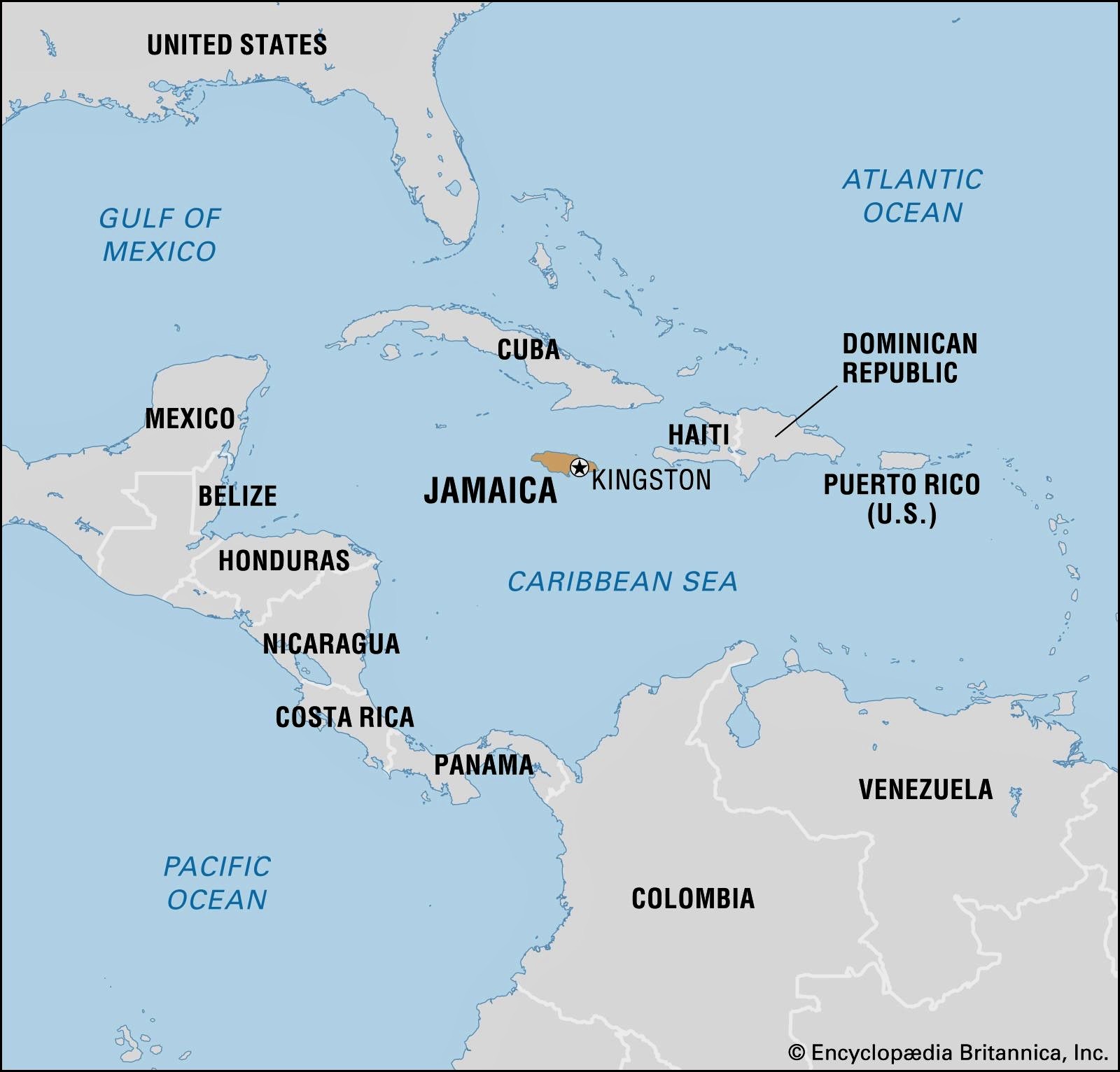
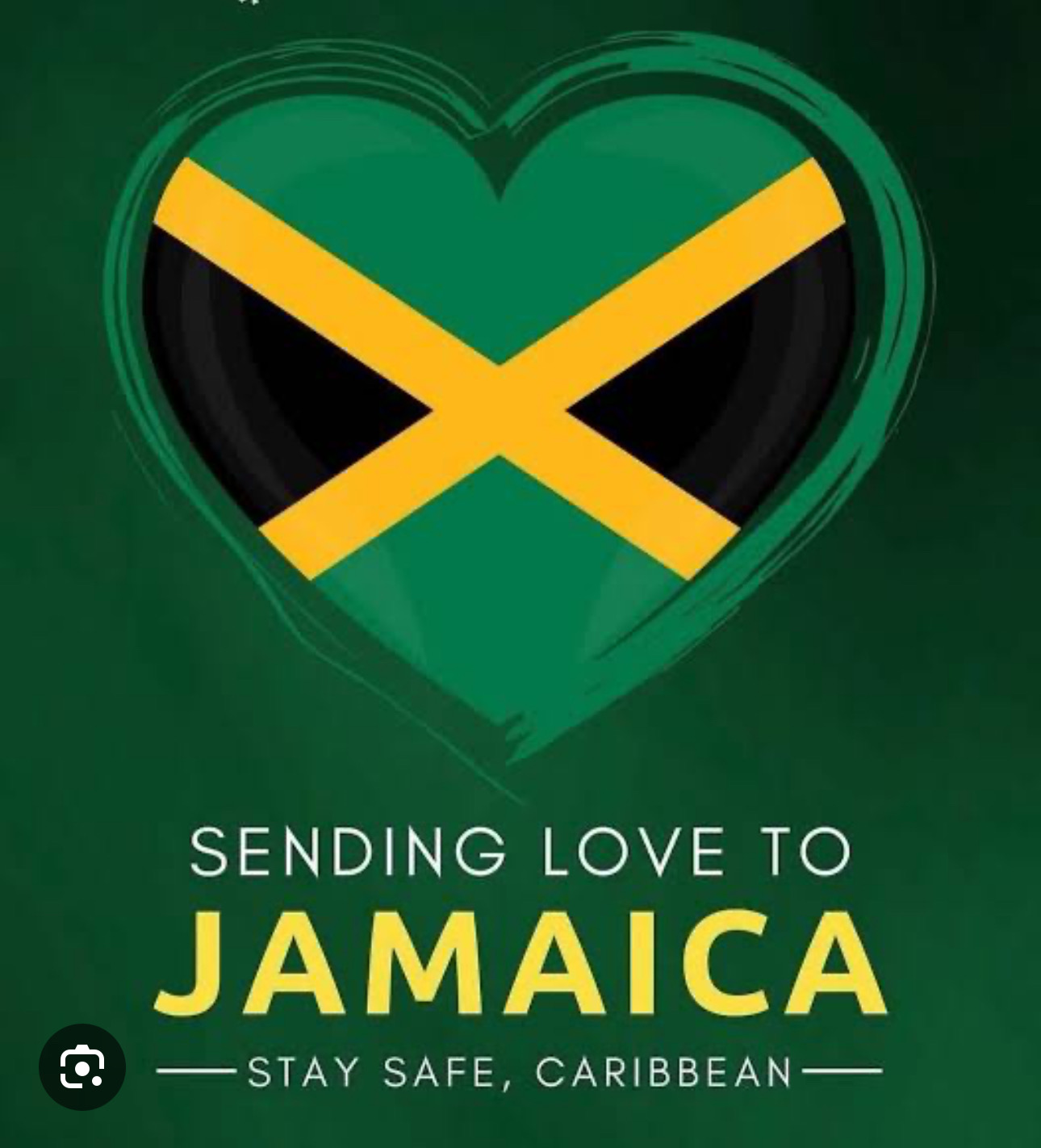
Supporting Jamaica After Hurricane Melissa

I grew up in California, where natural disasters arrived without warning. Earthquake drills were part of school life — duck under the desk, hold on, wait it out. There was never a countdown, never preparation, never time to anticipate. Earthquakes simply happen. So when I went to the University of Pennsylvania and experienced Hurricane Gloria in September 1985 during my freshman year, it was my first introduction to the build-up of a storm. Gloria was described then as the “storm of the century,” the first major hurricane to directly threaten the Northeast in decades. There were announcements for days: It’s forming. It’s strengthening. It’s moving north. And yet, by the time Gloria reached Philadelphia, it had weakened to heavy rain — torrential, joyful, dramatic rain. The campus quad flooded into shallow rivers, the kind you splash through without care. I remember being outside in my flip-flops and raincoat, laughing with new friends, dancing in the downpour. It was my first East Coast hurricane — and it felt like adventure, like belonging, like the beginning of a life unfolding. But storms aren’t always like that. A few years later, I was living in San Francisco when the Loma Prieta earthquake struck on October 17, 1989 — the night of the World Series between the Giants and the A’s. It was my roommate’s birthday. Mine was the next day. We were supposed to go out to dinner. Instead, the ground convulsed. A magnitude 6.9 earthquake. The Bay Bridge collapse. Buildings damaged. The city stunned. The timing of the World Series meant many people were already home watching the game — an odd grace that prevented further loss. That night, instead of celebrating, we were outside with neighbors, lighting candles on the street because the power was out, checking in on each other. Sharing what we had. Making sure everyone was accounted for. That is where I learned something I still believe: Disaster reveals community. We help who is in front of us. Start where you are.
Years later, working for Club Med in Eleuthera, Bahamas, I felt that truth again when Hurricane Bertha approached in July 1996. We threw the pool furniture into the pool so it wouldn’t become airborne. We taped windows. I walked the property to reassure guests — speaking Spanish as steadily as I could, even as I was afraid myself. And then came the announcement: The airport is closed. No one leaves now. There is a very specific kind of stillness when an island is your whole world and the storm is coming to meet it. You face it together.
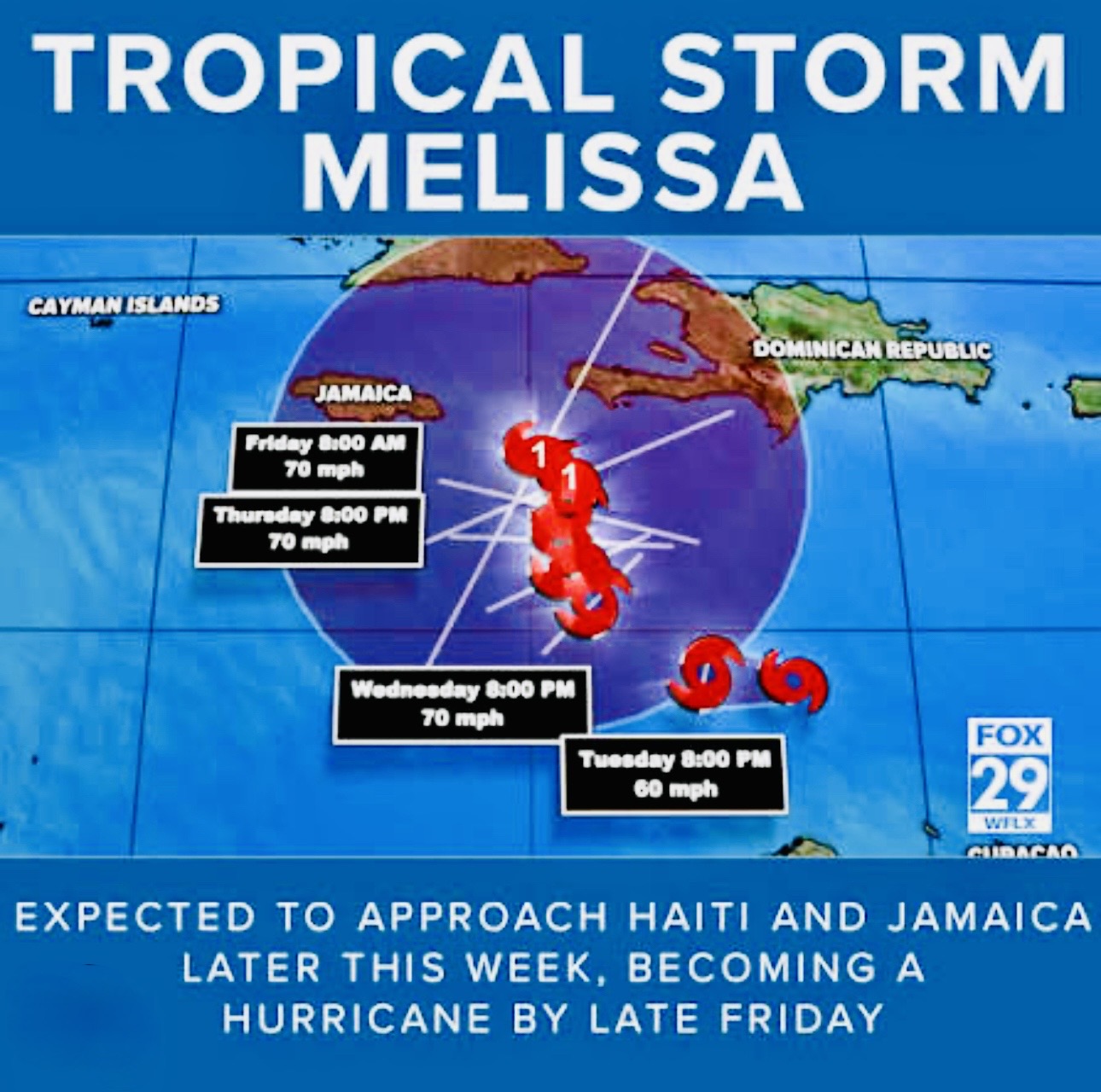
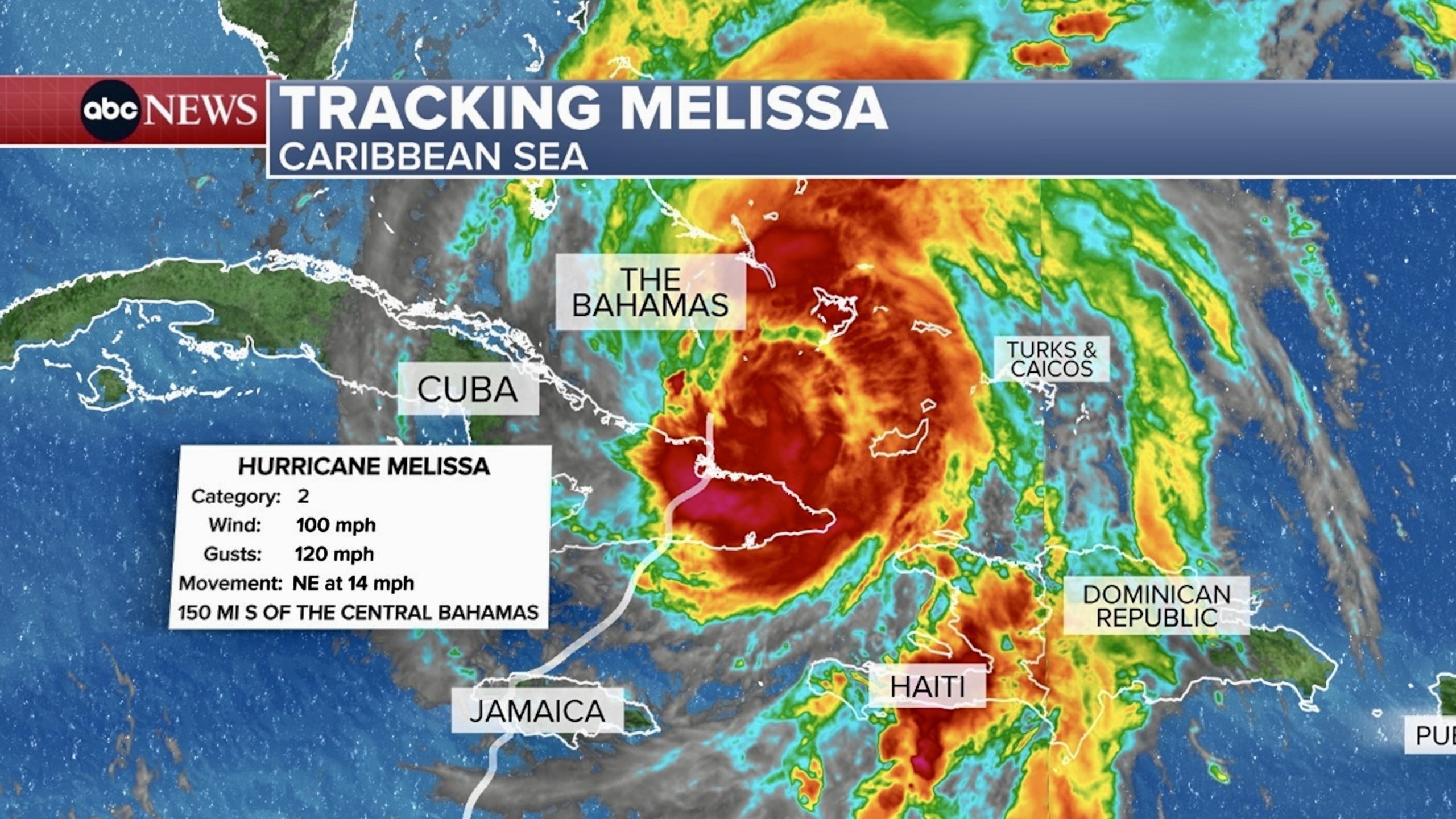
Last week, while sailing west of Hurricane Melissa on the NCL Escape, I felt that memory return. I watched as the storm approached, airports closed, and communities braced. I remembered the feeling of not knowing. And I remembered the feeling of what comes after. Because storms end — and rebuilding begins. And Jamaica is already rebuilding. With strength. With community. With partnership.

Click to see post by Adam Stewart, CEO of Sandals Resorts, about Jamaica


Two organizations I trust are already on the ground providing relief:

Sandals Foundation — Hurricane Melissa Relief Mission

The philanthropic arm of Sandals Resorts, The Sandals Foundation, has activated its Hurricane Melissa Relief Mission with one hundred percent (100%) of every dollar going directly to the organization’s emergency response efforts. Working hand-in-hand with on-the-ground officials across Jamaica to help those most in need. Make a donation at www.sandalsfoundation.org and select ‘Relief Mission’. No donation is too small. Every contribution makes a meaningful difference and helps families and communities recover. Created in 2009, The Sandals Foundation, a 501(c)-(3) non-profit organization, is dedicated to positively impacting the lives and communities across the Caribbean, under three key pillars: the environment, community, and education. Donate: www.sandalsfoundation.orgRelief Mission No donation is too small. Every act of giving becomes part of rebuilding. I have personally seen and written about the Sandals Foundation and stayed with both Sandals Resorts and Beaches Resorts in Jamaica and Turks and Caicos. Read my article about Sandals Foundation here and see some of their incredible properties in my article here. More about Montego Bay, Beaches Turks and Caicos, and serenity in the islands.

Sandals Foundation on Instagram


IsraAID

IsraAID, an Israeli humanitarian relief organization that responds to crises around the globe is already in Jamaica coordinating relief, delivering immediate support, and planning long-term recovery efforts. They are known for showing up early — and staying long after the headlines move on. I was fortunate to hear a presentation about their incredible work at my synagogue, Stephen Wise Temple. From the Jamaica Observer, “The damage we’re seeing from Hurricane Melissa is devastating, and IsraAID is committed to standing with affected communities at this critical moment,” said Michal Bar, IsraAID’s senior director of emergency operations. “Communities in southwest Jamaica were severely impacted by Hurricane Beryl just last year and are now experiencing destruction on a whole new scale.” Bar added that IsraAID would work closely with local partners to assess urgent needs and support access to clean water, hygiene supplies, and child protection services. Donate: https://www.israaid.org/donate/

Noa Tishby about IsraAID on Twitter:


When I was a freshman dancing in the rain, I didn’t yet understand storms. Now I know: Storms change us. But so does how we show up afterward. Jamaica is strong. And strength grows when we show up for one another. If you’re wondering how to help — just start where you are.
Image by Miami Carnival

Supporting Jamaica After Hurricane Melissa Read More »

The Lessons We Were Taught and the Ones Being Forgotten

I’ve known the author of The Forward’s recent column endorsing Zohran Mamdani for nearly forty years. We attended the same Jewish day schools in Philadelphia, where we were taught by many of the same remarkable and principled teachers who drilled into us demanding lessons: that to be Jewish is to balance justice with responsibility, compassion with survival, and belonging with self-respect.

In our Akiba Hebrew Academy classrooms, we studied the prophets beside photographs of Auschwitz and maps of Israel—lessons written not in theory but in blood. We were taught that justice without memory is moral vanity, and that Jewish survival is itself a sacred obligation. We debated Amos and Isaiah in the same rooms where Holocaust survivors told us what happens when a people mistakes passivity for righteousness. It was not abstract. It was living memory, handed down with trembling voices.

Reading that Forward column, I couldn’t help thinking how far we’ve drifted from that equilibrium.

The writer described sitting in synagogue on Kol Nidrei night beside a candidate who has called Israel an apartheid state and refuses to recognize the legitimacy of a Jewish state and described that moment as “spiritual,” “safe,” even “at home.”

I don’t doubt her sincerity. But spirituality is not the same as moral seriousness. And Jewish safety has never depended on proximity to fashionable politics. It depends on clarity, memory, and the courage to see reality as it is, not as we wish it to be.

Our shared Philadelphia education taught us to question, to test, to verify. It taught that truth matters more than comfort and that disagreement, done seriously, is itself a form of devotion. The Forward essay offers the opposite: feeling as moral proof. Pain and empathy are elevated to the level of argument. “He showed up” at Lab/Shul in Manhattan, the writer essentially says of Mamdani, as if presence alone were virtue. But the Jewish tradition is not sentimental; it’s exacting. The prophets didn’t merely show up; they spoke hard truths, often against their own allies.

Since when did it become radical for Jews to defend the right of the Jewish people to exist in their ancestral homeland? Since when did empathy mean erasing our own history? There is a profound moral difference between compassion and complicity, between listening to pain and mistaking those who inflict it for partners in healing.

When a candidate declares he would not recognize any state “based on race or religion,” we have an obligation to ask what that means for the only Jewish homeland on earth. When a movement excuses violence against Jews as “resistance,” we cannot confuse that with moral courage. And when Jewish voters, out of fatigue or fashion, look away, we risk repeating the very history our schools drilled into us never to forget.

Even New York’s most measured Jewish leaders are now acknowledging that line has been crossed. Rabbi Angela Buchdahl of Central Synagogue—long admired for her inclusiveness and reluctance to engage in partisan fights—recently stated that Mamdani’s 2023 remark that the NYPD’s “boots are laced by the IDF” “crosses the line clearly into antisemitism.” “I fear living in a city,” she added, “where anti-Zionist rhetoric is normalized and contagious.”

Her warning was important and overdue. Just days earlier, I wrote in The Algemeiner about how some of New York’s largest synagogues, including Central, were retreating into neutrality even as antisemitic rhetoric from political figures intensified. The piece’s title captures the dilemma perfectly: “New York Synagogues Speak of Courage — But Then Retreat in Fear.”

Buchdahl’s subsequent statement matters. It shows that even those who tried to remain above the political fray have now seen the danger plainly: that what once seemed like performative radicalism has hardened into something genuinely threatening. Her words reflect what many Jews have been whispering privately for months—that what masquerades as progressive critique has curdled into something darker.

It also reveals how fear operates in polite Jewish society: the fear of seeming divisive, the fear of being labeled intolerant, the fear of losing our welcome in elite civic life. But Jewish history teaches that fear disguised as civility is how moral erosion begins. Courage means speaking before the danger feels safe to name.

This is not about politics. It’s about proportion, memory and moral clarity. Our teachers made us read Amos and Isaiah not because they were progressives before their time, but because they bound justice to covenant, compassion to discipline, and freedom to law. They understood that unmoored empathy easily becomes self-righteousness. The generation that survived exile and persecution built Israel not as a metaphor but as a necessity. To call that project unjust is not prophetic; it’s amnesiac.

Since Oct. 7, the stakes have only grown clearer. The images from southern Israel—families murdered, children taken hostage, kibbutzim burned—were a brutal reminder that Jewish vulnerability is not a relic of the past. Yet even as antisemitism surges to levels unseen in decades, many of our own institutions still hesitate to say plainly what is happening. Too many synagogues and Jewish leaders have traded moral voice for moral vagueness. They issue statements of “complexity” when what the moment demands is courage.

I do not doubt that my former schoolmate means well. She, like many younger Jews, longs for moral simplicity in a brutal, confusing time. The trouble is that simplicity in Jewish life is almost always a form of surrender. Our tradition insists on tension, between universalism and particularism, peace and defense, the stranger and the self. To dissolve that tension by romanticizing our critics is to abandon the intellectual honesty that Judaism at its best demands.

Our tradition insists on tension, between universalism and particularism, peace and defense, the stranger and the self.

As Rabbi Jonathan Sacks reminded us, “The test of faith is whether I can make space for difference,” but he also taught that Jewish life demands “the courage to be different.” We are failing that second test.

Yes, we should listen to the pain of those suffering in Gaza. Yes, we should question Israeli policies and expect our leaders to act ethically. But we must also remember who we are—a people repeatedly targeted for erasure, now expected to apologize for existing. Compassion must never mean complicity in our own delegitimization.

The applause that “roared” and filled that Manhattan synagogue on Kol Nidrei may have felt redemptive to some. To me it sounded like confusion, the sound of a community mistaking moral performance for moral purpose. Jewish education once equipped us to distinguish between the two. I worry that, in the name of progress, that discipline is disappearing.

And this confusion is not limited to Jewish life. Across American civic life, we are replacing conviction with display, moral labor with moral theater. Universities, corporations, and cultural institutions all prize affirmation over argument and feeling over fact. But for a people who learned survival through memory, that confusion is especially perilous.

For centuries, Jews survived because we refused to surrender to the moral fashions of the day. We knew that identity untethered from history dissolves into sentimentality. We knew that faith requires discipline, not applause. Our survival has always depended on skepticism, debate and the courage to stand apart when the crowd demanded conformity.

The danger today is not only external; it’s internal. Too many Jews, weary of conflict and desperate to belong, have begun to treat moral clarity as impolite and Jewish self-defense as a kind of chauvinism. That is not humility; it is historical amnesia.

I still believe in the lessons we were taught in those Philadelphia classrooms: that truth matters more than applause, that empathy without memory is sentimentality, and that a Jewish conscience must be tethered to Jewish survival. The Forward essay treats those lessons as obstacles to overcome. I see them as the only things standing between us and the moral confusion of our age.

Applause fades. Memory endures. Our future depends on which we choose to follow.


Samuel J. Abrams is a professor of politics at Sarah Lawrence College, a senior fellow at the American Enterprise Institute, and a scholar with the Sutherland Institute. 

The Lessons We Were Taught and the Ones Being Forgotten Read More »