How Did Kabbalah Begin?
How Did Kabbalah Begin? Read More »
Media companies have become so driven by ratings and clickbait that they’re having a hard time covering political news that doesn’t involve partisan food fights — even when that news involves saving our planet.
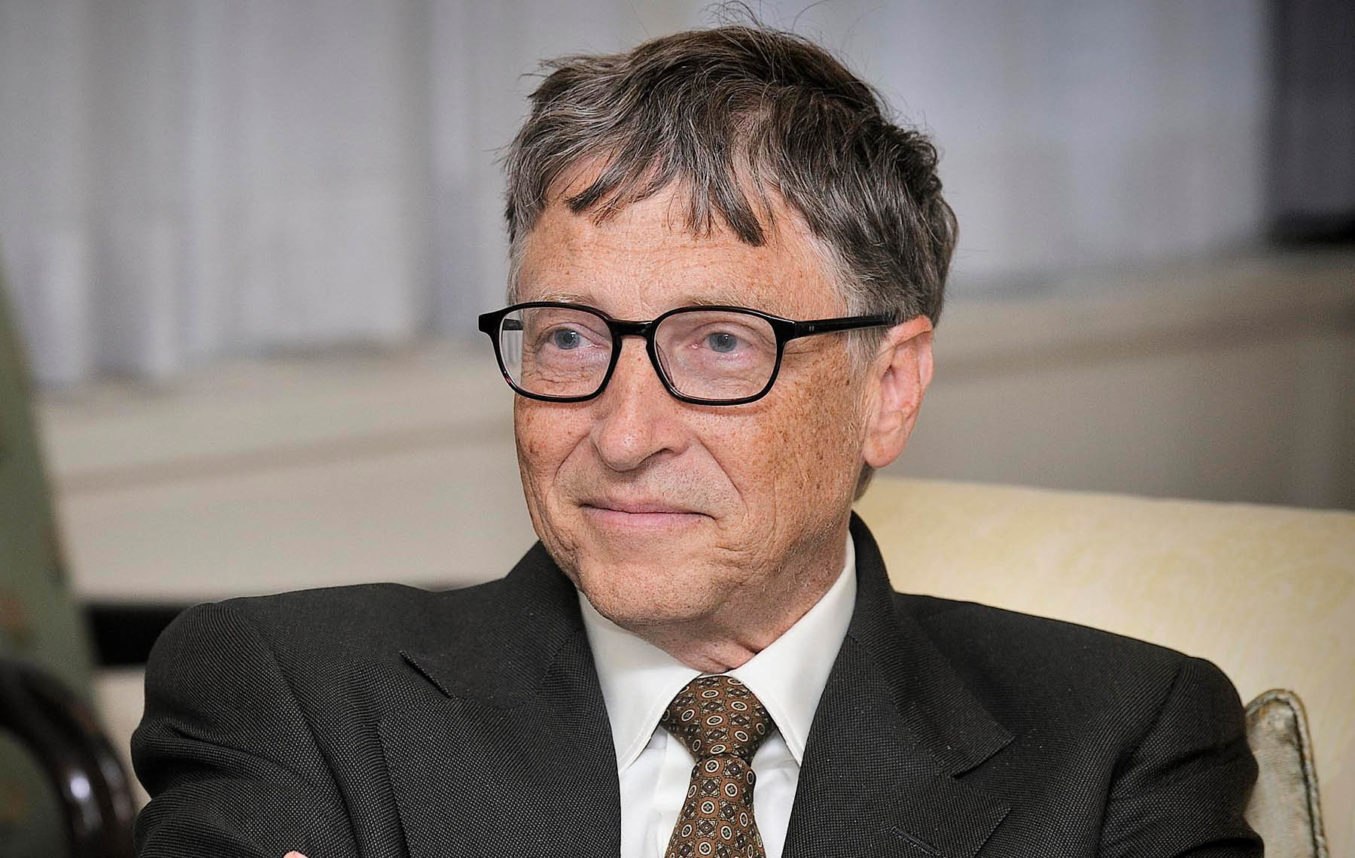
Take, for example, the news last week that a bipartisan group of U.S. Senators introduced legislation to support a potential breakthrough against global warming. Who noticed? I couldn’t find anything in The New York Times or on CNN, but I did see a tweet from someone who cares deeply about the sustainability of our planet, Bill Gates.
On Thursday, Gates tweeted:
“Yesterday, a bipartisan group of leaders in the U.S. Senate introduced the Nuclear Energy Leadership Act, which establishes an ambitious plan to accelerate the development of advanced nuclear reactor technologies. I can’t overstate how important this is.”
Gates was referring to a bill that would promote next-generation nuclear power, which he feels so strongly about that he promised lawmakers he’d invest $1 billion of his own money in the initiative. Gates has already put his money where his mouth is by investing in startups like TerraPower, which is working on traveling-wave reactor technology.
The legislation was introduced on March 27 by 15 senators, including Republicans such as Alaska’s Lisa Murkowski and South Carolina’s Lindsey Graham as well as Democrats such as New Jersey’s Cory Booker and West Virginia’s Joe Manchin.
“Year after year, the conversation around climate change has been dominated by partisan acrimony. And yet, if there’s one issue that ought to transcend politics, it is the health of our planet.”
Why is this big news? Because year after year, the conversation around climate change has been dominated by partisan acrimony. And yet, if there’s one issue that ought to transcend politics, it is the health of our planet. Now that Republicans and Democrats have found common ground on this issue, it’s certainly worth taking notice.
It’s also worth noting why they have united around nuclear power. As far back as 2013, Scientific American was hailing nuclear power as “one of the few technologies that can quickly combat climate change.”
The magazine reported that “the low-carbon electricity produced by such [nuclear] reactors provides 20 percent of the nation’s power and, by the estimates of climate scientist James Hansen of Columbia University, avoided 64 billion metric tons of greenhouse gas pollution. They also avoided spewing soot and other air pollution like coal-fired power plants do and thus have saved some 1.8 million lives.”
Hansen and many others, the magazine reported, think that “nuclear power is a key energy technology to fend off catastrophic climate change.” Because coal represents almost half of global emissions, Hansen explained, “If you replace these power plants with modern, safe nuclear reactors you could do a lot of [pollution reduction] quickly.”
Speed is key. The urgency of climate change has been well covered by the media. The problem is that too many potential “solutions” are too speculative, slow or exorbitant, which may explain why they haven’t attracted much bipartisan support.
Clean and safe nuclear power, on the other hand, offers more practical hope for the future. To avoid “dangerous” climate change, according to Hansen and other experts, the world needs to drop its global warming pollution by 6 percent annually. “On a global scale, it’s hard to see how we could conceivably accomplish this without nuclear,” writes economist Jeffrey Sachs, director of the Earth Institute at Columbia University.
“One of the biggest obstacles to this initiative is one of perception — the word “nuclear” comes with a lot of baggage.”
One of the biggest obstacles to this initiative is one of perception — the word “nuclear” comes with a lot of baggage. From the horror of the atom bomb to the meltdown of nuclear reactors, it’s always been a challenge to argue for the safety of anything nuclear. But this is a key purpose of the next-generation research: to make nuclear power ultra safe.
As is to be expected, not all scientists agree on the nuclear direction in confronting global warming. The debate and arguments will continue as the research progresses. But if the research leads to breakthroughs in nuclear energy innovation, it could have a significant impact on the future health of our planet.
As Sen. Murkowski tweeted when the bill was introduced, “There has been a lot of discussion about climate change, & I have emphasized the need for practical, bipartisan solutions. As we seek to maintain electric reliability, keep energy affordable, & address climate change, #nuclear power stands out as one of our very best options.”
In an era of bitter partisanship, we should applaud the senators who have put their political differences aside to sponsor a concrete initiative to help save our planet. Now it’s the media’s turn to take a break from partisan food fights and cover this story.
Republicans and Democrats Unite to Save the Planet, and No One Notices Read More »
I find myself wading in a pool of mucky, infested waters lately. Feeling overwhelmed by so much disharmony in the world – so many natural disasters, so many political disasters, so many personal challenges, the dis-ease is palpable. Yet, being Jewish offers me constant opportunities to enter into Holy time, get my bearings, and connect back with my core. The Jewish year is a cycle of holidays, commemorations, and remembrances that pull me into a vortex, surrounding me with smells, sounds, visuals, traditions, and enlightenment – pathways to reconnect with my soul and tap into a rich emotional and spiritual life.
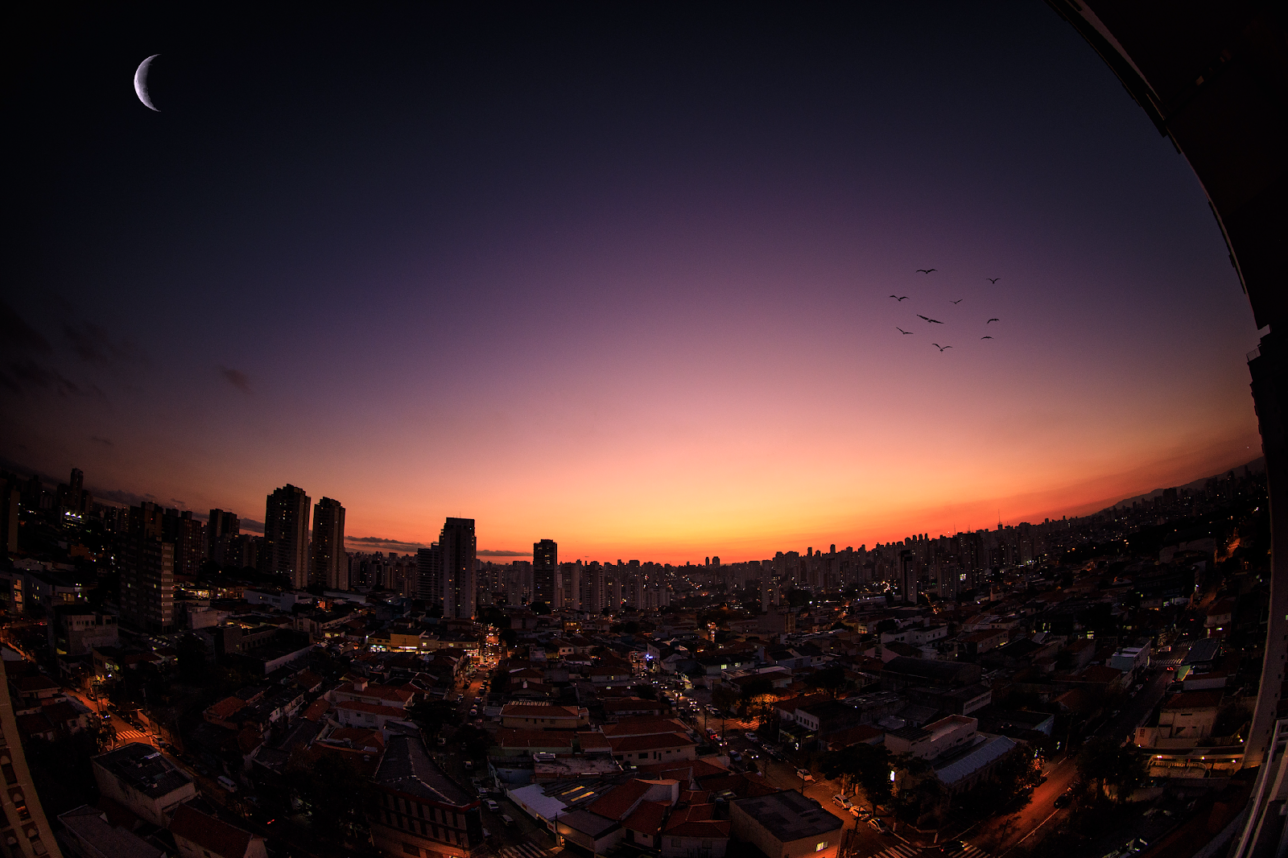
Judaism teaches the principle that dark precedes light; our day begins at sundown, chaos and darkness preceded G-d’s first command, “Let there be light,” and personally, the most celebrated achievements often follow adversity. Darkness and difficulty births possibility and we are reminded that hope leads the way. And so each and every month, from the darkest of skies a spark ignites and anticipation begins. As the new moon and new month approach a blessing is chanted reflecting our desire for renewal, acknowledging G-d’s gift of freedom, and the hope for peace, joy and consolation.
A sliver of a moon will soon herald the most important new month of Nisan. Torah teaches it is the beginning of the year, “This month… shall be for you the first of the months of the year.” We’ve all grown up with Rosh Hashanah as the New Year, but the Torah teaches us Nisan, the month, which brings us Pesach (Passover), is truly the beginning. Bachyah, a Medieval commentator, teaches that each month after is called by its ordinal number, second, third, fourth etc. because of it’s connection to Nisan as a constant reminder of the redemption from Egypt. After spending hundreds of years of slavery, we receive this incredible gift from G-d, through the mighty and awesome miracles that S/He performed. Moses, the trusted partner in facilitating such wonders, walks us out of Mitzrayim, literally meaning ‘from a tight and restricted place.’ With the promise of springtime, so begins new light, new birth, and life renewed.
The Jewish calendar, which begins on April 6, the first of Nisan, starts with this incredible birthing of our people and leading us through a circular path of one Holy day after another, grounding us in the past, the present, and the future yet constantly bookmarked by the weekly cycle of Shabbat, the Holiest and most profound time of all. Each of these unique holidays emphasizes certain themes and reflects the fast array of emotions we all experience. Passover reminds us from where we came, the gift of liberation and to be grateful; ten days later we go into the depths of memory of the Holocaust and shed our tears; a week later we celebrate the pride of Israel Independence Day; four weeks later we stand at Sinai, receive the Torah, and with fullness of heart, accept and recommit to our covenant with HaShem; approximately eight weeks later we enter grief once again, fasting and chanting dirges in remembrance of the Temples, both destroyed by our enemies leading us into a month of penitential prayers, preparing for the High Holy Day cycle that demands both a celebration of the birthday of the world as well as deep assessment of our sins and mistakes, ready to apologize and make amends. Yom Kippur, the day of our death and the remaking of our souls, brings us back, T’shuvah, to HaShem, once again. A few days later we enter the Sukkah, sing with joy, pray for rain, and then dance ecstatically with the Torah on Simchat Torah. After a period of introspection, quiet and study, we light the menorah and rededicate ourselves to our religious identity and remember it is worth fighting for. The following month we celebrate the trees, connecting to the earth and have a gastronomical feast of Israel’s fruits and nuts, which finally brings us to the insane festival of costumes, inebriation, and screaming when we hear the name Haman during the reading of Megillah Esther. The Jewish year is a recurring cycle inviting us to participate, mind, body and spirit, elevating our lives.
Each month we tap into a different emotion, we connect to rituals, family, community and the presence of the Divine. Judaism asks us to be ‘as if’ throughout the year; ‘as if’ we were slaves, ‘as if’ were at Sinai, ‘as if’ we sitting shivah for our Holy Temples, ‘as if’ we were dying, ‘as if ‘we were just born, ‘as if’ we were dancers and singers, like David and Miriam, ‘as if’ we were Maccabees ready to fight for our tradition, ‘as if’ we were Esther or Mordechai, and ‘as if’ we were each of our forefathers and foremothers as we delve into the words of Torah and its profound lessons. Judaism asks us to identify with our past and make it as real as we can in the present so it will continue into the future.
Our calendar keeps us rooted in tradition, customs, and identity, in whatever form you wish to express. It also gives us an opportunity to examine who we are, what we believe, and who we hope to become. Kabbalah, Mussar, Torah, Talmud, and spiritual practice, they are all pathways to deeper connections and greater insight, reminding us that there are so many more important days in the calendar than we realize to help still the noise of the secular world. Below is a brief chart I share that encapsulates the year.
Happy New Year – May it be filled with new wisdom, great joy, Shaleym, wholeness and a renewed sense of purpose.

A New Month Approaches – A New Year Begins Read More »
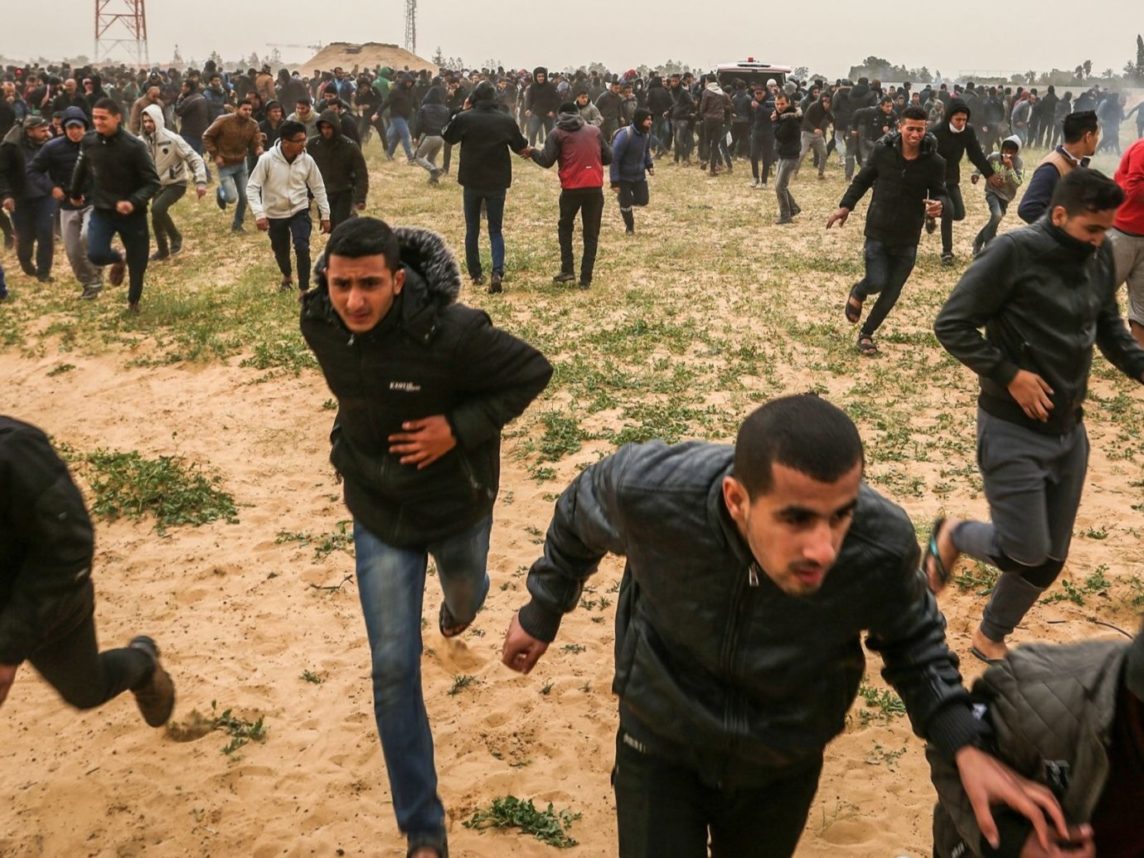
40,000 Rioted on Gaza Border in Protests Controlled by Hamas Read More »
Expert and scholar Tomer Persico from the Shalom Hartman Institute dissects the upcoming Israeli elections.

Tomer Persico: How Messy Are the Israeli Elections? Read More »