fbpx

July 6, 2018

Confronting Jewish Ethical Challenges at the End of Life

Decisions concerning medical care in the final stages of life present a range of Jewish ethical and legal conundrums. 

Messy and complicated, they have vexed ethicists, medical professionals and religious leaders.

While Jewish tradition maintains that human life is of infinite value and that its preservation and extension override virtually every other religious imperative, relieving pain and allowing for the soul’s peaceful departure are also values well established in Jewish tradition. 

Of course, there is a moral distinction between hastening death and removing obstacles to its natural progression, but in practice the difference isn’t always easy to discern.

Here is a general overview of issues that arise at life’s end — and how Jewish authorities have weighed in on them. 

Jewish thinkers often emphasize that specific cases vary substantially and must be considered individually. 

Most Orthodox authorities generally consider nutrition, hydration and oxygen — even if artificially provided by a feeding tube or ventilator — to constitute essential human needs that never should be discontinued as long as they are effective. This position is reflected in the 1990 paper on end-of-life care by Conservative Rabbi Avram Reisner. However, the Conservative movement’s religious law authorities also endorsed a paper by Rabbi Elliot Dorff. He advanced several possible justifications for removing artificial nutrition and hydration for the terminally ill. Among them is the contention that a medically administered treatment that conveys food and water to the patient by tube is more properly regarded as medicine than as simple food and water.

As for hospice, it is a form of medical care for people suffering from terminal illnesses with a life expectancy of six months or less. 

Jewish thinkers often emphasize that specific cases vary and must be considered individually. 

Jewish hospice programs typically are equipped to provide hospice services while abiding by Jewish traditions. Because hospice focuses on a patient’s quality of life rather than aggressive medical treatment, some Orthodox rabbis do not believe hospice conforms with Jewish tradition. 

Do-not-resuscitate orders, known as DNRs, are legally binding directives signed by doctors ordering medical professionals to withhold CPR or advanced life support in the event a patient’s heart stops functioning. 

A patient needing CPR is in acute distress and could be saved, even for a brief period, with proper treatment. But given the often low success rate of resuscitation and the high likelihood of adverse effects for the elderly or those weakened by terminal illness, some authorities permit DNRs under certain conditions. 

Advance directives are documents specifying a person’s wishes concerning medical care in the event they are unable to make such decisions for themselves and/or appointing a health care proxy to make decisions on their behalf. 

As for experimental therapies, most Jewish authorities would require a patient to submit to a therapy if it is known to be effective at curing their condition. 

This is not the case regarding experimental treatments whose success rate and potentially adverse side effects are not known. 

Jewish authorities from across the denominational spectrum support the right of a patient to refuse treatment that is risky or of unproven value. 

Dorff writes that it is permissible to undertake a hazardous therapy if it presents a “reasonable chance” of cure, even if it simultaneously poses a risk of hastening death if it fails.

As for refusing treatment, Jewish tradition generally requires that every effort be made to sustain and extend life, but that position is not absolute. 

In cases where diseases are incurable, and medical interventions would be risky, painful, of uncertain efficacy or serve merely to prolong a life of unbearable physical or psychic pain, there is support in Jewish tradition for an individual’s right to reject such treatment. 

Taking active steps to hasten death are prohibited in Jewish law, but praying for death is another matter. Jewish bioethicist J. David Bleich has formulated it this way: “There is no contradiction whatsoever between acting upon an existing obligation and pleading to be relieved of further responsibility.”


A longer version of this story ran on myjewishlearning.com.

Confronting Jewish Ethical Challenges at the End of Life Read More »

The Compassionate ‘Doula of Death’

Before Rabbi Carla Howard co-founded Jewish Hospice Care in 2001, no place catered specifically to Jewish families seeking help for end-of-life decisions. 

“You’d go into a phone book, you’d look up Trinity or find whatever you could,” Howard told the Journal in a phone interview. “But the thing is, we’re Jewish, so where do we go for Jewish hospice care?” 

Back when Howard was fresh off her ordination and was doing independent spiritual counseling work, she received a call from a young couple in Cedar Sinai Medical Center’s neonatal unit who were grappling with taking their newborn off life support. 

Howard, who was a midwife at the time, said, “They had nowhere to go. They had no one to walk them through end-of-life counseling; no Jewish spiritual or crisis guidance.” 

And so, Howard took the Hebrew word for a midwife — doula — and applied it to her new role: “Doula of Death.” She then co-founded the Jewish Hospice Project, the city’s first Jewish end-of-life service. The nonprofit organization rebranded itself in 2005 as the Jewish Hospice and Healing Center of Los Angeles (JHCLA).

Howard, along with a staff of three chaplains, an operations manager and a committed core of volunteers, works out of a Pico-Robertson office providing mobile hospice care to patients all over the city at homes or nursing facilities. 

The JHCLA client base includes a broad range of Jews, non-Jews and patients dealing with various crises beyond bereavement, including relationship problems, feelings of social isolation and LGBTQ issues. JHCLA works closely with JQ International, a Jewish LGBTQ-advocacy organization. 

“The Torah commands us to provide for our fellow human beings a good death. . . . What does that mean? It means treating a death as an entire family experience.” — Rabbi Carla Howard

“Spiritual care should service anybody in crisis,” Howard said. “We work with a lot of young people trying to connect in this world of disconnect, of Tinder, social media and whatever else.”

With its end-of-life care, JHCLA emphasizes catering to the family members of hospice patients. Howard invokes Torah to outline what makes JHCLA unique. 

“The Torah commands us to provide for our fellow human beings a good death —  and that comes from v’ahavta … love your neighbor as yourself. But a good death? What does that mean? It means treating a death as an entire family experience,” she said. “Even though it happens in the body of one person, everyone is affected. The whole family is the unit of care. You have a mini-community that is complicated. Every person brings their own spiritual and psychological piece to it.”

Nearly two decades into her mission to bring Jewish end-of-life care to Los Angeles, Howard  said she still finds fulfillment and purpose. 

“It’s meaningful work,” she said. “That’s how I’m sustained. Most people face death with terror. We try to help each patient and their families release in peace.” 

When Rabbi Michael Berenbaum, a professor of Jewish Studies at American Jewish University, was dealing with the impending death of his mother, he found comfort in JHCLA’s care. 

“As my beloved and feisty 92-year-old mother was facing the last of her days, I turned to [Howard],” Berenbaum said. “I found her guidance compassionate and wise and also so deeply Jewish. I have referred many other people to her and to the Center, all of whom have reported back on the meaningful nature of their experience.”

Howard hopes word continues to spread about JHCLA’s communal impact. 

“In my opinion, we’re the best-kept secret in Los Angeles,” she said. “We’re a nonprofit so we don’t have a huge marketing budget. However, unfortunately, our services never go out of need.”

The Compassionate ‘Doula of Death’ Read More »

8 Paths to Tread as End of Life Nears

Conversations about end-of-life decisions are delicate, personal, unique — rarely begun and completed in one sitting. 

Given the mobility of our society, the advances in medical technology and the continuing cultural denial of death, the need for preparation never has been more profound.

Although there is no standard way to begin, family gatherings can be a good time.

It’s important to prepare for the conversation. Start by letting people know that you plan to have this discussion, how important it is to you and that you need cooperation and understanding.

Here is a list of do’s and don’ts.

1. Do your homework ahead of time.
Before you sit everyone down, designate a health care proxy. Complete, or at least review, the relevant documents that express your wishes in cases when you are unable to speak for yourself. Important documents include:

  • Your will
  • An advance medical directive that states your wishes for end-of-life care
  • Healthcare proxy, which is a legal and enduring form designating a health care agent to speak for a person if he no longer can speak for himself
  • Physician’s Order for Life-Sustaining Treatment (POLST) or Medical Order for Life-Sustaining Treatment (MOLST) forms. This is not recognized in all states, but it supersedes an advanced directive. Creation of these documents expressing your wishes has been supported by every major Jewish denomination.

2. Educate yourself.
Become familiar with the terms associated with these documents and your local laws as they relate to decision-making. Understand the possible tax implications of your estate and the potential challenges of spending down as your situations change, especially if you are in a second marriage or living with a partner. Consulting with trusted advisers is strongly recommended.

3. Don’t just fill out forms and forget about them.
Review all documents and directives at least every five years. Because we all change, and we may change our minds on certain treatments. The pace of medical technology is rapid, often outpacing society at large. Frontier medicine years ago may now be standard practice.

4. Share documents you develop with as many people as possible.
This can include your family, doctor, lawyer and anyone else you deem appropriate. If you enter an assisted-living facility or nursing home, they will need copies. Make sure that these people, especially your proxies, know your wishes. They may be called upon to make life-and-death decisions.

5. Be firm in your resolve to have these discussions.
Some family members already may have witnessed situations in which no advance planning has taken place and thus be more inclined to participate.

Differences of opinion may emerge as to your wishes and the thoughts and feelings of your loved ones.

6. Having these conversations will help your children, even if they don’t agree with everything you say.
Differences of opinion may emerge as to your wishes and the thoughts and feelings of your loved ones. Jewish tradition has the concept of stewardship, which, in the spirit of the Fifth Commandment, says that adult children should honor the wishes of their parents, assuming the wishes of the parents have been made in full knowledge and clarity. Having these conversations and documenting your wishes will help during moments of crisis and stress to alleviate guilt and give clear direction, especially in cases in which you may not be able to make your wishes known.

7. Speak in a language of love, affirmation and concern.
These conversations look at your choices and your belief in your quality of life. Avoid language that relates to being or not being a burden. These conversations raise the reality of our mortality and the evolving concern over the issue of loss and legacy.

8. Conversations may raise psychosocial — and spiritual — issues.
Our society doesn’t do a good job of embracing our aging or accepting our own mortality. Yet the conversations you will have with your loved ones are discussions about just this.

For spiritual guidance, Jewish sources, sample forms, and other related information visit jewishsacredaging.com. 

A longer version of this story ran on myjewishlearning.com.

8 Paths to Tread as End of Life Nears Read More »

Sacha Baron Cohen Heading Back to TV

Sacha Baron Cohen, who first became famous playing outrageous characters Ali G, Borat, and Bruno on “Da Ali G Show,” is returning to television. The British comic will take aim at celebrities in a faux interview show for Showtime called “Who Is America?” which premieres July 15 at 10 p.m. PT. Here’s a sneak peek: https://youtu.be/-gx70yWboTs.

But the satirical series is not his only TV endeavor.

Baron Cohen will play Israeli Mossad agent Eli Cohen in “The Spy,” from Israeli writer-director Gideon Raff (“Homeland,” “Tyrant,” “Prisoners of War”), a Netflix miniseries. Eli Cohen, who was captured and executed in Syria in 1965, was back in the news recently when Mossad recovered his wristwatch and returned it to his family on the anniversary of his death. Cohen’s undercover activities within the Syrian government provided Israel with critical intelligence during the Six Day War.

Baron Cohen is also set to play the title role in “Mandrake the Magician,” for Israeli director Etan Cohen. It’s set to be released in 2019.

Sacha Baron Cohen Heading Back to TV Read More »

Picture Frame Makeovers

My Journal colleague Sara Budisantoso was cleaning out her house last week and getting rid of a stash of plain white IKEA picture frames. When she brought them to the office and offered them to anyone who wanted them, I snatched up a few because I have that “You never know when I might need them” mentality. The minimalist white frames turned out to be a perfect canvas for creativity, as I covered them with things I had around the house, such as duct tape, artificial turf and fabric. Now they’re picture perfect.

Duct Tape Frame
One of my favorite art tools is duct tape. It comes in fun colors and patterns, and because it’s already sticky, you don’t need any glue to apply it. I chose one color of tape for the front of the frame and another for the sides. Just tear off a piece of tape to cover each side, and trim off any excess. Duct tape is easy to use because it’s so forgiving. If you don’t like how any part looks, you can either peel it off or cover it with another piece of tape. 

Artificial Turf Frame
For less than $20, I bought a big sheet of artificial turf at Home Depot for crafting purposes, and let me tell you, I will glue that stuff on anything. For this project, I cut individual sections for each side and hot glued them to the frame. I finished it off by gluing an artificial flower to the corner.  

Repurposed Shirt Frame
I cut up old shirts for crafting and decorating projects and never throw away the scraps. Again, my pack rat mentality at work. So I cut out four pieces of an old flannel shirt — one for each side — and hot glued them to the frame. Where the seams met in the corners, I hot glued a button to hide any uneven edges.


Jonathan Fong is the author of “Flowers That Wow” and “Parties That Wow,” and host of “Style With a Smile” on YouTube. You can see more of his do-it-yourself projects at jonathanfongstyle.com.

Picture Frame Makeovers Read More »

Jewish BDS Activist Barred from Israel

In a twist of irony, a prominent Jewish Boycott, Divestment and Sanctions (BDS) activist has been barred from Israel and she is now whining about it.

The activist, Code Pink co-director Ariel Gold, stated on Facebook that she was turned away from Ben-Gurion Airport and sent back to New York. She claimed that she was hoping to immerse herself into Judaic studies, however, according to the Times of Israel, Israeli officials believe that she was only coming to the country to further the BDS cause.

“Whoever acts for a boycott of Israel and comes here to cause damage, will not enter the country,” Public Security Minister Gilad Erdan tweeted.

In an op-ed for The Forward, Gold stood behind her support for BDS “as a nonviolent means to achieve a just and peaceful end to the 70-year-long oppression of Palestinians.”

“At no point during my interrogation in the Ben Gurion airport was I even asked about the boycott, divestment and sanctions movement,” Gold wrote. “I was asked about the organization CODEPINK, of which I am the national co-director, and which endorses BDS, but this was only after they interrogated me about filming soldiers and knowing Palestinians.”

She also accused Israel of only welcoming Jews “who either support occupation and the right-wing settler agenda, or are willing to be quiet.”

According to Canary Mission, Gold has been arrested for participating in violent Palestinian riots and preventing people from entering American Israel Political Action Committee (AIPAC)’s conference. Gold also took a photo of herself and another Code Pink member with a #BoycottIsrael banner at the Western Wall.

Gold has also said that she is teaching her children that Zionism is “a racist ideology rooted in ethnic cleansing.”

Back in January, Israel issued a list of 20 BDS organization that were blacklisted from entering Israel. Among those is Jewish Voice for Peace (JVP), and Gold is an organizer for them.

Jewish BDS Activist Barred from Israel Read More »

Image of the Week: July 6, 2018

Britain’s Prince William touches the Western Wall, Judaism’s holiest prayer site, in Jerusalem’s Old City, June 28, 2018. Abir Sultan/Pool via Reuters

Britain’s Prince William visited Jerusalem’s Western Wall on the final day of his historic visit to Israel and placed a note between its ancient stones. Earlier, the prince visited the grave of his great-grandmother Princess Alice of Battenberg on the Mount of Olives. Princess Alice saved a Jewish family during the Holocaust and was interred in the cemetery in the late 1980s.

Image of the Week: July 6, 2018 Read More »

Jake Tapper Book Event, ‘E.T.’ Under the Stars

MON JULY 9

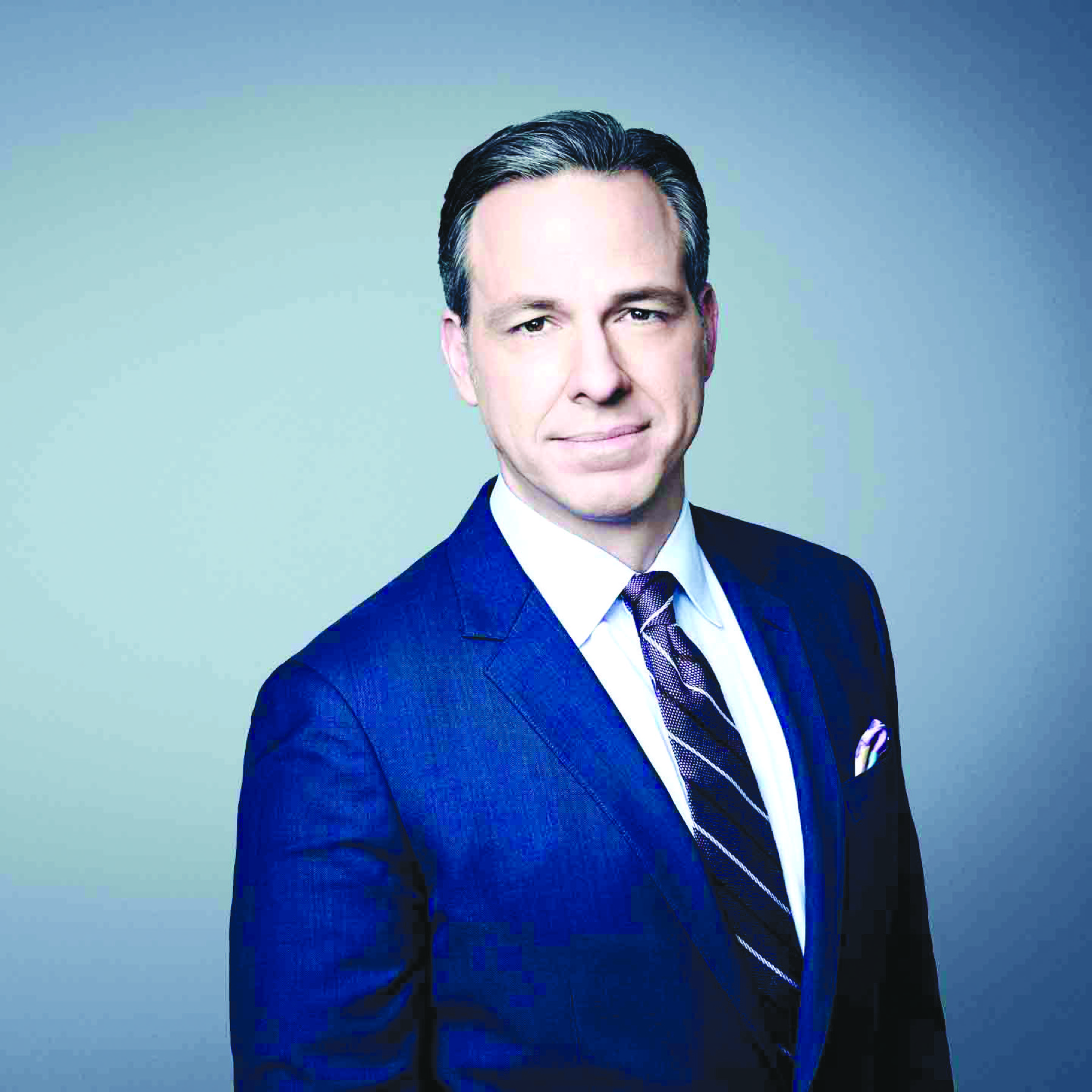
JAKE TAPPER AND “THE HELLFIRE CLUB”
CNN anchor and chief Washington correspondent Jake Tapper will discuss his new novel, “The Hellfire Club.” Part of the Live Talks Los Angeles series. Tapper is the host of “The Lead With Jake Tapper,” a one-hour weekday program that debuted in March 2013. He has been the host of CNN’s Sunday morning show “State of the Union” since 2015. 8 p.m. $45, reserved-section seat and book; $30, reserved section seat; $20, general admission. Ann and Jerry Moss Theatre, New Roads School, 3131 Olympic Blvd., Santa Monica. livetalksla.org. This event has been cancelled.

FRI JULY 6

BINGO AND BARBECUE SHABBAT
Play bingo for prizes, enjoy a complimentary barbecue dinner and attend a Shabbat service with the community at Temple Kol Tikvah. RSVP required. 5:30 p.m. bingo and dinner; 6:30 p.m. service led by Rabbi Jon Hanish and Cantor Noa Shaashua, followed by socializing, coffee and sweet treats. All ages. Kol Tikvah, 20400 Ventura Blvd., Woodland Hills. Free parking in the rear on Del Moreno Drive. To RSVP, call (818) 348-0670, ext. 200, or go to koltikvah.org. 

NASHUVA SHABBAT SERVICE AND ONEG
Nashuva’s Shabbat service, on the first Friday of each month, offers an opportunity to nourish your soul, connect with community and experience the joy of Shabbat. All are welcome. No tickets, membership or advance reservations required. Casual, comfortable attire requested; please wear white in honor of Shabbat. Free Oneg follows service. Free parking at the above-ground parking lot at 10801 National Blvd. If parking on street, read street signs for restrictions. Brentwood Presbyterian Church, 12000 San Vicente Blvd., Los Angeles. 6:45-8:30 p.m. nashuva.com.

SAT JULY 7

“KNOW YOUR REPS” WITH KAREN BASS
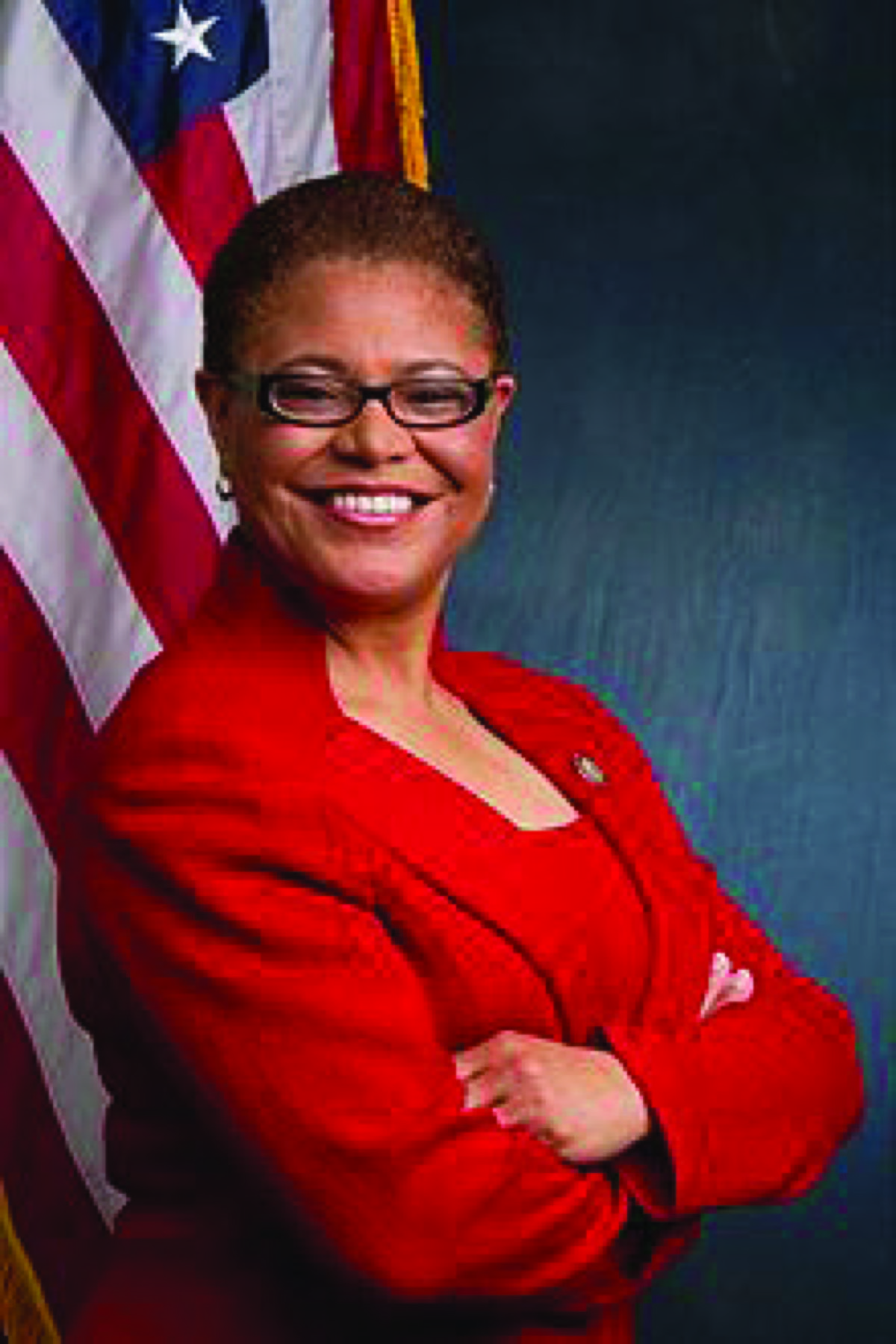
The IKAR community continues its “Know Your Reps” series with Rep. Karen Bass (D-Los Angeles), who will discuss over Shabbat lunch issues including criminal justice reform, immigrants’ rights and gun violence. 12:45-1:45 p.m. Free. Shalhevet High School, 910 S. Fairfax Ave., Los Angeles. (323) 634-1870. ikar-la.org.  


SUMMER HOOTENANNY, JAM SESSION AND POTLUCK
The Silverlake Independent Jewish Community Center (SIJCC) provides a welcoming space and a righteous songbook for a hootenanny — a gathering of musicians and lovers of good times. What could be more Jewish? Bring a dish to share and instruments to play — or just bring yourself. Dishes, by attendee’s last name: A to E, main dish; F to J, veggie dish or salad; K to P, side dish; Q to Z, dessert. Park in the SIJCC lot or take Metro, bike or walk. 3-6 p.m. Suggested donation, $10. The Box @ SIJCC, 1110 Bates Ave., Los Angeles. sijcc.net.

SUN JULY 8

“AIMEE & JAGUAR” SCREENING
The 1999 Golden Globe-nominated film “Aimee & Jaguar” is set in 1943, while the Allies are bombing Berlin and the Gestapo is purging the city of Jews. A dangerous love affair blossoms between two women: Lilly (Juliane Köhler), a married mother, and Felice (Maria Schrader), a Jew and member of the underground. Explicit content. Q-and-A with Schrader follows. Presented by the L.A. Jewish Film Festival. 7:30 p.m. $15. Laemmle Ahrya Fine Arts Theatre, 8556 Wilshire Blvd., Beverly Hills. (310) 478-3836. brownpapertickets.com.

MON JULY 9

CHILDREN’S STORY TIME
Join PJ Library partner Zimmer Children’s Museum for a special PJ Library storytime followed by an art activity in the Zimmer art studio. 11-11:30 a.m. $5 per adult and per child (ages 1-17) with RSVP. Regular admission, $7. Zimmer Children’s Museum, 6505 Wilshire Blvd., No. 100, Los Angeles. (323) 761-8984. jewishla.org.

TUE JULY 10

BERNSTEIN 100 CELEBRATION
In celebration of the centennial of the birth of American maestro Leonard Bernstein, Los Angeles Philharmonic conductor Gustavo Dudamel, vocalist Sutton Foster and the Philharmonic orchestra, among others, perform some of Bernstein’s most beloved music. Blending jazz and classical music, the program includes selections from “West Side Story,” “On the Town” and “Three Meditations from Mass.” 8 p.m. $8-$104. Hollywood Bowl, 2301 N. Highland Ave., Hollywood. (323) 850-2000. hollywoodbowl.com.

“HITCHHIKER’S GUIDE”
TABLE READING

All sentient life forms residing in the western spiral arm of the galaxy are welcome to partake in a table reading of the comedy play “The Hitchhiker’s Guide to the Galaxy” with Rabbi Jessica Yarkin. Lend your voice to any number of colorful characters, be they human, robotic, alien or the small, furry creatures from Alpha Centauri. Or simply show up to listen to the amusing writing of Douglas Adams. 7:30-9:30 p.m. Free. Wynn Meeting Room, Adat Ari El, 12020 Burbank Blvd., Valley Village. (818) 766-9426. adatariel.org.

WED JUL 11

“MAMMA MIA!” OUTDOOR SINGALONG
Bring a lawn chair, a blanket (if you’re prone to chill) and perhaps a nosh before settling in to enjoy 2008’s “Mamma Mia! The Movie” at Shomrei Torah’s Outdoor Movie Night and Singalong. The film, based on the jukebox musical featuring the songs of ABBA that opened on Broadway in 2001, stars Pierce Brosnan, Meryl Streep and Amanda Seyfried. 8 p.m. Free. Shomrei Torah’s Early Childhood Education Center Yard, 7353 Valley Circle Blvd., West Hills. (818) 854-7650. stsonline.org.

BLOOD DRIVE
Join the Skirball Center and the American Red Cross for a blood drive. Eligible individuals of all blood types are urged to give blood to help ensure a sufficient supply. The Independence Day holiday, donor vacations and fewer school blood drives make July a difficult time to collect enough blood to meet the needs of patients. Visit redcrossblood.org and enter the sponsor code “SKIRBALL” in the “Find a Blood Drive” field. 10:30 a.m.-4:30 p.m. Haas Conference Center, Skirball Center, 2701 N. Sepulveda Blvd., Los Angeles. (310) 440-4500. skirball.org.

THU JUL 12

PHONE BANK VOLUNTEERS
The Money Bail Reform Act (Senate Bill 10) would change the way California courts assign bail, especially for disadvantaged defendants. The National Council of Jewish Women (NCJW) is seeking phone-bank volunteers to lobby for the bill’s passage. “We must fix this system,” the NCJW said in a statement. “Our current money bail system is unjust and unsafe. The amount of money in your pocket determines whether you will get out of jail. Families are in debt for years. Join us and make a difference.” Co-sponsored by Bend the Arc and IKAR. Laptop or tablet and cellphone required. 6-8:30 p.m. NCJW/L.A. Council House, 543 N. Fairfax Ave., Los Angeles. (323) 651-2930. info@ncjwla.org. RSVP to maya@ncjwla.org.

PLANNING FOR THE FUTURE
Three recognized experts in the fields of law, finance and social work speak about preparing for the future of a loved one with a disability: Stuart Zimring, trust and estate attorney; Yechiel Goldberg, financial planner; and Steve Barlam, CEO of LivHome, a social work authority. 7-9:30 p.m. Sanders Board Room, Goldsmith Jewish Federation Building, 6505 Wilshire Blvd., Los Angeles. Free. (323) 761-8000. jewishla.org.

PARTY TIME
The Guardians of the Los Angeles Jewish Home hosts its Summer Kick Off Party. The 80-year-old nonprofit organization provides financial support for seniors and needy residents of the Jewish Home. 8:30 p.m.-midnight. $20. Copa d’Oro, 217 Broadway, Santa Monica. (310) 479-2468. laguardians.org. 


THU JULY 12

“E.T.” ON THE ROOF
Where better to take in “E.T. the Extra-Terrestrial,” Steven Spielberg’s hit 1982 film about an extraterrestrial stranded on Earth who is befriended by a boy, than at Atid Rooftop Movie Night atop Sinai Temple. Atid is a group for young Jewish professionals, ages 21 to 39. If bringing food, it should be vegetarian. 7:30 p.m.-11 p.m. Free. Sinai Temple, 10400 Wilshire Blvd., Los Angeles. (310) 474-1518. sinaitemple.org.

Jake Tapper Book Event, ‘E.T.’ Under the Stars Read More »

ChaiVillageLA anniversary, Shalhevet Celebration

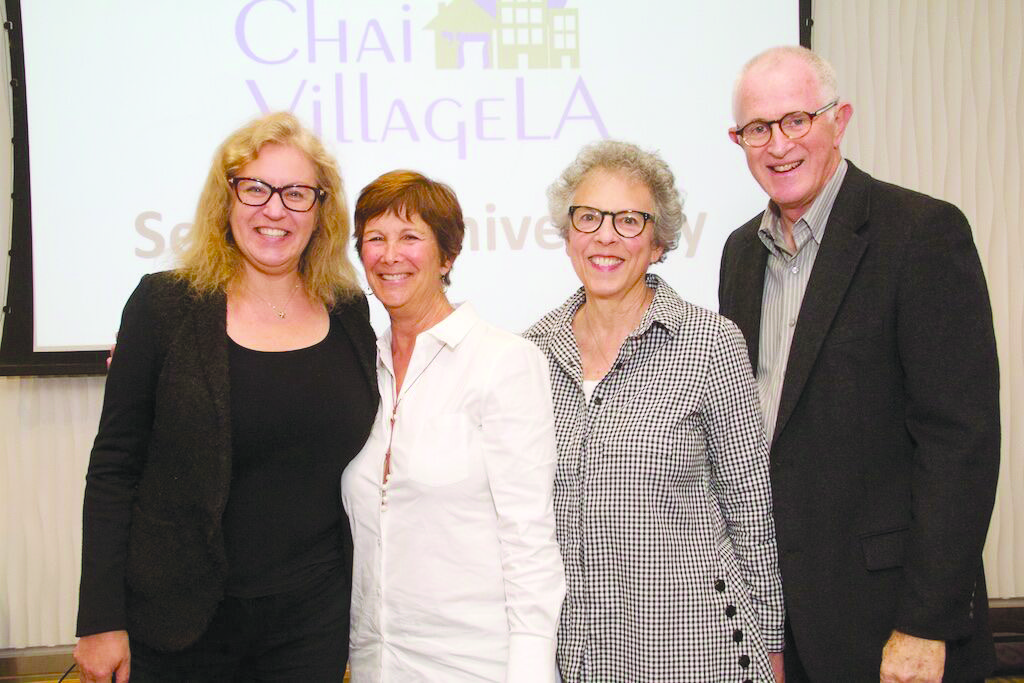
From left: Temple Isaiah Rabbi Zoë Klein Miles, ChaiVillageLA Co-Vice Chair Ellen Isaacs, Temple Emanuel of Beverly Hills Rabbi Emerita Laura Geller and ChaiVillageLA Co-Chair Terry Pullan celebrate ChaiVillageLA’s second anniversary. Photo by Barry Levine

ChaiVillageLA, a multi-synagogue, multi-generational community that enables older members to age in place in their homes, held its second anniversary celebration on June 24 at Temple Isaiah in Century City. 

Almost 140 members of the group attended the event and enjoyed a slide show of ChaiVillageLA highlights, testimonials, food and fun. The group is grounded in Jewish values and led by older adults who share their skills, support and expertise to help others joyfully navigate the next steps in their lives. The pioneering program, part of the “village movement” approach to senior care, is a collaborative effort between Temple Emanuel of Beverly Hills and Temple Isaiah. It is the first and only synagogue-based “village” in the country.

Attendees included Temple Isaiah Rabbi Zoë Klein Miles, Temple Emanuel of Beverly Hills Rabbi Emerita Laura Geller, ChaiVillageLA Co-Vice Chair Ellen Isaacs, and Co-Chair Terry Pullan.


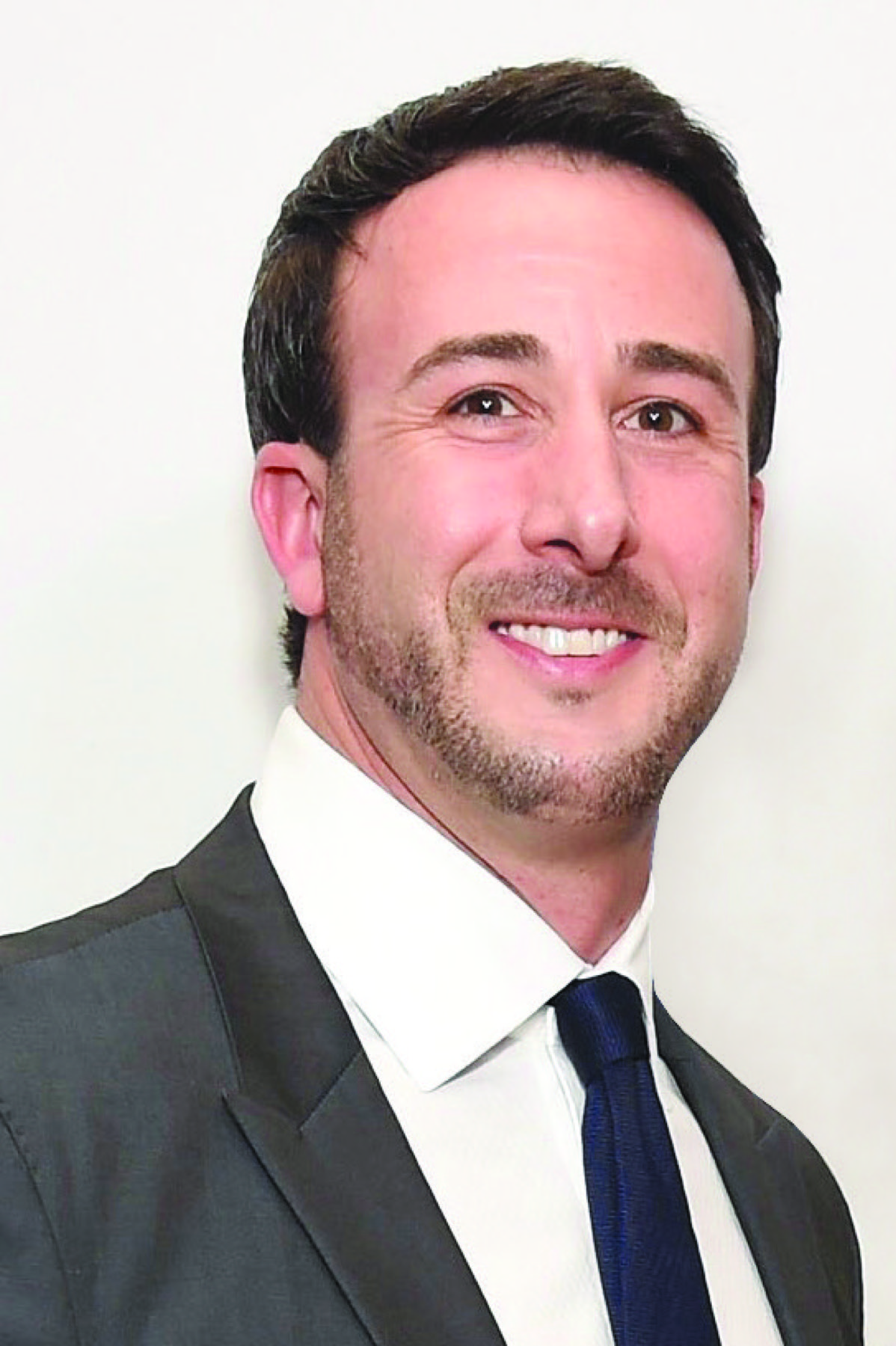
Scott Joseph Harris was elected regional board chair of the Anti-Defamation League (ADL) Pacific Southwest Regional Board at its annual meeting on June 12 in Los Angeles.
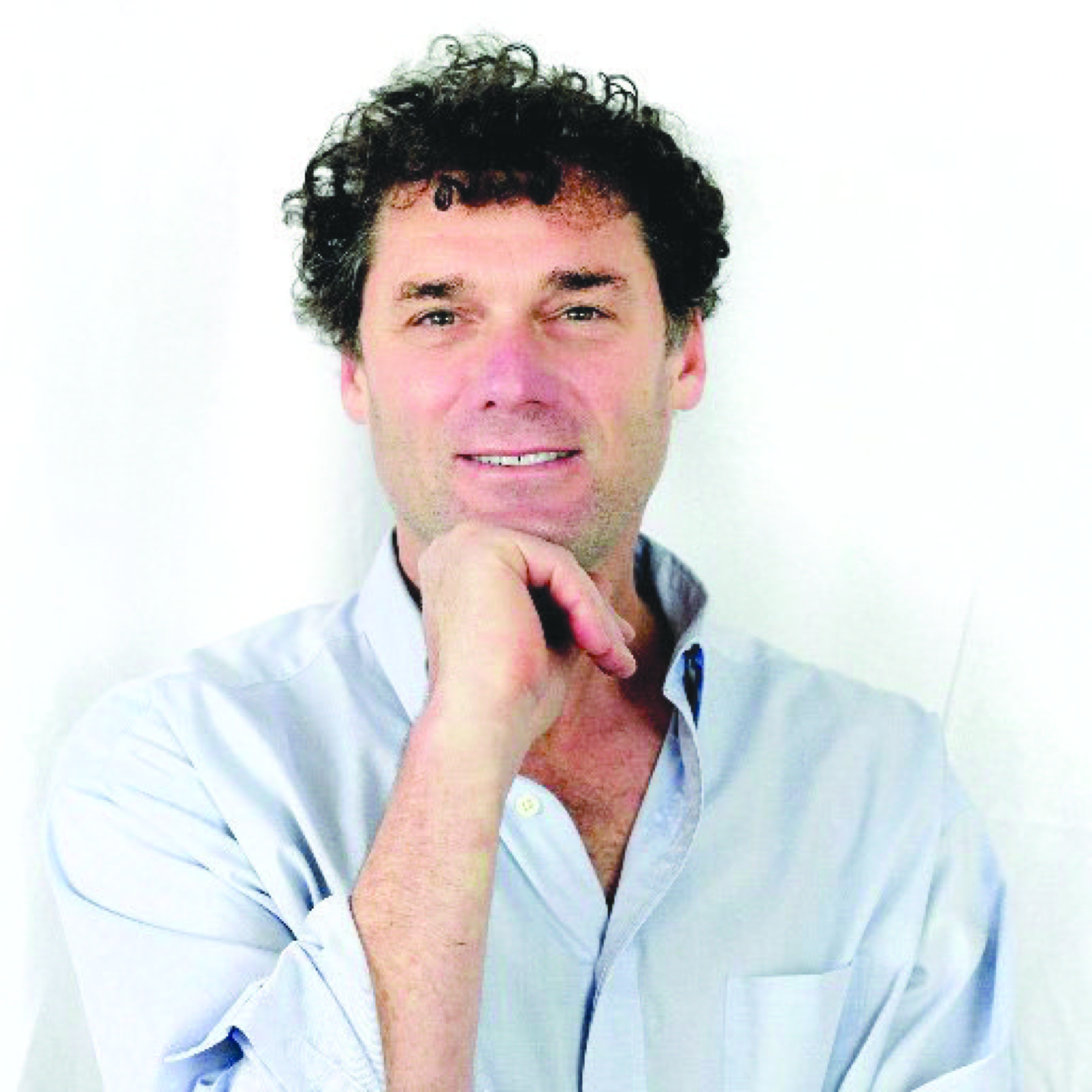
Harris is an attorney with a private practice in Beverly Hills. He focuses on defending businesses and professionals against regulatory agencies. He is also an adjunct professor at Loyola Law School. 

Harris has been involved with the ADL in Los Angeles since 2009. He started as a participant in the Glass Leadership Institute and then served as the
program co-chair after his graduation. He has also been chair of the ADL’s legal
advisory, advocacy and engagement committees, and served on the host committee of “ArtWorks ADL: Justice, Advocacy & Art.” 

Harris most recently served as regional board vice chair for the ADL, and he is now associate national commissioner for the organization. He has moderated and spoken on panels focusing on hate, LGBTQ issues, and intersectionality affecting various minority communities.

“I am honored to be involved with an organization that gives voice to such a vast array of issues that affect life in the 21st century,” Harris said in a statement. “As a gay man, ADL’s mission to stop defamation and to secure fair treatment for all embodies the very core values that I believe are necessary for a thriving, loving and secure community.” 

The board also elected Vice Chairs Jessica Babrick and Sharyn Nichols, Treasurer Ruth Moss and Secretary Alexander (Sasha) Rivkin.


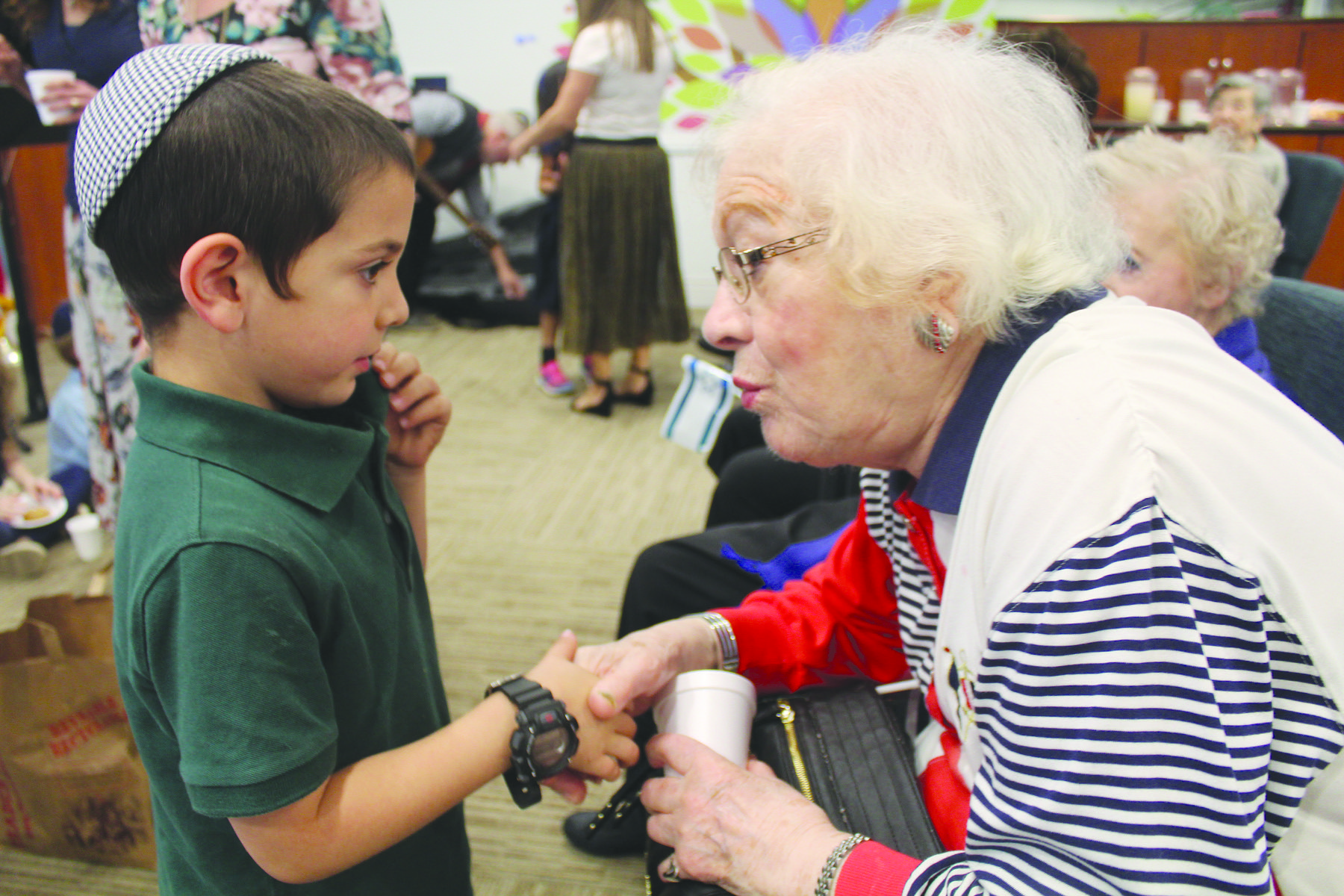
A Irvine Hebrew Day School student greets a resident of Heritage Pointe, a Jewish assisted living facility, at a June 12 klezmer concert. Photo courtesy of Irvine Hebrew Day School

About 50 residents of Heritage Pointe, a Jewish assisted living facility in Mission Viejo, were treated June 12 to a klezmer concert featuring elementary school students from Irvine Hebrew Day School (IHDS).

After most residents parked their walkers outside the room where the concert was to be held, and the men put on yarmulkes they got from a bowl at the door, they all watched professional klezmer musician Gary Gould lead the children in playing klezmer tunes he taught them the past year.

The performance by the second-, third- and fourth-graders was one of the ways IHDS reaches out to the senior community to form intergenerational connections with its students.

The event was part of a project launched this past year by IHDS Head of School Tammy Keces. Known as “Elef Dor” or “Thousand Generations,” the project is a Jewish intergenerational program that encourages children to see older generations as sources of knowledge and bridges to the past, while bringing companionship to the senior Jewish community.

The program goals are to promote positive attitudes toward seniors, and to build a community identity and help in the transmission of history and traditions between seniors and children, which is meant to give the older generation hope for the future.

The Heritage Pointe residents said they were happy to have the children spend time with them on a Tuesday evening.

“I wish I could have been a child like this because I grew up during the war in France,” said Suzanne Glantz, a Heritage Pointe resident.

“I love the children, love the school and love you all,” said another resident, Zelda Smith.

IHDS received grants from various organizations that made the program possible, including $7,500 from the Jewish Community Foundation of Orange County.  — Ginger Vick, Contributing Writer


Rob Eshman, former publisher and editor-in-chief of the Jewish Journal, was among those honored by the
L.A. Press Club at its annual Southern California Journalism Awards ceremony. Photo by Lynn Pelkey

Rob Eshman, former publisher and editor-in-chief of the Jewish Journal, received a Los Angeles Press Club Award during the 60th annual Southern California Journalism Awards gala on June 24 at the Millennium Biltmore hotel in downtown L.A. 

Eshman won the top award in the “Personality Profile” category for his story, “The Hidden Hero of the Six-Day War,”  which was the cover story for the June 1, 2017, edition of the Journal.

“This is an extremely well-written and engrossing story,” the judges said in their comments. “It immediately captures the reader’s attention by establishing the magnitude of the Six-Day War, both in terms of the astonishing military feat that it represents and its impact to this day.” 


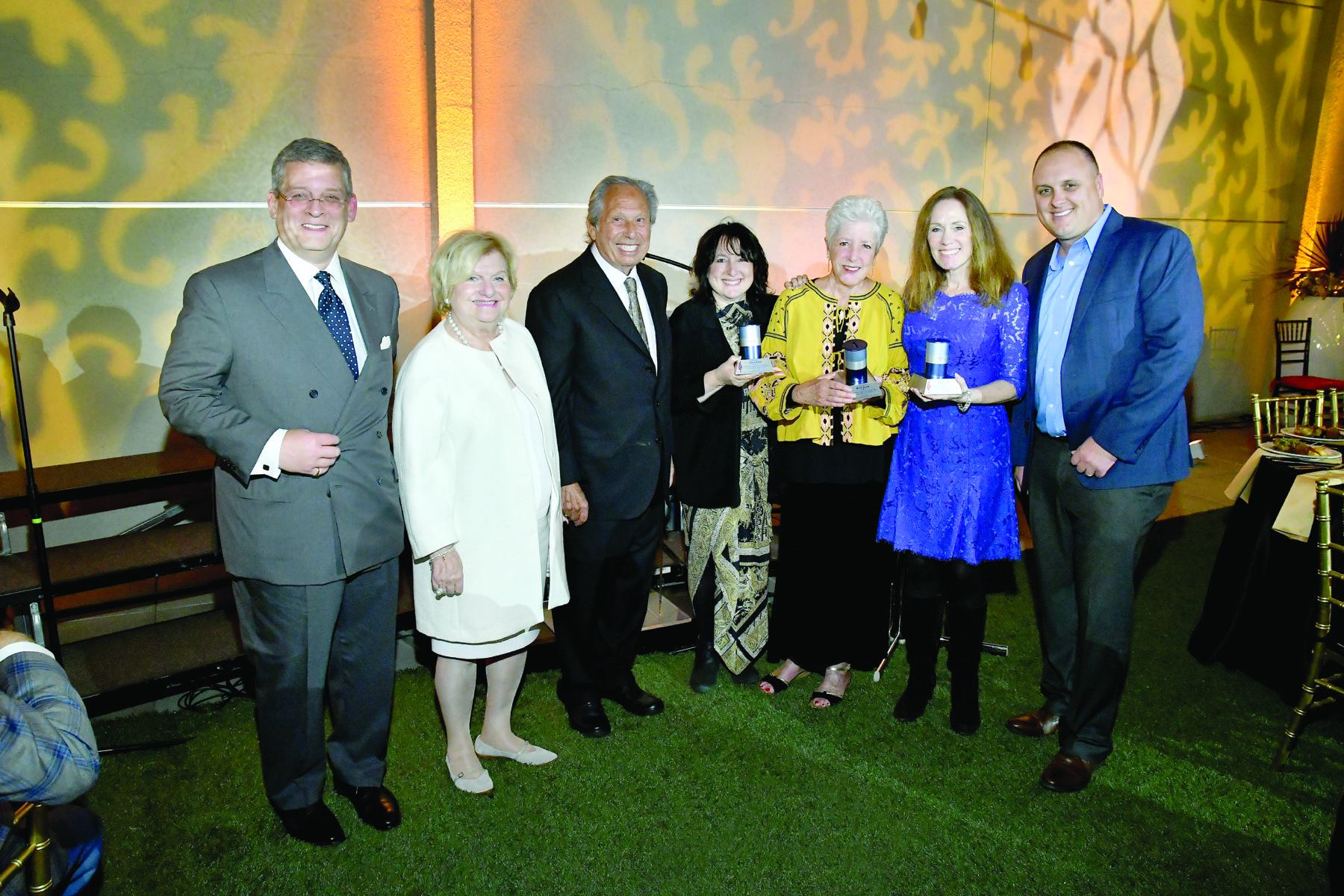
From left: David Lunzer, Shalhevet High School founders Jean and Jerry Friedman, Joelle Keene, Roen Salem, Emily Chase and Shalhevet General Studies Principal Daniel Weslow attend the June 6 Shalhevet gala. Photo courtesy of Shalhevet High School

Shalhevet High School held a celebratiON ON the rooftop of one of the buildings on its Mid-City campus on June 6, honoring the Modern Orthodox high school’s longtime supporter and board member David Lunzer.

The gala, attended by about 280 people, also recognized 25 years of the arts at Shalhevet, with tributes to Roen Salem, the visual and performance arts academic chair; Joelle Keene, faculty adviser for the school newspaper, The Boiling
Point; and Emily Chase, a faculty member in the drama department. 

Also in attendance were founders Jean and Jerry Friedman and General Studies Principal Daniel Weslow. 

ChaiVillageLA anniversary, Shalhevet Celebration Read More »

Two Pro-Israel Activists Assaulted At Festival By Neo-Nazis

A couple of pro-Israel activists were assaulted by neo-Nazis at a Swedish festival on July 5 after the activists attempted to stop their demonstration.

The neo-Nazis, part of a group called the Nordic Resistance Movement, were outside a pavilion on Gotland and were going to adorn the Israeli flag with their banner. Christina Toledano Asbrink, who is part of the Israel-Sweden Friendship Association, tried to prevent the Nordic Resistance Movement, prompting the neo-Nazis to shake and shove her to the ground.

Israel-Sweden Friendship Association Secretary-General Stefan Dozzi rescued Toledano Asbrink from the neo-Nazis, who were trying to kick and attack her. Dozzi sustained light injuries from the attack.

“I’m so damn pissed and upset,” Toledano Asbrink told Swedish newspaper Aftonbladet. “But we will not be cowed into silence. We’re still here.”

No arrests have been made yet.

The festival was part of Almedalen Week, where various Swedes gather to discuss human rights and other political matters. The Israel-Sweden Friendship Association is a pro-Israel Christian organization.

Two Pro-Israel Activists Assaulted At Festival By Neo-Nazis Read More »