fbpx

May 17, 2018

UC Program Cancels Israel Event Due to Gaza Violence [UPDATED]

UPDATE: The UC Education Aboard Program sent to the Journal the message they’ve been sending to people questioning the decision to cancel the June 2 event.

“We had been hoping for a large turnout to the reception but there had been a low response to our initial invitation, which prompted us to send a reminder email,” the statement reads. “In response to that email, the UCEAP Alumni Relations Department began receiving messages from alumni questioning the decision to hold the reception in light of recent events in Gaza and elsewhere in Israel.”

“In addition to considering these alumni messages, we reassessed other aspects including the time and day, whether the low attendance would have a negative impact on our partners in Israel, whether we were competing with other personal events that some of our alumni may have already scheduled, and the financial costs of continuing as scheduled with a low turnout vs. rescheduling. All of these factors contributed to our decision to reschedule the June 2 event.”

The statement proceeded to acknowledge that they did a poor job communicating why they canceled the event and that they would reschedule it for sometime in the 2018-2019 academic year. The October events will go on as planned.

ORIGINAL:

The violence at the Israel-Gaza border has prompted the UC Education Abroad Program (UCEAP) to cancel a June 2 event that would have celebrated the 50th anniversary of the UC study abroad program in Israel.

Jenny, the catering coordinator of a kosher catering company, told the Journal in a phone interview that the company was scheduled to cater UCEAP’s June 2 at the UCLA Hillel only to be told on May 16 that UCEAP was canceling the event.

“Like many of you, we have observed the increasing tension on the Gaza-Israel border with sadness and deep concern,” Elizabeth Perl, the Alumni Engagement and Development director, told Jenny in an email. “After careful consideration, UCEAP has decided to cancel the event recognizing 50 years of study abroad in Israel that was scheduled for Saturday, June 2. While we fully understand the value and impact that study abroad in Israel has had on the lives of UC students since 1968, we feel it would be inappropriate to host a celebratory event at this time. Thank you for understanding.”

The same statement is on UCEAP’s Israel 50th Alumni Events Page.

“It was kind of like taking a political stance without taking a political stance,” Jenny told the Journal.

Jenny – speaking for herself – asked Perl in an email for the UCEAP to reconsider their decision.

“It’s really upsetting that this would impact a wonderful event or decision as Israel is the only real democracy in the region and is doing everything in its power to prevent 40,000 rioters with meat cleavers/weapons who are sending burning flags – at least one emblazoned with the Nazi symbol- over the border to cause destruction and chaos with the SOLE mission to hurt/kill any Jew or Israeli in the way,” Jenny wrote. “I hope that as a rational, thinking person you can see this and also that a prestigious university official program and group this is counter-productive to peace and unity as well as to the furthering of understanding of issues impacting Israelis on a daily basis- including Arab citizens living peacefully in Israel.”

Jenny added that she hopes UCEAP recognizes “the misled understanding of the truth and the consequences of the actions and words your organization is by making this decision.”

Jenny told the Journal that Perl hasn’t gotten back to her. Perl also did not respond to the Journal’s request for comment.

Rabbi Aaron Lerner, the executive director of UCLA Hillel, told the Journal in an email that they would be proceeding with the event anyway.

“We are working with American Friends of Hebrew University to continue with the celebration regardless of UCEAP’s involvement,” Lerner wrote. “The event will proceed in spite of political grandstanding.”

UCEAP’s event page for the 50th anniversary of the UC Israel study abroad program still shows two events scheduled for October. It’s not clear if the June 2 event cancellation will have any impact on those events.

UC Program Cancels Israel Event Due to Gaza Violence [UPDATED] Read More »

How to Make Floral Soap Bars

It’s time to clean up your act — with homemade floral soap bars. If you’ve never made soap, you won’t believe how easy it is to make. All you need to start is some glycerin melt-and-pour soap base and a silicone mold, both of which you can find at a crafts store. Silicone molds come in every possible shape, from basic blocks to hearts to the Star of David. Then you can add any embellishments to the soap that you wish, such as dried flower petals. When the soap hardens in the mold, it just pops out, and you’re ready for bath time. These floral soap bars also make great gifts.

What you’ll need:
Glycerin melt-and-pour soap base
Measuring cup
Dried flower petals
Silicone mold

1.

1. Start with a block of clear glycerin soap base. Cut up the soap base into cubes so that it will be easier to melt.

2.

2. Place the cubes in a microwave-safe measuring cup and heat in 30-second intervals until the soap is melted.  Add some essential oil for fragrance if you wish.

3.

3. Select a silicone mold. They are usually in the baking section of the crafts store. I found the Star of David mold on Amazon.

4.

4. Sprinkle some dried floral petals in the mold. Dried petals work better than fresh ones because the fresh ones wither in the hot soap base.

5.

5. Pour the soap base in the molds. The flower petals will float to the top, so take a stir stick to push them down under the surface.

6.

6. Let the soap harden for 24 hours. Then pop the soap out by pushing up from the bottom of the molds.


Jonathan Fong is the author of “Flowers That Wow” and “Parties That Wow,” and host of “Style With a Smile” on YouTube. You can see more of his do-it-yourself projects at jonathanfongstyle.com.

How to Make Floral Soap Bars Read More »

TABLE FOR FIVE: Five Reflections on the Festival of Shavuot

Rabbi Adin Steinsaltz
Aleph Institute

How do I prepare myself to receive the unique message God’s Torah has for me? How do I get ready to convene with God? According to Rabbi Schneur Zalman of Liadi — the 18th-century mystic and talmudist — the precondition for this meeting is what he calls “self-nullification.” As developed in the Tanya, his quietly revolutionary work, self-nullification requires one to separate from his ego, his smugness and his importance.

This is not to denigrate the ego. We need our egos in order to grow, in order to fulfill the biblical charge to master the world, in order to effect tikkun olam. But, just as we suspend our physical creativity (i.e., the tangible expression of our ego) on Shabbat and yom tov, we must also subordinate our egos (on the deepest level) during those activities in which we seek to join our will to God’s.

Each of us also has the ability to “channel” God. When we forget ourselves in prayer, we let God enter. When we give tzedakah — not as an expression of our power, but as an agent of God in the distribution of His bounty — we are God’s conduit into the world. And when we learn Torah as a way of unifying our minds with His, we are increasing God’s presence on Earth.

This Shavuot, and every day, each of us has the ability to receive the Torah — our Torah — and become a vehicle for holiness.

Excerpted from an essay on steinsaltz.org.

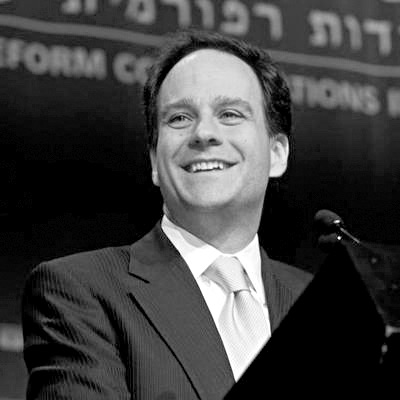
Rabbi Jonah Dov Pesner
Religious Action Center for Reform Judaism

The Festival of Shavuot provides an ideal Jewish textual grounding for celebrating our diversity, and lifting up various and dissenting voices, even as we apply the enduring values of our sacred texts to the modern day.

On Shavuot, we celebrate our ancestors receiving the Torah from God at Mount Sinai. However, the covenant of the Torah was not only for those present at Sinai. It was for all Jews — and all people — around the world and throughout the generations.

When God spoke, all people, in all the languages of the day, could understand. In the midrash, Rabbi Johanan says, “It was one voice that divided itself into seven voices, and these into 70 languages.” We learn further that when God spoke it “was with the power of all voices” to speak to each person according to their powers of comprehension (Midrash Rabbah: Exodus, Chapter 28).

We see from this beginning, from the entrance into the covenant at Sinai, that each voice counts, and the experience, culture, and heritage — the language and framework that each person brings to the study of Torah — is valuable.

On Shavuot, the Jewish people receive the Torah anew each year. Tradition calls for us to engage in all-night study. We cannot be closed off from the opportunity to learn from others. This is our opportunity not only to delve deeply into the text, but also to join in chavurah (study in partnership with another), to debate and test our assumptions. We do not shrink from the tension of disagreement but take seriously the alternate views of our peers who seek to learn from the Torah and bring its commandments to life.

Excerpted from an essay on reformjudaism.org.

Rabbi Yehuda Turetsky
Yeshivat Sha’alvim

In the first of the Ten Commandments, God said clearly and unequivocally, “I am the Lord, your God, who took you out of Egypt, from the house of slavery” (Shemot 20:2). The paramount importance of this verse is clear; there is a God, and we must believe in Him.

Yet, a basic question emerges. Why would God formulate such an important tenet of our faith without giving us insight into how to attain it? Why would something as fundamental as belief in God not come with a “how-to guide” about how to reach it? It appears that the Torah wishes to convey the message that what we believe is more important than how we believe, that knowledge of God is primary and it can be acquired in varying ways. People are not all moved the same way or inspired in the same manner. God wants us to believe in Him, but how we get there is up to us.

The recognition that people work and think differently, that there is no uniform and singular path toward belief in HaShem, is significant. It has led to divisiveness and arguments about which approach is most authentic. But, in truth, this recognition should have the opposite effect. It should encourage a more ambitious approach that is also more accepting. It should enable us to find allies instead of adversaries and engender empathy instead of enmity, all in the name of creating a more successful and integrated community.

Excerpted from an essay at yutorah.org/lectures.

Rabba Sara Hurwitz
Hebrew Institute of Riverdale

A midrashic tradition teaches us that the Israelites overslept the morning of Matan Torah. They had to be woken up, to embark on their new journey of pursuing a life of Torah, a life of God, a life of justice.

The kabbalists established Tikkun leil Shavuot, a process of “rectifying” our forebears’ lack of vigilance. While they slept, keeping the Torah and its code of ethics waiting for them, we spend the night absorbed in learning its core messages.

Tikkun leil Shavuot is an opportunity to correct past mistakes. It is a call to wake up, arouse our souls, rise to the challenge of our imperfect world, and commit not to wait to repair its brokenness. There is much to be fixed: poverty, hunger, abuse and discrimination are just a few of the many plagues that require our alert attention.

Sleep is sweet. Closing our eyes is easier than being awake and recognizing that we must address the pain and destruction that diminishes our world. But sleeping can no longer be an option. We must rise up and accept our obligation to overcome injustice.

The Talmud teaches that sleep is 1/60th of death (Babylonian Talmud, Berachot 57b). Perhaps Chazal (the rabbis of the Talmud) is teaching that if we close our eyes to the darkness that surrounds us, we may as well be dead. To truly live, to truly be alive, is to be awake to the injustices of our society, and become vigilant about responding.

Rabbi Danya Ruttenberg
Author and educator

A midrash teaches that when God spoke the words of Torah at Sinai, the voice was heard throughout the world. The Israelites ran in the direction of the voice and as soon as they would arrive, the voice would move in another direction. After trying every direction, Israelites asked one another, “But wisdom, where shall it be found? And what is the place of understanding? [Job 28:12]” (Exodus Rabbah 5:9)

It’s a funny, kind of pathetic image, isn’t it? The Israelites scuttle around, running here and there and everywhere. The Israelites’ desperation is evident, and it’s pretty clear that the anxiety that they’re experiencing is serious business.

And it feels familiar, as well. So many of us these days are in constant motion, hurtling down the street with smartphone in hand, running from work to our social lives or home lives and errands and chores, and then going to bed and doing the same thing all over again. We’re in perpetual motion, running from north to east to south and back again, chasing a truth of some sort and not finding it — and, perhaps, wondering why we’re not hearing God’s voice more often than we do.

“Wisdom, where shall it be found?” Well, how about right here?

“What is the place of understanding?” How about this place?

Would the voice have changed directions if the Israelites had determined from the outset that they would stay and hear what was to be heard in the south? The midrash tells us that God’s voice reverberates throughout the world, after all — so why are they running in circles? I wonder if, perhaps, rather than chasing after God’s voice, they might actually be running from it.

After all, revelation is terrifying. What God asks of us is not always easy — in fact, it’s usually not easy.

Excerpted from an essay on huffingtonpost.com.

TABLE FOR FIVE: Five Reflections on the Festival of Shavuot Read More »

What’s Happening in Jewish L.A. May 18-23: Mayor Talks ‘Critical Issues’; Shavuot Events

FRI MAY 18
ADVANCE L.A. CONFERENCE

The Help Group, a nonprofit that serves children, adolescents and adults with special needs, holds its 2018 Advance L.A. Conference. The theme is “Thriving Through Transitions: Finding Strengths in Differences.” Featured speakers are Dan Siegel, an author, speaker and clinical professor of psychiatry at the UCLA School of Medicine; Robert Koegel, a clinical professor of psychiatry and behavioral sciences at Stanford University; and Rabbi Naomi Levy, who discusses how “Every Soul Is Uniquely Blessed.” 8 a.m.-5 p.m. Parents and others $120, students $80. American Jewish University, 15600 Mulholland Drive, Los Angeles. (818) 779-5198. advancela.org.

JNFUTURE SHABBAT ON THE BEACH

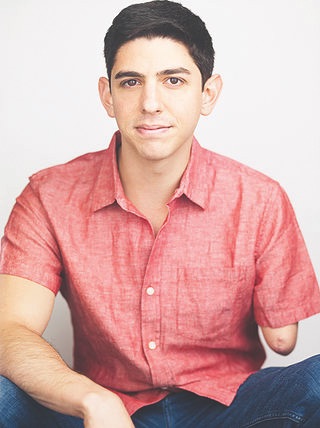
Izzy Ezagui.

Decorated Israel Defense Forces (IDF) Squad Commander Izzy Ezagui is an American who volunteered to serve in the IDF, lost his arm in combat and returned to the battlefield. He discusses his experiences in his new memoir, “Disarmed: Unconventional Lessons from the World’s Only One-Armed Special Forces Sharpshooter.” He is the featured guest speaker at this Shabbat event for young professionals. 6:30-9:30 p.m. $70 for the first 70 registrants, then $80. Annenberg Community Beach House, 415 Pacific Coast Highway, Santa Monica. (323) 964-1400, ext. 969. jnf.org.

SUN MAY 20
“A PLACE FOR US — A SYMPHONIC AND CHORAL PERFORMANCE”

Inspired by Leonard Bernstein’s dedication to making classical music accessible to all communities, Harmony Project and Urban Voices Project: A Skid Row Choir perform a special arrangement of the “West Side Story” classic “Somewhere.” The two musical groups also perform an uplifting symphonic and choral repertoire, including compositions by Tito Puente, Robert Buckley and even Carly Rae Jepsen. Leeav Sofer, the founder and bandleader of klezmer ensemble Mostly Kosher, leads the Urban Voices Project, which brings music to disenfranchised communities throughout Los Angeles County. 2 p.m. $12 general, $9 seniors, full-time students and children over 12, $7 children 2-12, free for Skirball members and children under 2. Skirball Cultural Center, 2701 N. Sepulveda Blvd., Los Angeles. (310) 440-4500. skirball.org.

MON MAY 21
AN ATTITUDE OF GRATITUDE IN OUR PRAYER

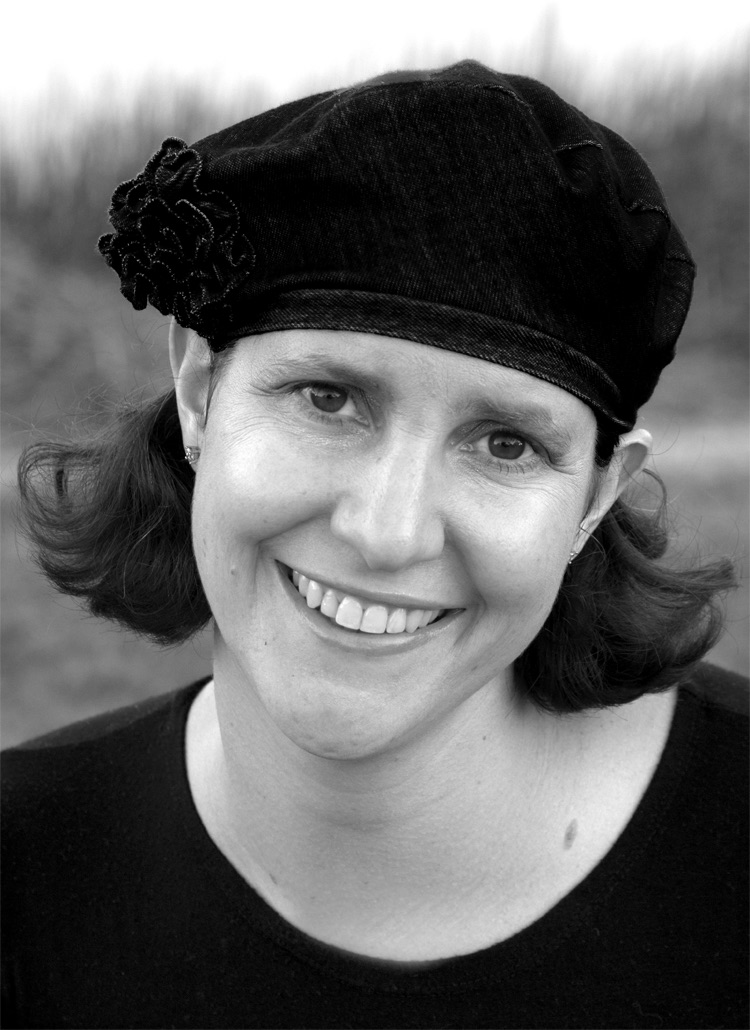
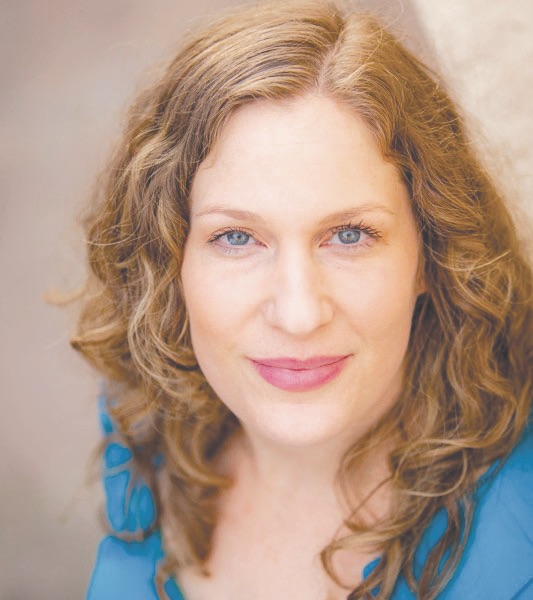
Noa Shaashua.

Kol Tikvah Cantor Noa Shaashua leads a three-part adult education class exploring different types of prayers, emphasizing the special prayers that express gratitude. She discusses the meaning and power of these prayers as they are transmuted into song, along with melodies that match the attitude of gratitude that are a hallmark of Judaism in general and prayer in particular. Students use storytelling, guided imagery, prayers, melodies and more. Two classes, including this one, remain in the series. The final class takes place on June 11. 7-8:30 p.m. Advance RSVP $36, day of $72. Cost is for the entire course. Kol Tikvah, 20400 Ventura Blvd., Woodland Hills. (818) 348-0670. koltikvah.org.

WED MAY 23
“CRITICAL ISSUES FACING OUR CITY”

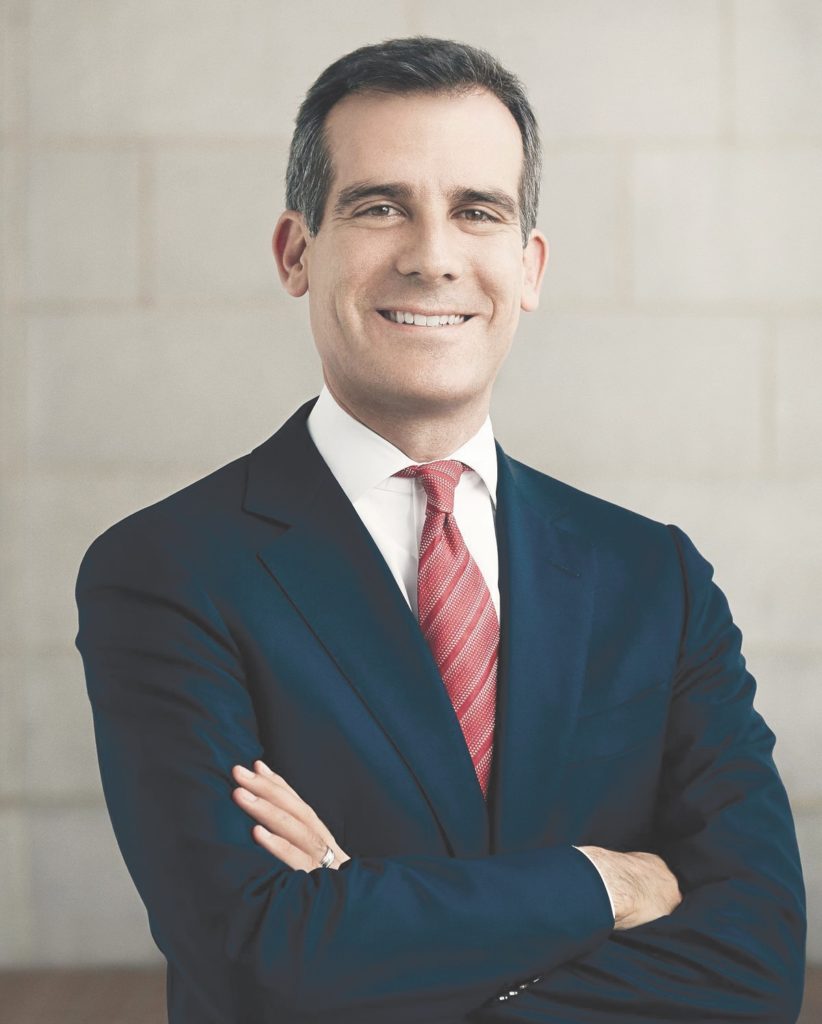
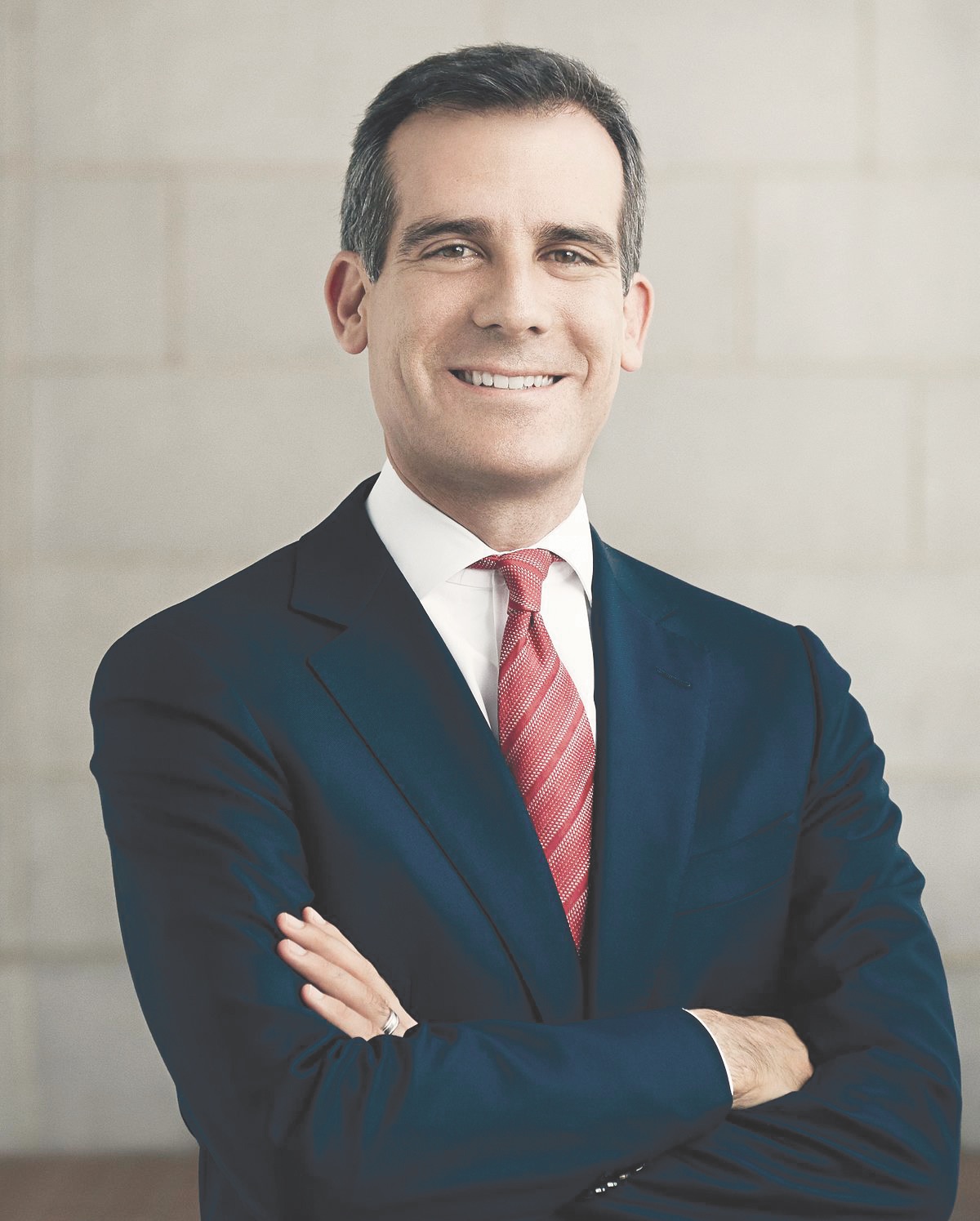
Eric Garcetti.

Los Angeles Mayor Eric Garcetti discusses “Critical Issues Facing Our City” during a breakfast with the executives of the Los Angeles Jewish Home. Garcetti, of Mexican-Jewish descent, has tackled a number of issues as mayor, including homelessness, the environment, traffic and more. Expect him to touch on these issues during this appearance. 8 a.m. social time and breakfast; 8:30-9:30 a.m. program. $35 pre-registered, $40 at the door. Woodland Hills Country Club, 21150 Dumetz Road, Woodland Hills. (818) 774-3332. theexecutives.org.


Shavuot Events

SAT MAY 19
SHAVUOT WITH TEMPLE ISRAEL

A night of wine, cheese and blintz making, with chef Danny Corsun and Temple Israel of Hollywood Rabbis John Rosove and Jocee Hudson, spotlight this adults-only Shavuot celebration. Enjoy a little bit of text study, great cooking and a lot of wine. 6-8 p.m. Free. Private residence. (323) 876-8330. tioh.org.

THIS, TOO, IS TORAH

Join IKAR for all-night (or most of the night) learning in traditional and some not-so-traditional sessions. Participants learn how everything can be Torah and can get their fill of all things dairy. 7:45 p.m.-1 a.m. Free, no RSVP required. Shalhevet, 910 S. Fairfax Ave., Los Angeles. (323) 634-1870. ikar-la.org.

A NIGHT OF TRANSFORMATION

Experience a night of transformative Torah learning and explore the ways the Jewish people transcend, transmit, translate, transgress and transform our tradition. 6:45 p.m. Mincha, 7:15 p.m. seudah shelishit with light dinner, 8:15 p.m. Ma’ariv and Havdalah, 8:45 p.m. opening session. $18. Temple Beth Am, 1039 S. La Cienega Blvd., Los Angeles. (310) 652-7353. tbala.org/shavuot.

“MOSES: A MUSICAL PORTRAIT”

Valley Beth Shalom holds composer Sergio Barer’s musical program “Moses: A Musical Portrait,” featuring selections from Barer’s work presented with the San Fernando Valley Master Chorale, Wilshire Boulevard Temple String Quartet and piano accompaniment. The evening also features a study session and conversation with Barer; Ma’ariv; blintz reception; and a late-night study session with rabbis. 7-11:30 p.m. Free. Valley Beth Shalom, 15739 Ventura Blvd., Encino. (818) 788-6000. vbs.org.

ALL NIGHT LEARNING

Nessah Congregation’s 11th annual all-night learning features Rabbi David Sabbah discussing “The Answer of What Life Is About,” “The New Secret for Our Generation” and “The Power of One: Kabbalah, Chassidut and the Mysticism: Necessary and Essential Paths to Power.” Rabbi Yitzkhok Sakhai discusses “Going Back to Our ‘Ruths.’ ” Reception at 11:15 p.m. followed by lectures. Full breakfast served after Shacharit. Free. Nessah Congregation, 142 S. Rexford Drive, Beverly Hills. (310) 273-2400. nessah.org.

SPIRITUAL REFLECTIONS AND STUDY

Join Temple Judea for an intimate gathering filled with learning, music, study and more. 8-10 p.m. Free. Private residence, address provided upon RSVP. (818) 758-3800. templejudea.com.

NASHUVA SHAVUOT

Nashuva holds a Shabbat Havdalah service, Shavuot learning, meditation and meal, and 14th birthday celebration. Don’t miss a night of wisdom, transformation, light and music with Nashuva Rabbi Naomi Levy and the Nashuva band. Blintzes and cheesecake served. 7:30-9 p.m. Free; donations welcome. Vista Del Mar, 3200 Motor Ave., Los Angeles. nashuva.com.

KEHILLAT MA’ARAV SHAVUOT

Celebrate Shavuot with Kehillat Ma’arav. The Conservative congregation holds a dairy dinner, singing under the stars, synagogue-made cheesecake dessert and learning. Kehillat Ma’arav, 1715 21st St., Santa Monica. km-synagogue.org.

SNL: SHAVUOT NIGHT LIVE

Join Pico Shul for a night of relevant and fun learning and food. Participants include Rabbi Yonah and Rebbetzin Rachel Bookstein; Cheston Mizel and Batsheva Frankel. The evening kicks off with Mincha, followed by a third meal, singing and more. A Shavuot dinner (RSVP online) begins at 8:30 p.m. Afterward, Torah learning — with fast-paced (20 minutes or less) classes on various topics — commences, with coffee, beer and a cheesecake buffet. A midnight sushi bar requires RSVP. 7 p.m. through the night. Free. Pico Shul, 9116 W. Pico Blvd., Los Angeles. picoshul.org.

“FINDING FAITH IN THE GOD YOU MIGHT NOT BELIEVE IN”

Writer, lecturer and teacher Michael Berenbaum discusses his recent trip with young professionals on March of the Living and his experience engaging millennials in their exploration of faith and Jewish identity. The event kicks off with Havdalah. 8:15-10 p.m. Free. Sinai Temple, 10400 Wilshire Blvd., Los Angeles. (310) 474-1518. sinaitemple.org.

What’s Happening in Jewish L.A. May 18-23: Mayor Talks ‘Critical Issues’; Shavuot Events Read More »

Moving & Shaking: JWW Fundraiser, Big Brothers Golf Classic

Jewish World Watch (JWW) held its annual Global Soul fundraiser on May 8 at the Annenberg Space for Photography in Century City, raising funds and awareness for the organization’s work fighting mass atrocities and genocide.

The Encino-based nonprofit celebrated its 14th year since its founding by honoring Ben Reznik, an attorney, philanthropist and activist who is also the husband of JWW co-founder Janice Kamenir-Reznik.

Los Angeles Mayor Eric Garcetti delivered a video address praising Reznik and JWW for their activism.

“My thanks to Jewish World Watch for your tireless efforts to build a world without genocide,” Garcetti said.

Officials and prominent community members in attendance included Consul General of Mexico in Los Angeles Carlos Garcia de Alba; Los Angeles City Councilmembers David Ryu, Paul Koretz, Mike Bonin and Nury Martinez; Jewish Federation of Greater Los Angeles President and CEO Jay Sanderson; and Rabbis Mark Borovitz, Richard Camras, Noah Farkas, Ed Feinstein, Nina Feinstein, Arthur Gross-Schaefer, Chaim Seidler-Feller and Richard Spiegel, a JWW board member. Also present were Pastor Kasereka Kasomo of the African Christian Community Church of Southern California; attorney and activist Sam Yebri; Beit T’Shuvah founder Harriet Rossetto and Aziza Hasan, executive director of NewGround: A Muslim-Jewish Partnership for Change.

Former Los Angeles County Supervisor Zev Yaroslavsky, a JWW board member, presented the Global Soul honor to Reznik, recounting their days carpooling to Hebrew school together and their activism in the Soviet Jewry movement, calling Reznik “a tough lawyer” and a “mensch.”

“He’s got the courage of his intellect and his convictions,” Yaroslavsky said.

The open-air event featured traditional African music — a nod to the organization’s humanitarian work in Africa — as well as excerpts from the play “Sister Africa” by playwright Stephanie Liss, performed by actors Takesha Meshé Kizart and Christopher McLellan, based on testimonies from survivors of rape and mass atrocities in the Democratic Republic of Congo.

The event also showcased JWW’s work with impacted communities in Syria, Myanmar, Chad, Sudan and Iraq. Reznik, whose parents were Holocaust survivors, said the work of JWW is necessary to ensure that the world does not remain silent in the face of mass atrocities as it did during the Holocaust.

“That is why this honor from this organization means so much to me,” Reznik said. “I can think of no more deserving cause to support with my heart, my soul and my wallet.”

Friends of Sheba Medical Center supporter Marilyn Ziering (left) and 2018 Marjorie Pressman Legacy Award recipient Dvorah Colker attend the Friends of Sheba Women of Achievement Luncheon. Photo courtesy of Friends of Sheba Medical Center.

Friends of Sheba Medical Center held its annual Women of Achievement Luncheon at the Beverly Wilshire hotel on April 26, raising more than $350,000 to benefit Sheba Medical Center, Tel HaShomer.

Drawing 450 attendeees, the event honored Judy Flesh Rosenberg with the Women of Achievement Award and Dvorah Colker with the Marjorie Pressman Legacy Award. Helene Boston and Parvin Djavaheri co-chaired. Lynn Ziman served as the honorary chair and Beverly Cohen as the vice chair.

Serving as the emcee, Israeli-American actress Moran Atias (“Tyrant”) highlighted Sheba Medical Center’s position at the forefront of the fight against cancer. Sheba patient Tamir Gilat discussed his battle against an aggressive form of cancer under the care of Sheba Medical Center, thanking Sheba’s remarkable staff for providing world-class treatment, hope and support to him and his entire family.

“We were very happy to welcome so many new friends to our community and together make a direct impact on cancer treatment worldwide,” Friends of Sheba Medical Center President Parham Zar said after the event.

Sheba Medical Center, Tel HaShomer is the largest and most comprehensive medical center in the Middle East. It combines an acute care hospital and a rehabilitation hospital on one campus, and it is at the forefront of medical treatments, patient care, cutting-edge research and education. As a university teaching hospital affiliated with the Sackler School of Medicine at Tel Aviv University, it welcomes people from all over the world. “

Esther Kustanowitz, Contributing Writer

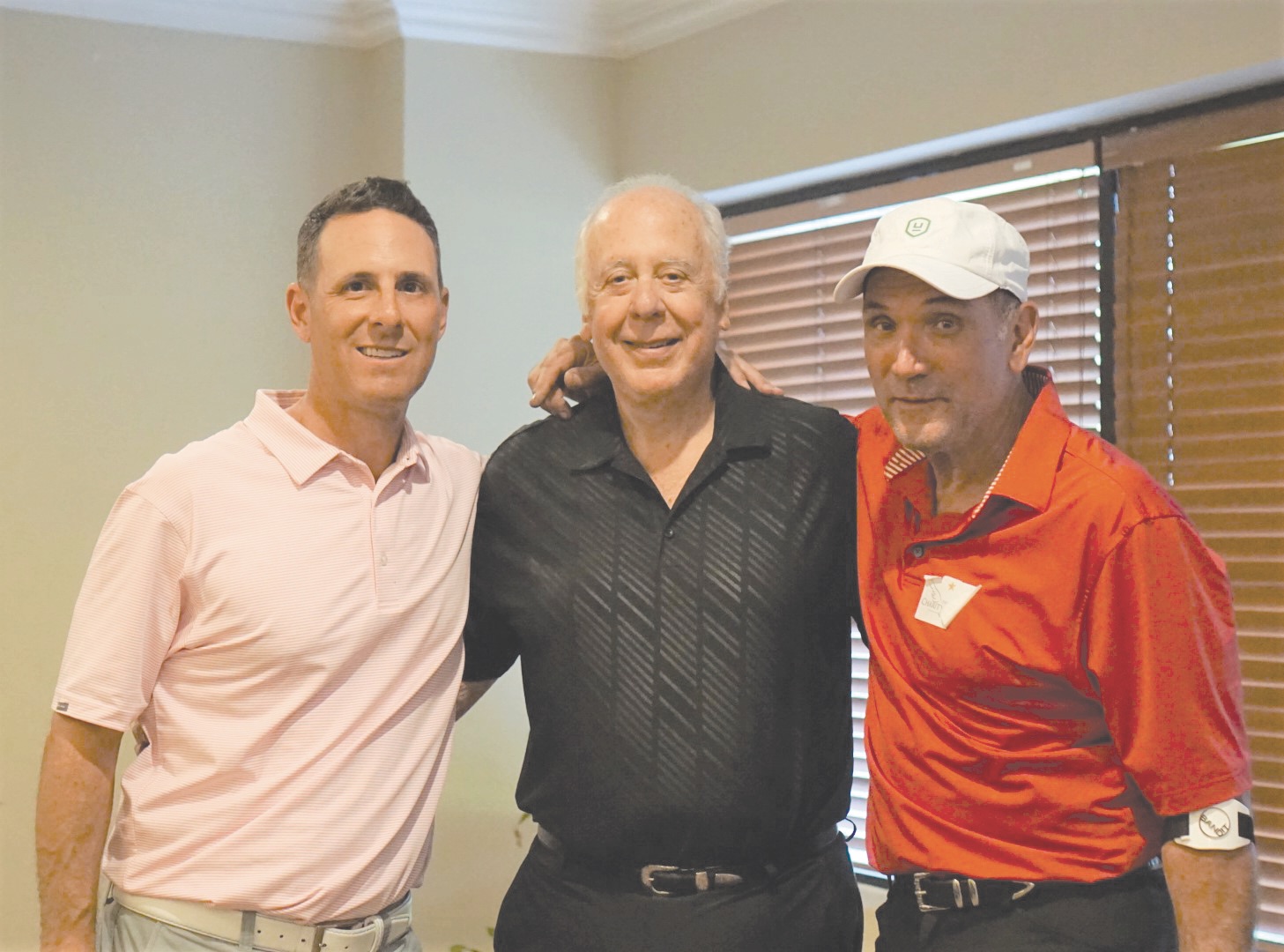
From left: Joey Behrstock, Bob Waldorf and Steve Miller turned out for the Jewish Big Brothers Big Sisters of Los Angeles 23rd annual golf classic. Photo courtesy of Jewish Big Brothers
Big Sisters of Los Angeles.

Jewish Big Brothers Big Sisters of Los Angeles (JBBBSLA) held its 23rd annual golf classic on April 23, honoring former camper and longtime supporter Bob Waldorf.

The tournament brought together more than 150 players and supporters at the Valencia Country Club.

The event raised $265,000, which will enable underserved children to attend the agency’s camp, Camp Bob Waldorf on the Max Straus Campus, for free this summer.

The event’s lead sponsor, Gelt, Inc., was founded by Keith Wasserman. Wasserman and his wife, Gelena, are volunteers in the agency’s mentoring program.

JBBBSLA CEO Randy Schwab said he was thrilled with the community support of this year’s golf classic.

“Camp Bob Waldorf is more than a summer camp. Campers from all over Los Angeles attend dynamic and innovative programming year-round. From our social justice winter break camp to teen electives that help them explore their passions, all our programs focus on positively impacting our camper’s self-esteem and feeling of community,” Schwab said. “Most importantly, they get to have a break from the stressors of their home life and just be kids.”

Many of the campers that attend Camp Bob Waldorf face disadvantages like food insecurity, poverty and crime-ridden neighborhoods. Through community support, campers receive partial or full financial aid.

“This annual event ensures that these vulnerable youth are able to experience the support, valuable life lessons and character-building skills that camp provides,” a JBBBSLA statement said.

Owned and operated by JBBBSLA, Camp Bob Waldorf on the Max Straus Campus is a nondenominational residential camp located on 112 acres in the Verdugo Mountains of Glendale. Since 1938, the camp has helped more than 60,000 underserved children, offering youth development activities for children as young as 9 and providing services to them through the age of 17 and beyond.

From left: Incoming Temple Beth Am President Avi Peretz, L.A. City Councilman Paul Koretz and Outgoing Beth Am President Susan Hetsroni enjoyed the Temple Beth Am groundbreaking gala.
Photo by Steve Cohn Photography.

Conservative congregation Temple Beth Am held its groundbreaking gala on May 6.

More than 350 people attended the evening event, which began with an outdoor reception and a “Passing the Shovel” ceremony, which recognized many in the community who have been involved in the congregation’s construction projects for nearly a decade.

The congregation will be renovating its historic sanctuary and building a new middle school facility that will provide innovative space for project-based learning and an enhanced STEAM (science, technology, engineering the arts and mathematics) curriculum.

The gala featured a dinner in the temple’s ballroom, where the congregation honored outgoing Education Vice President Karen Fried and President Susan Hetsroni for their passion and dedication to Pressman Academy of Temple Beth Am, the congregation and the broader Jewish community.

Fried’s successor is Jennifer Elad and Hetsroni’s successor is Avi Peretz.  The new officers begin their terms on July 1.

Attendees included L.A. City Councilman Paul Koretz, who praised Temple Beth Am for its work and the partnerships it has forged.

From left: Sinai Temple Gala co-chairs Ebi and Lida Simhaee, Sinai Temple Rabbi David Wolpe, Gala Co-Chair Judy Flesh, Sinai Temple President Angela Maddahi and Gala Co-Chair Tom Flesh celebrated Wolpe’s 20 years of leadership during the Sinai Temple Gala. Photo courtesy of Sinai Temple.

More than 720 Sinai Temple members and friends gathered to honor Sinai Temple Max Webb Senior Rabbi David Wolpe’s 20 years of leadership during the Sinai Temple Gala on May 6.

The themes of the evening were inclusion, acceptance and unity.

The Sinai Temple Gala not only celebrated Wolpe’s legacy of leadership and community building but also marked the official announcement of the naming of the Elaine and Gerald Wolpe Parenting Center of the Alice and Nahum Lainer School of Sinai Temple, in memory of Wolpe’s parents.

Accepting his award, Wolpe spoke words of admiration and appreciation for his parents, who, he said, shaped him into the inspirational, spiritual leader he is today.

Additional highlights of the program included a choir performance by Alice and Nahum Lainer School and Sinai Temple Religious School students, led by Cantors Marcus Feldman and Lisa Peicott; a musical performance by Craig Taubman; an invocation by Rabbi Bradley Shavit Artson; a video presentation highlighting the effects of Wolpe’s work and a ha-Motzi recitation, led by rabbis who have each touched Wolpe’s life over the years.

Emcee Rick Lieberman kept the program flowing and infused humor into the festivities.

The Sinai Temple Gala raised more than $1.6 million to benefit synagogue programming and the parenting center. The Younes and Soraya Nazarian Family Foundation provided the lead gift.

Moving & Shaking: JWW Fundraiser, Big Brothers Golf Classic Read More »

Gina Nahai: fiction, non-fiction and #MeToo

[iframe style=”border:none” src=”//html5-player.libsyn.com/embed/episode/id/6605347/height/100/width/480/thumbnail/yes/render-playlist/no/theme/custom/tdest_id/689387/custom-color/dfdfdf” height=”100″ width=”480″ scrolling=”no” allowfullscreen webkitallowfullscreen mozallowfullscreen oallowfullscreen msallowfullscreen]

Author Gina Nahai shares her thoughts on the intersection of fiction and non-fiction, and her frank take on the #MeToo movement. Nahai also touches on her new book and the powerful story of the Tehran Children.


The “Tehran Children” is the name used to refer to a group of Polish Jewish children, mainly orphans, who escaped the Nazi German occupation of Poland.

Check out this episode!

Gina Nahai: fiction, non-fiction and #MeToo Read More »

Letters to the Editor: Reviving Judaism, Middle East and Diaspora

Reviving Judaism

For 30-plus years, the Conservative movement has not seriously addressed why younger Jews have left this branch and its philosophy.

As writer Steven Windmueller assesses the situation, one of his ways is to build from the bottom (“Reinventing Liberal Judaism,” May 11). I did this in the Philadelphia area 30 years ago, but the elders did not support it.

In less than nine months, we grew a 30-ish crowd from 10 to 60, including their families.

This is the only way to introduce Judaism to those who resist and to listen to the younger population so that the institution provides for their needs.

Baby boomers must give way to the needs of the millennials or Conservative Judaism will not be viable in the near future (10 years).

Warren J. Potash, Moorpark


Insight Into Torah Portion

I would like to thank the Journal for publishing Rabbi Jonathan Sacks’ Table for Five commentary in the Journal’s May 11 issue. It provides deep insight into the parsha. However, the rabbi goes much further, enunciating simply and clearly God’s role and rights as the creator of the universe and in consequence, linking core principles of Judaism to these rights. It is, for me, an unforgettable “teaching moment,” beautiful in its simplicity, clarity and importance.

Hopefully, the Journal will provide more of Sacks’ commentaries and insights in the future. Table for Five is one avenue to accomplish this, but I am sure the Journal has others. We need them.

Edward Gomperts, Glendale


Complex Issues in the Mideast

I read the May 4 edition of the Jewish Journal with great interest. As a non-Jew, I was happy to read the Leon Wieseltier view that “the merit of a view owes nothing to the biography of the individual who holds it” (“Should American Jews Criticize Israel?”).

So here goes. I read in Rick Richman’s story (“The Second and Third Israeli Miracles”) that the Palestinian Arabs have rejected six offers of a state. My question is: How many of these offers would have stopped settlement in the West Bank and dismantled the settlements and removed the settlers?

And the other question: Suppose California were occupied by, say, Mexicans. How many Californians would have supported the “offer of a state” that would leave more than half a million Mexican settlers in hilltop strongholds and withheld a slew of powers over the economy, security and policing?

Christopher Ward via email

When Israeli Prime Minister Benjamin Netanyahu revealed Iranian duplicity with respect to Iran’s nuclear program, he was preaching to the converted. This is much ado about nothing, since the P5+1 took Iranian mendacity into strict account when fashioning the inspection regime that is part of the Iran nuclear deal.

The nuclear agreement with Iran that slows its development of atomic weapons is a bad accord for many reasons. President Donald Trump is right to force the issue now. He does not need a primer on Iran and its penchant for lying. The president has decided it is better to scrap the agreement altogether and re-impose sanctions, or try to amend the agreement as our allies prefer.

Brian J. Goldenfeld, Woodland Hills

I would strongly encourage journalists to emulate the unflinchingly centrist style of Michael Berenbaum’s recent column (“Pity Mahmoud Abbas,” May 11). Most who criticize the Israeli government’s approach to the conflict with Palestinians tend to forget or ignore just how awful and intransigently anti-Semitic the leadership is on the other side. And most who decry the wrongs of Abbas or other Palestinian leaders tend to forget or ignore the suffering of the very people they lead.

If only we could stop being so one-sided in our rhetoric and attitudes, we might lessen the number of people so brainwashed by the “left” that they forsake the need to defend Israel from her truest enemies, or so brainwashed by the “right” that they forsake the need to prevent Israel from emulating said enemies.

Michael Feldman, Los Angeles

I am very confused. It feels like if I support Israel’s existence, then I am supposed to be pro-current administration (i.e., President Donald Trump), which I definitely am not! But if I support peace and freedom for everyone in the Middle East, I am supposed to do that by opposing the “occupation” of the West Bank and by supporting activities and groups that all lead to Hamas — a group defined as working to destroy the Jewish state.

All my left-wing friends support “anti-Zionism,” which translates to pro-Hamas, but they insist that they like Jews and will defend the rights of Jews. My right-wing friends (yes, I have some) support the idea of a Jewish homeland but they support many other things that I find odious.

Strange bedfellows, no? I want to find a place in the middle. I think maybe we should move the homeland to Antarctica but someone will surely accuse us of oppressing the penguins.

Lynne Bronstein, Van Nuys

Notwithstanding his fighting words in a recent mosque sermon that Tel Aviv and Haifa will be totally destroyed by the Islamic Republic of Iran, Ayatollah Ahmad Khatami should sit down and shut up. Israel’s air force did serious damage to Iranian military installations in Syria last week in retaliation for Iran’s Revolutionary Guard assault, seemingly launched against the advice of Russia and their Syrian hosts, when it fired 20 rockets at Israel.

Sadly, the murderous threats emanating from imams in mosques all over the world, that Israel/America/Jews must be destroyed, have a “blowback” effect in making Muslims who are innocent of such hatred look like extremists. One might hope that the moderates would be able to suppress those imams who preach hatred from their pulpits.

Maybe they’re too afraid, or worse, maybe they don’t want to. It’s difficult to know which, but also easy to feel compelled to defend against vile religious leaders who can’t seem to be shut down by those who wail about Islamophobia.

Desmond Tuck, San Mateo


Less Shouting, More Listening

I read on the Journal website “Pro-Palestinian Protesters Attempt to Shut Down Israeli Speakers and Fail” by Aaron Bandler, and I agree totally with the reporter. I believe that the Palestinians’ chanting was unacceptable. I think it was great of UC Irvine’s Students Supporting Israel to point out that they would show their perspective and not keep silent. Also, they said that they will continue to make the voices of the pro-Israeli students heard. That shows peace, not hate, which is what the world needs.

Eliyaou Eshaghian, Tarzana


Israelis in the Diaspora

This is another in a long line of letters disputing wild, unsourced journalistic estimates of Israelis living in the Diaspora, which Danielle Berrin has repeated as “more than 1 million” (“Wandering Israelis,”  April 13).

The most trusted demographic estimate done by Pew Research in 2010 was 230,000 Jewish emigrants from Israel living in other countries, with the most, 110,000 in the U.S. This aligns with my 1982 published estimates for Israeli emigrants in the U.S. and about my estimate of 25,000 living in and around Los Angeles.

Fun fact: Using Berrin’s source data from the Israel Central Bureau of Statistics of about 2.2 million flying abroad in a six-month period, and the U.S. nonimmigrant Israeli entry estimates for roughly the same period, fewer than 1 in 10 Israeli tourist flyers eventually landed in the U.S. As we are all learning, visiting or immigrating to the U.S. is a pain.

While the Los Angeles Israeli community has become much more organized, now raising tens of millions of dollars yearly through the Israeli-American Council (IAC), in the 36 years since a realistic estimate of numbers has been published, I have not found any evidence that the number of Israelis has changed substantially from being about 1/20th of the Los Angeles Jewish community.

Pini Herman, Beverly Grove

(This letter originally appeared in the April 20 edition.)

Berrin responds: Pini Herman asserts that my column includes “wild, unsourced journalistic estimates” regarding the number of Israelis living in the Diaspora. This is untrue. While it is difficult to estimate the exact number of Israelis living in the Diaspora for a variety of reasons, the upward trend is clear. Estimates from Israel’s Central Bureau of Statistics, the Israeli Ministry of Immigrant Absorption, the prime minister’s office and a Pew Study suggest the number could be as low 300,000 and as high as 1 million. Just last week, Newsweek reported that from 2006 to 2016, more than 87,000 Israelis became U.S. citizens or legal permanent residents, according to data from the U.S. Department of Homeland Security. This is up from 66,000 from the previous decade. For a long time now, rumors of a so-called Israeli “brain drain” have permeated public discourse. In 2011, Foreign Policy ran a story headlined “The Million Missing Israelis.” Last August, the Jewish Telegraphic Agency wondered, “Can Israel bring home its million U.S. expats?” Many of these articles examine the ways the Israeli government has tried to stanch the brain drain by enticing the best and brightest Israelis back home, sometimes through ad campaigns or initiatives like the 2011 I-CORE program, a $360 million initiative to lure Israeli scholars back to Israeli universities. According to Newsweek, “Results were so underwhelming that the program was ended after three years.”

None of these facts is wild or unsourced; we ought to pay attention to the trend suggested by even inexact statistics.


CORRECTIONS

A story about the death of Rabbi Aaron Panken (“Remembering Rabbi Aaron Panken,” May 11) mistakenly reported the date of the Hebrew Union College-Jewish Institute of Religion New York ordination ceremony as May 7, two days after Panken’s death. The ceremony was held May 6, one day after his death.

An item in the May 11 edition of Movers & Shakers incorrectly identified Tanya Waldman as the co-director of Witness Theater: Voices of History. Her name is Talya Waldman. Also, a photo caption accompanying the May 1 Israel Bonds luncheon mistakenly identified Marlene Kreitenberg as Ruth Low.

A headline on a Q-and-A with Rabba Sara Hurwitz failed to include her honorific (“An Orthodox Woman in the Time of #Metoo,” May 11). The Journal regrets the oversight.

Letters to the Editor: Reviving Judaism, Middle East and Diaspora Read More »