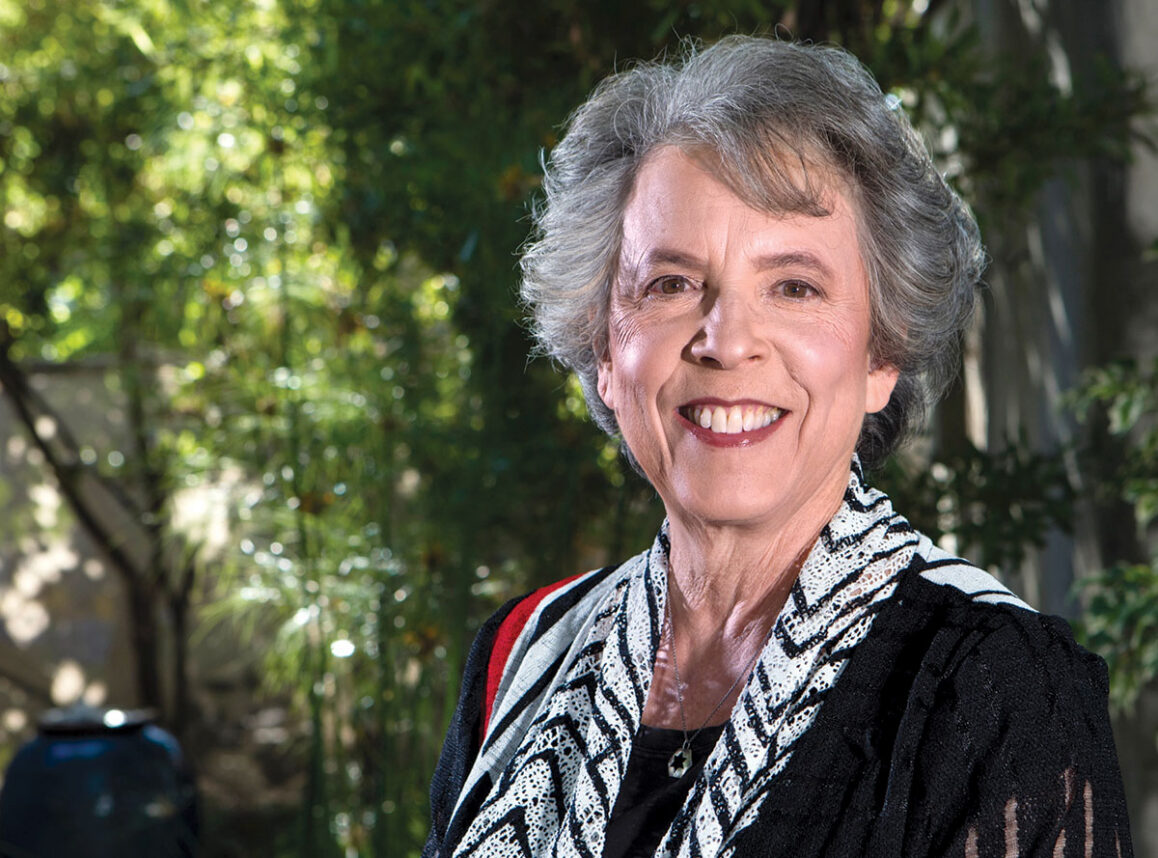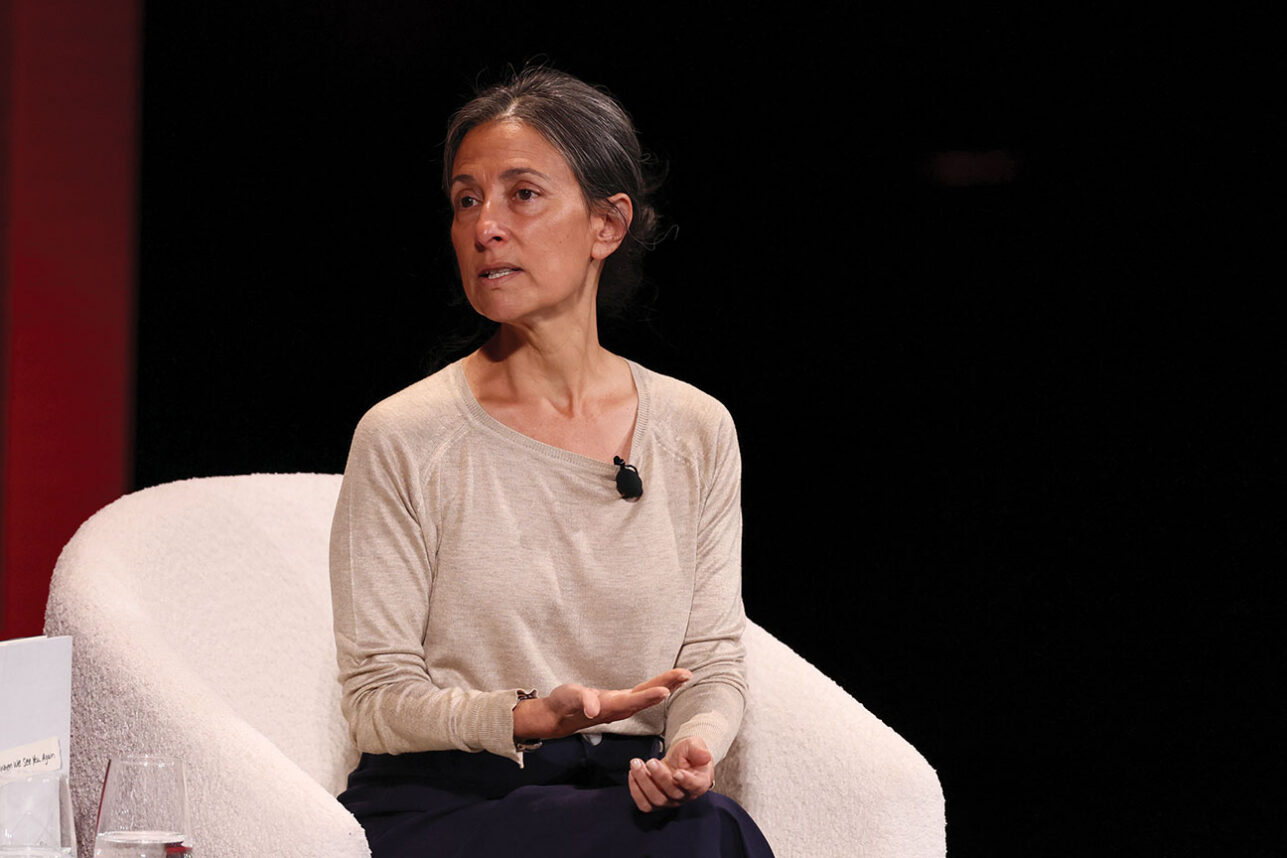
Many science fiction films depict a future that is colder and more oppressive than our present day — dystopias like those in movies ranging from 1927’s “Metropolis” to 2012’s “The Hunger Games.” But Israeli-born writer-director Ela Thier prefers to consider the opposite possibility.
“I wanted to turn that paradigm on its head,” she said during a telephone interview from her apartment in New York’s East Harlem. “What if the future is exactly what we’d want it to be … a world that is built on compassion? We’re taught in subtle ways to believe that’s impossible — that greed, violence and shortsightedness are inevitable. But I wanted to create a film to make us question that assumption.”
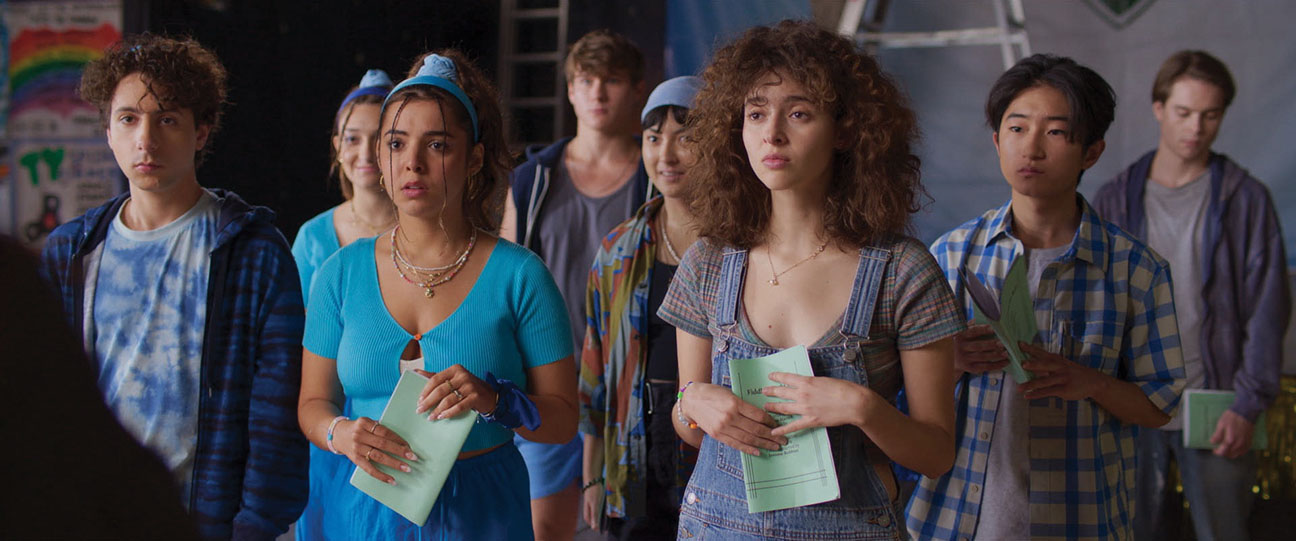
The result is Thier’s new comedy-drama, “Tomorrow Ever After,” spotlighting a historian named Shaina (played by Thier), who accidentally gets transported from the year 2692 to New York City circa 2015. Hers is a benevolent society where loneliness and even national borders have been eradicated. So in the early 21st century, she experiences a profound culture shock as she is mugged, encounters cynicism and realizes that people often ignore one another. The film follows Shaina’s struggle to comprehend this alien world, as well as the effect that her own kindness has on a diverse group of New Yorkers.
The citizens of 2015 are immersed in a period that Shaina’s contemporaries refer to as the “Great Despair.”
“In many ways, we’re so used to feeling discouraged that we don’t even notice it,” Thier said. “Like the fact that you can live next door to someone for years and never even know their name. And we say this is an isolation that our culture views as normal. The film tries to get people to consider that something else is possible.”
Thier believes filmmakers “can play a really important role in helping to create the world that the movie describes. For me, being an artist is doing my part in tikkun olam [repairing the world].”
Thier, 45, believes “Tomorrow Ever After” is a film she could make precisely because she’s Israeli. She traces her point of view to growing up in the working-class town of Yavne.
“We were one of only two white families at the time. It was mostly Jews of color, from North African and other Arab countries,” she said. “I absorbed tremendous wisdom living there — a sense of generosity and hospitality — that our culture today often can dismiss or overlook.”
Yet in 1982, Thier, then 11, and her family were dispirited upon the onset of the Lebanon War. Thier’s uncle was killed by friendly fire during the conflict and the filmmaker vividly recalls “the tension in our home waiting every day to find out that my father was still with us.”
“My dad had been in several Israeli wars at that point, and he was not OK joining another one,” she said. “My parents didn’t think of that war as being a war of defense and they didn’t want to participate.”
And so the family left Israel in 1982 and moved to West Hartford, Conn., where Thier, like the fictional heroine of “Tomorrow Ever After,” experienced a deep culture shock. Her classmates often ostracized her, and one of them even asked her if any Israeli girls were pretty.
Thier eventually befriended the only other immigrant girl in her class, a student from Vietnam, and the preteens bonded over their shared struggle to adapt to life in America.
In 2009, those memories prompted Thier to make a short film, “A Summer Rain,” and then a 2012 feature, “Foreign Letters,” about her days as an Israeli newcomer in the United States.
In “Tomorrow Ever After,” Thier deliberately reveals that her character is Jewish. “That was a shoutout to my people to let them know that I don’t see us going anywhere,” she said. “As far as the future goes, Jews are going to be around, and thankfully so.”
Thier, meanwhile, is devoted to creating her own sense of artistic and geographical community in New York. She has mentored a diverse group of filmmakers through her Independent Film School, which she founded in 2006.
And since moving to East Harlem about two months ago, she is trying to get to know her new neighbors.
“I’d love to … have a local community of people that supports each other in their personal lives,” she said. “That’s going to be my project for the next 10 years.”
“Tomorrow Ever After” opens in Los Angeles on May 5.