Now that my granddaughter Piper is completely sucked into the vortex of Texas tweenhood, she doesn’t have time for the things we used to love. Activities like baking cakes, reading stories at bedtime and sharing a joke while cuddling are so over. She’d much rather spend her time texting with friends or ruminating on whom to sit next to at lunch—big issues when you’re nearly twelve.
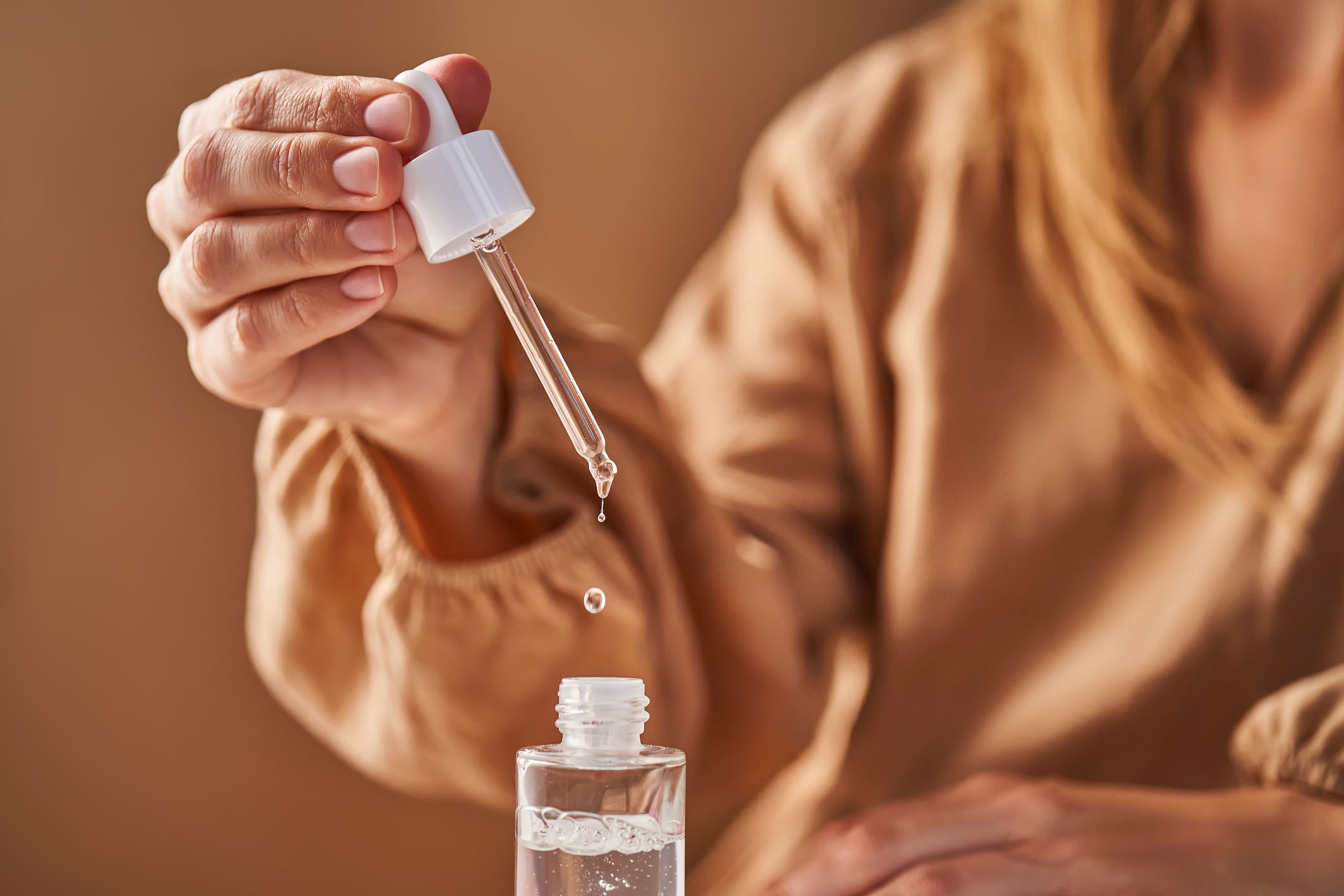
Skin care is our only common ground at the moment. On my last visit I brought her a little selection of age-appropriate products, cutely packaged in pastel colors and cleverly tucked into the statusy black and white bag from Sephora. Any guilt I may have felt about promoting distorted standards of beauty to an 11-year-old dissolved as soon as I saw her eyes light up. The gift was a homerun.
“Do you mind if we discuss your skin care routine?” I asked, seeing an angle to re-enter her inner sanctum. I had been eyeing a weird little mini-fridge for storing potions that has been sitting on her bathroom counter since she came back from summer camp. What, I wondered, does a pre-teen girl with perfect skin need to keep up her looks?
The heart wants what it wants, and the pre-teen girls at her Austin school, brought up on Instagram with beauty icons like Kim Kardashian who crave a picture-perfect, polished and shined, obviously made-up face. The natural look of my youth is as soggy as wilted bean sprouts. “What’s the advantage of being the only kid at school not using concealer?” P might ask? And so, like other girls her age, she collects little tubes and jars of magical goop to jump start the lifelong job of maintenance.
A century ago, when I was her age, wrinkles were the last thing on my mind. Working on a tan, aka baking in the sun, was de rigueur for girls looking to leave the Bronx. As soon as it was warm enough, we’d gather our beach chairs and towels and climb the stairs to the roof. Once settled on the bubbling tar, with the sounds of traffic screeching below, we’d raise our oiled faces to the sun for as long as we could endure. Those with resources, and mothers who allowed it, bounced up the UV rays with a three-sided cardboard shelf lined with tin foil that tucked under the chin. Blisters were a sign of excellent tanning.
A well-bronzed complexion was a status symbol back then. Movie stars, film characters like James Bond, and rich people on Park Avenue travelled to sunny places in the winter. They came back lacquered and bronzed, shining and shimmering like gold domes in a sea of New York gray. Who knew that 50 years later we’d be spending so much time and money on not getting a tan, or removing the after-effects? Except for one former President.
Like many women of my generation, children of the sixties, my skin-care routine was non-existent in my late teens. During the back-to-the-earth years, naturalness was considered a virtue. After college, when I returned to New York to work, I fell for the efficacy of Clinique and its scientific claims and minty packaging. Since then I have not lived a day without slathering their products on my face and neck in hopes of slowing things down.
Now in my 70s, visits to the dermatologist have replaced psychotherapy in terms of return on investment. At my regular scraping, freezing and zapping sessions in Los Angeles, the possibilities to turn back the clock are everywhere. I try to ignore the before-and-after posters, although one featuring a mother and daughter combo sticks in my brain for days. It’s impossible to tell who gave birth to whom—as if that is a good thing! Sensing my reaction to that poster, my doctor is now offering me a sympathy discount on laser—something I’m considering. P’s embrace of skin-care has opened me up to the possibilities.
Now in my 70s, visits to the dermatologist have replaced psychotherapy in terms of return on investment.
Taking that tour of my granddaughter’s beauty products gave me a rare peek into her private life. She adored spreading out her cache of treasures, sitting in front of a mirror and putting on her face. Layers of pink cream, a dusting of glitter on the cheekbones, mascara on her eyelashes. She took care with every application and had fun in the process. I loved watching her transformation and getting a small glimpse into what it means to be a girl in the 21st century. Fashions change, I reminded myself, and little girls grow up. I’m so glad that I did not stage an emotional second-wave feminist intervention. “Grandma went off the deep end,” I could just hear her reporting to her parents.
Instead my message to my granddaughter is simple: Moisturize, moisturize, moisturize, preferably with a sunscreen of SPF 25 and above; wear a sunhat; do your homework!
Los Angeles food writer Helene Siegel is the author of 40 cookbooks, including the “Totally Cookbook” series and “Pure Chocolate.” She runs the Pastry Session blog.