When I thInk of religion, I think of a painting my brother drew when he was 8 years old. It’s a picture of my childhood church, where I was baptized and my parents were married. There, in the middle of a center pew, is my stick figure family, fast asleep. He titled the painting “Snooze Town at Easter Mass.”
Although my parents aren’t devoutly religious, they forced us to go to Christianity classes and Mass once in a while. They believed Mass provided good family time and connected us to important values. My siblings and I usually sat in the pew scowling, not the least bit interested in what the priest had to say. Why did we have to be here? Why did we surround ourselves with people we didn’t actually know?
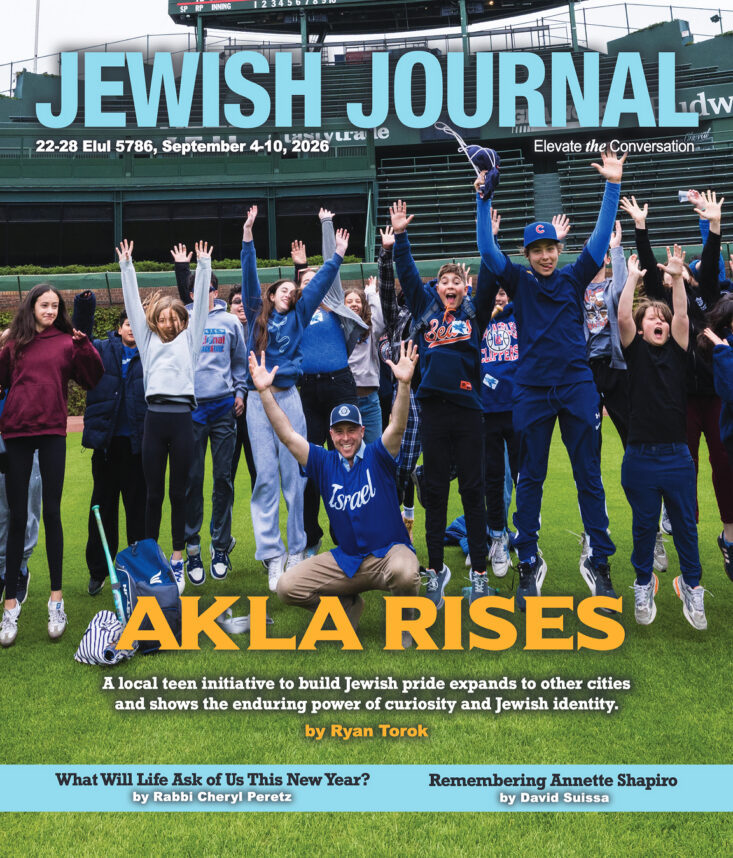
Last year, after contemplating my own beliefs, I decided to give up Christianity altogether, not out of boredom but out of an inability to connect the details of the Bible (which I did not believe in) with the values my parents and I found important. I believed in honesty, generosity, love and compassion. I just didn’t believe in the story of Jesus Christ, our supposed savior. I freed myself to live by my own personal beliefs. I meditated at a Buddhist temple every week, not in an effort to convert to Buddhism but to reflect on my own thoughts. It wasn’t until I started my internship at the Jewish Journal this summer that I realized I had been missing something.
In a strange way, interning at the Journal felt like the obvious next step in my spiritual journey. I had learned at the Buddhist temple that putting myself in an environment where I didn’t fit in (surrounded by Mandarin-chanting strangers) was the perfect environment for me to learn about myself. I thought of the internship as a double win: I would learn about journalism and about Judaism. I did not expect the people at the Journal to be excited about their work. If religion wasn’t exciting, what could be exciting about writing about Judaism?
On my first day, I was welcomed into an extraordinarily friendly workplace, but also into an entirely new religious community.
At the editorial staff meetings, one person would mention the recent work of a certain rabbi and at least one other person would add on something else they knew about that rabbi. Someone would mention a kosher restaurant, and everyone would nod because they had already been there.
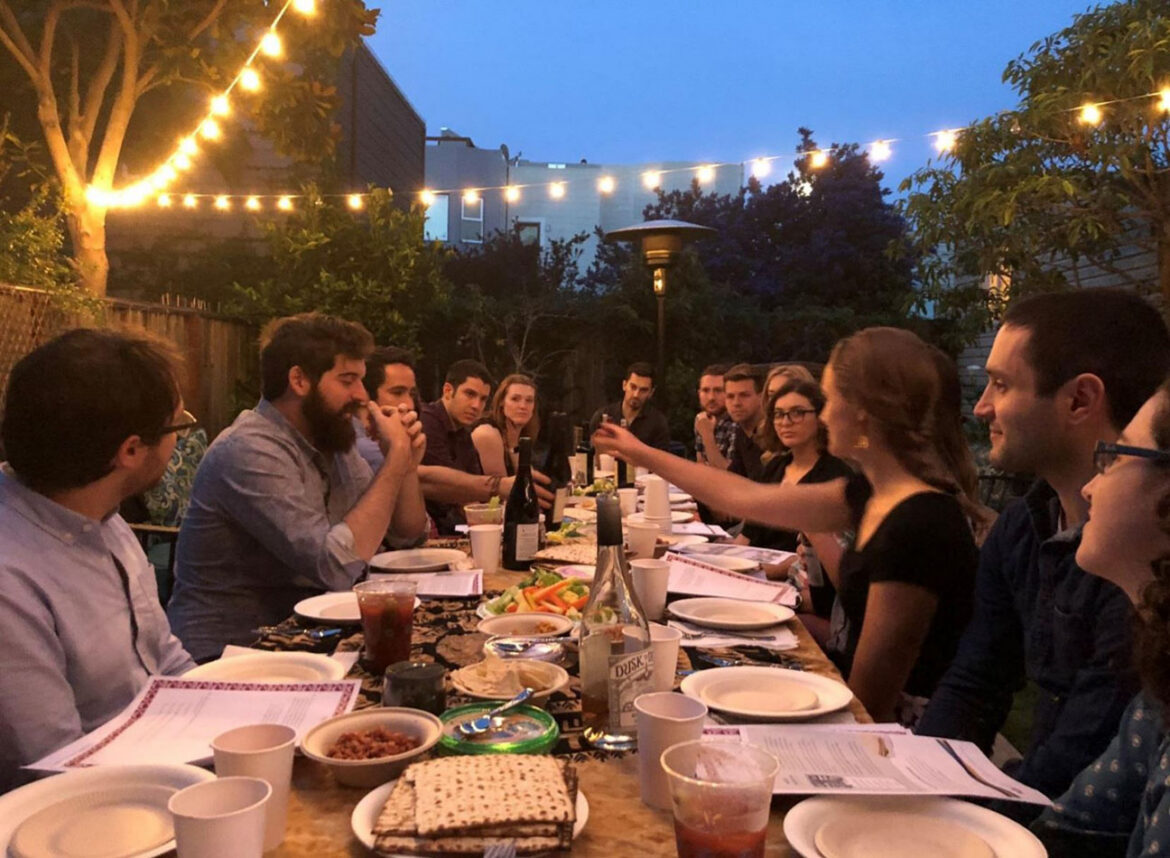
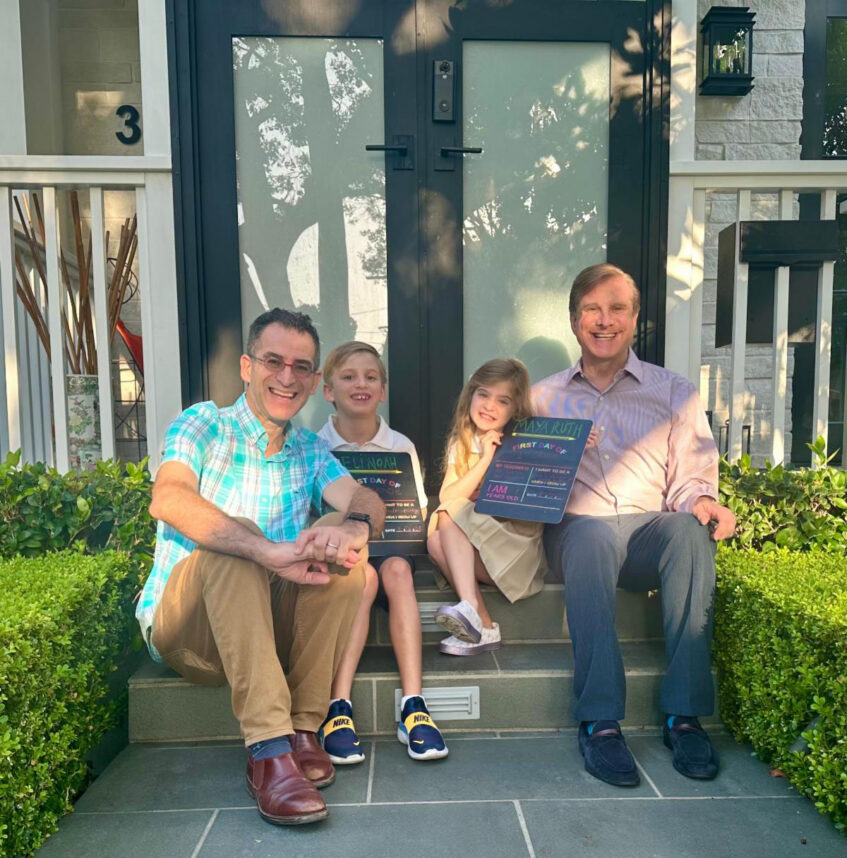
The names of rabbis, synagogues and even certain Jewish families made up the common vocabulary. I felt as if I had walked into a family discussing what was happening in their relatives’ lives. And that is how I came to know the Journal: a bunch of hardworking people writing stories about what they valued most — their own family. What I had been missing, what I had been wanting, was a family like this one. For me, religion had always been too much about personal beliefs and not enough about community.
And the community made the religion exciting. I learned where all the writers got their passion when I covered my first event, a protest on Tisha B’Av against the separation of immigrant families, led by the organizations Bend the Arc, IKAR and Clergy & Laity United for Economic Justice (CLUE). I realized that the work of the Jewish Journal matters. The only way to solve these bigger issues is for people to unite and work together, and the first step to that process is raising awareness about what’s happening in the community.
Throughout my time at the Journal, I realized how much I missed out on by growing up without a religious community. I saw how facing the world’s most daunting questions with others creates unbreakable relationships. The strength of those relationships showed in the way everyone knew each other, in the excitement to celebrate the High Holy Days, and in the passion of the writers. I never knew religion could be so exciting, so unifying.
So thank you, Jewish Journal, not only for welcoming me into your staff, but for showing me how religion can power such a unified, loving community.
Evita Thadhani is a high school junior at Milton Academy in Massachusetts.