Dear all,
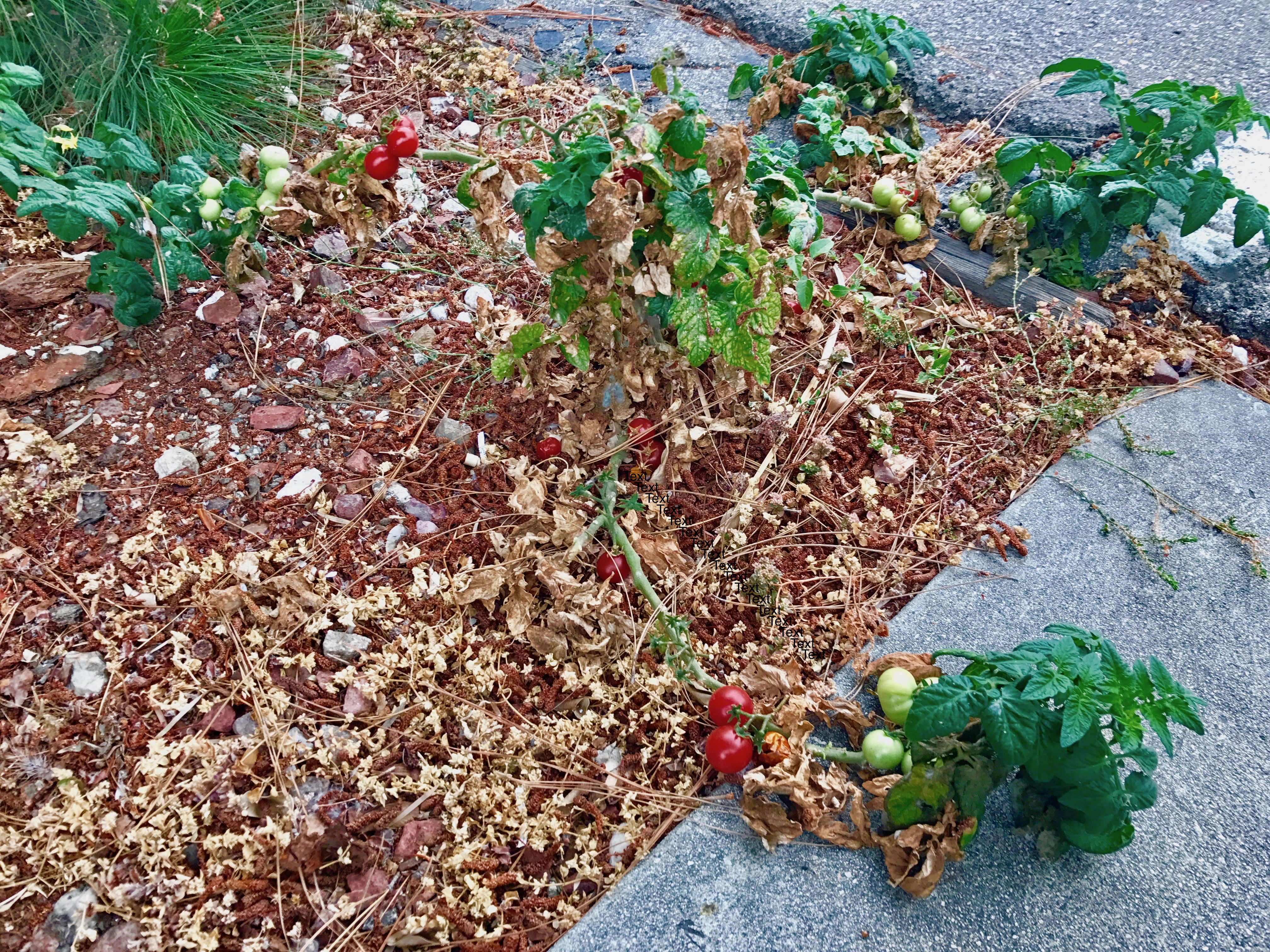
I was walking by the back door of the Temple the other day when I noticed this vine of tomatoes growing along the path. “Who planted a tomato here?” I asked.
It then occurred to me that so often people carrying food for our programs use this path. A tomato must have fallen at one point, rooting itself in the ground. Add a little sun ….
In our lives, we leave a little of our selves all the time. Though we hardly realize it, everything we do makes a difference. Our words, our gestures, our voices, and our silences… they all leave an impression. They shape the future.
We have opportunities each day. What garden are we sowing? What future are we cultivating?
The seeds of eternity begin with each moment in time.
With love and Shalom,
Rabbi Zach Shapiro
A change in perspective can shift the focus of our day – and even our lives. We have an opportunity to harness “a moment in time,” allowing our souls to be both grounded and lifted. This blog shows how the simplest of daily experiences can become the most meaningful of life’s blessings. All it takes is a moment in time.
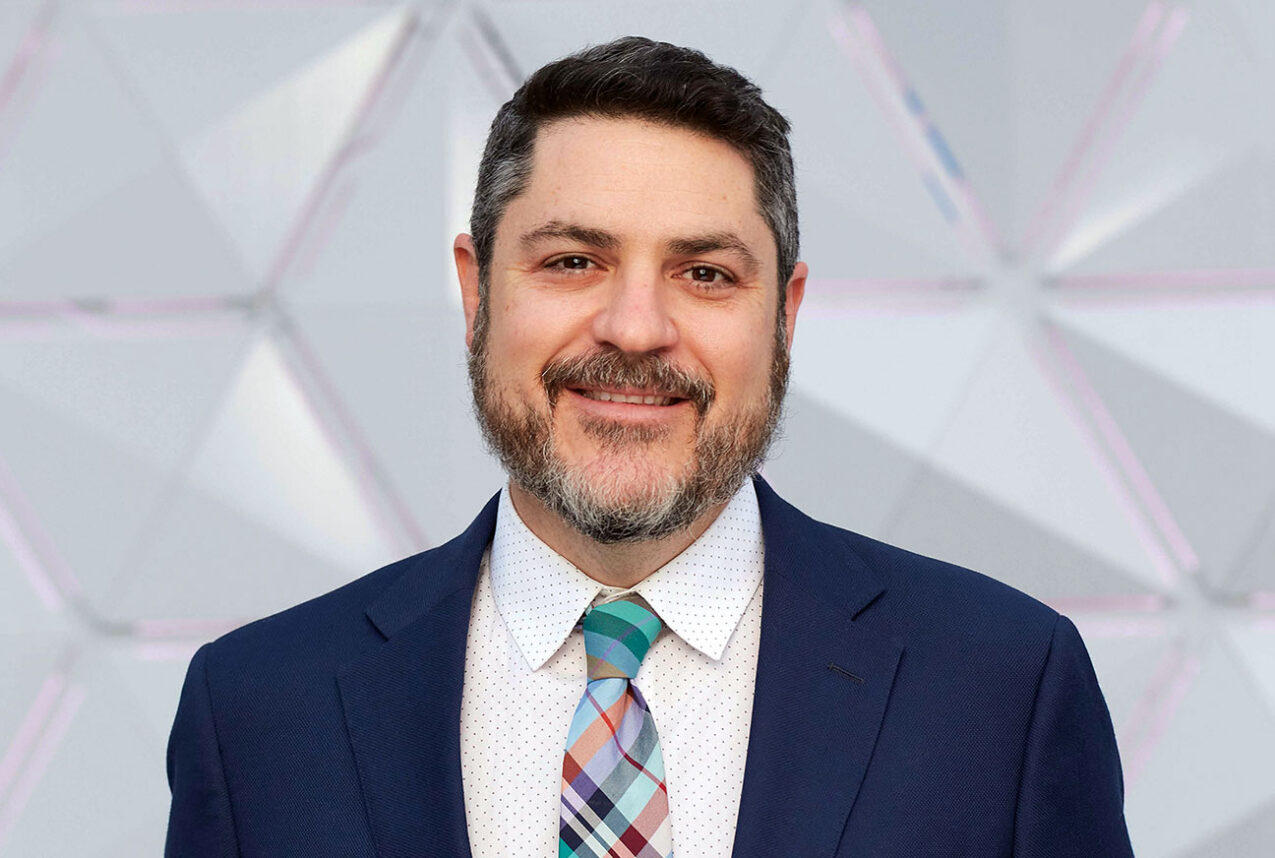
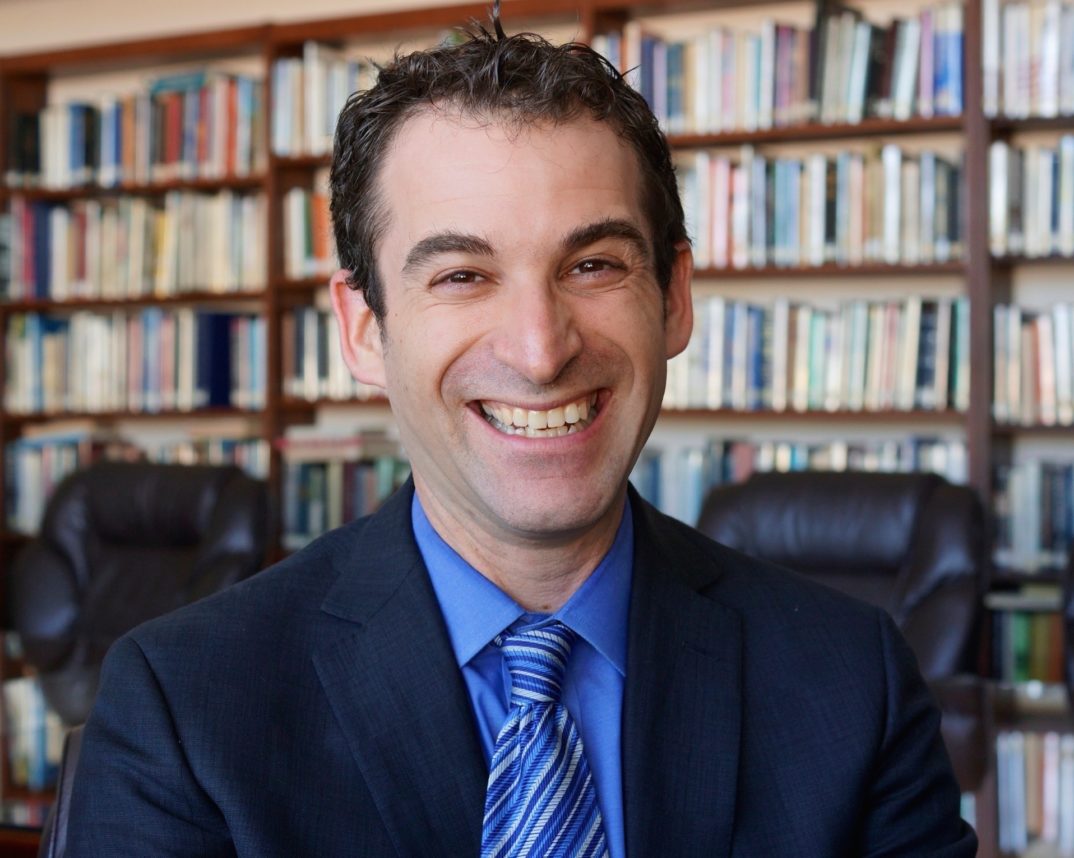
Rabbi Zach Shapiro is the Spiritual Leader of Temple Akiba, a Reform Jewish Congregation in Culver City, CA. He earned his B.A. in Spanish from Colby College in 1992, and his M.A.H.L. from HUC-JIR in 1996. He was ordained from HUC-JIR – Cincinnati, in 1997.