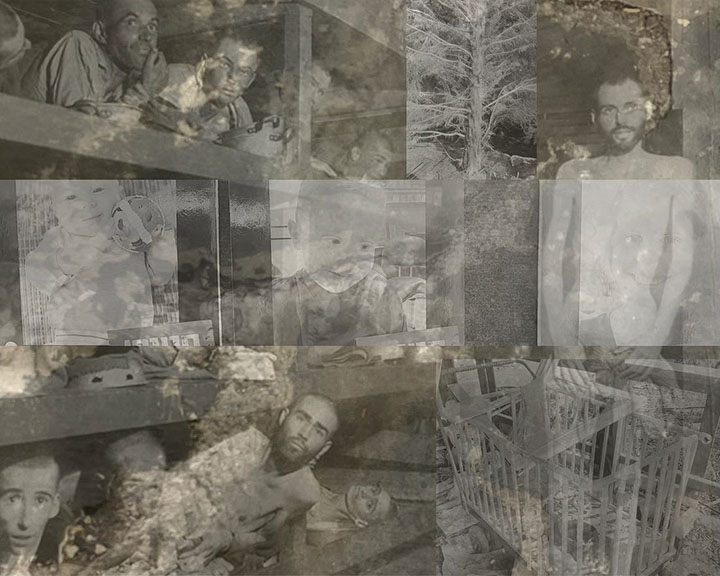
The Shoah Is Not a Parable
To remember the Shoah is not to pound it into a cluster of words that can be used to describe every injustice, but to preserve the weight and meaning of its singularity.

To remember the Shoah is not to pound it into a cluster of words that can be used to describe every injustice, but to preserve the weight and meaning of its singularity.
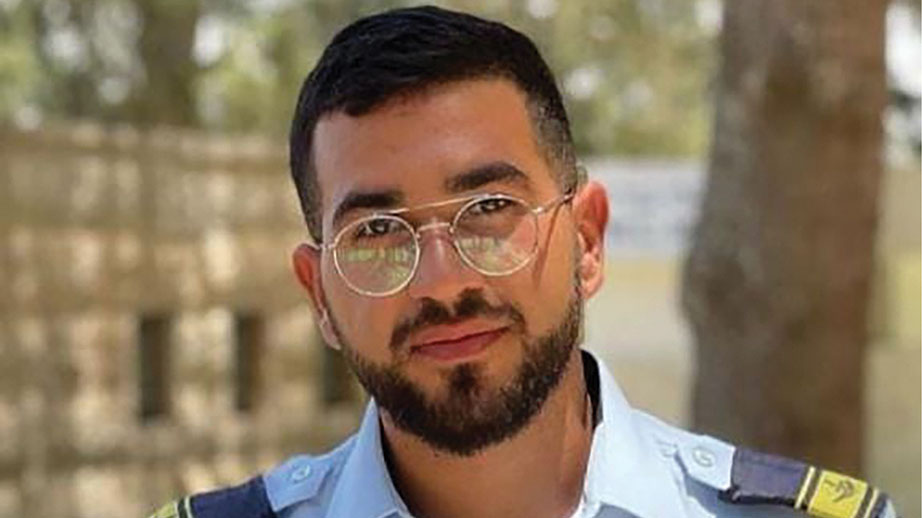
When one of us is taken, it is not one of countless others. It is a single face, a single life.
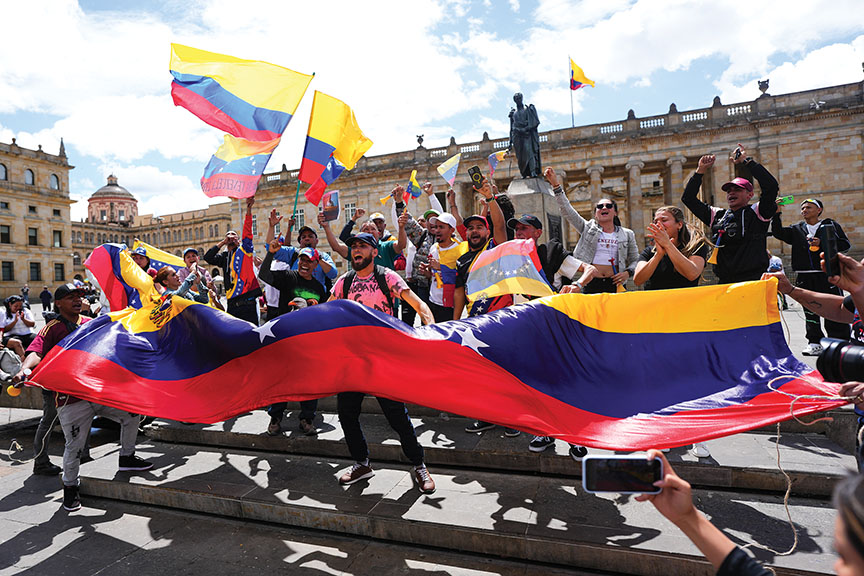
The United States did not kidnap a poet or a dissident. It apprehended an indicted narco-state leader whose government functioned as a criminal enterprise and provided safe haven to sworn enemies of the United States and its allies.

By speaking plainly, you have done us a dark favor. You have shown us that the old hatred was not gone; it was merely waiting for permission. And now, in your hands, and in this moment, permission has been granted.
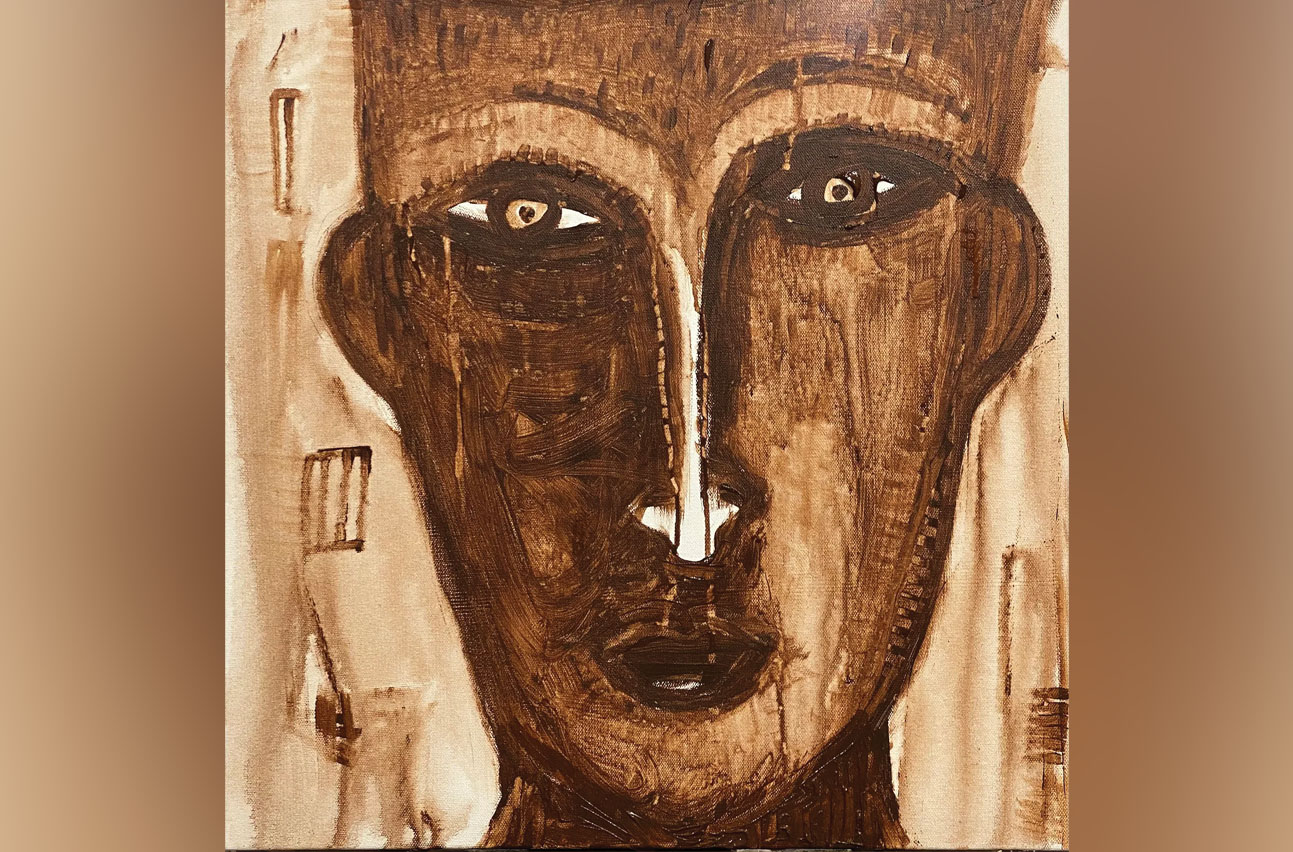
Bitachon isn’t tested by flight delays. That’s merely a practice session. It’s tested when a marriage dissolves, when illness enters the body, when one’s home burns to the ground, or when someone we love is suddenly gone.
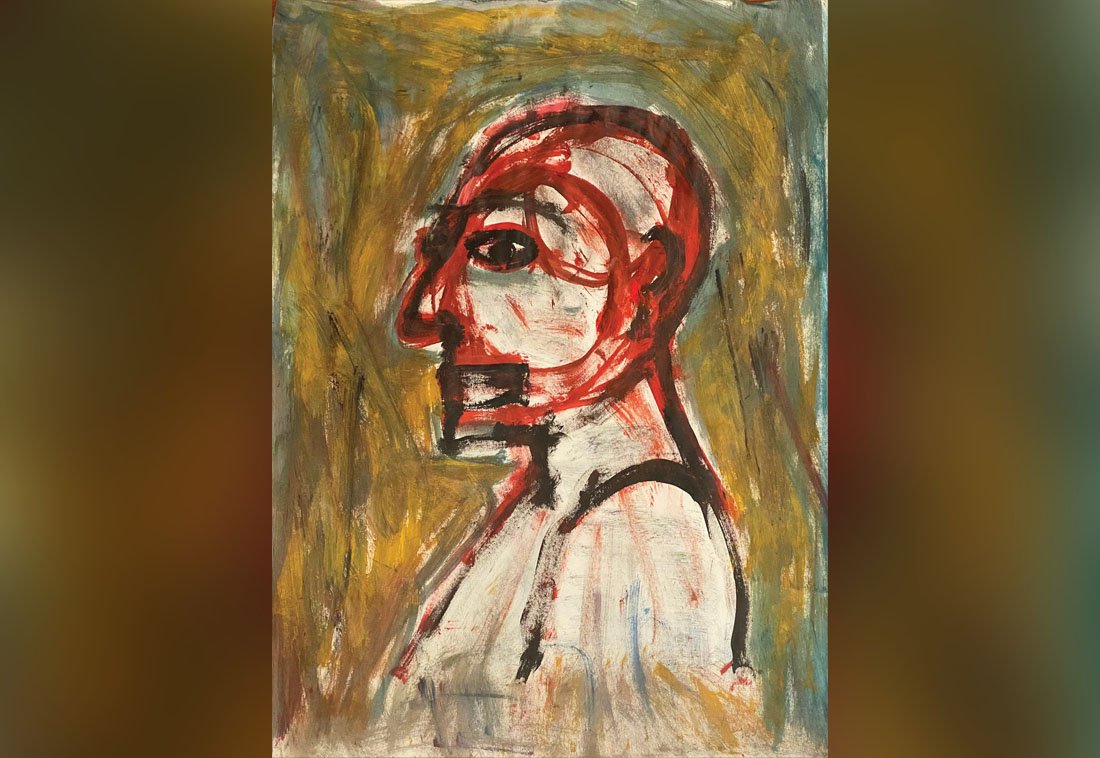
Here we are — with scars that will never heal, but might, with time, soften.
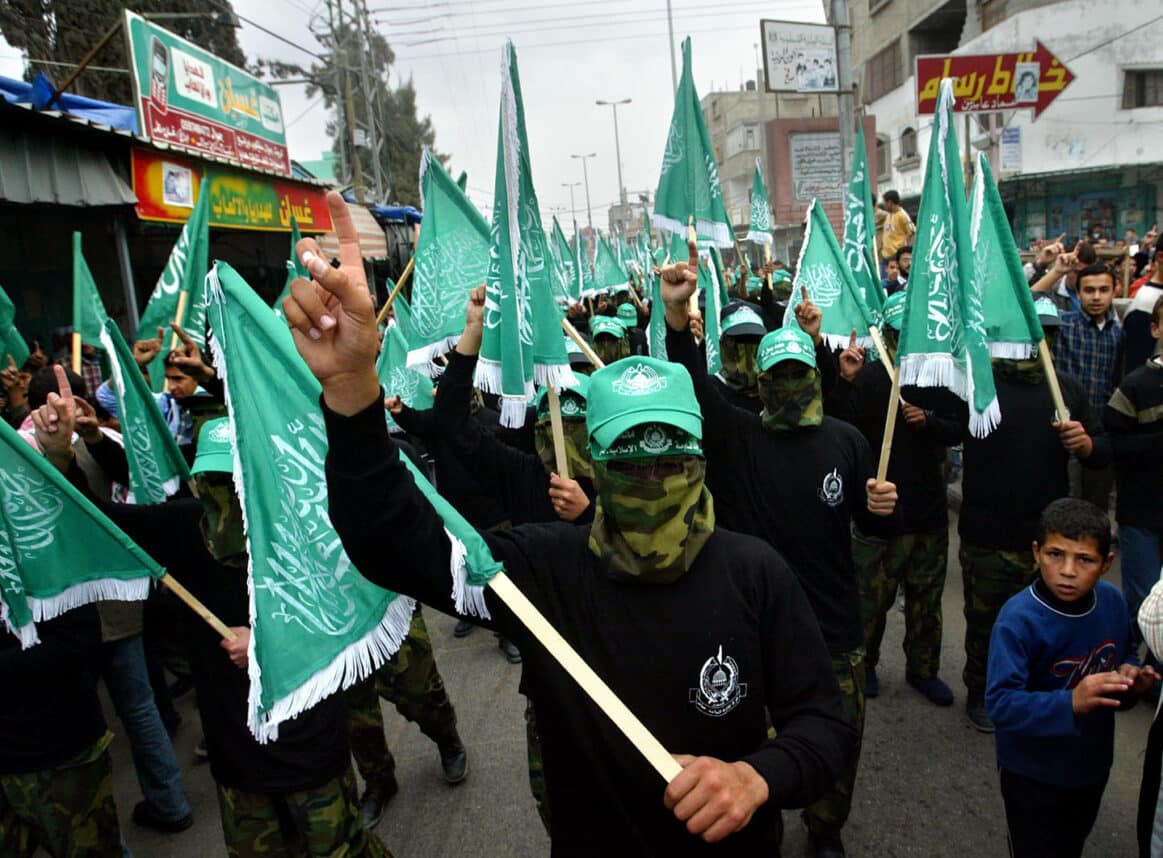
A political entity that lacks unified governance, defined and controlled territory and a commitment to peace remains something other than a state. To pretend otherwise is not compassion. It is dangerous negligence.

To see the ordinary as extraordinary, to reach just past what feels like an ending — or even hopelessness — this, too, is reason for happiness.

Even in the face of these murders, the same narrative persists, the one that excuses or explains away Jewish blood when it’s spilled.

The thoughts and feelings that arise for you as you look at this photo of Evyatar David will tell you a lot about yourself.