
Telling Our Story This Passover and Beyond
We Jews, and particularly American Jews, have a great story. Why not tell it again and again?

We Jews, and particularly American Jews, have a great story. Why not tell it again and again?
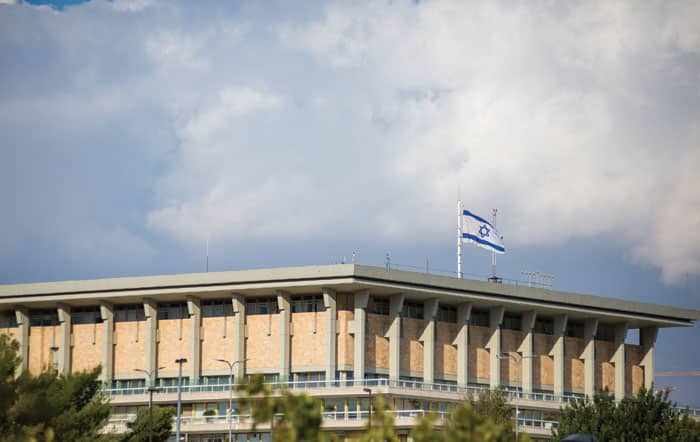
No country is as deified from within American Jewry as Israel. But likewise, no country is as demonized from without — and increasingly within as well.

The Jewish world was devastated by Theodor Herzl’s death in 1904 at the age of 44 – yet surprisingly confident that his legacy would persist.

In 1897, Theodor Herzl essentially described himself when he wrote about a man who once “deep in his soul felt the need to be a Jew,” and who, reeling from Jew-hatred, watched “his soul become one bleeding wound.”

These were among the 2,717 incidents of assault, harassment and vandalism directed against American Jews in 2021. America’s small Jewish community endures nearly two-thirds of all anti-religious hate crimes annually. Few criminals who have attacked visibly Orthodox Jews in Brooklyn have been imprisoned.
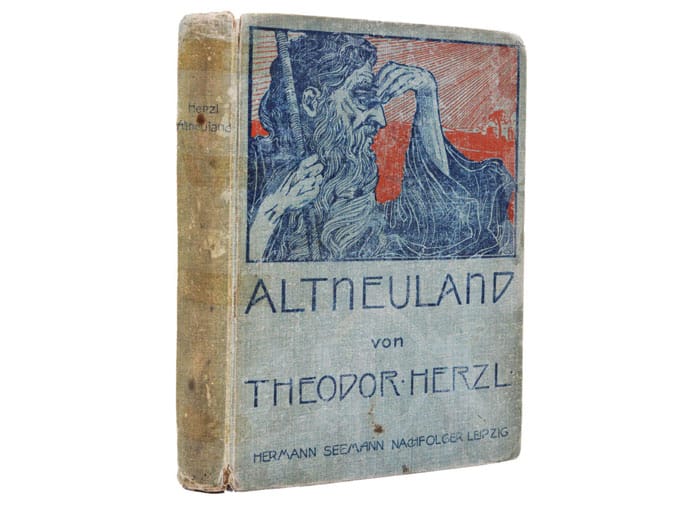
“Altneuland” was unique, Herzl’s biographer Shlomo Avineri explains, because it was “not just about Jews having a right,” but also about Jews making the right kind of state.
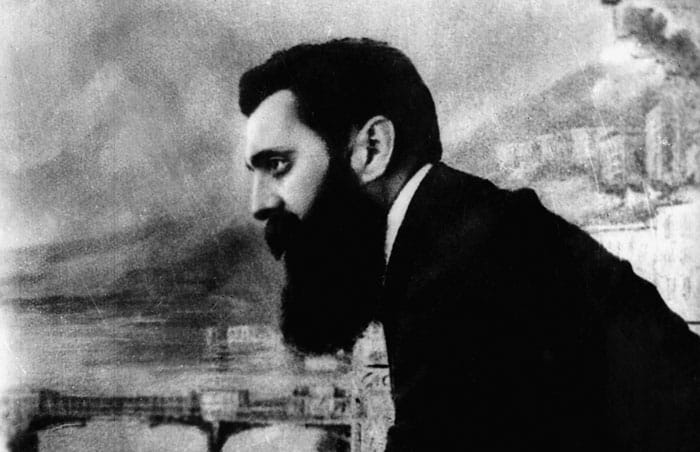
Political Zionism was a leap. But it was timely.

In those “three days of awakening Jewish history,” Herzl proclaimed, “Zionism introduced itself to the world.”

By 1895, Theodor Herzl was increasingly desperate to solve the Jewish Problem. Rebuffed by the super-philanthropist Baron Maurice de Hirsch, Herzl turned to Baron Edmond James de Rothschild, writing an even longer 65-page pitch. Rothschild and his wife, Adelheid von Rothschild, were bankrolling Jewish settlers in Rishon LeZion and Zichron Ya’akov.
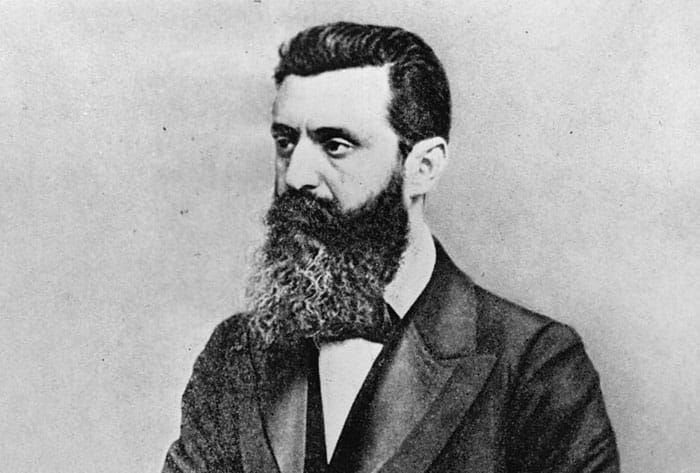
In late 1895, while Theodor Herzl steeped himself in writing his often overlooked play, The New Ghetto, reporters broke the story of Alfred Dreyfus, a French-Jewish officer arrested for espionage.
