
The Aspiration of a Jewish Democracy
Last week, I spoke at Park Avenue Synagogue (PAS) in New York City on the complexities of being a Zionist activist.


Last week, I spoke at Park Avenue Synagogue (PAS) in New York City on the complexities of being a Zionist activist.

The second season keeps Judaism front and center.

Anatevka is divided into two sides, each shrieking “Horse! Mule! Horse! Mule!” at the other, only to ultimately all join hands and sing a final chorus of “Tradition.” Arguing is indeed cooked into the tradition of the Jewish people.

Quite a number of thought-leaders in this movement consider themselves outside the mainstream consensus of Israel-Palestine discourse, which makes them all the more attractive thinkers to disillusioned Diaspora Jews.
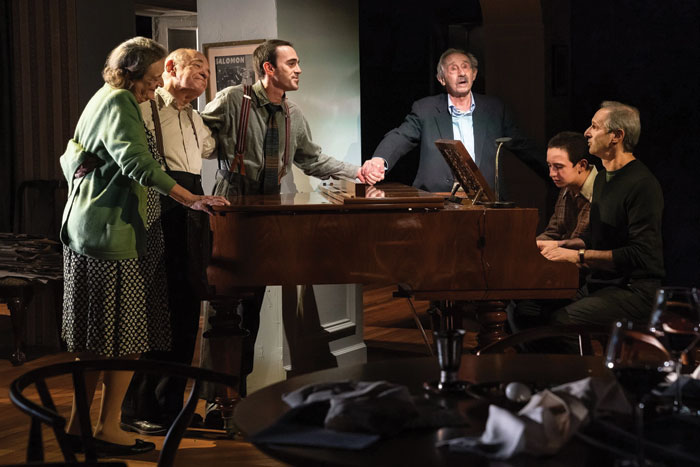
Set in Paris in both 2016 and 1945, the production, which opened off-Broadway in February, follows the Salomons—a Jewish family forced to navigate different breeds of European antisemitism throughout the decades.
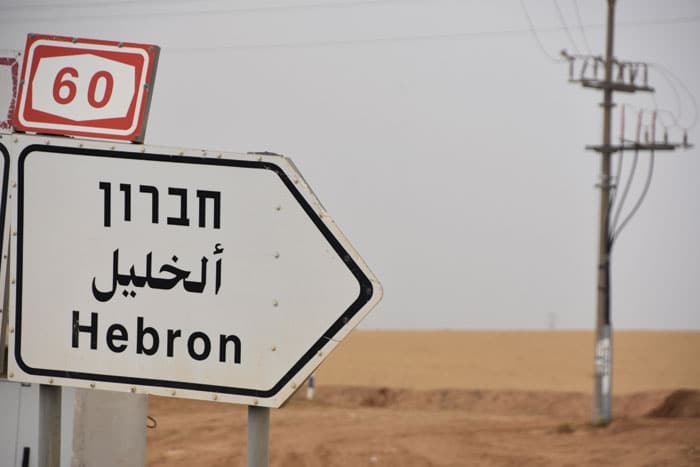
Today, we have chosen to venture from the comforts of the city into the heart of what most Israelis would rather not discuss: the occupied territories.

Simply by living in the Jewish state, by speaking Hebrew, by serving in the army, and by bemoaning the lack of transportation from Haifa to Netanya on Shabbat, one is fulfilling the wildest dreams of those who came before us.
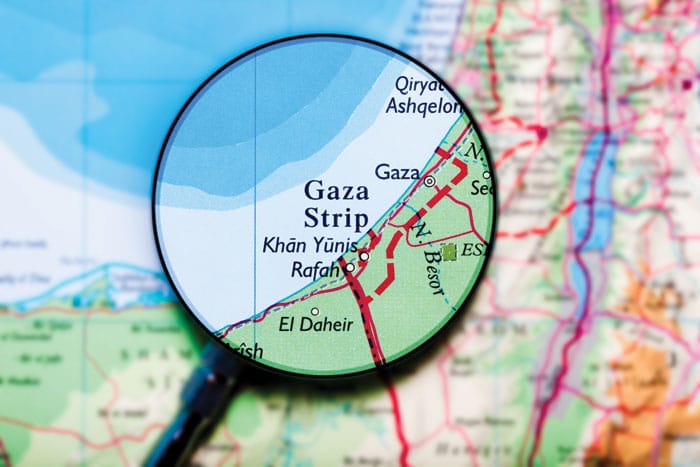
We Jews feel a strong connection to the latest news from the front lines, not only because many of our families hail from this region of the world or because President Zelensky is a Jew, but because the politics of war and siege greatly interest a people who have so desperately clung to their fragile power.
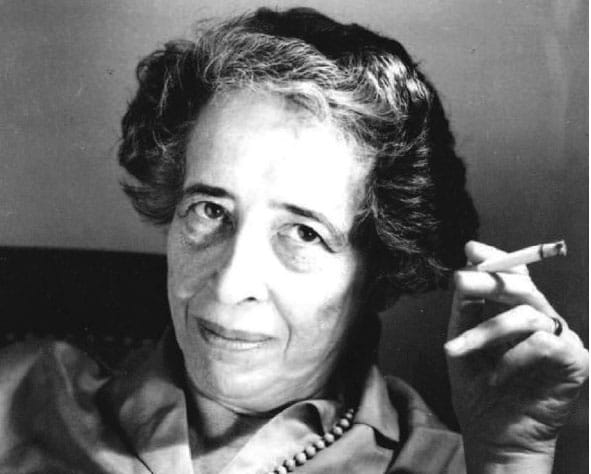
“Arendt” was a name I heard quite often growing up, but one I didn’t think much of.

What we can learn from Johnson making Lipstadt’s hearing about nothing but himself is the manner in which the non-Jewish world handles the politics of Jewish security.