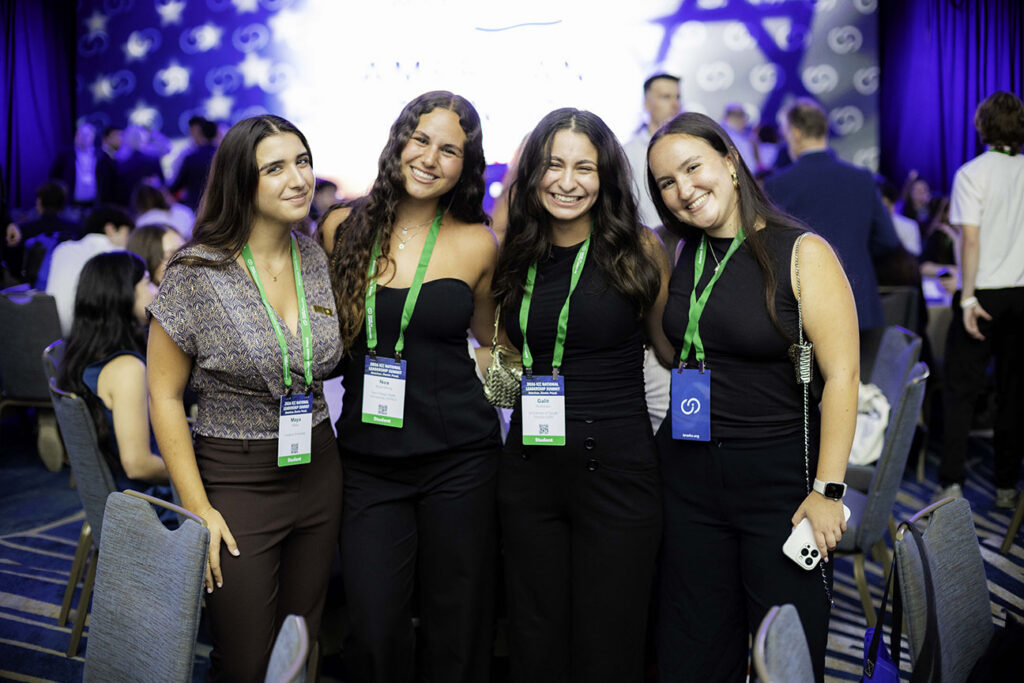
Senator John Fetterman sat on stage in front of a packed room at Israel on Campus Coalition’s 2026 National Leadership Summit on Tuesday, August 4 in Washington, D.C., speaking about his unwavering support for the Jewish state.
“I’m proud to be here today,” he told the audience. “It’s been very clear that if people or countries or the world turns their back on the country when it’s under siege, we know how things go. I refused to be part of that problem after 10/7.”
With interviewer Bethany Mandel, Fetterman spoke about how the Democratic party has shifted its stance on Israel, electing politicians that engage in anti-Israel rhetoric.
“I’m incredibly disappointed, but unfortunately I am not surprised,” he said.
Senator John Fetterman, courtesy of ICC
The two-day ICC summit featured sessions with politicians like Fetterman and Rep. Elise Stefanik, along with freed hostage Omer Shem Tov; Rachel Goldberg-Polin and Jon Polin, parents of Hersh Goldberg-Polin (z”l); Yoav Gallant, former Minister of Defense of the State of Israel; Ron Dermer, former Minister of Strategic Affairs of the State of Israel; Assistant Attorney General Harmeet K. Dhillon; social media influencers Zach Sage Fox and Eyal Yakoby; Senior Counsel to the Assistant Attorney General for Civil Rights in the United States Department of Justice Leo Terrell; author Dara Horn; NBA and NFL veterans Metta World Peace, Michael Redd, Eddy Curry, and Tarik Black and social media expert and peace activist Nas Daily.
There were 800 students representing more than 200 college campuses, as well as faculty members, in attendance. The Summit theme was “American. Zionist. Proud,” and Tessa Veksler, an advocate who was part of the ICC Geller Fellowship, hosted the sessions.
“Leadership is not waiting until you feel ready,” she said. “Leadership is accepting responsibility when your community needs you. You’re not doing this work alone…The entire ICC community will be with you every step of the way.”
“Leadership is not waiting until you feel ready. Leadership is accepting responsibility when your community needs you.” – Tessa Veksler
In her opening remarks, Dorothy Tananbaum, president of ICC, told the students, “There are moments in history when a generation is defined not by the challenges it faces, but by the choices it makes. You defended Israel when doing so often carried a personal cost.”
At the conference’s Young Republicans Reception, Leo Terrell discussed how he’s been fighting antisemitism on campuses and will be putting together a 15-city taskforce to combat it further. He asked students to get involved.
“I’m so proud to head this task force,” he said. “I want to expand the base and include everyone. This is a fight we all have to get involved in. I will never say no in the battle to fight antisemitism.”
Both Zach Sage Fox and Nas Daily stressed the importance of posting content on social media. Fox said, “We are always going to be smaller, but we have to be mightier.” He urged the students to be, “bold and unapologetic” on social media.
Nas Daily, who has over 70 million social media followers – and who utilizes his platforms to advocate for peace in the Middle East – encouraged attendees to step up their social media strategy and focus on it full time.
“Content creation is a religion,” he said. “You have to take it as seriously as a religion. It is not just a hobby… If you take it seriously, it will change your life, and the lives of your grandkids.” He added, “Make it your number one priority.”
Dara Horn, author of “People Love Dead Jews” and the forthcoming, “The Final Solution to the Jewish Question: A Love Story for the Living,” talked about the importance of engaging in debates with people who are anti-Zionist. On campuses, students come up to her shouting slogans, but as soon as she pushes back with facts and answers their questions, they retreat.
“It’s actually really easy to pop this balloon,” Horn said. “You don’t need a PhD to defeat an argument that’s three words long.”
Omer Shem Tov, who has been speaking about his experience as a hostage since his release in February of 2025, closed out the conference with an interview with Chief Executive Officer of ICC Jacob Baime. Like other presenters, he encouraged the students in attendance to speak out, keep up with their advocacy, and to be a light unto the nations.
“I wish for you to keep being proud,” he said. “Wear your star of David or your chai out loud. Don’t be shy… keep being Jewish. Keep being proud.”
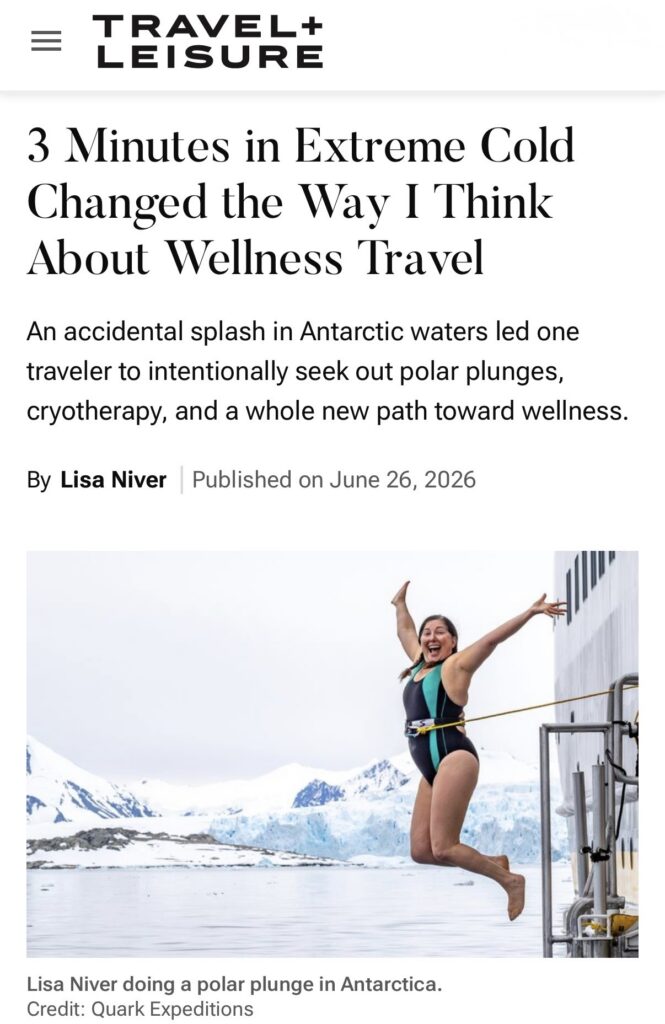
Thank you to Travel and Leisure for publishing my article, “3 Minutes in Extreme Cold Changed the Way I Think About Wellness Travel, How An accidental splash in Antarctic waters led one traveler to intentionally seek out polar plunges, cryotherapy, and a whole new path toward wellness.”
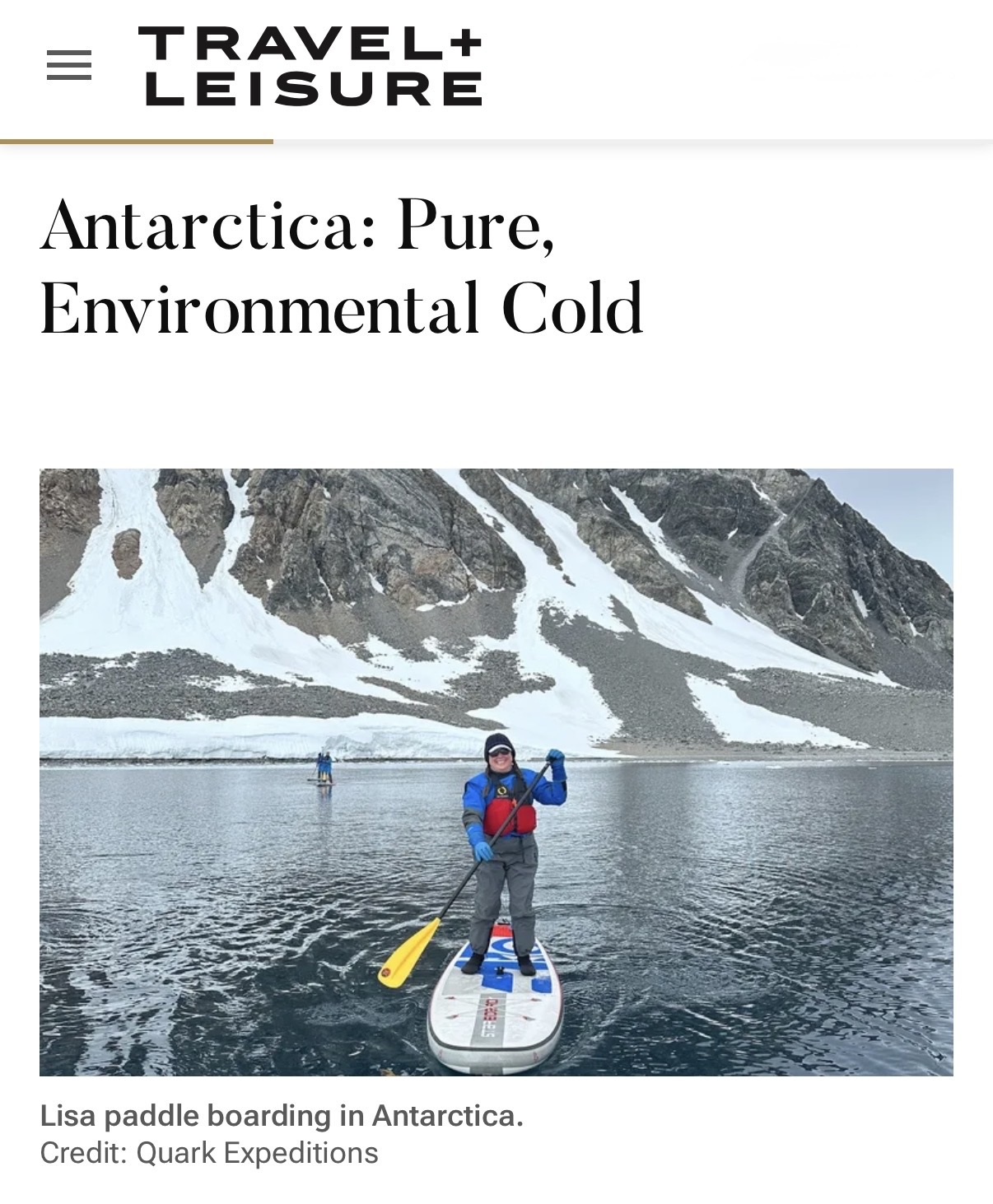
While paddle boarding in Antarctic waters, I cruised over a piece of ice, the board shifted, and I fell in. It was sudden and very cold. Later in the trip, this time intentionally and in a bathing suit, I took part in the official polar plunge—a brief immersion into the freezing Southern Ocean surrounded by ice and silence.
Relatively few travelers ever venture south of the Antarctic Circle, making the experience feel even more remote and surreal. That contrast, between accidental immersion and intentional exposure, became the lens through which I began to see something larger unfolding in wellness travel.
According to the Global Wellness Institute, wellness tourism is projected to reach $1.35 trillion globally by 2028, as travelers increasingly seek experiences focused on recovery, longevity, and transformation. Within that shift, cold exposure, from polar plunges to cryotherapy to contrast therapy, has emerged as one of the most compelling trends.
Antarctica: Pure, Environmental Cold
Lisa paddle boarding in Antarctica. Quark Expeditions
In Antarctica, cold is not designed. It is absolute. There are no temperature controls, no staged transitions, no engineered recovery cycles, only the body and the elements.
The polar plunge offered a brief, structured moment of immersion in the Southern Ocean, while my earlier fall into the water happened unexpectedly, collapsing planning into pure sensation. Both experiences made the same thing clear: cold has a way of forcing immediate presence.
Switzerland: Engineered Cold at -184°F
Months later, I found myself voluntarily stepping into another form of extreme cold: a -120°C (-184°F) cryotherapy chamber at the L3 Longevity Circle at Appenzeller Huus in Switzerland.
The wellness space, which opened in October 2025, is set within a striking timber-built property in Appenzell, constructed from local wood using traditional dovetail joinery, with just 50 suites nestled in the alpine landscape.
Taking all the courage I’ve built through my travels (I took on a “50 Before 50” experiences challenge and am now working on my “60 Before 60”), I chose to step inside. The chamber allows guests to remain for up to three minutes. I stayed the full time, wearing the provided protective gear—hat, mask, gloves, and socks—as the cold arrived instantly and completely. Unlike Antarctica’s unpredictability, this was controlled, precise, and engineered, yet the body responds in the same unmistakable way with shock, clarity, and heightened awareness.
Iceland: Contrast Rituals
The northern lights over the cold plunge at Eleven Deplar Farm. Eleven Deplar Farm
In northern Iceland at Eleven Deplar Farm, cold becomes part of a guided rhythm of heat, breath, and immersion. The Viking sauna ritual cycles through sauna heat and cold plunges, shaped by breathwork and Nordic tradition. Here, contrast is structured as a sequence designed to reset the nervous system.
Portland: Thermal Wellness As Architecture
In Portland, Cascada Thermal Springs + Hotel reimagines wellness as a built environment. The property integrates hot and cold experiences through hydrotherapy circuits, saunas, steam rooms, vitality pools, ice rooms, and chilled rainfall features creating a layered system of recovery rather than a single treatment. Designed with regenerative wellness principles and biophilic architecture that mimics nature, it reflects how modern travel is increasingly blending design, health, and restoration.
Pacific Northwest: Floating Sauna on Lake Washington
Von Sauna along the Bellevue waterfront. Von Sauna
In Kirkland, Washington, a suburb of Seattle, Von Sauna places contrast therapy directly on the water. The floating sauna allows guests to move between wood-fired heat and the cold of Lake Washington in a continuous cycle of heat, immersion, and recovery shaped by personal rhythm. It is social, elemental, and immediate, turning cold exposure into a shared experience.
The Shift Toward Cold As Wellness
From Antarctica’s raw immersion to engineered cryotherapy chambers and saunas floating on frigid waters, cold has become one of the defining tools of modern wellness travel. It is no longer about endurance alone, but about presence and forcing the body to reset, whether in nature or in a carefully designed wellness space. Sometimes that understanding begins unexpectedly, somewhere between a paddle board, a piece of Antarctic ice, and the realization that stepping into discomfort has become its own form of travel.
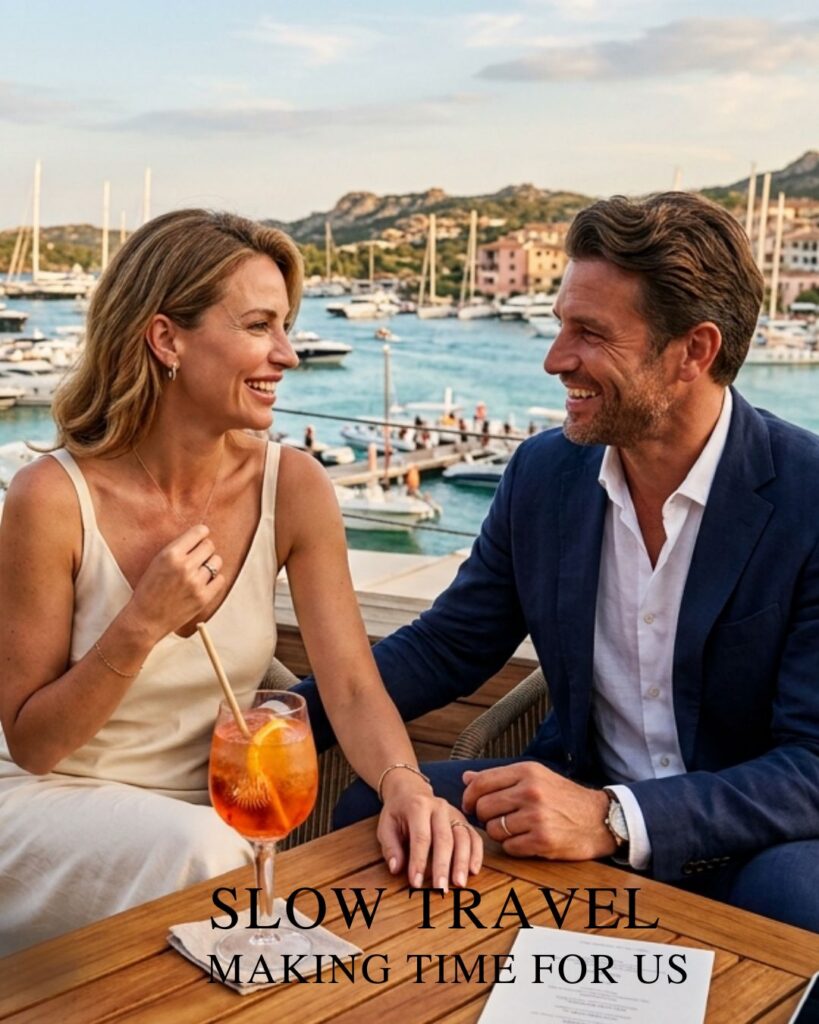
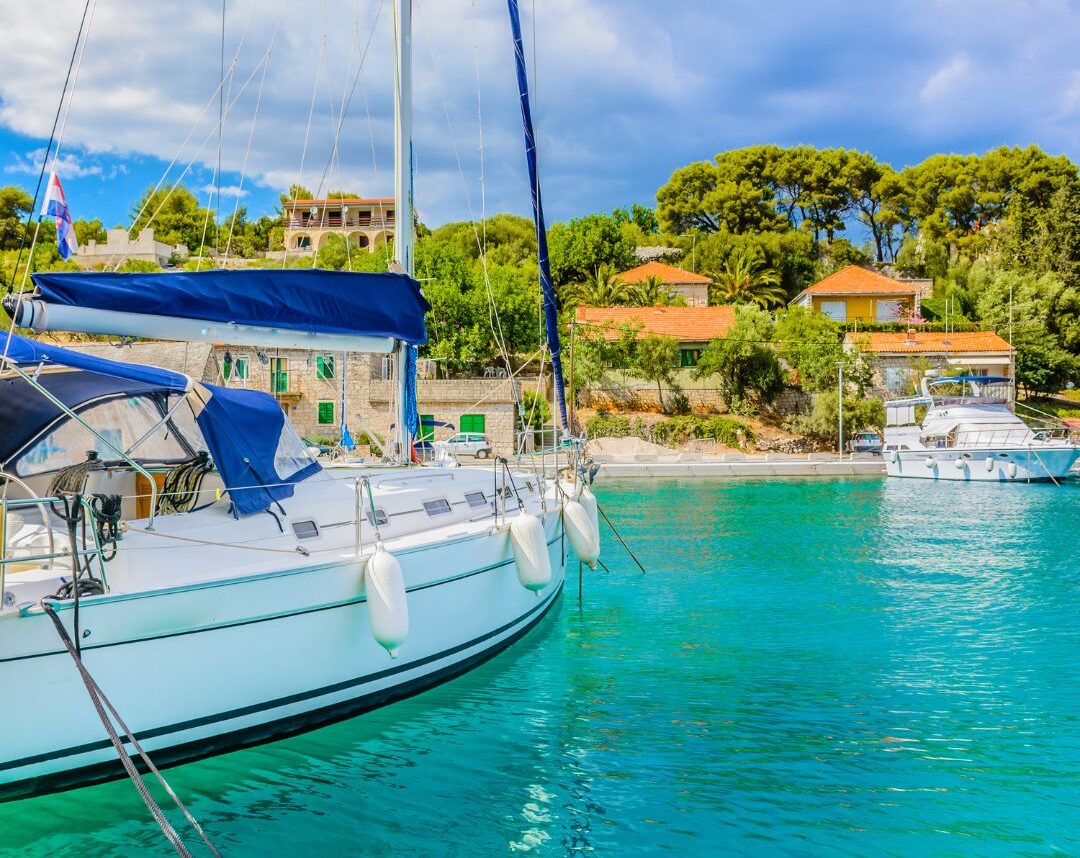
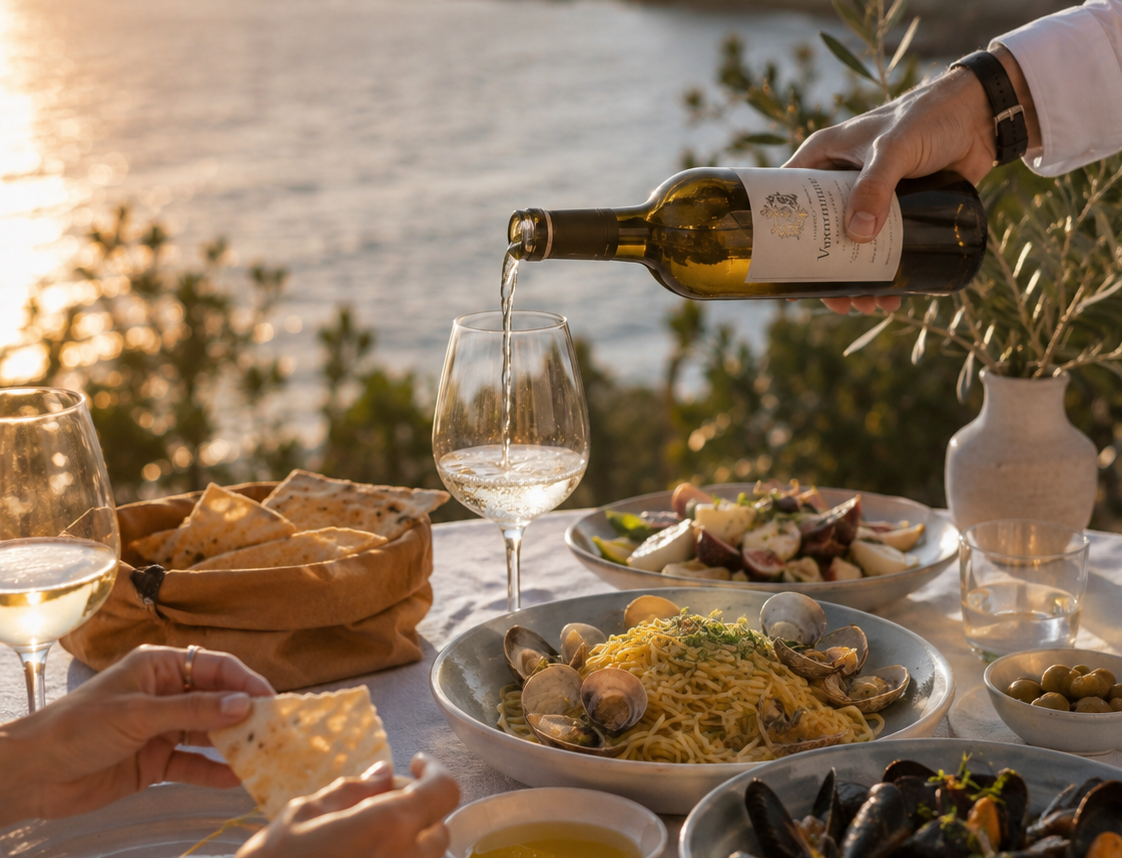
Slow or intentional travel isn’t about packing a busy itinerary into a few days, it is about the luxury of time. It is creating space for the moments that nourish you: an unhurried pasta-making afternoon in a Sardinian village, cycling past sun-drenched lavender fields in Provence, a slow afternoon at a Portuguese wine estate, golden-hour quiet on safari before the world wakes, an undisturbed day in the spa, or a slow journey tracing your roots.
Somewhere along the way, we started measuring a trip by how many places we saw instead of how we felt when we got home. After summer winds down and before the holidays creep in, my phone starts ringing with clients who are already worn out, scroll-fatigued, over-scheduled, under-rested and dreading the next trip before they’ve recovered from the last one. Those calls are exactly why I started this series on slow and intentional travel, my answer to what it actually is, the destinations I love most for it, and why.
What my clients actually want, once we start talking, is something slower, a trip that gives them something back instead of taking more out of them. Families want their kids occupied enough to enjoy the trip themselves, not spend every day entertaining them. That’s where slow travel begins: listening closely to what someone actually needs, then designing a journey with space, depth, and a real sense of place.
In 2026 this has picked up real momentum. Hilton is calling it the “whycation,” a movement where travel starts with a motivation rather than a destination, asking why you need to go somewhere rather than where you should go. Connection, relaxation, rejuvenation and mental reset keep coming up as the top priority when my clients and I sit down to plan, and I hear constantly how much a slower pace helps clear their head.
I usually start the conversation with: what do you want to bring home from this trip? I am not talking about souvenirs. That question sits at the heart of intentional travel, exploring the world on purpose, being present, and pacing yourself instead of rushing the itinerary. It leaves you restored instead of depleted, and it is becoming the defining shape of the trips I book. Families tell me they want to come home rested, not more tired than when they left, and they ask me for destinations where the kids can also learn about the culture, and parents actually get to explore and unwind as well.
What Slowing Down Actually Looks Like.
Intentional travel starts with choosing experiences based on how you want to feel, not what you feel obligated to see. Skip the fourth museum of the week for a long, unhurried lunch in a winery in Sicily, where you spent the morning helping with the harvest. Choose one region to experience deeply instead of four countries superficially. Portugal lends itself beautifully to slow travel, with its smaller villages, historic towns, Alentejo landscapes, and coastal walking routes inviting travelers to linger rather than rush.
I advise clients to build a trip around one thing they truly love, not just the landmarks everyone photographs. If you love to cook, a private class with a local family in Le Marche or Puglia will teach you more about a place than any guided tour. If wine is your thing, spend a full afternoon at one vineyard instead of rushing through three. If you would rather sit by the water with a book for two hours than see a fifth church, build that into the day on purpose. That is the whole idea. The trip bends around what actually restores you.
Destinations for a Slower Kind of Getaway.
(A quick note: the destinations I mention below are a quick preview. The full destination guides with specific stays, the local details, and suggested itineraries I’d actually build for a client, will drop over the next few weeks. Subscribe to get the full series.) Also on my radar: Portugal, Maui, Sicily, California…
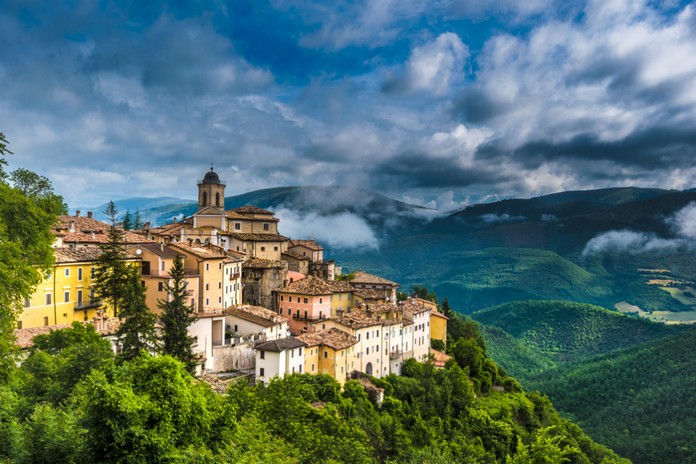
Italy (Specifically Umbria, Piedmont and Sardinia)
While travelers frequently rush the “Holy Trinity” (Rome, Florence, Venice) on tight schedules, Italy’s countryside is the birthplace of the Slow Food movement. To do Italy slowly, you head to regions where life revolves around the land, the harvest, and the kitchen table.
Why it works:Umbria: (often called the “green heart of Italy”) and Piedmont (nestled against the Alps) are built for lingering. Renting a stone agriturismo (farm stay) for a few weeks lets you follow the hyper-local rhythms: truffle hunting in the autumn, participating in olive harvests, visiting tiny family-run wineries, learning the precise art of making regional pasta by hand, a private cooking class; If you love to cook, a private class with a local family in Le Marche or Puglia will teach you more about a place than any guided tour.
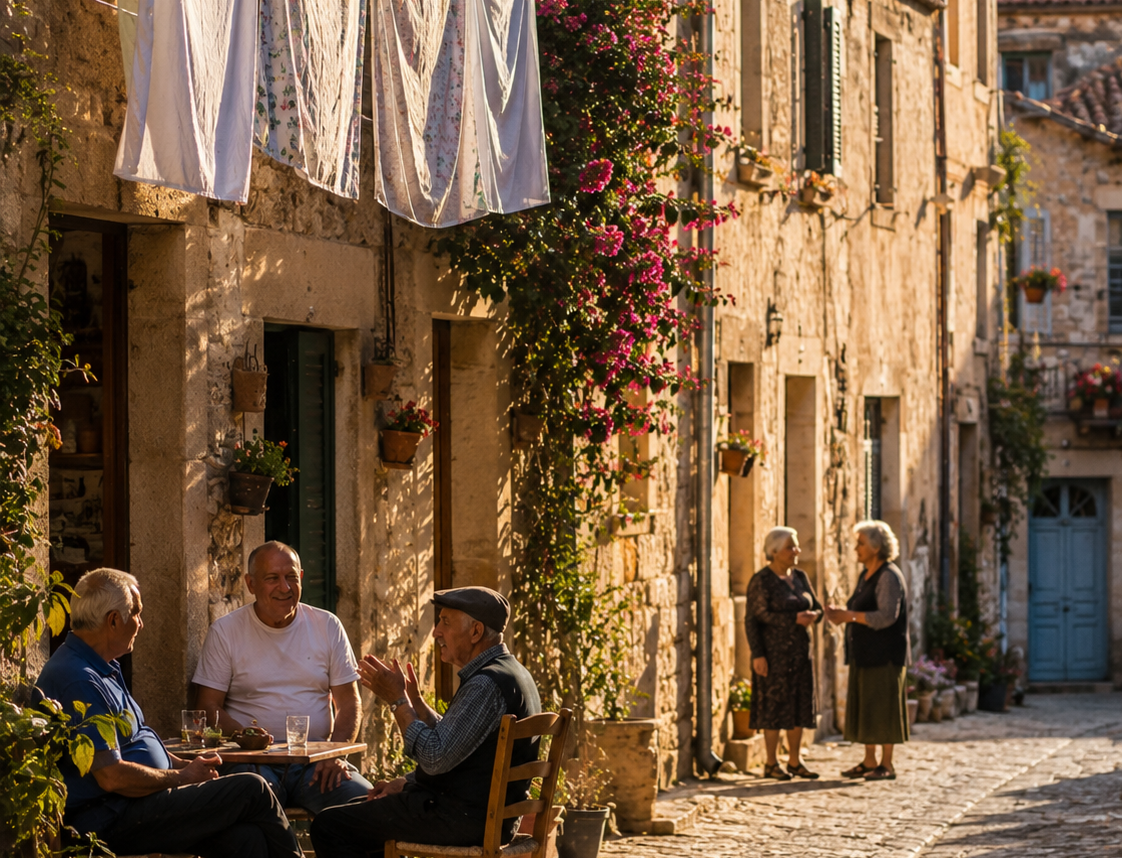
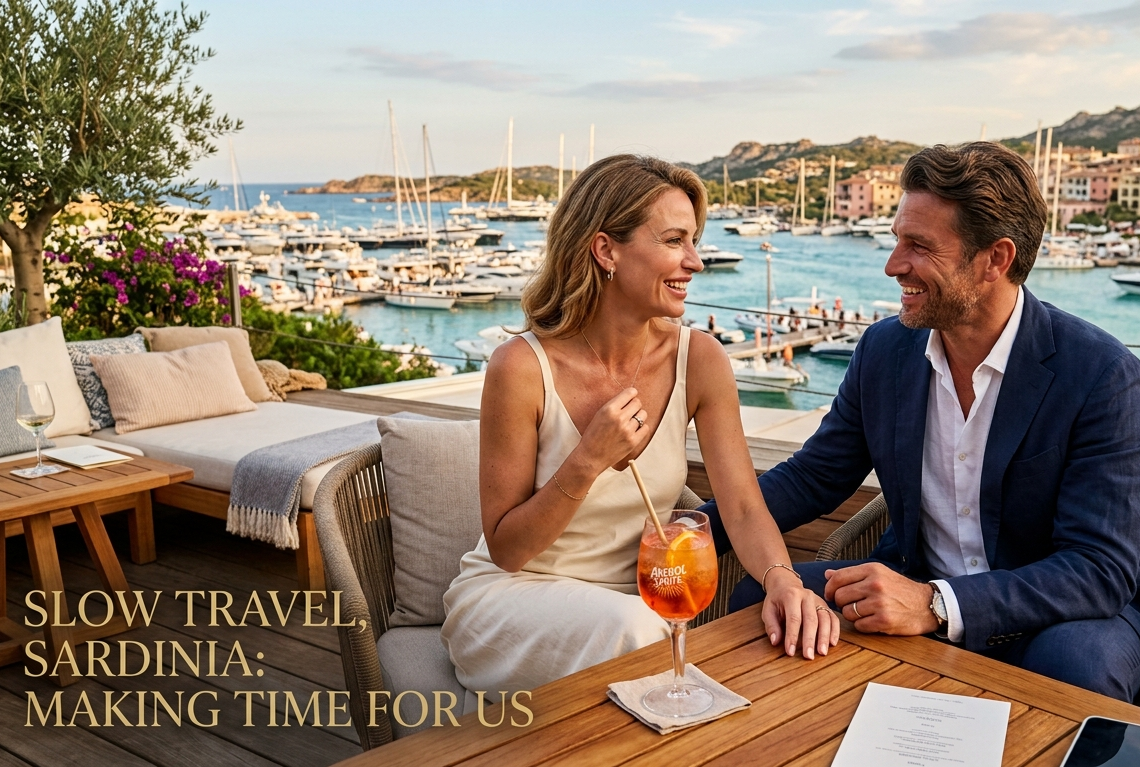
Sardinia is another gem in Italy that offers a slower way in. One shaped by coastline, village life, and the rhythms of the Blue Zone. To experience the island fully, you slow down in places where daily life is tied to the sea, the hills, the harvest, and the kitchen table.
Why that works: Sardinia is not just a destination to see; it’s a place to feel. Its villages, shared meals, and unhurried pace make it ideal for slow travel, where the goal is less about checking off sights and more about staying long enough to connect with the landscape, the people, and the culture.
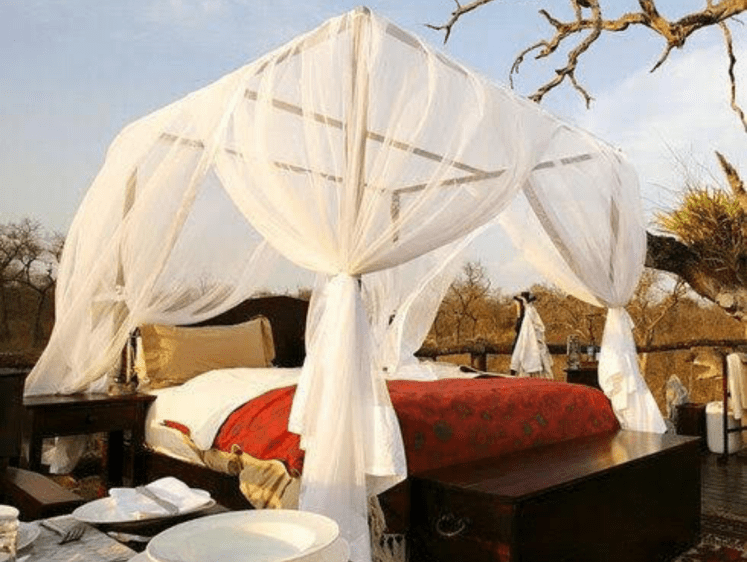
The “Slow Safari”
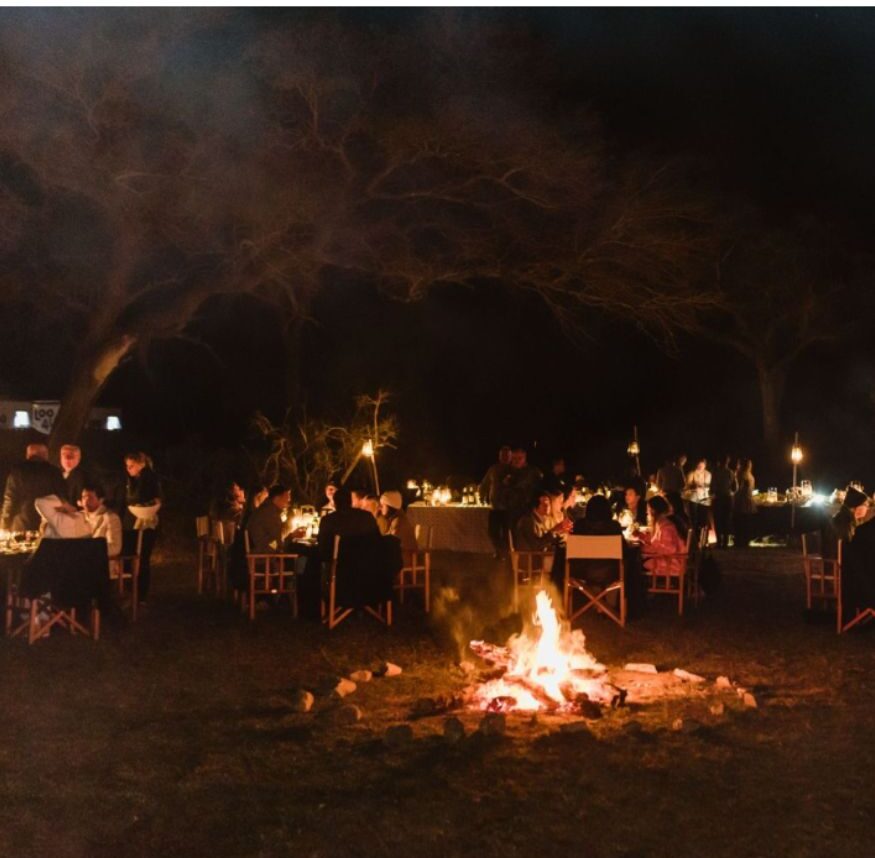
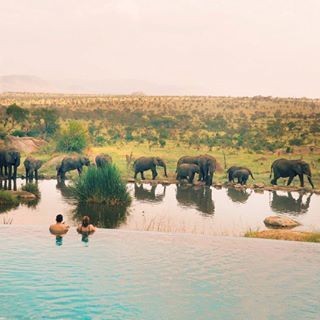
A safari is intentional travel at its most complete. The pace is set for you the moment you arrive, early mornings, long golden afternoons, and real quiet in between. What I tell first time safari clients is to build in at least one full day with nothing scheduled beyond the game drives. That is where the best moments happen, not on the busiest day of the trip. Some travelers treat a safari like a high-speed game of wildlife bingo, rushing from one national park to the next to check off the “Big Five” in three days. A slow safari flips the script by keeping you in one place, ideally a community-owned private conservancy. for at least a week.
Why it works: When you stay at a single, eco-conscious camp the rhythm changes. Instead of spending all day in a bumpy 4×4, you can do multi-day walking safaris tracked by local Maasai or Samburu guides. You get to understand the ecosystem’s smaller details, track animal behavior over days, and directly support community-led conservation.
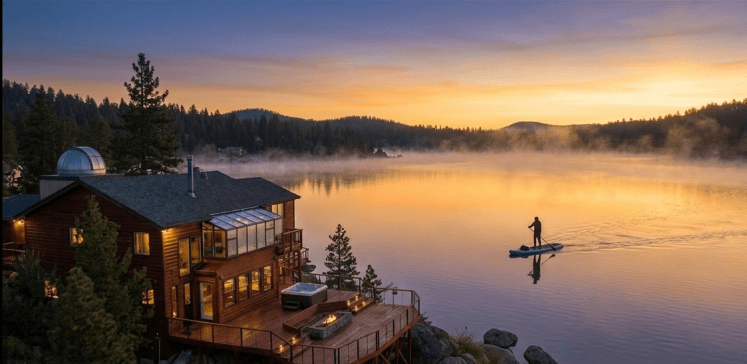
Big Bear Lake, California (The Alpine Wellness Escape)
Perched at 6,700 feet in the San Bernardino Mountains, Big Bear offers a rustic yet deeply rejuvenating environment. As you wind up the mountain roads, the smog and city noise give way to dense pine forests, vast blue water, and a slower, high-altitude pace of life.
The Wellness Shift: Big Bear has matured far beyond a basic mountain retreat, quietly emerging as California’s newest wellness pinnacle. Sitting at 6,750 feet, it offers a stunning beauty that rivals coastal wellness havens like Ojai or Malibu, but with a sharper, more electric alpine edge. At this elevation, the mountain air acts as a natural cognitive reset and physical training tool, where forest bathing isn’t an intentional performance, it’s just the organic reality of stepping outside among the pine trees. Whether it’s high-altitude breathwork, cold-air recovery, or simply using the stillness of the lake to quiet a busy mind, Big Bear’s true luxury lies in its power to downshift your nervous system and hold space for a deep-exhale restoration.
Why it works: Instead of booking a chaotic weekend ski trip, staying for a week or two lets you truly experience “wilderness wellness”. You can spend your days alternating between local sound baths, holistic energy healing, visit one of the many amazing spa’s, hike one of the trails, or just enjoy gentle paddleboarding on a glassy morning lake. The presence of dedicated mindfulness sanctuaries means you can easily integrate silent forest walks, yoga, and meditation into your daily routine without any pressure to rush.
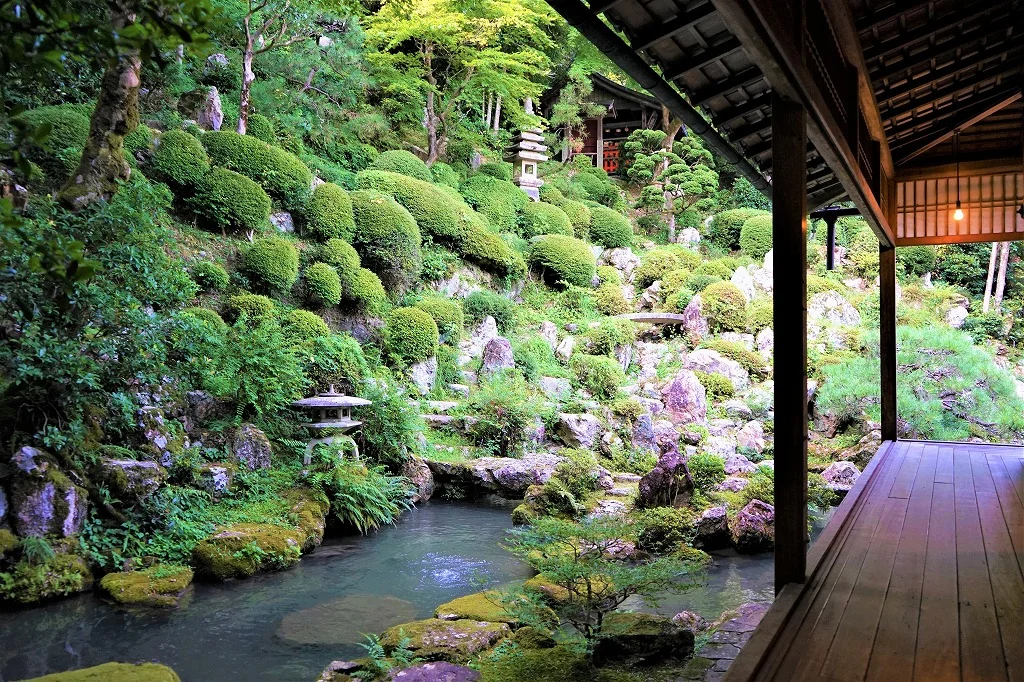
Kyoto & Rural Japan
Most tourists speed through Japan on bullet trains, but settling into one region reveals an entirely different country. Kyoto and its surrounding traditional villages are deeply grounded in seasonal mindfulness.
Why it works: Sinking into a local neighborhood allows you to witness the micro-seasons change, participate in neighborhood cleanup days, and visit the same local bathhouse (onsen) or noodle shop until you are recognized as a regular. Public transit is flawless, meaning you don’t need a car to explore deeply.
Andalusia, Spain
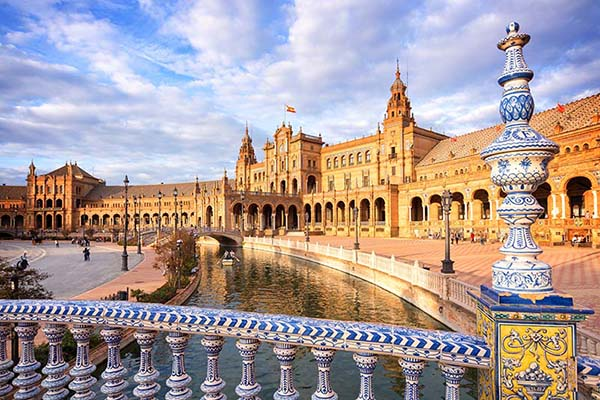
Life in southern Spain doesn’t rush for anyone. Golden historic hubs like Seville, Granada, and Cádiz move to a strict daily rhythm centered around the siesta, long shared lunches, and late-night tapas walks.
Why it works: Renting an apartment in a white-walled village (pueblo blanco) or a quiet city neighborhood gives you access to local daily markets, affordable regional wines, and a beautifully laid-back social atmosphere.
Chiang Mai & Northern Thailand
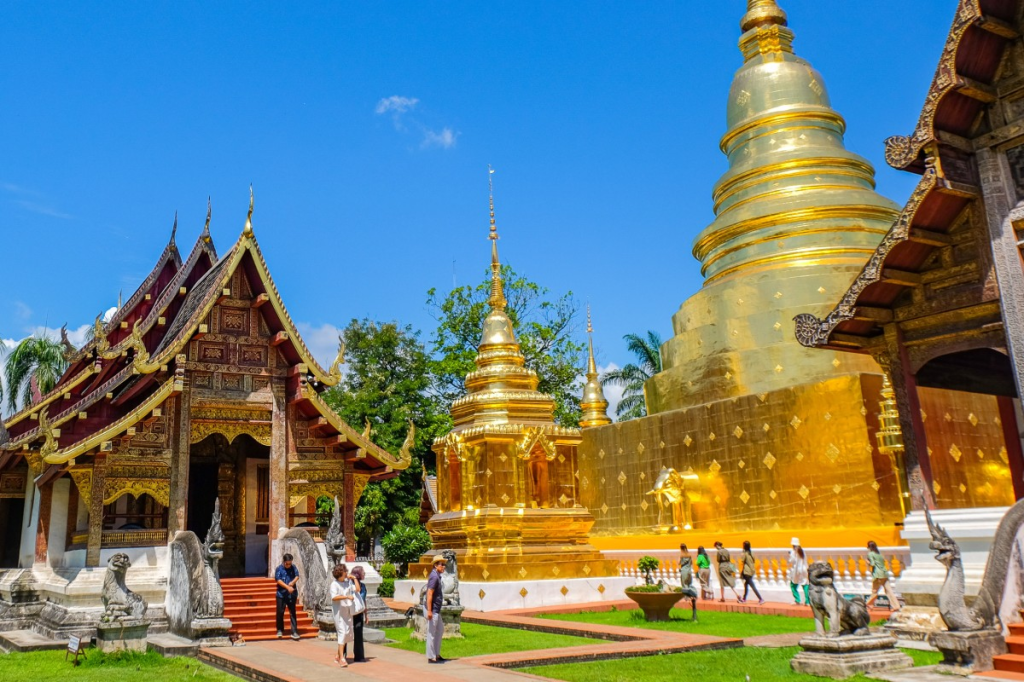
While Thailand’s islands pull in fast-paced holiday crowds, the mountainous north offers a much gentler pace of life. Chiang Mai blends historic Buddhist culture with excellent modern amenities.
Why it works: It features some of the best digital nomad infrastructure in the world—fast Wi-Fi, endless cafes, and inexpensive apartment rentals. You can spend your weeks taking slow morning strolls past ancient golden temples, learning northern Thai cooking, and browsing quiet weekend artisan markets.
A Note for Clients Exploring Jewish Heritage
For many of my clients, slow travel and heritage travel go hand in hand. If tracing family history or visiting sites of Jewish history and memory is part of your trip, I encourage building real time into the itinerary rather than treating it as a single stop.
A morning in Krakow’s Kazimierz district, an afternoon in Rome’s Jewish Quarter, or time at a memorial site deserves space to sit with what you are seeing, not a rushed hour between other stops. I have a personal connection to this kind of travel myself, and I always build in quiet time afterward, a good meal, a walk, a chance to simply process, rather than moving straight into the next thing on the list. If this is part of your trip, tell me early, so I can build the pacing around it properly.
Pro Tips for Planning Your Own Slower Trip
The Intentional Slow Travel Blueprint: Choose fewer destinations. Every additional stop adds logistics, and logistics eat into the time you actually get to enjoy. Stay longer in each place than feels efficient. It is in the extra days that a destination starts to reveal itself, and where the best memories tend to happen.
Leave real unscheduled time on the itinerary. Some of my clients’ favorite memories came from an afternoon that was never planned at all. Build each stop around one anchor experience, whether that is a cooking class, a vineyard, a spa day, or a heritage site, rather than trying to fit in everything a destination offers.
Let’s Plan Your Trip Together.
Intentional travel is not about doing less or sitting still, unless of course you want to. Some of my clients love an active, wellness-minded version of slow travel. Mornings are spent cycling through the lavender fields of Provence, or on the pickleball or paddle court, afternoons easing into a spa treatment and ending the day around a home-cooked meal by a local chef.
Slow or intentional travel isn’t about packing a busy itinerary into a few days, it is about the luxury of time. It is creating space for the moments that nourish you: an unhurried pasta-making afternoon in a Sardinian village, a slow afternoon at a Portuguese wine estate as the harvest comes in, golden-hour quiet on safari before the world wakes, or a slow journey tracing your roots.
If you are ready to design an experience centered around presence, deep restoration, and coming home truly renewed, let’s curate it together.
Prioritize local guides over generic group tours. A knowledgeable local guide can turn a good trip into an unforgettable one.
Tell me what you actually love before we plan anything. The best itineraries I build are the ones shaped around a client’s real interests, not a generic list of sights.
Sandra Mackintosh of Ruby Travel and her partner of Wunderway Tours are my two vel that never disappoints.
Ready to turn your next trip into an immersive experience?Email Contact@luxetravelpartner.com with your dates and travel style, and I’ll handle the rest.
Ready to book your next travel adventure? Contact me today to craft your personalized experience. With exclusive local partnerships, insider itineraries, and seamless logistics handling, I’ll transform your destination into your next unforgettable reality. Reach out to me at the email below. Alternatively, complete the form with your dates and interests for your (and or your loved one’s) upcoming trip. These memories will warm your heart for years to come.