fbpx

December 21, 2017

USC Professor Suggests That Israeli Zionists Are Terrorists

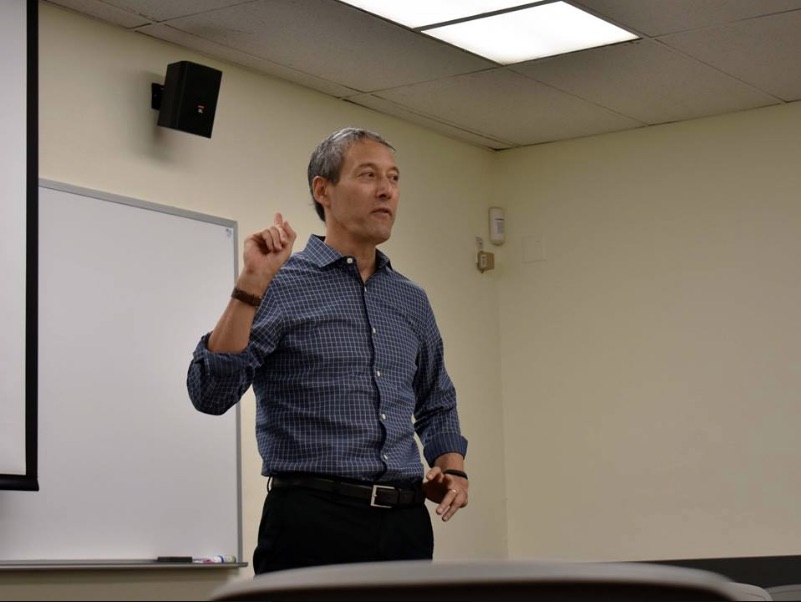
A professor at the University of Southern California (USC) suggested in an October lecture that Israeli Zionists are terrorists.

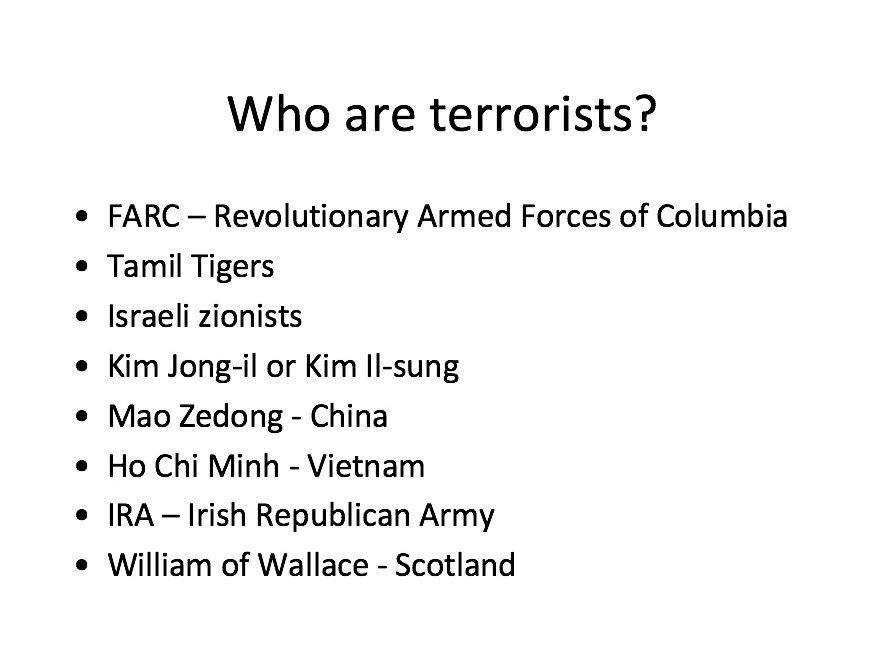
International Studies Professor David Kang gave a presentation on terrorism on October 26 in front of 200 students in the International Relations 210 class. One of the slides was titled “Who are terrorists?”and listed “Israeli Zionists” along with Kim Jong-Il and Mao Zedong below it:
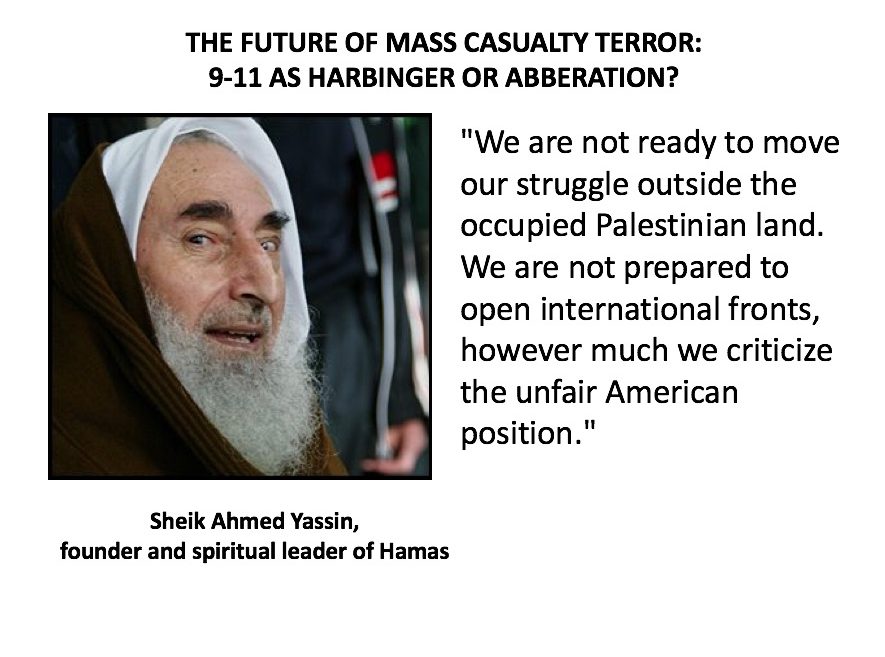
Another slide featured a quote from Hamas’ spiritual leader Sheikh Ahmed Yassin stating, “We are not ready to move our struggle outside the occupied Palestinian land.  We are not prepared to open international fronts, however much we criticize the unfair American position.”
Another slide quoted Osama bin Laden as stating that his goal was to stop the U.S. from “occupying the lands of Islam” that terrorism stems from poverty and another suggested that U.S. foreign policy and poverty are the roots of terrorism.

One of the students who was in the class, who wished to remain anonymous, told the Journal that he was disturbed by the slides, especially since they seemed to be “legitimizing” Hamas and gave the impression that Israeli Zionists should be associated with the likes of Mao Zedong and Kim Jong Il.

“He didn’t really talk about the issue any further, which… I think is the problem here,” the student said.

The student added, “I know other people who were a little disturbed to hear that, people who had taken his class who were just confused.”

Roz Rothstein, the international director of StandWithUs, criticized Kang’s PowerPoint presentation in a written statement to the Journal.

“USC Professor David Kang dehumanized all Israelis, Jews and others who believe in Israel’s right to exist during his lecture this past October,” wrote Rothstein. “His generalization that ‘Israeli Zionists’ are terrorists is simply hate speech, which has the potential to create a hostile learning environment for Israelis and others who attend USC. It is also an abuse of his role as an educator, who is supposed to uphold academic integrity and help students think critically about the world.”

Rothstein added, “This is especially unacceptable given his position of power as a professor, given that students may risk getting lower grades by challenging him. USC should condemn Kang and adopt a policy similar to the UC Regents Principles Against Intolerance, to make clear that anti-Semitism and other forms of bigotry have no place on campus. StandWithUs will continue to be there for students who experience this kind of hate from professors and others.”

In a statement sent to the Journal, Kang claimed that the slide was part of an exercise.

“I was not labeling any group as terrorists, only making the point that these groups have been called terrorist organizations by others,” said Kang. “The point of the exercise was to get students to think about how and why organizations are labeled as terrorist organizations, and to foster a discussion about who does the labeling and for what purpose.”

However, the anonymous student remembers it differently.

“His class was critical thinking based but in this case he did not make that clear when presenting the slide nor gave any explanation to the historical context as to why Zionists would be a labeled a ‘terrorist’ organization,” the student wrote in a text message to the Journal, “and there were likely many impressionable students in the class who aren’t familiar with the issue who could now associate Zionism with North Korea and Al Qaeda, etc.”

Kang’s rating on RateMyProfessor is a 4.3 out of 5; various reviews on the site praised him for his lecturing skills and the depth of his knowledge. He is known for his expertise on North and South Korea.

The anonymous student described the class as “a good introductory class” overall, but those slides were “one of the only things that bothered” the student about the class.

“I thought he was so rational,” the student lamented, which made Kang’s slides all the more confusing for him.

This article has been updated.

USC Professor Suggests That Israeli Zionists Are Terrorists Read More »

A Modern Wedding Book for People of the Book: Author Anita Diamant Offers Insight Into Traditions and Trends

Brooklyn-born author Anita Diamant is known for penning best-selling novels including “The Red Tent” and “The Boston Girl,” but she began her career writing nonfiction guidebooks on aspects of contemporary Jewish life. Her first book was 1985’s “The New Jewish Wedding,” which she revised in 2001 to reflect cultural shifts.

Now, she’s making it a trilogy with the publication of that original work’s latest update, “The Jewish Wedding Now.” The Journal caught up with Diamant to find out her thoughts on interfaith marriage, her advice for couples planning their special day, and her take on which Jews party the hardest.

Jewish Journal: You’ve written two books on Jewish weddings, why write this third version?

Anita Diamant: When I told people I was doing another update, many thought it was because of marriage equality, and that’s certainly a reason. I think the book reflects that and other realities of 2017, such as the internet now being a primary source of information for people and a new do-it-yourself culture surrounding weddings. For example, in the previous edition, I was discussing how to find a rabbi. Now, part of this book discusses why you should use a rabbi when your best friend can get deputized online so easily now.

JJ: Your book goes to great lengths to be inclusive as it pertains to same-sex couples, Jews of color, unaffiliated Jews and particularly interfaith couples. You even made it a point to stick to gender-fluid pronouns. Why did you feel it was so important to do that? 

AD: That’s what I strive for in all my Jewish guidebooks. I know it speaks primarily to the liberal Jewish community, but that extends very far. This book is meant to offer a universal design, like a kitchen that’s designed for people with disabilities that’s also useful and aesthetically beautiful for people without disabilities. Using language that’s inclusive frees you to think more broadly about Jews and about humanity. It creates an open door and removes a stumbling block for some people but doesn’t diminish access for anyone.

“In the previous edition, I was discussing how to find a rabbi. Now, part of this book discusses why you should use a rabbi when your best friend can get deputized

online so easily now.” — Anita Diamant

JJ: What’s your response to those who oppose interfaith marriage and claim it weakens or dilutes the Jewish community?

AD: Most people born in Jewish families now have non-Jewish machatunim (in-laws), nieces and nephews. You can fight against it, but that doesn’t change the facts. It’s about how we respond to facts on the ground. Are you going to figure out ways to make this an
opportunity or just declare the sky is falling? I’m on the opportunity side.

JJ: What’s the key to finding the right rabbi? Do you even need a rabbi?

AD: It’s actually chemistry. You have to want to have coffee with them again. It’s that gut-check thing. And yes, I do advocate working with a rabbi. What rabbis bring to the chuppah is, yes, tradition but also a skill set that includes holding the room and understanding the dramaturgy of the rituals. They’ve done it before and have navigated complicated family dynamics before. They can also teach you a lot. It can add enormously and the learning can help keep the focus off a to-do list and more on the joyful rituals.

JJ: I love the section in the book where you discuss the chuppah, its mystique and what materials people now use for the chuppah.

AD: With the chuppah, it’s such a nice opportunity to knit Jewish family together. You might ask if there’s a piece of cloth important to the non-Jewish family to use for the chuppah. It’s transformative and creates a united Jewish family. It has a lot of power and symbolizes coming together. Someone I know is going to use a tablecloth from a Swedish grandmother. It doesn’t have to be anything in particular.

JJ: Why include a section on divorce in a book about weddings?

AD: It’s a very short section! But a lot of us, about 50 percent of Americans and more than 50 percent of Jews, get divorced. More than anything, the chapter is just relevant information. If you were married under a chuppah, you should be able to have a Jewish ending so that can feel good about the prospect of starting over again. It’s also just interesting to know that rabbis, since the beginning of time, realized that not all marriages will last forever.

JJ: What’s your favorite Jewish wedding ritual? 

AD: My favorite ritual is the yichud, the short break after the chuppah where the couple takes a deep breath and lets it all sink in before they go party. To me, that’s incredibly wise. It’s a wonderful psycho-spiritual moment.

JJ: In the book, you mention that, although Ashkenazi culture is still dominant, new appreciation is developing for the rituals and customs of other Jews like Sephardic and Mizrahi Jews. What are some of your favorite rituals from some of those corners of the Jewish community?

AD: Sephardic mikveh rituals are gorgeous. The rituals around brides are more lively and loud with henna and sweets and singing. There’s such so much joy with Sephardic customs and the food is just better. There’s this great menu that enhances everything and that’s also a part of Jewish tradition. Latin-American Jews also party pretty hard. The dancing is phenomenal.

JJ: How about a prominent Jewish wedding you would’ve liked to attend?

AD: Did Elizabeth Taylor and Michael Todd have a Jewish wedding? I’ll say Sacha Baron Cohen and Isla Fischer. I bet it would’ve been very interesting to see how they incorporated different traditions. That’s a very 21st-century Jewish wedding with celebrities, a Jew and someone who converted. That’s the kind of thing that would’ve been unheard of in the past.

JJ: What would you tell stressed couples out there planning a Jewish wedding?

AD: There’ s a Yiddish phrase that basically translates to: “There’s no wedding without crying.” It’s normal. Everyone has a blowup with family. It’s stressful. My book really encourages you to think about the ceremony. Make it real. Make it meaningful. n

A Modern Wedding Book for People of the Book: Author Anita Diamant Offers Insight Into Traditions and Trends Read More »

Designer Specializes in Wedding Belles

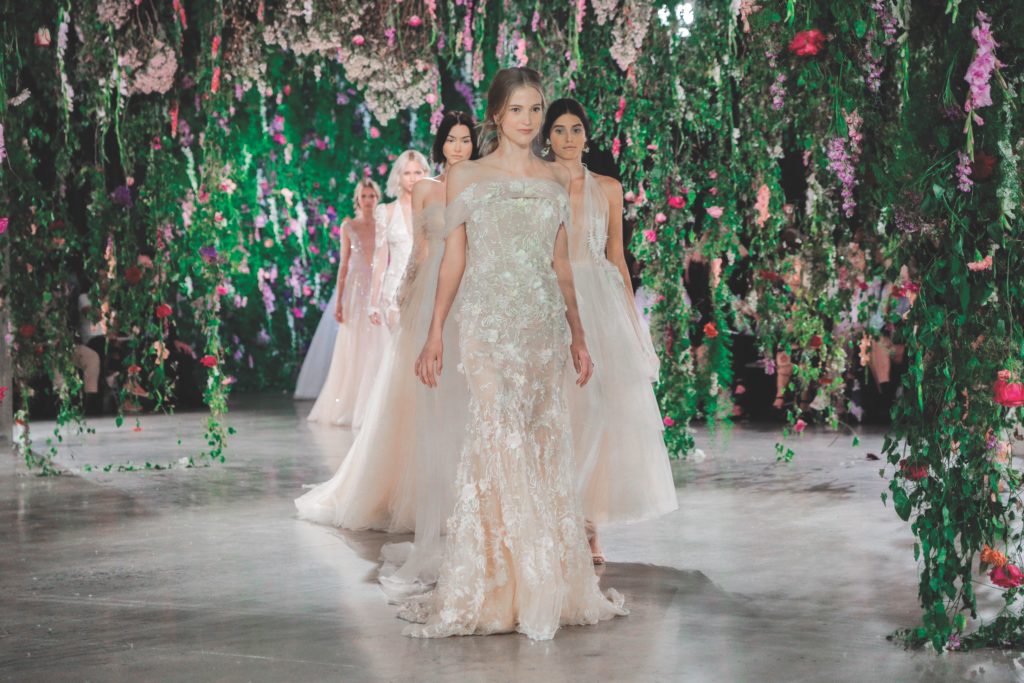
Galia Lahav has designed wedding dresses for celebrities like Britney Spears, Taraji P. Henson, Jennifer Lopez and Olivia Munn. In November, the entire bridal party for tennis star Serena Williams wore her creations.

And from Dec. 8-10, she was at her Los Angeles flagship store on La Brea Avenue, selling gowns from her brand new collection.

The Tel Aviv-based designer — whose signature creations can range from $5,000 to $15,000 per dress and are sold all over the world — visited the city to meet with 100 brides and help each choose her dress for the big day.

“The feeling is great. I’m very excited,” she said afterward in a phone interview from Israel, describing these interactions. “Once the bride puts on the dress, [she cries]. The excitement is huge. It gives me great satisfaction because I see how I fulfilled their dream.”

Designing clothing is in Lahav’s genes. Born in modern-day Belarus, she came from a family of seamstresses and became involved in the trade at a young age, also teaching art classes in her neighborhood. When she got married 49 years ago to her high school sweetheart, Nathan, she designed her dress.

In 1985, Lahav opened up shop in Ashdod, selling custom-made ivory lace appliques. She said she initially designed evening gowns and casual eveningwear and then transitioned into wedding dresses.

“I was one of the first that designed handmade [clothes] for young women [using special fabrics]. [This was] something that they didn’t have back then.”

Now, in her Tel Aviv studio, Lahav employs more than 100 people to design, cut, sew, bead and market her creations, which are sold in stores in the United States, the United Kingdom, Australia, Europe, Asia and Canada.

Brides can find the dresses in retailers like Bergdorf Goodman in New York City, Neiman Marcus in Dallas, Little White Dress in Denver, and Boca Raton Bridal in Boca Raton, Fla. The L.A. store was the first flagship store to open; her other permanent locations are in New York City, Tel Aviv and Hamburg, Germany.

It typically takes 120 hours to craft each couture gown, and many of the dresses include lace from Italy and France.

Galia Lahav. Photo courtesy of Galia Lahav

Lahav is inspired by the work of Valentino, Vera Wang, Chanel and Versace, as well as “some of the young talents of Balmain and Gucci, mainly for inspiration and innovation-wise,” said Roni-Avia Kotler, a spokesperson for Lahav. “[It’s highly inspiring] how they perform in this dynamic age of transformation, in the fashion industry and struggling economy.”

Kotler said that Lahav and her team see their designs as trendy and modern but with a clear, classic feel.

“We always look for the best way to combine silhouettes and fabrics that are classic with up-to-date attributes.”

A gown from Galia Lahav’s fall 2018 bridal line. Photo by Thomas Concordia.

In the future, Kotler said the plan is to get Lahav’s dresses placed in more stores around the globe as well as expand their evening gown e-commerce store. They are also going to open more flagship stores, and according to Lahav, they will be the only Israelis in an upcoming haute couture fashion show in Paris.

It’s a particular niche that Lahav has a real passion for, Kotler said.

“It’s a business that gets you real close with your costumers and you can get really personal, because it’s couture and handmade. So by creating custom designs, you get to meet your brides and walk them through a very special and romantic event in their lives.”

That was certainly appreciated by Val Vogt, one of Williams’ bridesmaids. She was quoted by Vogue magazine as saying Lahav “talked to all of us and just kind of let us have creative control as to what dress fit our personality.”

Lahav said that she wanted to come to L.A. not only to showcase her designs, but to see her clients face-to-face.

“It’s important for them to meet with the designer,” she said. “There are many brides who wanted special things and [to make] their dreams come true.”

Designer Specializes in Wedding Belles Read More »

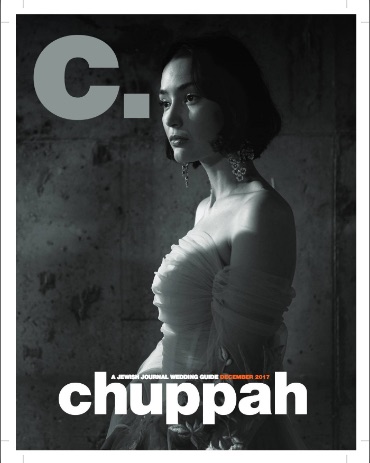
Chuppah: A Jewish Journal Wedding Guide

Chuppah: A Jewish Journal Wedding Guide Read More »

Decorating with Pantone’s 2018 Color of the Year

A couple of months ago, I shared Color of the Year picks from paint companies such as Benjamin Moore, Behr and Sherwin-Williams. But the color announcement that really juices up the creative community is the one from the Pantone Color Institute. And this week, it declared that the 2018 Color of the Year will be Ultra Violet.

In a press statement, Pantone’s executive director, Leatrice Eiseman, describes the color in philosophical terms: “We are living in a time that requires inventiveness and imagination. It is this kind of creative inspiration that is indigenous to Ultra Violet, a blue-based purple that takes our awareness and potential to a higher level.”

Pretty heady stuff, especially as she adds, “From exploring new technologies and the greater galaxy, to artistic expression and spiritual reflection, intuitive Ultra Violet lights the way to what is yet to come.”

As expected, the choice pleased some and annoyed others. Purple is polarizing. As much as I love color, I don’t use a lot of purple around the house. I don’t mind the color — it’s just very bold and can easily overpower a room. I do have a purple blender in my kitchen; I didn’t realize I was so on trend.

So how can you incorporate Ultra Violet in your own decorating? Here are some tips, along with some fun décor items that will give your home a nice pop of purple.

Ground it in neutrals

T-Fal nonstick cookware set, kohls.com

Ultra Violet looks fantastic with white, black or gray. This shade of purple can teeter between dramatic and juvenile, and these neutrals push the color to the regal side.

Punctuate with purple

Cobi desk chair, poppin.com

A little goes a long way with Ultra Violet. Too much of it, and people will think you’re Prince (or Miss Piggy). Use it as an accent color in pillows, throws, frames or area rugs. Avoid an entire room painted in this hue. Instead, use it on an accent wall or alcove for a touch of drama.

Mix with other colors

The boldness of Ultra Violet can be softened when it’s presented with other hues in the same color family. Think mauve, blue or lavender. Pastels such as pink and mint also can make this deep purple more compatible to your decorating scheme.

Spray paint with it

Kitchenaid Artisan stand mixer, williams-sonoma.com

If you have an old décor piece that you’re tired of, say an accent table or framed mirror, spray paint it with some high-gloss purple paint. High-gloss spray paint can turn the most boring item into a glamorous showpiece. And when it’s purple — clutch my pearls!

Try it in a small room

Laural Home decorative pillow, overstock.com

Bold colors like Ultra Violet work well in small spaces like powder rooms. You get to experience the drama, but you’re not overwhelmed by a lot of square footage devoted to purple. It could turn out to be your favorite room in the house.


Jonathan Fong is the author of “Walls That Wow,” “Flowers That Wow” and “Parties That Wow.” You can see more of his do-it-yourself projects at jonathanfongstyle.com.

Decorating with Pantone’s 2018 Color of the Year Read More »

What’s Happening in Jewish L.A. Dec. 22-28: Volunteering, Comedy, Singles Events and More

FRI DEC 22
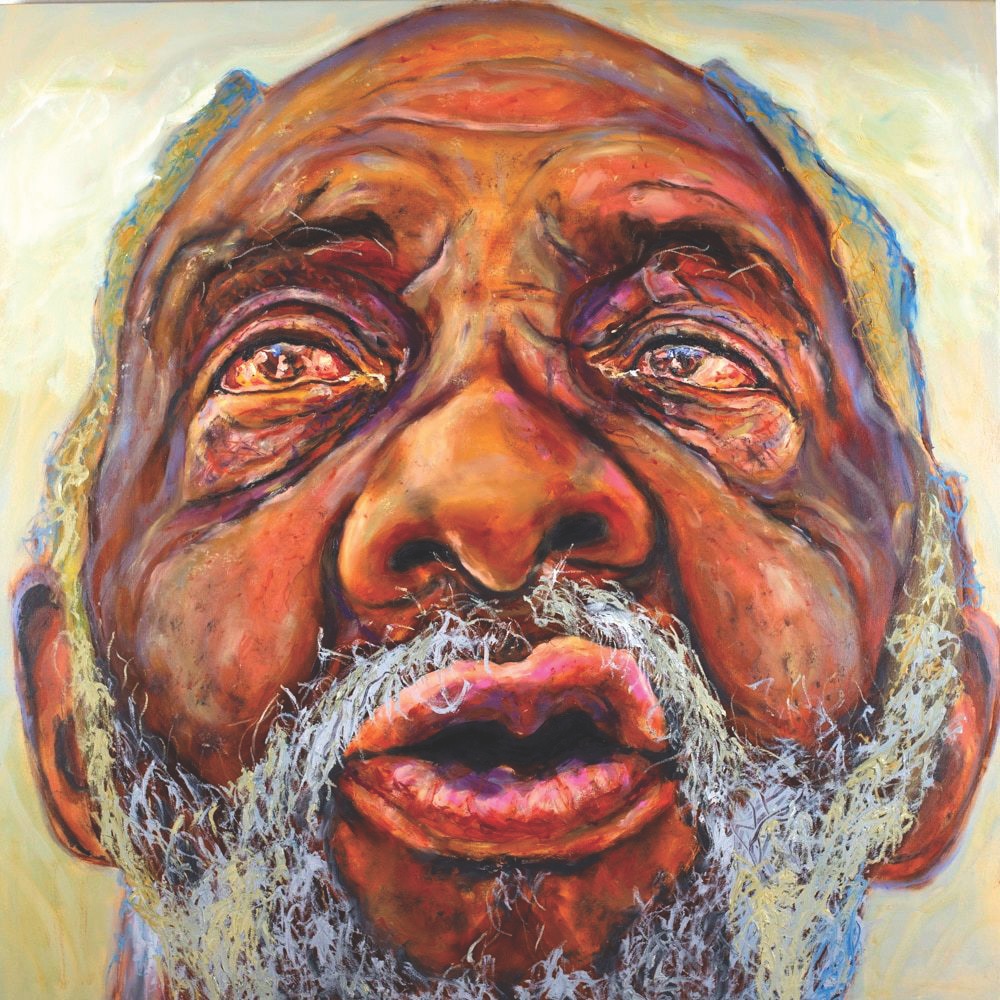
“FACES OF HOMELESSNESS: BRINGING OUR NEIGHBORS HOME FOR GOOD”

The exhibition features oil-on-canvas portraits by Stuart Perlman of area homeless people that are accompanied by biographies of the subjects. Perlman, who has been a psychologist and psychoanalyst in Los Angeles for more than 30 years, began painting these portraits in 2010. He spent hours listening to his subjects’ stories and getting to know them. He has painted 200 portraits of homeless people who have lived on Venice Beach and Skid Row. Through March 7. By appointment. Free. Council House, 543 N. Fairfax Ave., Los Angeles. (323) 852-8512. ncjwla.org.

FINAL SHABBAT FLOW OF 2017

Experience the peace and presence of Shabbat through the mindful movement of a vinyasa flow yoga class. Live music, chanting, challah. No seats, no books, no stress. Welcome, namaste and shalom! Bring your yoga mat, towel and water, and wear comfortable exercise clothes. Roll out your mat, take stock in what you accomplished in 2017 and set intentions for 2018. Hosted by Om Shalom Yoga. 8 p.m. $15. Space limited; guests admitted on a first-come, first-served basis. Yogaraj Yoga Studio, 2001 S. Barrington Ave., Los Angeles. (Free parking in the structure next door.) (424) 299-2507. facebook.com/omshalomyoga.

SAT DEC 23
“THE MENORAH”

Like Hanukkah, this night of improv comedy has a theme of eight: eight scenes from eight improvisers. One person begins a scene, which builds to an eight-person scene, then revisits all of the show’s scenes again. Featuring Beth Appel, Hal Rudnick, Jonny Svarzbein, Talia Tabin, Danny Cymbal, Matthew Brian Cohen, Jake Fallon and Heather Sundell. 7 p.m. $7. UCBT Franklin, 5919 Franklin Ave., Los Angeles. (323) 908-8702. franklin.ucbtheatre.com.

“WE ARE AMERICA”

Pink Lady and Senior Star Power present this musical salute to veterans. Performers range in age from their 60s to their 90s, but they bring the sassy, the sexy and the sizzle in this revue featuring singing and dancing. Through Dec. 31. 2 p.m. and 8 p.m. Dec. 23 and Dec. 30, 6:30 p.m.  Dec. 31. $25-$45 (Dec. 23 and 30), $60 (Dec. 31). Madrid Theatre, 21622 Sherman Way, Canoga Park. (818) 400-2701. brownpapertickets.com/event/3097240.

SUN DEC 24
“FIDDLER ON THE ROOF” SINGALONG

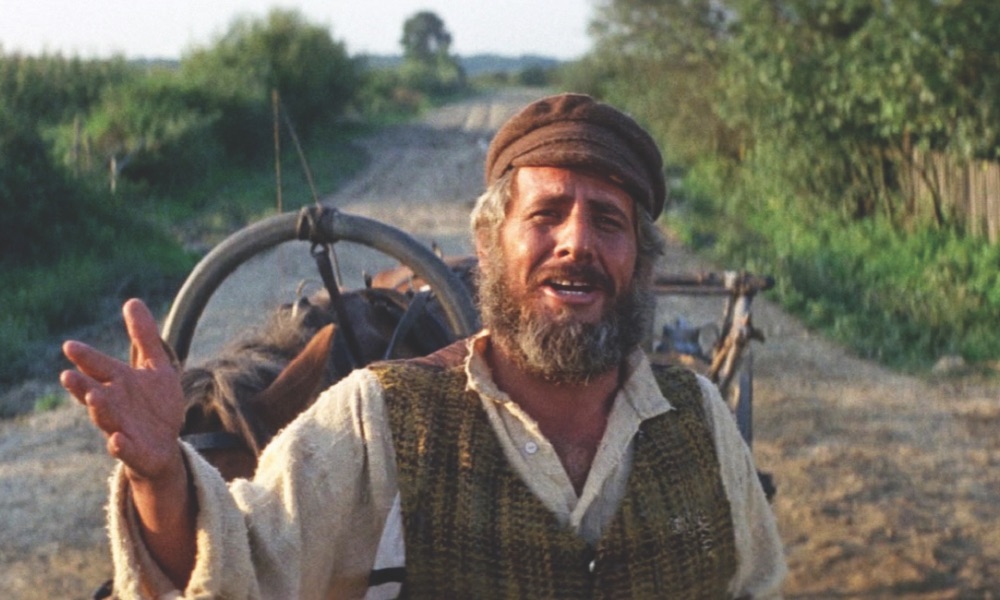
Tevye, Golde and the folks of Anatevka light up Norman Jewison’s musical film, which plays at Laemmle theaters across Los Angeles on Christmas Eve. This year marks a decade since Laemmle began this annual “Tradition,” featuring Jewish leaders serving as hosts of the screenings, prescreening trivia and prizes for “Fiddler” buffs, and more. Attendees are encouraged to come dressed in costume. Children are welcome. 7:30 p.m. Additional 5 p.m. screening at the Town Center 5 in Encino. $18 (general), $15 (seniors, students). Town Center 5, 17200 Ventura Blvd.; NoHo 7, 5420 Lankershim Blvd., North Hollywood; Ahrya Fine Arts, 8556 Wilshire Blvd., Beverly Hills; Playhouse 7, 673 E. Colorado Blvd., Pasadena; Royal, 11523 Santa Monica Blvd., Los Angeles; Claremont 5, 450 W. Second St., Claremont. (310) 478-3836. laemmle.com.

ELON GOLD’S “MERRY EREV XMAS”

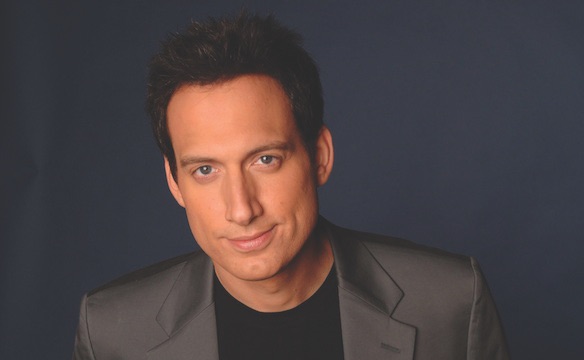
Stand-up comedian Elon Gold performs on Christmas Eve with special guests at the Laugh Factory in Hollywood. Come for his spot-on Jeff Goldblum and Woody Allen impersonations; stay for his humorous insights about what it is to be Jewish in contemporary America. 7:30 p.m., 9:30 p.m., 11:30 p.m., $35 (general), $55 (VIP). Laugh Factory, 8001 Sunset Blvd., Los Angeles. (323) 656-1336, ext. 1. laughfactory.com/clubs/hollywood.

MOSTLY KOSHER

The indie klezmer and folk band puts a modern twist on traditional Jewish sounds when it performs at the 58th annual L.A. County Holiday Celebration. Led by musician Leeav Sofer, who was named one of the Jewish Journal’s “30 Under 30,” Mostly Kosher bridges Jewish and American musical roots. Other performers at this multicultural event presented by the L.A. County Board of Supervisors include VOX Femina Los Angeles, a choir of 34 women that will perform Hanukkah and Christmas songs. Musicians from Korea, Hawaii, West Africa and elsewhere also perform. Those who can’t make it in person can catch a broadcast of the event on KOCE, the PBS SoCal station. The event also will be streamed live at pbssocal.org. 3-6 p.m. Free (first come, first served). Music Center’s Dorothy Chandler Pavilion, 135 N. Grand Ave., Los Angeles. (213) 972-3099. musiccenter.org/holidaycelebration.

“JOKES FOR JEWS”

Michael Gelbart

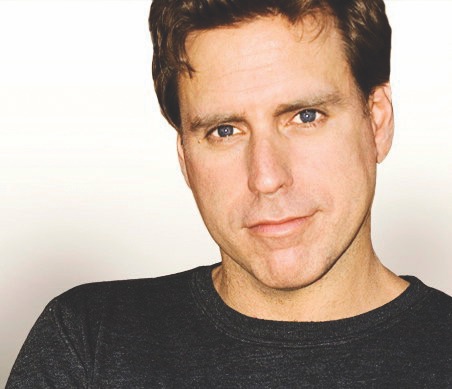
Spend Christmas Eve laughing with a lineup of nearly a dozen comedians. Michael Gelbart, who has appeared on Comedy Central, Teen Nick, the Disney Channel and Starz, headlines. Additional performers include Adam Feuerberg, Dana Eagle and Joshua Snyder. 7 p.m. $20. Flapper’s Comedy Club Burbank, 102 E. Magnolia, Burbank. (818) 845-9721. flapperscomedy.com.

THE BALL 2017

Mix, mingle and socialize at this Jewish singles event in West Hollywood. (What else are you going to do on Christmas Eve?) Previous years have drawn upward of 1,000 attendees, so arrive early to avoid long lines. 8:30 p.m. to 2 a.m. $35-$50. Bootsy Bellows, 9229 Sunset Blvd., West Hollywood. letmypeoplego.com.

MATZOBALL

Find your bashert in time for New Year’s. The 31st annual MatzoBall on Christmas Eve draws young Jewish singles looking for friendships, hookups and marriages. 21-and-older only. IDs required. 9 p.m. to 2 a.m. $30. Spare Room (Inside the Roosevelt Hotel), 7000 Hollywood Blvd., Los Angeles. matzoball.org/our_events/matzoball-los-angeles.

MON DEC 25
TEMPLE ISRAEL OF HOLLYWOOD CHRISTMAS MEAL

Temple Israel of Hollywood has held an annual Christmas meal for the underprivileged and homeless for more than 30 years. Volunteers are needed for the event’s setup, parking lot control, food service and cleanup. Setup is 10 a.m. to 4 p.m. Dec. 23 (open to all ages). Christmas Day shifts are 6-10 a.m. for early food preparation (13 and older), 6:30-10 a.m. for parking lot control (13 and older), 8-10 a.m. for first shift (13 and older) and 4-5 p.m. for cleanup. The meal is served from 11 a.m. to 4 p.m. at Hollywood United Methodist Church, 6817 Franklin Ave., Hollywood. (323) 874-2104 (church); (323) 876-8330 (temple). tioh.org.

“DREAMING OF A JEWISH CHRISTMAS”

Gaston Poon in “Dreaming of a Jewish Christmas.”

Director Larry Weinstein’s irreverent musical documentary tells the story of a group of Jewish songwriters, including Irving Berlin, Mel Torme and Johnny Marks, who wrote the soundtrack to Christianity’s most musical holiday. It is a tale of Jewish immigrants and how they used their talent to go from being outsiders to the creative forces behind Christmas’ most memorable music. A Q-and-A follows with classic film and music expert Michael Schlesinger. Noon. $11. Laemmle Town Center, 17200 Ventura Blvd., Encino. (800) 838-3006. lajfilmfest.org.

ONE-ON-ONE OUTREACH DELIVERY

Join congregants of synagogue Kehillat Israel in packing and delivering groceries and toys to low-income families in South Central Los Angeles. Co-founded by Kehillat Israel member Michael Schwartz, One-on-One Outreach is a volunteer organization that convenes once a month to help those in need. Noon to 2 p.m. Email Michael@oneononeoutreach.org for additional information. (310) 459-2328. ourki.org.

THU DEC 28
LUNCH ’N’ LEARN WITH RABBI VOGEL

Temple Aliyah Rabbi Stewart Vogel discusses and analyzes the week’s Torah portion.  This interactive classic offers insights into Judaism’s most sacred text. Accessible for beginner students. No Hebrew or previous Torah experience necessary. 12:15-1:45 p.m. Free. Temple Aliyah, 6025 Valley Circle Blvd., Woodland Hills. (818) 346-3545. templealiyah.org.

“AN AMERICAN TAIL”

Executive producer Steven Spielberg’s classic animated movie follows a Jewish family of mice emigrating from Russia to America by ship. At the center of the story is a young mouse named Fievel Mousekewitz, who gets lost from the rest of his family. Fievel’s family presumes he is adrift at sea, but Fievel makes it to New York and meets a bustling crew of colorful characters. Throughout the adventure, the little mouse is determined to reunite with his family. The film screens at the Skirball Cultural Center as part of “Family Film Series: Journeys Near and Far.” On Jan. 4, Pixar’s “Up” closes the series. 12:30 p.m. and 2:30 p.m. Free. Skirball Cultural Center, 2701 N. Sepulveda Blvd., Los Angeles. (310) 440-4500. skirball.org.

What’s Happening in Jewish L.A. Dec. 22-28: Volunteering, Comedy, Singles Events and More Read More »

Moving & Shaking: Federation Lights Menorah at City Hall; Jewish Communal Professionals Honored

Marking the first day of Hanukkah, the Los Angeles City Council and The Jewish Federation of Greater Los Angeles held a menorah lighting ceremony on Dec. 13 at City Hall.

“The Federation was honored to partner with our elected officials to host and celebrate Hanukkah, the Festival of Lights, at City Hall,” said Alisa Finstein, Federation’s senior vice president of community engagement. “This event brings all corners of our community together each year to light candles, sing songs, eat sufganiyot and remember the miracle that happened long ago.”

Among the elected officials and Jewish community leaders who attended the morning event in the City Hall rotunda were City Council members Paul Koretz, Bob Blumenfield, Mitch O’Farrell, Paul Krekorian, Monica Rodriguez and David Ryu; Becky Sobelman-Stern, Federation’s executive vice president and chief program officer; and Federation board member Jesse Gabriel. Rabbis Joshua Hoffman and Jaclyn Cohen led the celebration.

From left: Shalom Institute Executive Director Bill Kaplan and Shalom Institute honorees Michael and Linda Bennett, Adam Weiss, and Arthur Pinchev and Shalom Institute Associate Executive Director Joel Charnick attend the Shalom Institute gala at the Skirball Cultural Center. Photo by Dmitry Rogozhin Photography.

Shalom Institute, the home of Camp JCA Shalom in Malibu, honored four leaders’ contributions and commitment to its organization and to the Jewish community.

About 330 people attended the Dec. 2 event at the Skirball Cultural Center that celebrated the achievements of Adam Weiss, Linda and Michael Bennett, and Arthur Pinchev.

The gathering also raised nearly $200,000 for the Shalom Institute’s Sherut L’Olam Teen Leadership and Advocacy Program, the Marla Bennett Israel Discovery Center and Garden, and Camp JCA Shalom scholarships.

Weiss, president of the Shalom Institute, received the Rae and David Finegood Leadership Award. He has helped the organization secure its land in Malibu, solidify its financial position and begin to implement its strategic plan.

The Bennetts were honored with the inaugural Marla Bennett Inspiration Award, named for their daughter, a Camp JCA Shalom camper, counselor in training, unit head and program director who was killed in a 2002 bombing at Hebrew University in Jerusalem. “Linda and Michael’s unwavering support and vision ensures that future generations can benefit from all Marla was passionate about,” a Shalom Institute statement said.

Pinchev, director of Shalom Institute’s Sherut L’Olam: Teen Leadership and Advocacy Program, which trains students to become leaders on environmental and social justice issues, received the Vision Award. He was recognized for improving the program and engaging more teens from bar and bat mitzvah age through high school.

Shalom Institute staff who attended included Executive Director Bill Kaplan and Development and Community Engagement Director Marsha Katz Rothpan. Other attendees included Jacob Knobel, recipient of the Shalom Institute’s 2013 Emerging Young Leaders Award; and David Spieser, who serves on the Shalom Institute board of directors.

Front row, from left: Camp Ramah in California Executive Director Rabbi Joe Menashe, board members Karmi Monsher and Lesley Wolman and board chair Andrew Spitzer and (back row, from left) Camp Ramah in California honorees Abner and Roz Goldstine and Abby and Jonny Mars. Photo courtesy of Camp Ramah in California

Camp Ramah in California, which operates a Jewish summer camp in Ojai, held its annual gala celebration on Dec. 3 at Sinai Temple.

More than 530 Ramah families, friends and community members celebrated the evening’s honoree couples: Roz and Abner Goldstine, and Abby and Jonny Mars.  The Goldstines are involved in a number of community organizations. Jonny, who is a member of the organizaton’s board of directors, and Abby Mars received the inaugural Alumni Leadership Award.

Proceeds from the evening established Camp Ramah in California’s Mercaz Yisrael: Endowment for Israel Programs, to enhance programs that include Ramah’s Israel Seminar summer experience in Israel for campers, and Mishlachot, a program bringing Israeli counselors to Ramah for the summer.

The event began with cocktails, followed by dinner and the program.

The Conservative camp in Ojai draws young Jews from around the world, who become known as “Ramahniks.”

From left: Masa Israel Journey Project Manager Julia Smelensky, Masa Israel Journey’s new southwest regional director Avital Khaazanov and American Israel Gap-Year Fair founder and Executive Director Phyllis Folb participate in the American Israel
Gap-Year Association Fair. Photo courtesy of Phyllis Folb

The fifth annual American Israel Gap-Year Association (AIGYA) Fair was held at YULA Girls School on Nov. 16.

Participants included Masa Israel Journey’s Project Manager, Julia Smelensky, and its new southwest regional director, Avital Khaazanov; AIGYA founder and Executive Director Phyllis Folb; The Israel Experience at Bar Ilan University’s experiential education director, Meir Balofsky; and Artzi Executive Director Yishai Ashkenazi.

Students attended the event to learn about gap-year opportunities in Israel after they graduate from high school. They spoke with representatives of various Israel-based gap-year programs.

Skirball Cultural Center Founding President Uri Herscher (left) presents Rob Eshman, former Jewish Journal editor-in-chief and publisher, with the Career Achievement Award. Photo by Marvin Steindler Photography.

The Jewish Communal Professionals of Southern California held its JCPSC Honors 37th annual dinner on Dec. 14 at Sephardic Temple Tifereth Israel, honoring the contributions and achievement of eight outstanding Jewish communal professionals.

The event honored former Jewish Journal Publisher and Editor-in-Chief Rob Eshman with the Career Achievement Award.

“I’m proud to say that for a good period of my life I was a Jewish professional, and it is so humbling to count myself among people who have dedicated their professional lives to serving this community, upholding its values and making those values come to life every single day,” Eshman said upon receiving the award from Uri Herscher, founding president and CEO of the Skirball Cultural Center.

The other honorees and their awards were: IKAR Executive Director Melissa Balaban and MAZON President and CEO Abby Leibman, the Alan J. Kassin Award for Outstanding Professional Achievement; Jewish Federation of Greater Los Angeles Executive Vice President Carol Koransky, the Bobbi Asimow Award for Professional Mentorship; Jewish Community Foundation of Los Angeles Senior Vice President of Philanthropic Services Dan Rothblatt, the Award for Professional Excellence in Fundraising; Jewish Big Brothers Big Sisters of Los Angeles Director of Community Engagement Ashley Waterman, the Mark Meltzer Young Professional Award; and Jewish Federation and Family Services of Orange County Director of Senior Care Cally Clein and Senior Director of Program Impact Terri Moses, the Dora and Charles Mesnick Award for Achievement in Senior Adult Programming.

“We all stand on the shoulders of the people who came before us,” Rothblatt said. “Recognition from one’s peers is sweet and rare.”

The approximately 230 attendees included Jay Sanderson, president and CEO of The Jewish Federation of Greater Los Angeles; Rabbi Sharon Brous, founder and senior rabbi at IKAR; Marvin Schotland, president and CEO of the Jewish Community Foundation of Los Angeles; and Becky Sobelman-Stern, Federation’s executive vice president and chief program officer.

JCPSC Co-Presidents David Bubis and Randy Lapin delivered opening remarks.

Esther D. Kustanowitz, Contributing Writer


Moving & Shaking: Federation Lights Menorah at City Hall; Jewish Communal Professionals Honored Read More »

Foundation Awards $1.65 Million in Grants

Mitch Chupak, director of development at the Jaffa Institute, beams when he discusses how the Jewish Community Foundation of Los Angeles has supported his organization since its early days as a small social services agency serving high-risk children in Jaffa. Today, the 35-year-old Jaffa Institute has expanded to 40 educational and social programs serving 6,000 children and teens in communities throughout Israel, including Bat Yam and Yehud.

On Dec. 8, the Foundation announced that the Jaffa Institute was among eight organizations to be awarded grants of up to $250,000, totaling $1.65 million, to be disbursed over three years. Chupak said the Jaffa Institute will use its $200,000 grant to expand career and educational opportunities for Ethiopian-Jewish teens at the organization’s Bet Shemesh Educational Center.

“Our overall goal is to integrate these teens into Israeli society as quickly as possible by providing them with educational opportunities and services, such as computer training and introductions to various corporations,” Chupak said.

The organization helps teens finish high school so they can enter the army like their Israeli peers, he said. Post-army, the Institute offers scholarships for university study. It also encourages students to participate in STEM-based programs in science, technology, engineering and math starting in seventh grade.

Tzohar, focused on bridging the gap between religious and secular Jews in Israel, will use its $250,000 grant to develop a new program for rabbis and to enhance an existing professional development program for community rabbis, said to Rabbi Shai Finkelstein, Tzohar’s director of rabbinic alliance and community engagement.

“Our new program will train an elite group of Modern Orthodox and Zionistic rabbis … to become prominent voices in the online world,” he said.

Other recipient programs of the annual Israel Grants for 2017 focused on Jewish identity include:

• BINA: The Jewish Movement for Social Change (Irgun Noar), one of the few non-Orthodox organizations to provide Israeli high school students with activities promoting Jewish identity, Jewish learning and Shabbat programs.

• HaShomer HaChadash, providing security and protection to Israel’s smaller, more vulnerable communities in the Negev and Galilee, while promoting agricultural and pioneering programs.

• Nitzanim/The Avi Chai Foundation, which will use its grant to grow from nine to 14 locations to expand on its programs to help Israeli Jews overcome their increasing sense of alienation from Judaism.

Economic development programs include the Jaffa Institute as well as:

• Educating for Excellence, which provides 150,000 children and youth in underprivileged Israeli communities with a support system to pursue greater educational and career opportunities.

• Machshava Tova, providing underprivileged populations in Israel greater access to technology and skill-building education in supportive environments.

• YEDID: The Association for Community Empowerment, promoting social justice in Israel through a national network of Citizen Rights Centers offering programs that empower Israelis to break the cycle of poverty.

“These annual Israel Grants support programs that endeavor to strengthen Jewish identity and advance economic development and self-sufficiency throughout the country,” said Elana Wien, vice president of the Jewish Community Foundation of Los Angeles’ Center for Designed Philanthropy.

“Our goal is to integrate these teens into Israeli society as quickly as possible.” — Mitch Chupak

The Foundation “effectively makes Los Angeles a partner in everything we’re trying to accomplish,” said Noga Brenner Samia, deputy director for Irgun Noar/BINA Youth Corps. “It is important to express our gratitude for the Foundation’s help in our pushing forward in the realm of Jewish identity education.”

Eli Gur, CEO of Nitzanim, said his organization aims to help a diverse group of Israeli Jews overcome their increasing sense of feeling estranged from Judaism or ignorant of their heritage.

“Nitzanim has neither a specific ideological approach nor a limited geographic scope as we build a network of municipalities throughout Israel,” said Gur, who described “a national partnership in which all participant communities uphold and support a social, cultural and educational Jewish-Israeli agenda that is inclusive, diverse and resonant.”

Foundation Awards $1.65 Million in Grants Read More »

TABLE FOR FIVE: Five takes on the weekly parsha

PARSHA: Vayigash, Genesis 45: 1-3

“Joseph could no longer control himself before all his attendants, and he cried out, ‘Have everyone withdraw from me!’ So there was no one else about when Joseph made himself known to his brothers. His sobs were so loud that the Egyptians could hear, and so the news reached Pharaoh’s palace. Joseph said to his brothers, ‘I am Joseph. Is my father still well?’ But his brothers could not answer him, so dumbfounded were they on account of him.”

Mayim Bialik
Actor, neuroscientist, author

I have given this parsha much thought in the 29 years since I chanted these words as a bat mitzvah.

Joseph sends everyone away so that there will be no one around when he makes himself known. He can no longer contain himself and he creates distance in hopes of containing his emotions.

However, his sobs are so loud that they reach the Pharaoh — a striking emphasis of not only the intensity of his cries, but of their deeper significance. Joseph’s cries communicate the emotion which he thought he could keep to himself by isolating himself. How many times have I hidden in isolation in hopes that my emotions would go away simply because they were not being seen or heard?

Hiding does not protect us from our emotions. We carry our traumas and our blessings into every interaction we have. Sometimes we may be able to protect others from their impact, but as Joseph learned, the depth of emotional experience is often so strong, not even sending people away can prevent them from being heard and felt by everyone around — including ourselves.

Rabbi Gordon Bernat-Kunin
Milken Community Schools

Interpreting this passage seems more like staring into a bottomless pit than a shiny mirror. Rather than try to capture its meaning inside a tidy box, imagine a family, a group of friends or a chavurah learning together after a Shabbos meal. Jonathan Cohen teaches that “the drama of the lesson should be based on the shared attempt to find the meaning hidden between the lines.” In this spirit, let’s consider the following open-ended questions:

1. Joseph could no longer “control himself”(l’hitapek) before all his attendants. Classical commentaries translate l’hitapek in many ways — as control or refrain himself, bear or suffer, or strengthen himself. How does each translation alter the story?

2. Why does Joseph need to be alone? Whom is he protecting?

3. To what extent does Joseph actually reveal himself?

4. Why does he cry?

5. When Joseph’s brothers arrive in Egypt, he shrewdly manipulates them into a pit of dependency. Given what Joseph experienced at the hands of his brothers, does he need the brothers to experience what it feels like to be at the bottom of a pit? Does the capacity to forgive or the ability to do teshuvah require the offender to somehow stand in the place of the offended?

6. At the beginning of the story, Joseph dreamed that his brothers and parents would be utterly subservient to him. At the end of the story, he places his family and all of Egypt into a state of dependency. Has Joseph changed?

Rabbi Francine Green Roston
Glacier Jewish Community/B’nai Shalom, Whitefish, Mont.

As we read the Joseph saga, we find ourselves asking over and over again: What is in Joseph’s heart? Is he angry at his brothers, seeking to enact vengeance? Is he waiting for a sign that his brothers have changed before he forgives them? What holds Joseph back from revealing his identity?

Maybe Joseph doesn’t know his “true” identity. Maybe his struggle is not with his brothers but within his own soul.

Pharaoh gave Joseph an Egyptian name, an Egyptian wife and the greatest position in the Egyptian court. When Jacob’s sons arrive in court, they see an Egyptian standing before them.

As he is foreign to his brothers, Joseph is foreign to himself, as well. His sons’ names reflect his sense of disconnection and ambivalence (see Genesis 41:51-52). Each time the brothers stand before Joseph, he must ask himself: Who am I? Am I an Egyptian or an Israelite? Am I Pharaoh’s heir or the son of Jacob? As the brothers reveal their compassion, Joseph is able to find compassion for them, for their father and for himself.

Joseph can no longer restrain himself from claiming his place in his birth family. He sends away the Egyptians and says, “I am Joseph. … I claim my place as your brother and Jacob’s son.”

As an adoptee and as an American Jew, I understand Joseph’s struggle. Like Joseph, we each must wrestle with multiple layers of identity, define our place in our families and find our voice as Children of Israel.

Rabbi Daniel Bouskila
Sephardic Educational Center 

It’s easy to beat up on Joseph, the perennial spoiled brat. But who was Joseph? From the time he could remember, someone always wanted something from him. During his childhood, Joseph’s brothers wanted his multicolored coat, which they eventually got, along with the money they made by selling him into slavery.

In Egypt, Joseph’s rise to prominence came about through people needing him for something. The baker, winemaker and Pharaoh all wanted him because of his talent interpreting dreams, and Potiphar’s wife — well, she just wanted him.

When he became the prince of Egypt, Joseph had another encounter with his brothers. Now a powerful public figure, he nevertheless found himself sought out once again for what he could provide — this time, food for his starving brothers. Throughout his life, nobody ever asked Joseph what he wanted, what he needed or how he felt. He was constantly approached by people who made appointments with him for their own needs, always seeking to get something from him.

Joseph finally broke down and cried out, “Is my father still well?” A peculiar question, perhaps, but for Joseph, this was his way of saying, “I also have feelings, and I even have needs. I need my father.” Beyond revealing his identity, Joseph finally revealed — to his brothers, to the House of Pharaoh, and to all of us — the pain pent up deep inside of him, accumulated over a lifetime spent exclusively in the service of others.

Rabbi Jason Weiner
Cedars-Sinai Medical Center

These incredible verses aren’t only the climax of a gripping story, they also hint at something we each may experience and how we could direct our lives accordingly. Imagine the feeling of everything you know to be true — everything you know to be your reality — suddenly being turned inside out. What you thought you knew is not actually correct. Things are much deeper, holier, more complex than you had experienced them. Your past actions — what you had forgotten, thought nobody noticed, didn’t think were a big deal — are suddenly openly displayed before you. In front of your family. In front of God.

How would you react? What would you say? Is it possible to say anything?

The brothers were dumbfounded, “on account of him (mipanav),” which also means “penimiyut” internality. The brothers saw the inner holiness of Joseph’s true identity, which just moments before they couldn’t fathom in their wildest dreams.

One day, hopefully after 120 healthy years, we all will have such a moment. We may see the world in a way we never could have imagined. We will see the true world, beaming with light, with love, with potential, with God. It may be a shocking moment. No words will be necessary, or possible. It has the potential to be a very beautiful moment. If we can begin seeing the potential in ourselves, and the hidden light in every person and every moment, then we have nothing to worry about. Thank you, Joseph, for showing us the way.

TABLE FOR FIVE: Five takes on the weekly parsha Read More »
When Jews Defend “Merry Christmas”

Every December, for many Jews, constantly hearing “Merry Christmas” is an uncomfortable reminder of our outsider status in American society – that no matter how integrated we are, in some ways we’re still excluded. Hurtful childhood memories of feeling left out of holiday fun never seem to go away.

So for some of us, the more inclusive “Happy Holidays” reaffirms that Chanukah (and by extension Passover and Rosh Hashanah) are also fully American expressions of religious faith. As such, we encourage our offices to turn Christmas parties into holiday parties, and our employees to avoid “Merry Christmas” when interacting with customers.

Now, for several years, conservative Christians (led by Fox News) have complained of an imaginary “War on Christmas” – aggressive secularists oppressing Christians by watering down the season with generic greetings and pareve department store sales.

Many Jews, then, are caught in the middle, wanting equal inclusion in the joyous holiday season without sounding like soldiers in the War on Christmas.

Certainly, on an interpersonal level it makes no sense to pick fights with people whose greetings are heartfelt and unaware. Some Jews have well-honed retorts like “Guess again!” or even “Happy Chanukah.” Others just smile and say thank you, or offer a Merry Christmas in return.

But Christians saying Merry Christmas to Jews (or to everyone) is problematic.

I don’t go around telling everybody “Happy Birthday” on October 9th, and I don’t tell my British friends “Happy Independence Day” on July 4th. If a lesbian told all her office colleagues “Happy Pride” on the day of the parade, it might seem a little aggressive. And here in Israel, I would be a real jerk telling Arabs the traditional greetings “have an easy fast” on Yom Kippur or “have a kosher and happy holiday” on Passover.

We wish people well for their holidays, not ours. It’s basic courtesy.

Indeed, for many gentiles, learning how their Merry Christmas-es are sometimes perceived by friends and neighbors is enough to make them switch to Happy Holidays-es. They may be surprised, confused, or even defensive, but not hostile.

Sometimes hostility comes only from other Jews for whom the season’s greetings are touchy in the other direction. They get aggressive toward other members of the Jewish community who don’t welcome “Merry Christmas.”

The greeting “doesn’t bother” them at all, they insist – an entirely reasonable stance, particularly regarding day-to-day interactions with Christians who celebrate the holiday. But when their defense of Christmas means denouncing fellow Jews who want to keep December public school parties generic, for example, they’re crossing a line.

It doesn’t matter why so many American Jews are made uncomfortable by Merry Christmas – that’s how they genuinely feel. And telling someone to change their feelings (as opposed to their minds) is rarely successful. It is incontrovertible that hundreds of thousands of American Jews prefer Happy Holidays, and personal accounts that implicitly or explicitly shame them for hypersensitivity are unkind.

Interestingly, that kind of chastisement seems to come from the right as often as it comes from the left, with Orthodox and Reform, conservative and liberal American Jews sharing testimonials of enjoying the songs and the lights. That’s fine, but not everyone does. (I enjoy hearing Christmas music at the grocery store, but less so when, inevitably, I start singing along.) One person’s comfort with a practice doesn’t make it illegitimate for others to object.

In what other matters of communal disagreement does one group of Jews tell another what to feel, as opposed to what to think or do? The Kotel? Intermarriage? Support for Israel? Who is a Jew?

The same Jews who holiday-shame their co-religionists wouldn’t dream of telling an African-American she’s wrong for objecting to Confederate statues, or demanding transgender people stick with their biological pronouns.

This subject is particularly touchy because a common trope in Christmas mythology – expressed in countless TV specials and stage productions – involves bringing “the Christmas spirit” to people who don’t have it. And nobody wants to be a Scrooge or a Grinch.

Look, Jews who enjoy the Christmas season should do so. But scolding those who don’t is disrespectful – and not very Christmas-y, to boot. (Look over the comments on this essay on Facebook and elsewhere and you’ll see what I’m talking about.)

Personally, I rarely encounter this problem, because I spend the season in virtually Christmas-free zones: the British Jewish learning extravaganza Limmud and my home in Israel. Please don’t tell me I’m wrong to feel less comfortable when I’m in the United States during the month after Thanksgiving. When it comes to coping with the complications of being an American Jew, nobody’s feelings are wrong.


David Benkof is a frequent contributor to the Jewish Journal. Follow him on Twitter (@DavidBenkof) or Facebook, or E-mail him at DavidBenkof@gmail.com.

When Jews Defend “Merry Christmas” Read More »